
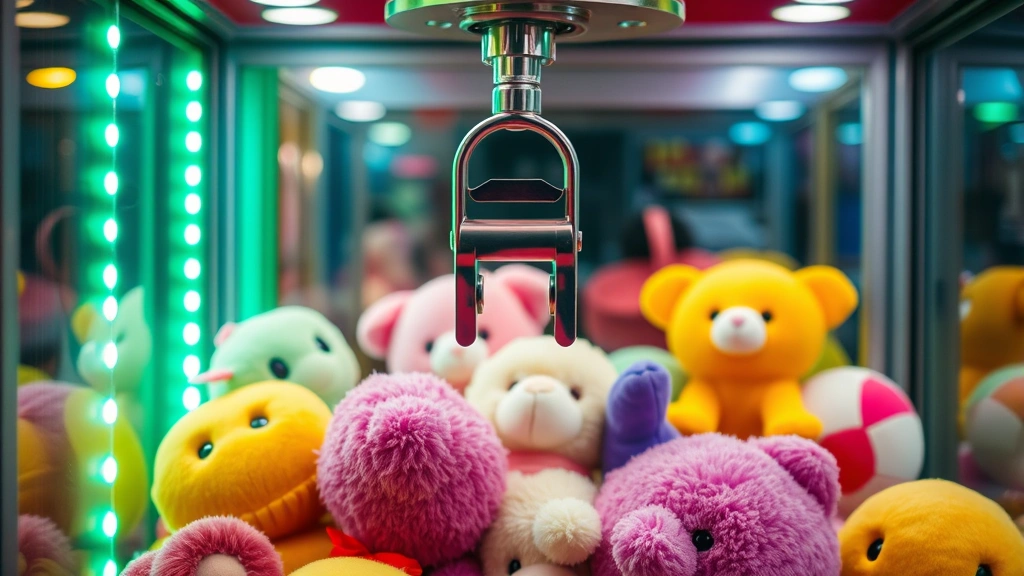
How to Win Uma Musume Claw Machine Prizes
How to Win Uma Musume Claw Machine Prizes: Master the Art of Arcade Success
If you’ve ever stood in front of a claw machine watching those adorable Uma Musume plushies taunt you from behind the glass, you’re not alone. These arcade fixtures have become a cultural phenomenon, especially in Japan and among anime enthusiasts worldwide. The good news? Winning isn’t purely luck—it’s a skill you can develop with strategy, patience, and the right technique.
Claw machines, also known as crane games or UFO catchers, might seem like they’re designed to steal your money, but arcade operators actually want you to win occasionally. That’s what keeps players coming back. The real secret lies in understanding how these machines work, reading the prize placement, and executing your grab with precision. Whether you’re hunting for exclusive Uma Musume collectibles or just trying to master the arcade, this guide will transform you from frustrated button-masher to claw machine champion.
The Uma Musume franchise has created some of the most sought-after plushies in arcade history. Their soft textures, detailed designs, and cultural significance make them perfect claw machine targets. But winning them requires more than hope—it requires knowledge, technique, and a bit of strategic thinking.
Understanding How Claw Machines Work
Before you can beat the claw machine, you need to understand its mechanics. Most claw machines operate on a simple principle: you control the X and Y axes to position the claw, then press a button to lower it and attempt to grab a prize. However, the claw’s grip strength is the real variable that operators control.
Modern claw machines typically have a grip strength setting that can be adjusted. This is crucial information. Some machines are set to have strong grips that work frequently, while others are calibrated to have weak grips most of the time, with occasional strong moments. This is why you’ll notice some machines seem impossible while others feel generous.
The machine’s internal computer tracks how many plays have occurred and how much money has been collected. Many arcade operators program machines to increase grip strength after a certain number of failed attempts, creating a win threshold. Understanding this psychology helps you decide which machines are worth your time and money.
Additionally, the claw’s closing mechanism matters significantly. Some claws have three fingers, others have four or five. The spacing between fingers affects which prizes you can successfully grab. A plush toy with a narrow midsection is easier to grab than one with a wide, fluffy body—something to remember when selecting your target Uma Musume plushie.
Reading Prize Positioning and Weight Distribution
This is where observation becomes your greatest asset. Before spending a single coin, study the machine for at least two minutes. Look at how the prizes are arranged and which ones are positioned for easy grabbing versus which ones are protected by the machine’s design.
Prizes positioned near the back of the machine, away from the drop zone, are intentionally harder to grab. Those near the front and sides are more accessible. The best targets are usually prizes that are:
- Positioned within the claw’s natural reach from center
- Not wedged tightly against other items
- Located near the front edges of the machine
- Sitting on top of other prizes rather than buried underneath
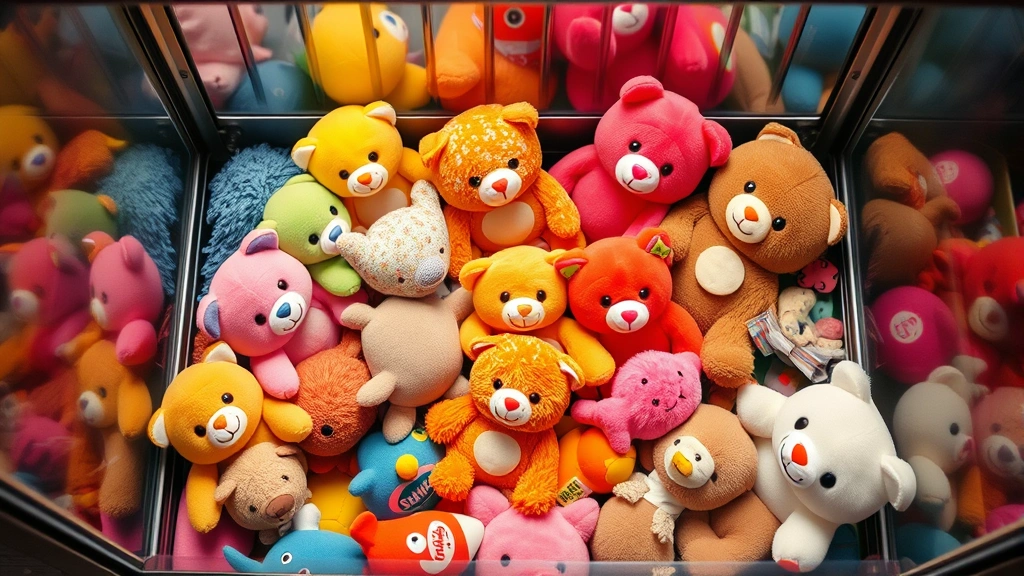
Weight distribution is equally important. Heavier prizes are harder to lift, but they also won’t slip out of the claw as easily once grabbed. Lighter plushies like Uma Musume figures can slide out if the grip isn’t perfect. Look for prizes that are wedged or positioned in a way that prevents sliding—corners and edges are your friends.
Watch other players if possible. See where their claws successfully grab versus where they fail. This real-world data tells you more than theory ever could. If you see someone successfully grab a prize from a specific location, that spot just became your target.
Mastering the Perfect Grip Technique
Now we get to the execution phase. Your grip technique determines success more than luck. The fundamental principle is simple: aim for the narrowest part of your target prize.
When targeting an Uma Musume plushie, identify its narrowest point—usually the neck or torso area. Position your claw to approach from above and slightly offset, not directly centered. This offset approach prevents the prize from slipping sideways out of the claw as it’s lifted.
The timing of your descent matters too. Lower the claw slowly and deliberately. Rush the descent and you’ll overshoot your target or fail to properly position the claw fingers. A controlled, steady descent gives you better accuracy and allows you to make micro-adjustments as you approach.
Once the claw reaches your target, wait a fraction of a second before initiating the grab. This pause allows the claw to settle into position. Then, execute the grab smoothly and immediately begin the lift. Hesitation at this moment is fatal—the prize can shift or slip.
The lift itself should be confident and continuous. Don’t pause mid-lift or adjust your position. Smooth, steady upward movement gives the claw the best chance of maintaining its grip. Stop only when the prize is completely out of reach of other items in the machine.
Developing Your Strategic Approach
Successful claw machine players develop a strategic framework before they ever insert a coin. Start by identifying which machines in your arcade are worth playing. This is similar to how you might approach learning a new game like spoons—you need to understand the rules and odds first.
Scout your location. Look for machines that have recently paid out (indicated by empty spaces where prizes were). These machines are more likely to pay out again soon due to programming cycles. Avoid machines that look fully stocked with the same prizes—these are likely in a losing cycle.
Set a budget and stick to it. Decide how much you’re willing to spend before you start playing. This prevents the frustration spiral where you keep feeding money trying to recover losses. Professional arcade players often set a limit of 5-10 attempts per machine.
Target specific prizes rather than playing randomly. Decide which Uma Musume plushie you want before you start. This focus prevents decision paralysis and helps you walk away when the conditions aren’t right for that specific prize.
Learn to read the machine’s difficulty level. If you watch five attempts and see zero successes, the machine is likely in a tough cycle. If you see at least one success in five attempts, the machine is more favorable. This observation technique saves you money and frustration.
Uma Musume-Specific Winning Tactics
Uma Musume plushies have specific characteristics that affect your claw strategy. Most official Uma Musume arcade plushies are relatively small and densely packed, which means they’re actually decent targets compared to larger, fluffier prizes.
The key with Uma Musume plushies is targeting their head or neck area. These characters typically have distinct head shapes that provide good grip points. Avoid trying to grab them by the body, which is often too wide and fluffy for reliable grip.
Many arcades in Japan and anime-focused venues stock Uma Musume prizes during specific seasons or after new game releases. Timing your visits to these release windows means fresher machines with better odds. The same principle applies whether you’re learning card game strategy like cribbage or arcade mastery—timing and information matter.
Uma Musume plushies often come in different rarities. Common versions are usually positioned easier to grab, while rare variants are protected. If you’re after a specific rare character, you might need to play multiple machines or visit different arcades. Don’t waste money on machines where the character you want is clearly inaccessible.
Consider the seasonal nature of Uma Musume merchandise. Limited edition plushies appear during specific periods and disappear. If you spot a character you really want, grab it when you can—waiting might mean it’s gone forever.
Avoiding Common Mistakes That Cost You Money
Even with perfect technique, common mistakes can derail your claw machine success. The first mistake is playing too many machines without focus. Jumping between different machines wastes money and prevents you from developing a feel for any single machine’s behavior.
Another critical error is attempting prizes that are clearly inaccessible. If a prize is wedged in a corner, buried under five other items, or positioned at an awkward angle, skip it. Machines are designed to make some prizes nearly impossible to grab. Recognizing impossible targets saves your money for winnable attempts.
Overconfidence after one win is dangerous. Just because you won once doesn’t mean the machine will cooperate again immediately. The grip strength might have reset to weak settings. Treat each attempt independently and reassess the machine’s difficulty.
Playing when emotionally frustrated is a costly mistake. Arcade operators know that frustrated players make poor decisions and spend more money. If you’ve lost five times in a row, take a break. Come back later with a fresh perspective. This patience mirrors the strategic thinking required when you’re learning games like spades—emotion clouds judgment.
Many players also fail to observe machine patterns. They just keep playing the same machine hoping luck changes. Instead, rotate between different machines, observe results, and return to machines showing positive patterns. This data-driven approach beats random play every time.
Neglecting the importance of claw positioning is another expensive mistake. Players often position the claw centered on their target, which is frequently the worst position. Offset positioning from corners or edges dramatically improves success rates. The few seconds spent on precise positioning pays dividends.
Frequently Asked Questions
Is it actually possible to win claw machines consistently?
Yes, but “consistently” needs definition. Professional claw machine players win roughly 30-40% of their attempts on well-calibrated machines. This is significantly better than random play (which averages 5-10%), but it’s not 100%. The skill is in selecting the right machines and prizes, not in guaranteeing wins.
What’s the difference between Japanese arcades and Western arcades?
Japanese arcades typically have better-maintained machines with more generous settings, partly because claw machines are culturally significant entertainment rather than just money-makers. Western arcades often run tighter odds. If you want the best chance at Uma Musume plushies, visiting Japanese arcades or specialized anime arcades in your area is ideal.
How much money should I budget for winning one plushie?
Budget $10-20 for one plushie if you’re skilled and the machine is favorable. Beginners should budget $20-40. If you’re spending more than $40 on a single prize, either the machine is poorly calibrated or you need to reassess your technique. Know when to walk away.
Are there specific times when claw machines have better odds?
Some arcade operators adjust settings during off-peak hours to encourage play. Late afternoon and weekday mornings sometimes have better odds than peak evening hours. However, this varies by location. The best approach is to observe patterns at your specific arcade over time.
Can I improve my odds by playing with a friend?
Watching a friend play teaches you a lot about what works and what doesn’t. However, watching other players fail repeatedly might discourage you. The best approach is to observe silently, identify patterns, then apply what you learned to your own attempts. Think of it like how properly racking pool balls requires understanding the game fundamentals before you play.
Should I target multiple Uma Musume characters or focus on one?
Focus on one specific character or machine at a time. This prevents decision fatigue and helps you develop a feel for that machine’s behavior. Once you win your target, you can move to another character. Scattered focus leads to scattered results and wasted money.
What if the claw seems broken or unfair?
Report genuinely broken machines to arcade staff. However, recognize that all claw machines are designed to favor the operator. What feels unfair is usually just the normal settings. If a machine consistently fails to grab anything, report it. If it occasionally grabs things, it’s working as designed.
Can I use any special techniques or tricks to cheat the machine?
No, and don’t try. Arcade staff actively monitor for cheating attempts. More importantly, legitimate technique is far more effective than any trick. Mastering the fundamentals of positioning, timing, and grip technique will take you further than any shortcut.
Are Uma Musume plushies harder to win than other prizes?
Not inherently, but they’re often placed in slightly more protected positions because they’re popular and valuable. However, their small, dense construction actually makes them easier to grip than large, fluffy prizes. The real challenge is operator placement, not the plushie itself.
How do I know if a machine is “rigged” against me?
Machines aren’t rigged against individuals—they’re programmed with general settings. If you’re not winning, it’s usually because: (1) the machine’s difficulty is set high, (2) you’re targeting inaccessible prizes, or (3) your technique needs refinement. Focus on what you can control: observation, technique, and machine selection.
For more detailed information about arcade machine mechanics and settings, check out This Old House’s guide to understanding mechanical systems, or explore Family Handyman’s troubleshooting resources. Additionally, Home Depot’s tool selection guides can help you understand precision equipment if you’re interested in the mechanics behind arcade machines. For arcade-specific information, consult Arcade Heritage resources and IFPA guides on arcade equipment.
The path to winning Uma Musume plushies isn’t about luck—it’s about observation, technique, and strategic thinking. Start by watching machines without playing, develop your positioning skills on easier targets, then graduate to your desired Uma Musume characters. Remember that patience and persistence beat frustration and random attempts every time. Whether you’re just discovering claw machines or you’ve been playing for years, these principles will improve your success rate and make your arcade experience more enjoyable. Most importantly, set your budget, enjoy the process, and celebrate your wins. That’s what arcade gaming is really about.

Related Posts

How Long to Boil Lobster Tails: Cooking Guide

How Long to Fly from New York to London? Travel Times
