

How to Freeze Peaches: Step-by-Step Guide
How to Freeze Peaches: Step-by-Step Guide
There’s something magical about biting into a perfectly ripe peach at the height of summer—that burst of sweet, juicy flavor that makes you close your eyes and savor the moment. But what happens when peach season ends and those farmer’s market treasures disappear for another year? The answer is simpler than you might think: freezing peaches is one of the easiest ways to preserve that summery goodness for smoothies, pies, and cobblers throughout the year.
Whether you’re dealing with an overflowing basket from your backyard tree or a bulk purchase from the farmer’s market, learning how to freeze peaches properly ensures you’ll enjoy peak flavor long after the season passes. Unlike some preservation methods that require special equipment or extensive knowledge, freezing peaches is straightforward, affordable, and yields fantastic results. This guide walks you through everything you need to know to freeze peaches like a pro.
The best part? Once you master this technique, you can apply the same principles to other fruits. You’ll find that freezing techniques work similarly whether you’re preserving learning how to freeze bananas or exploring how to freeze corn on the cob. But let’s focus on peaches first.
Choosing the Right Peaches
The foundation of successful peach freezing starts at the grocery store or farmer’s market. You want peaches that are ripe but still slightly firm—not mushy or overly soft. A perfectly ripe peach should yield slightly to gentle pressure and have a fragrant aroma near the stem. If your peaches are rock-hard, they need a few days on the counter to ripen before you freeze them.
Look for peaches without bruises, cuts, or soft spots. While you can use slightly imperfect fruit, major blemishes indicate damage that might affect quality after freezing. The variety matters too: freestone peaches (where the pit separates easily from the flesh) are ideal for freezing because they’re easier to work with than clingstone varieties. If you’re unsure which type you have, ask your produce vendor or check the label.
Color isn’t everything when selecting peaches. Some people assume deeper color means better flavor, but that’s not always true. Focus on firmness, fragrance, and lack of damage. A pale peach that’s perfectly ripe will freeze beautifully and taste wonderful in your winter recipes.
Preparation: Washing and Drying
Once you’ve selected your peaches, proper preparation is crucial. Start by rinsing each peach under cool running water, gently rubbing the skin with your fingers to remove any dirt or debris. Don’t use soap—just plain water is sufficient. Pat the peaches completely dry with clean paper towels or a kitchen towel. Any excess moisture can lead to ice crystal formation, which affects texture.
Here’s a pro tip: if you’re freezing a large batch, work in stages. Wash and dry about six to eight peaches at a time, then move to the next step. This prevents the first batch from sitting around getting wet while you’re still preparing the rest. Organization matters when you’re processing multiple pounds of fruit.
Blanching Your Peaches
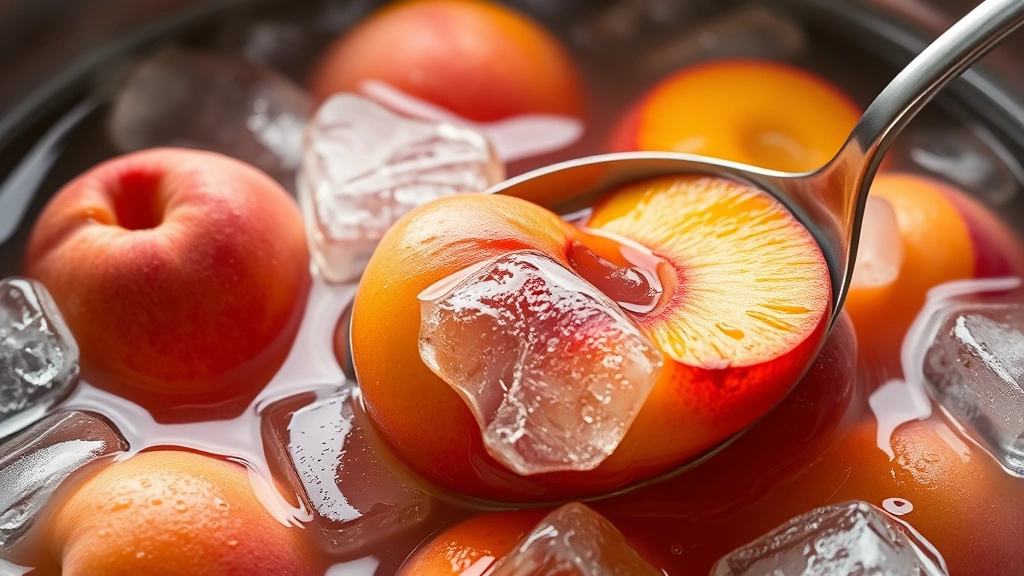
Blanching is the secret weapon for maintaining peach quality during freezing. This process involves briefly exposing the peaches to boiling water, which stops enzyme activity that causes degradation. Don’t skip this step—it makes a noticeable difference in flavor and texture after thawing.
Here’s how to blanch peaches:
- Bring a large pot of water to a rolling boil. You’ll need enough water to fully submerge your peaches.
- Using a slotted spoon, carefully place peaches into the boiling water. Work in batches of four to six at a time to maintain water temperature.
- Leave them in for 30 to 60 seconds. You’re looking for the skin to start loosening slightly—not cooking the fruit itself.
- Immediately transfer the blanched peaches to a bowl of ice water using your slotted spoon. This stops the cooking process instantly.
- Let them cool for several minutes until they’re comfortable to handle.
You’ll notice the skin practically slides off after blanching. This is exactly what you want. The brief heat exposure loosens the skin without affecting the fruit inside.
Freezing Methods: Which One Is Best?
There are several effective methods for freezing peaches, each with distinct advantages. The method you choose depends on your intended use and storage space.
Method 1: Tray Freezing (Flash Freezing)
This method gives you the most flexibility because individual peach pieces freeze separately before storage. After blanching and cooling, peel the peaches and remove the pits. Cut them into halves or slices, depending on your preference. Arrange the pieces on a baking sheet lined with parchment paper, ensuring they don’t touch. Freeze for two to four hours until solid, then transfer to freezer bags or containers. This approach prevents peaches from clumping together, making it easy to grab exactly what you need.
Method 2: Syrup Pack Freezing
Many people prefer this method because the sugar syrup protects peaches from freezer burn and maintains better texture. After peeling and pitting, prepare a light syrup by dissolving one cup of sugar in three cups of water (heat gently until sugar dissolves, then cool completely). Place peach halves or slices in freezer containers and pour the cooled syrup over them until covered, leaving about half an inch of headspace. The syrup keeps peaches plump and flavorful. This method works exceptionally well if you plan to use frozen peaches in desserts or preserves.
Method 3: Dry Pack Freezing
For a no-sugar option, simply peel, pit, and pack peaches directly into freezer containers without any liquid. This method is quickest and uses minimal storage space, though peaches are more susceptible to freezer burn. Dry pack works best if you’ll use the frozen peaches within three months and plan to use them in smoothies or cooked dishes where texture is less critical.
Storage Tips and Best Practices
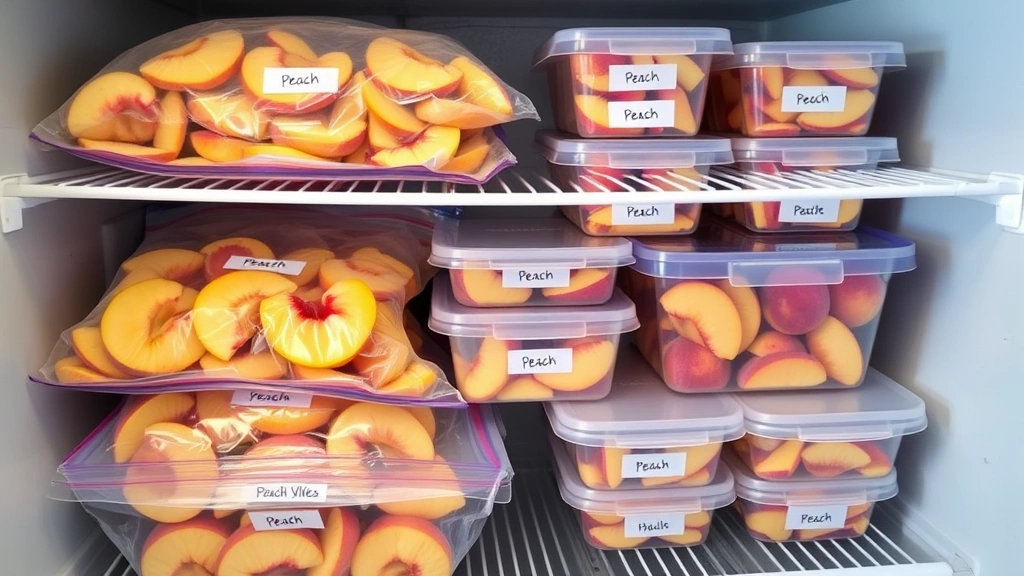
Proper storage determines how long your frozen peaches stay fresh and delicious. Invest in quality freezer containers or heavy-duty freezer bags designed to withstand long-term freezing. Regular plastic bags allow air infiltration, which causes freezer burn and flavor deterioration.
If using freezer bags, remove as much air as possible before sealing. A vacuum sealer works wonderfully, but you can also use the displacement method: partially seal the bag, insert a straw, suck out air, and quickly seal. Label everything with the date and contents. This seems obvious, but it’s easy to forget when you’re processing multiple batches.
Store frozen peaches at zero degrees Fahrenheit or lower. Most home freezers maintain this temperature, but check yours with a freezer thermometer to be sure. Frozen peaches keep for eight to twelve months, though quality gradually declines after six months. Plan accordingly and use older stock first.
Keep frozen peaches away from the freezer door, where temperature fluctuations occur. Store them toward the back or bottom of your freezer where temperature remains most stable. This prevents the freeze-thaw cycles that damage texture.
How to Thaw and Use Your Frozen Peaches
The thawing method depends on how you plan to use your peaches. For smoothies, you can often skip thawing entirely and blend frozen peaches directly into your drink. The texture will be different than fresh, but the flavor is wonderful and the result is naturally cold.
For baking or cooking, thaw peaches in the refrigerator overnight. This slow thawing preserves texture better than room-temperature thawing. If you’re in a hurry, place sealed bags in a bowl of cool water and change the water every thirty minutes. Never thaw peaches at room temperature for extended periods, as this promotes bacterial growth.
Once thawed, use peaches within one to two days. Don’t refreeze thawed peaches unless they’ve been incorporated into a cooked dish. If you’re making peach cobbler, pie, or jam, you can use frozen peaches directly from the freezer—no thawing necessary. In fact, frozen peaches work beautifully in baked goods because they release their juices gradually during cooking, creating incredible flavor.
Similar storage principles apply when you’re learning how to store strawberries or considering other fruit preservation methods. The fundamentals of freezing, thawing, and storage remain consistent across different produce types.
Common Mistakes to Avoid
Understanding what goes wrong helps you avoid problems. Here are the most common peach-freezing mistakes:
- Skipping blanching: Unblanched peaches deteriorate faster and develop off-flavors. The extra five minutes of blanching is absolutely worth it.
- Freezing unripe peaches: Peaches don’t ripen after freezing. If you freeze hard, unripe fruit, you’ll thaw hard, unripe fruit. Wait until they’re perfectly ripe.
- Inadequate air removal: Freezer burn ruins texture and flavor. Take time to remove air from bags and containers properly.
- Storing in the freezer door: Temperature fluctuations here cause ice crystal formation. Store peaches in the coldest part of your freezer.
- Overcrowding the freezer: Air needs to circulate for even, rapid freezing. Don’t jam everything in at once. Freeze in batches if necessary.
- Using regular plastic bags: Standard grocery bags aren’t designed for long-term freezing and allow air infiltration. Invest in proper freezer bags.
The learning curve for freezing peaches is gentle, but these mistakes are common even among experienced home cooks. Keep them in mind and you’ll achieve excellent results consistently.
If you’re interested in expanding your freezing repertoire, you might explore how to freeze green beans or investigate how to tell if a mango is ripe for other seasonal preservation projects. Each fruit and vegetable has unique requirements, but the foundational techniques transfer across different types of produce.
Frequently Asked Questions
Can you freeze peaches without blanching them?
Technically yes, but you shouldn’t. Blanching stops enzyme activity that causes flavor degradation and texture breakdown. Unblanched frozen peaches develop off-flavors and become mushy faster. The five-minute blanching step is essential for quality results.
Do frozen peaches need to be thawed before baking?
No. You can use frozen peaches directly in pies, cobblers, and other baked goods. In fact, many bakers prefer frozen peaches because they hold their shape better during baking and release juices gradually, creating more flavorful results. Add a few extra minutes to your baking time if using completely frozen fruit.
How long do frozen peaches last in the freezer?
Frozen peaches maintain good quality for eight to twelve months at zero degrees Fahrenheit or lower. After six months, quality gradually declines. For best results, use your frozen peaches within six months. Properly stored peaches won’t spoil after twelve months, but flavor and texture will be noticeably diminished.
Can you freeze peaches in juice instead of syrup?
Absolutely. Many people use white grape juice or apple juice as a lighter alternative to sugar syrup. The principle is identical—the liquid protects peaches from freezer burn and maintains texture. Use the same ratio: one cup juice to three cups water, cooled completely before pouring over peaches.
What’s the difference between freestone and clingstone peaches for freezing?
Freestone peaches have pits that separate easily from the flesh, making them much simpler to work with. Clingstone varieties have pits that stick stubbornly to the fruit, requiring more effort to remove. While you can freeze either type, freestone peaches are significantly easier to process. When shopping specifically for freezing, ask your produce vendor which variety they have.
Why did my frozen peaches turn brown?
Browning indicates oxidation, which occurs when peach flesh is exposed to air. This happens most commonly with unblanched peaches or fruit stored without proper air removal. Some browning is cosmetic and doesn’t affect safety, but it indicates quality degradation. Prevent this by blanching, removing air from storage containers, and using peaches within six months.
Can frozen peaches be used in smoothies?
Yes, frozen peaches are ideal for smoothies. You can blend them directly from frozen without thawing. They add natural creaminess and cold temperature to your drink while maintaining excellent flavor. In fact, many smoothie enthusiasts prefer frozen peaches to fresh because they eliminate the need for ice, which dilutes the drink.
Is it better to freeze peach halves or slices?
This depends on your intended use. Halves work well for baking and cooking because they’re easier to portion. Slices freeze faster and take up less storage space, and they’re convenient for smoothies and quick use. Most people find slices more practical for everyday use, but halves are better if you plan specific recipes requiring larger pieces.
Final Thoughts on Freezing Peaches
Freezing peaches is one of those kitchen skills that seems intimidating until you actually do it, then you wonder why you didn’t start sooner. The process is straightforward, the results are delicious, and the satisfaction of enjoying summery peaches in winter is genuinely unmatched. Whether you’re dealing with an abundant harvest or taking advantage of peak-season prices, this guide provides everything you need for success.
Start with a small batch to build confidence, then scale up once you understand the process. You’ll quickly develop a rhythm that makes processing pounds of peaches feel effortless. Before you know it, you’ll be a freezing enthusiast exploring how to preserve other seasonal favorites. For more preservation inspiration, check out resources like This Old House’s home guides, Family Handyman’s DIY articles, and Home Depot’s comprehensive how-to guides.
The beauty of knowing how to freeze peaches is the freedom it brings. You’re no longer limited to enjoying them during their brief season. You can capture that perfect summer flavor and enjoy it whenever inspiration strikes—whether that’s a spontaneous smoothie in February or a peach pie on a snowy December evening. That’s the real luxury of home food preservation.

Related Posts

How Long to Boil Lobster Tails: Cooking Guide

How Long to Fly from New York to London? Travel Times
