
How to Distill Water: Expert Guide
How to Distill Water: Expert Guide
Water is life’s most essential element, yet not all water is created equal. If you’ve ever wondered why some people swear by distilled water for their appliances, humidifiers, or even certain beverages, you’re touching on something genuinely important. Distilled water removes impurities, minerals, and contaminants that regular tap water carries, making it invaluable for everything from steam irons to laboratory work.
The beauty of distilling water at home? It’s simpler than you might think. Whether you’re concerned about mineral buildup in your coffee maker, need pure water for a specific project, or simply want to understand the science behind it, this guide walks you through every method available. We’ll cover the basics, explore multiple techniques, and answer the questions that keep popping up in your head.
Let’s dive into the practical world of water distillation and discover how you can create pure water right in your own kitchen.
What Is Distilled Water?
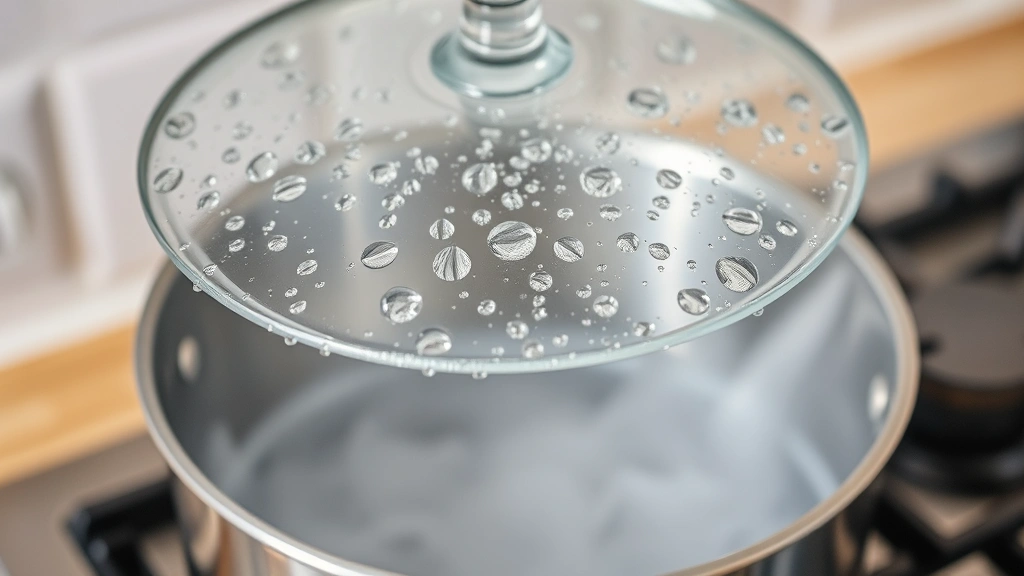
Distilled water is water that has undergone a purification process called distillation. During this process, water is heated until it becomes steam, then cooled and condensed back into liquid form. This journey removes virtually everything dissolved in the original water—minerals, salts, bacteria, and other impurities get left behind.
Think of it like this: when water evaporates naturally, only the water molecules escape as vapor. Everything else stays put. By capturing that vapor and letting it condense, you’re essentially recreating nature’s most efficient filtration system. The result is water so pure it’s used in batteries, steam irons, aquariums, and medical equipment.
The pH of distilled water is slightly acidic (around 5.8), which happens because carbon dioxide from the air dissolves into it after condensation. This is completely normal and not harmful for most household uses.
Why Distill Water at Home?
Several compelling reasons make home water distillation worth considering. First, there’s the financial angle. Store-bought distilled water costs money every single time you need it. When you learn how to make distilled water yourself, you eliminate those recurring expenses.
Second, appliance longevity matters. Minerals in tap water build up inside your humidifiers, steam irons, and coffee makers, reducing their lifespan and efficiency. Using distilled water prevents this mineral accumulation. If you’re particular about your morning ritual, you’ll appreciate knowing that how to clean coffee maker components becomes less urgent when you use distilled water from the start.
Third, pure water serves practical purposes beyond household appliances. Gardeners use it for sensitive plants, aquarium enthusiasts rely on it for their tanks, and people with specific health concerns prefer it. Having the ability to create distilled water on demand gives you control over your water quality.
Environmental consciousness plays a role too. Instead of purchasing plastic bottles repeatedly, you’re reducing waste by producing what you need at home.
The Stovetop Method
This is the most accessible approach for most people. You probably have everything you need in your kitchen right now. Here’s the step-by-step process:
What You’ll Need:
- Large pot with a lid (stainless steel works best)
- Glass bowl or heat-safe container that fits inside the pot
- Ice cubes or cold water
- Tap water
- Thermometer (optional but helpful)
The Process:
- Fill your large pot with about two inches of tap water. This creates the heating medium.
- Place the glass bowl in the center of the pot, making sure it doesn’t touch the bottom or sides. The bowl will collect your distilled water.
- Fill the pot with water until it reaches just below the rim of the glass bowl. The water shouldn’t overflow into your collection bowl.
- Invert the pot’s lid and place it on top. The goal is to create a dome that directs steam downward.
- Turn your stove to medium-high heat. You’re aiming for a gentle boil, not a rolling boil that creates too much turbulence.
- Once steam forms, place ice cubes or a bag of ice on top of the inverted lid. The cold surface causes steam to condense immediately.
- Let this run for about 20-30 minutes. You should see water dripping into your collection bowl.
- Turn off the heat and carefully remove the lid using oven mitts—it’ll be extremely hot.
- Remove the bowl of distilled water and let it cool before transferring to storage containers.
The beauty of this method? You can see the process happening. The ice melts as steam condenses against the cold lid, and water droplets form and fall into your collection bowl. It’s straightforward, requires no special equipment, and produces genuinely pure water.
One practical tip: the first bit of water that collects often contains more impurities, so consider discarding the first few tablespoons. As the process continues, the water becomes progressively purer.
Using a Water Distiller Machine
If you’re planning to distill water regularly, a countertop water distiller machine might be your answer. These devices automate the entire process, taking the guesswork out of temperature and timing.
How They Work:
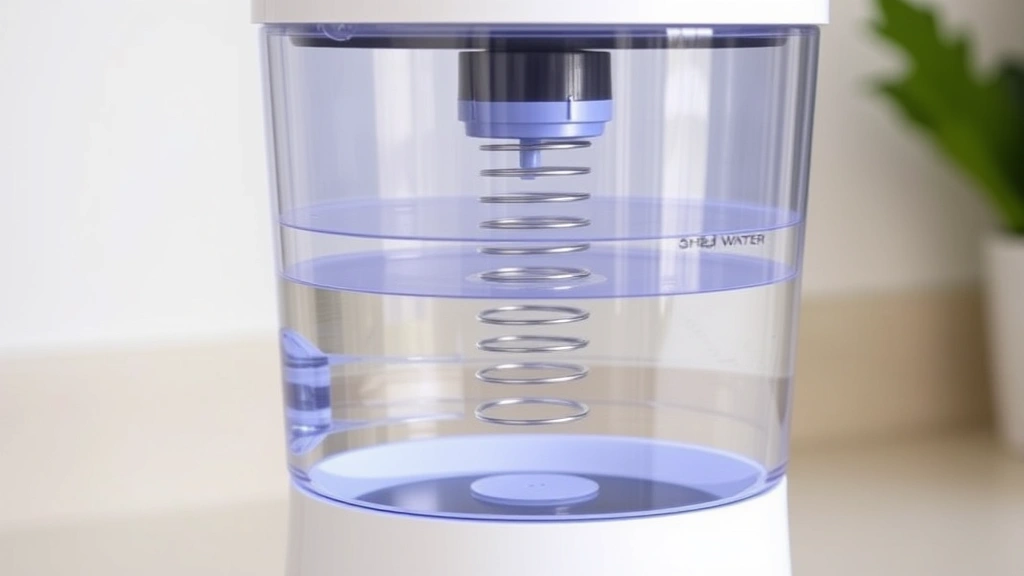
Electric water distillers heat water to boiling, capture the steam, cool it through a condensing chamber, and collect the pure water in a reservoir. Most models include a carbon filter that removes any remaining volatile compounds. You simply fill the tank, press a button, and wait.
Advantages:
- Fully automated—no monitoring required
- Produces consistent results every time
- Many models include built-in mineral removal and filtering
- Faster than stovetop methods for larger quantities
- Some include automatic shutoff features
Considerations:
- Higher upfront cost (typically $100-300)
- Requires counter or storage space
- Uses electricity continuously during operation
- Needs periodic cleaning and maintenance
These machines are ideal if you need distilled water regularly. They’re particularly popular among people who how to make French press coffee with precise water specifications or maintain sensitive equipment that demands pure water.
The Solar Distillation Approach
For those interested in sustainable, energy-free water distillation, solar distillation offers an intriguing option. This method harnesses the sun’s natural heat to evaporate and condense water.
Building a Simple Solar Still:
- Use a clear plastic sheet or glass pane
- Dig a shallow pit or use a wide, shallow container
- Place a collection bowl in the center
- Pour tap water around (but not in) the collection bowl
- Cover with the clear plastic, creating a tent-like structure
- Seal the edges with soil or tape
- The sun heats the water, creating steam that condenses on the plastic and drips into your collection bowl
This method works but moves slowly. On a sunny day, you might collect a cup of distilled water over several hours. It’s more of a curiosity or emergency backup than a primary solution, but it demonstrates the principle beautifully and costs almost nothing.
Comparing Your Options
Each distillation method serves different needs. Your choice depends on frequency of use, available space, budget, and how much water you need.
Stovetop Method: Perfect for occasional use, minimal cost, requires active monitoring. Best for people who distill water once or twice a month.
Electric Distiller: Ideal for regular use, set-and-forget convenience, higher cost. Best for those needing distilled water weekly or more frequently.
Solar Still: Zero operating cost, slow production, weather-dependent. Best for experimental purposes or emergency backup.
For most households, the stovetop method handles occasional needs perfectly. If you’re maintaining a how to use a French press with exacting standards or operating multiple appliances that benefit from pure water, an electric distiller makes economic sense over time.
Storage and Safety Tips
Once you’ve created your distilled water, proper storage ensures it remains pure and safe to use.
Storage Guidelines:
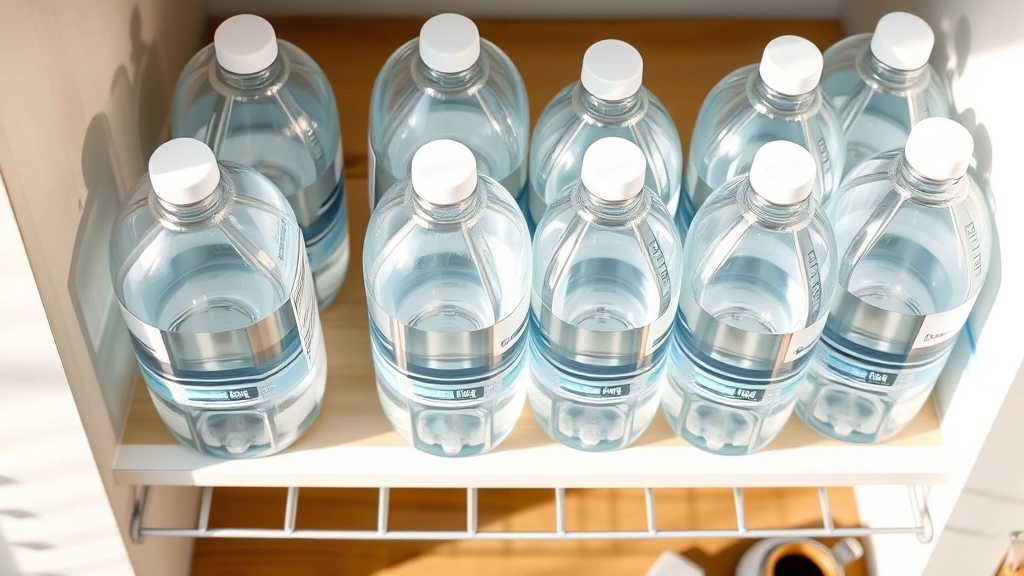
- Use clean glass or food-grade plastic containers
- Store in a cool, dark location away from direct sunlight
- Keep containers sealed to prevent contamination and dust
- Distilled water can be stored indefinitely if kept sealed and clean
- If stored for months, check for any cloudiness or odor before use
Safety Considerations:
- Never drink large quantities of distilled water exclusively. It lacks minerals your body needs. Use it for appliances and specific purposes instead.
- When using the stovetop method, be cautious of steam burns. Keep hands and face away from rising steam.
- Allow all equipment to cool completely before handling.
- Use oven mitts when removing hot pots or lids.
- Ensure your collection bowl is heat-safe glass, not plastic that might leach chemicals at high temperatures.
Many people wonder about drinking distilled water. While it’s safe in moderation, it lacks the beneficial minerals found in spring or mineral water. For everyday hydration, stick with regular filtered or tap water. Reserve distilled water for appliances and specialized applications.
If you’re interested in water quality for beverages, you might also explore how to how to make almond milk or other homemade drinks where water quality matters. Understanding water purity helps you make informed choices across all your kitchen projects.
Frequently Asked Questions
Is distilled water the same as purified water?
Not exactly. Distilled water is one type of purified water created through distillation. Purified water is a broader category that includes water treated by various methods (distillation, reverse osmosis, deionization, etc.). All distilled water is purified, but not all purified water is distilled. For most household applications, they’re interchangeable, but the distinction matters in technical contexts.
How long does homemade distilled water last?
Properly stored distilled water lasts indefinitely. Since the distillation process removes virtually all impurities and microorganisms, there’s nothing to decay or spoil. Store it in sealed, clean containers away from light and contaminants. Some people store distilled water for years without issues.
Can I distill water multiple times?
Yes, you can distill already-distilled water, though there’s minimal benefit. Once water is distilled, it’s already extremely pure. Re-distilling won’t improve it significantly. One distillation cycle is sufficient for all practical purposes.
How much distilled water does the stovetop method produce?
In a 20-30 minute session, you can typically collect one to two cups of distilled water, depending on your pot size and heat level. For larger quantities, run multiple batches or invest in an electric distiller.
Why does distilled water taste flat?
Distilled water tastes flat because it lacks minerals like calcium and magnesium that contribute to water’s taste. This is why it’s not ideal for drinking—not for safety reasons, but for palatability. Regular tap water contains these minerals, giving it more flavor.
Can I use distilled water in all my appliances?
Yes, and it’s actually recommended for steam irons, humidifiers, CPAP machines, and other devices where mineral buildup causes problems. However, check your appliance’s manual for specific recommendations. Most benefit from distilled water, but some may have particular requirements.
What’s the cost difference between homemade and store-bought distilled water?
Store-bought distilled water typically costs $0.50-$1.50 per gallon. Homemade distilled water costs only the price of the electricity used, which is negligible—usually less than a penny per gallon. The stovetop method costs virtually nothing since you’re just using your stove.
Is it safe to use the same pot for cooking after distilling water?
Absolutely. Wash the pot normally after distilling water, and it’s perfectly safe for cooking. The distillation process doesn’t leave any harmful residue. You’re simply boiling water in the pot—there’s nothing unsafe about reusing it.

Related Posts

How Long to Boil Lobster Tails: Cooking Guide

How Long to Fly from New York to London? Travel Times
