
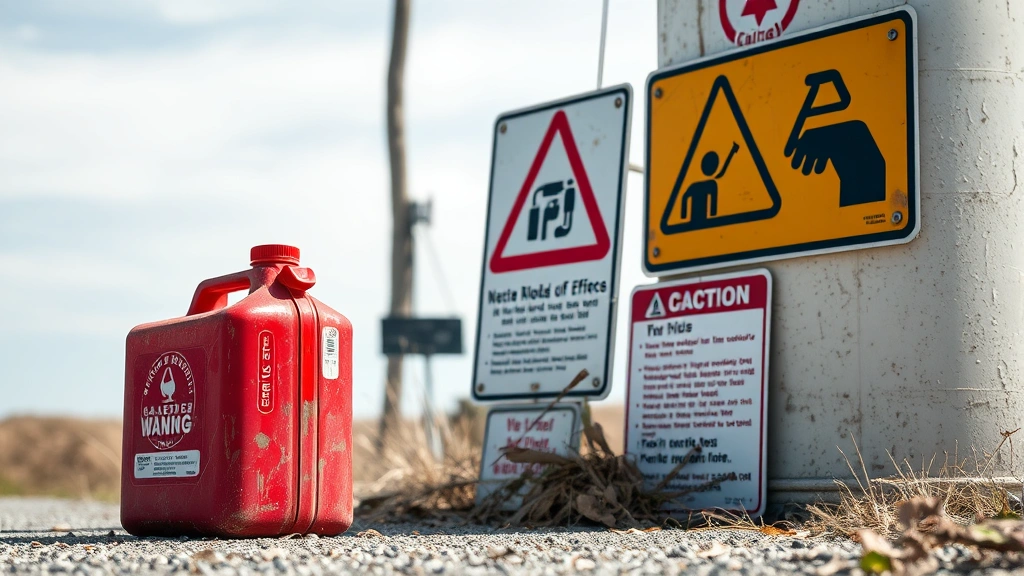
How to Dispose of Old Gasoline Safely
How to Dispose of Old Gasoline Safely: A Complete Guide
That half-empty gas can sitting in your garage for the past two years? Yeah, we need to talk about that. Old gasoline isn’t just useless—it’s a legitimate hazard that deserves proper handling. Whether you’re cleaning out the shed, preparing for a move, or dealing with fuel left over from last season’s equipment, knowing how to dispose of old gasoline safely protects your family, your property, and the environment.
Most people don’t realize that gasoline degrades over time, becoming increasingly unstable and dangerous. Oxidation occurs, water accumulates, and the fuel loses its combustibility. This degraded fuel can damage engines, create fire hazards, and contaminate groundwater if disposed of improperly. The good news? Getting rid of old gasoline is straightforward when you follow the right steps.
This guide walks you through everything you need to know about safe gasoline disposal, from identifying when fuel has gone bad to finding local recycling facilities and handling the process like a pro.
How to Identify Old or Bad Gasoline
Before you can dispose of old gasoline, you need to confirm that’s actually what you’ve got. Fresh gasoline has a distinctive sharp, pungent smell and a clear appearance. Old fuel tells a different story entirely.
Visual signs of degraded gasoline include:
- Cloudy or murky appearance instead of clear liquid
- Visible sediment or particles floating in the container
- A darker color, ranging from amber to brown
- Sludge or gummy residue at the bottom of the tank or can
Olfactory clues matter too. Bad gasoline develops a stale, varnish-like smell that’s distinctly different from fresh fuel. If you’ve stored gas longer than six months to a year, it’s probably time for disposal. Fuel stored in unsealed containers degrades even faster because it oxidizes when exposed to air.
The real problem happens inside engines. Old gas can cause hard starting, rough idling, fuel filter clogging, and injector buildup. In lawn equipment and small engines, degraded fuel causes even worse damage because these engines are less forgiving than car engines. If you’re planning to perform regular maintenance on your vehicles, understanding fuel quality becomes part of that routine—similar to how you’d approach checking your transmission fluid level or other critical fluids.
Safety Preparation and Precautions
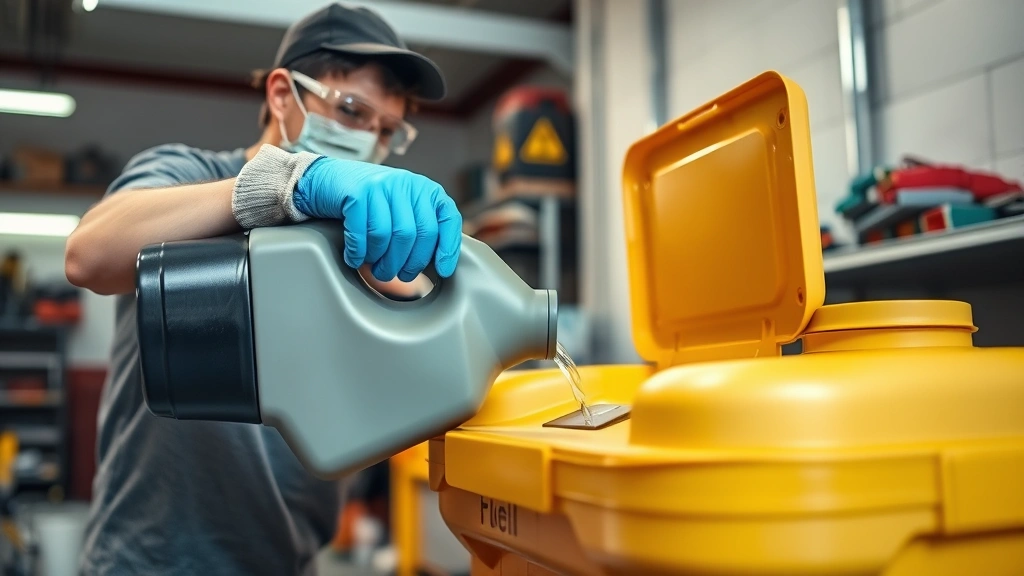
Gasoline is flammable, volatile, and potentially toxic. Treating it with respect during disposal isn’t optional—it’s essential. Before you even think about moving that gas can, establish a safe working environment.
Gather your safety equipment:
- Safety glasses or goggles to protect your eyes
- Nitrile or chemical-resistant gloves (not latex—gasoline eats through it)
- A respirator or N95 mask if you’re working in an enclosed space
- Closed-toe shoes with good grip
- A fire extinguisher rated for flammable liquids (Class B)
Choose your workspace wisely. Work outdoors in a well-ventilated area, away from ignition sources like sparks, open flames, hot surfaces, or electrical equipment. Don’t work near your home’s air intake vents. Keep children and pets away from the area. If you’re working in a garage, open all doors and windows, and consider turning off any pilot lights.
Never smoke while handling gasoline. Don’t use your phone or create static electricity by touching metal surfaces unnecessarily. Static discharge can ignite gasoline vapors—it’s not just a myth, it’s a real hazard. Wear your gloves throughout the process to minimize skin contact.
Safe Disposal Methods
You have several legitimate options for getting rid of old gasoline. The best choice depends on your location, the quantity of fuel, and what resources are available nearby.
Option 1: Take It to a Hazardous Waste Facility
This is the gold standard for gasoline disposal. Most communities maintain hazardous waste collection centers that accept old fuel at no cost or for a minimal fee. These facilities have the proper equipment and expertise to handle fuel safely. How to dispose of old gas through these centers is straightforward—simply call ahead to confirm hours and requirements, then bring your fuel in an approved container.
Before heading to the facility, confirm they accept gasoline and ask about container requirements. Some facilities require fuel to be in specific types of containers. Check with your local solid waste management office or visit Earth911.com to find facilities in your area.
Option 2: Local Gas Stations
Many gas stations accept old fuel from customers, though policies vary widely. Call ahead before showing up with your container. Some stations charge a small fee while others do it for free. When you arrive, bring your fuel in a sealed, clearly labeled container and speak with an attendant about their process. They’ll direct you to the proper disposal area.
This option works best for small quantities. If you’re disposing of more than a few gallons, a hazardous waste facility is typically better equipped to handle the volume.
Option 3: Automotive Service Centers
Your local auto repair shop, oil change facility, or dealership may accept old gasoline. These businesses handle fuel regularly and often have disposal contracts with waste management companies. Call and ask if they offer this service. Some might charge a fee, while others provide it as a courtesy to customers.
Option 4: Fuel Recycling Programs
Some communities run specialized fuel recycling programs. These programs accept old gasoline and either recycle it or dispose of it responsibly. Check with your city or county environmental department to learn if such a program exists in your area.
What NOT to Do
Never pour gasoline down the drain, into the soil, or into storm drains. This contaminates groundwater and violates environmental protection laws. Never burn old gasoline in a barrel or fire pit—the fumes are dangerous and the practice is illegal in most jurisdictions. Don’t mix gasoline with other chemicals or fluids hoping to dilute it. Don’t leave old fuel sitting indefinitely—dispose of it promptly.
Finding Local Disposal Facilities
Locating a proper disposal facility takes just a few minutes of research. Start by calling your city or county public works department. They maintain lists of hazardous waste collection sites and can tell you exactly where to go and what to bring.
Online resources make the search even easier. The EPA’s hazardous waste page provides guidance, and Earth911.com has a searchable database of recycling facilities organized by material type and location.
When you call a facility, ask these questions:
- Do you accept gasoline?
- What are your hours of operation?
- Is there a cost?
- What type of container do you require?
- How much fuel can I bring per visit?
- Do I need an appointment?
- Can I bring fuel in a gas can, or must it be in a sealed container?
Write down the answers and follow the facility’s specific instructions. Different locations have different protocols, and following their guidelines ensures a smooth process.
Preventing Gas from Going Bad
The best disposal is the one you never need to perform. Proper fuel storage prevents degradation and keeps your equipment running smoothly. This connects to broader maintenance practices—just as you’d learn how to change transmission fluid or how to charge a car battery to keep your vehicle healthy, storing fuel properly prevents costly problems down the road.
Storage best practices:
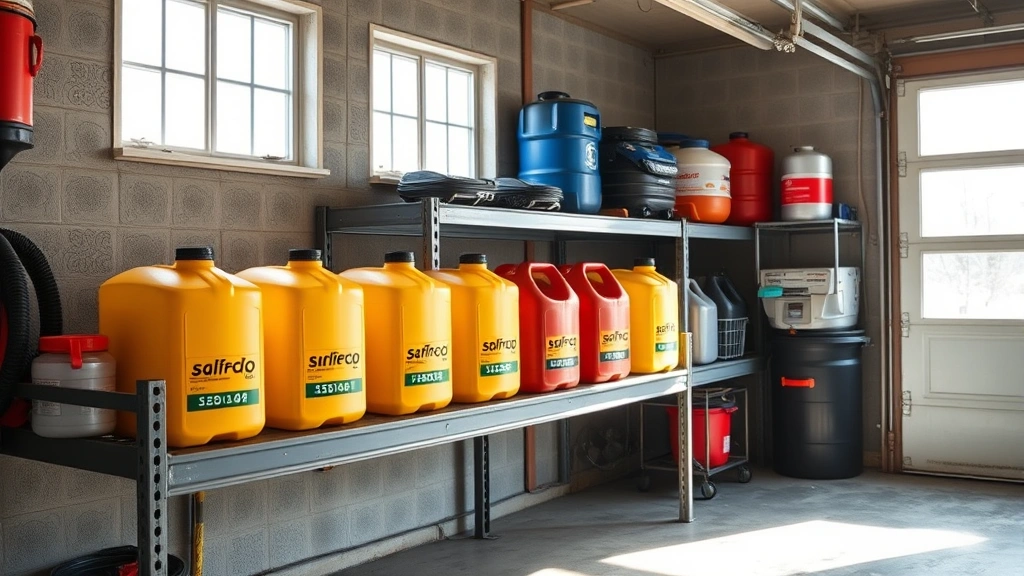
- Use approved containers: Store gasoline only in containers specifically designed for fuel storage. These containers have proper seals to minimize oxidation.
- Keep it sealed: Always cap containers tightly. Exposure to air accelerates degradation.
- Choose a cool location: Store fuel in a cool, well-ventilated area away from direct sunlight. Heat accelerates oxidation.
- Avoid moisture: Water accumulation in fuel tanks causes corrosion and fuel degradation. Store containers upright on a stable surface.
- Use fuel stabilizer: If you’re storing gasoline for an extended period—say, preparing equipment for winter storage—add a fuel stabilizer according to product instructions. This slows oxidation significantly.
- Rotate stock: If you store fuel regularly, use the oldest fuel first. Treat it like groceries—FIFO (first in, first out).
- Limit storage duration: Plan to use stored gasoline within six to twelve months. For longer-term storage, fuel stabilizer is essential.
For lawn equipment and seasonal tools, consider draining the fuel tank completely before storage rather than leaving gas inside. Run the engine until it stops to clear fuel from the carburetor. This prevents varnish buildup and makes spring startup much easier. If you’re maintaining a fleet of seasonal equipment, this practice saves time and money on repairs.
Proper fuel storage also relates to tire maintenance and other seasonal equipment care. When you’re learning how to rotate tires as part of regular vehicle maintenance, you’re building the same mindset of preventive care that applies to fuel management.
Frequently Asked Questions
How long can gasoline be stored before it goes bad?
Gasoline stored in a sealed container typically remains usable for six to twelve months. After that, oxidation accelerates and fuel quality deteriorates. Fuel stabilizers can extend this window to up to three years, but they’re not a permanent solution. Gasoline stored in unsealed containers or exposed to heat and sunlight degrades much faster—sometimes in just a few weeks.
Can I mix old gasoline with new gasoline?
Mixing old and new gasoline dilutes the problem but doesn’t solve it. You’ll end up with a large quantity of mediocre fuel that might cause engine issues. It’s better to dispose of the old fuel properly and start fresh. If you absolutely must combine them, use the mixture in equipment with forgiving engines rather than in your primary vehicle.
Is it safe to use old gasoline in a lawn mower?
Using slightly old gasoline in a lawn mower is generally safer than using it in a car engine because lawn mowers have simpler fuel systems. However, if the fuel is heavily degraded—showing cloudiness, sediment, or a strong varnish smell—it will cause starting problems, poor performance, and potential damage. When in doubt, dispose of it properly rather than risk damaging equipment.
What should I do if I spill gasoline?
If you spill a small amount, immediately move to a safe location away from ignition sources. For spills on pavement, use absorbent materials like sand, kitty litter, or commercial absorbent products. Never use water—it doesn’t mix with gasoline and spreads the spill. Once absorbed, sweep the material into a container and dispose of it as hazardous waste. For larger spills, especially on soil or near water, call your local hazardous materials team or environmental agency immediately.
Can I dispose of gasoline in my regular trash?
Absolutely not. Gasoline is a hazardous material that must never go in regular trash. This violates environmental laws and creates serious safety risks for sanitation workers and the community. Always use authorized disposal methods.
What’s the difference between old gasoline and diesel fuel disposal?
While both are petroleum products, they have different disposal requirements. Diesel fuel is less volatile and doesn’t degrade as quickly as gasoline. However, it still requires proper disposal through hazardous waste facilities or authorized recyclers. When you call a facility, specify whether you’re disposing of gasoline or diesel—they have different handling procedures.
Do I need special permits to dispose of gasoline at home?
You don’t need a permit to dispose of small quantities of gasoline through authorized facilities. However, if you’re a business generating large volumes of waste fuel, you may need to register as a hazardous waste generator and follow specific EPA regulations. Contact your local environmental agency for guidance on your specific situation.
Is it ever acceptable to burn old gasoline?
No. Burning gasoline—even old gasoline—is dangerous and illegal in most jurisdictions. Gasoline vapors ignite easily, creating serious fire hazards. Burning fuel also releases harmful emissions into the atmosphere. Always dispose of gasoline through proper channels.
For additional guidance on hazardous waste disposal, consult Family Handyman’s maintenance guides and Home Depot’s maintenance resources. These sources provide comprehensive information on handling various household hazardous materials safely.
Final Thoughts
Disposing of old gasoline safely isn’t complicated—it just requires a bit of planning and respect for the material. By identifying degraded fuel, taking proper safety precautions, and using an authorized disposal method, you’ll protect your family, your equipment, and the environment. Whether you’re clearing out the garage, maintaining seasonal equipment, or simply being responsible with household hazardous materials, these practices ensure peace of mind. Take action today, and you’ll never have to worry about that mysterious gas can again.

Related Posts

How Long to Boil Lobster Tails: Cooking Guide

How Long to Fly from New York to London? Travel Times
