
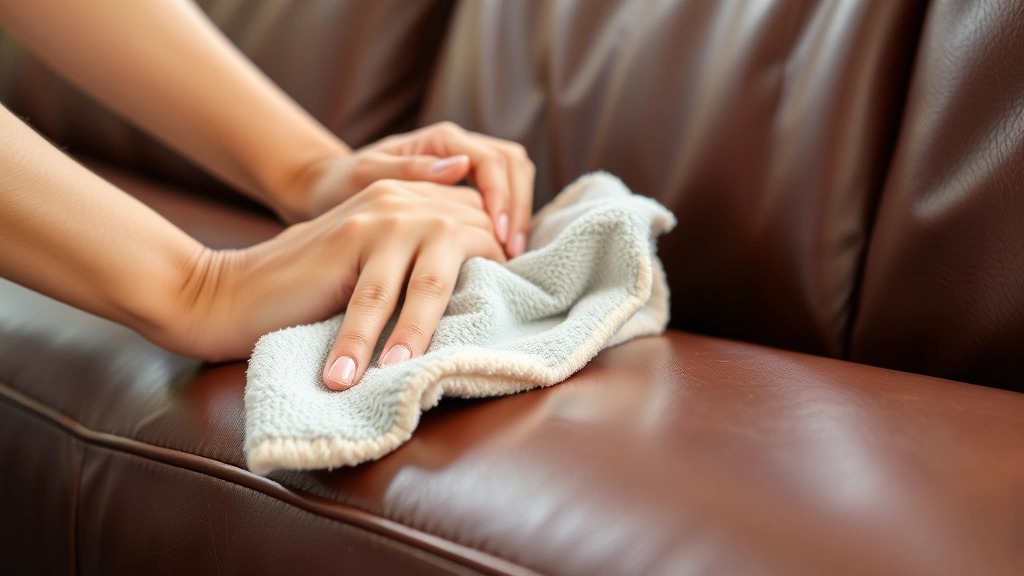
How to Clean Leather: Expert Tips & Techniques
How to Clean Leather: Expert Tips & Techniques for Long-Lasting Results
Leather is one of those materials that looks absolutely stunning when it’s well-maintained, but can deteriorate quickly without proper care. Whether you’re protecting a cherished leather jacket, restoring vintage furniture, or keeping your leather sofa looking pristine, understanding the fundamentals of leather cleaning is essential. The good news? It’s far simpler than most people think, and you probably already have most of the supplies you need at home.
The challenge with leather isn’t that it requires complicated procedures—it’s that leather comes in different types and finishes, each with slightly different care requirements. Full-grain leather behaves differently than suede, and aniline leather needs a different approach than protected leather. This guide will walk you through everything you need to know, breaking down the science behind leather care so you can confidently clean and maintain any leather item in your home.
What makes leather special is its porous nature. Unlike plastic or synthetic materials, leather actually breathes and develops character over time. This is beautiful, but it also means dirt, oils, and moisture can penetrate the surface more easily than with other materials. The key to keeping your leather looking magnificent is regular maintenance and knowing exactly what products and techniques work best for different situations.
Understanding Your Leather Type
Before you grab a cleaning product, you need to identify what type of leather you’re working with. This is absolutely crucial because using the wrong technique on the wrong leather type can cause permanent damage. Full-grain leather, which includes the entire thickness of the hide with all its natural markings, is the most durable and easiest to clean. It’s what you’ll find on quality furniture and premium leather jackets.
Top-grain leather is sanded and refinished, making it more uniform in appearance but slightly less durable than full-grain. Genuine leather is a catch-all term that technically includes all real leather, but in marketing it often refers to lower-quality leather with a synthetic coating. Then there’s suede and nubuck, which have a velvety texture and require completely different cleaning approaches because they’re not sealed like other leathers.
Aniline leather is dyed throughout without a protective surface coating, which makes it more susceptible to staining but also gives it a more natural appearance. Protected leather has a protective layer applied, making it more stain-resistant but potentially less breathable. The best way to determine your leather type is to check the manufacturer’s label or documentation, but if that’s not available, a simple water droplet test can help—if water beads up, it’s protected leather; if it absorbs quickly, it’s likely aniline.
Essential Cleaning Supplies
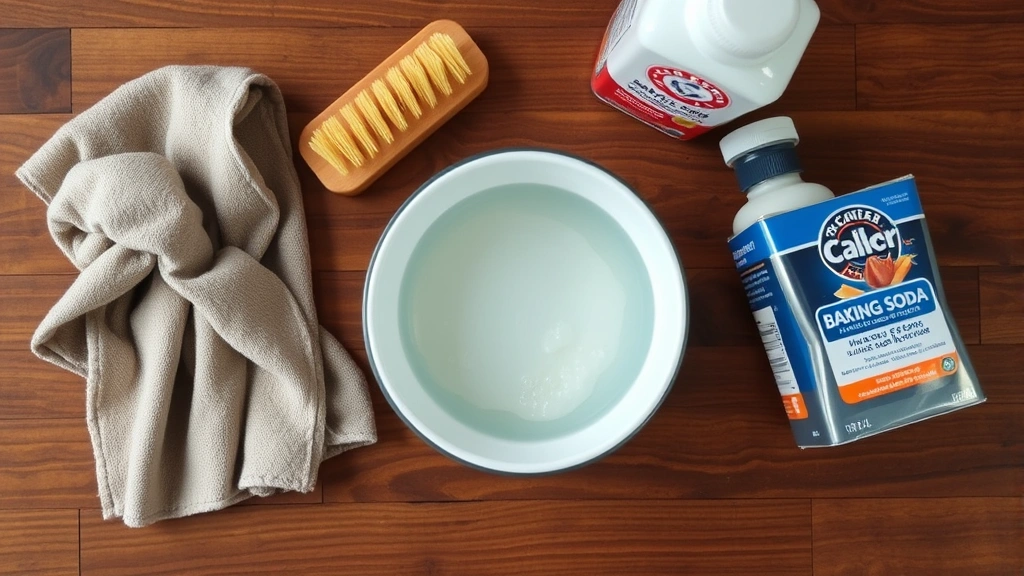
You don’t need a cabinet full of expensive products to clean leather effectively. In fact, some of the best solutions are already in your kitchen. Let’s talk about what actually works:
- Mild soap or leather cleaner: A pH-balanced leather cleaner is ideal, but in a pinch, a few drops of dish soap mixed with water works surprisingly well for general cleaning
- Distilled water: Regular tap water can leave mineral deposits, so distilled water is worth having on hand
- Soft cloths: Microfiber cloths are perfect because they don’t scratch and absorb moisture effectively
- Soft-bristled brush: For textured leather or suede, a soft brush helps lift dirt without damaging fibers
- Leather conditioner: This replenishes natural oils and keeps leather supple
- Vinegar solution: Equal parts white vinegar and water works wonders for certain stains
- Baking soda: Excellent for absorbing odors and handling oily stains
- Rubbing alcohol: Helpful for ink and stubborn marks on protected leather
When shopping for leather cleaners, look for products specifically formulated for leather rather than all-purpose cleaners. Brands like Home Depot’s leather care section offers excellent options, and you can also find professional-grade products from leather specialists. The investment in quality products is minimal compared to the cost of replacing damaged leather items.
Step-by-Step Cleaning Process
Now let’s get into the actual cleaning. The process is straightforward but requires patience and attention to detail. Start by vacuuming or dry-brushing your leather item to remove surface dust and debris. Use a soft-bristled brush in circular motions, paying special attention to seams and crevices where dirt accumulates. This step prevents you from grinding dirt into the leather when you apply liquid cleaners.
Next, prepare your cleaning solution. For general cleaning, mix a few drops of mild dish soap with distilled water—you want it sudsy but not soapy. Dip a soft cloth into the solution and wring it out thoroughly so it’s barely damp, not wet. Leather and excess moisture aren’t friends. Working in small sections, gently wipe the leather surface with circular motions. Let the cloth do the work; don’t scrub aggressively.
After cleaning with soap solution, use a fresh cloth dampened with plain distilled water to remove any soap residue. This is an often-skipped step that’s actually quite important because soap buildup can dull the leather’s appearance. Wipe until the cloth comes away clean with no soapy residue visible.
For leather furniture like couches and chairs, you might also consider how stain removal techniques for fabrics can inform your approach, though leather requires gentler handling. The principles of blotting rather than rubbing and working from the outside of a stain inward apply to leather as well.
Dealing with Specific Stains
Different stains require different tactics. Let’s address the most common culprits:
Oil and Grease Stains: These are actually easier to handle than you might think. Sprinkle baking soda generously over the stain and let it sit for 24 hours—the baking soda will absorb the oil. Brush away the powder with a soft brush, then clean the area with your soap solution. For stubborn grease, you can also try a small amount of rubbing alcohol on a cloth.
Water Stains and Ring Marks: These appear when water dries unevenly on leather. Use a cloth slightly dampened with distilled water to dampen the entire area around the stain, then let it dry naturally. This helps the leather dry evenly. If the stain persists, a mixture of equal parts white vinegar and water applied with a cloth can help lighten it.
Ink and Pen Marks: Test rubbing alcohol on an inconspicuous area first, then apply a small amount to a cloth and dab the stain gently. Don’t rub—just dab and let the alcohol work. For ballpoint pen, this method usually works within a few applications.
Mold and Mildew: Wipe with a cloth dampened in equal parts vinegar and water. For heavier mold, you might need to use a soft brush. After cleaning, ensure the item dries completely in a well-ventilated area.
Salt Stains: If you’ve been caught in salty conditions (like winter snow), mix equal parts water and vinegar and wipe the affected areas. This dissolves and removes salt deposits.
Conditioning and Protection
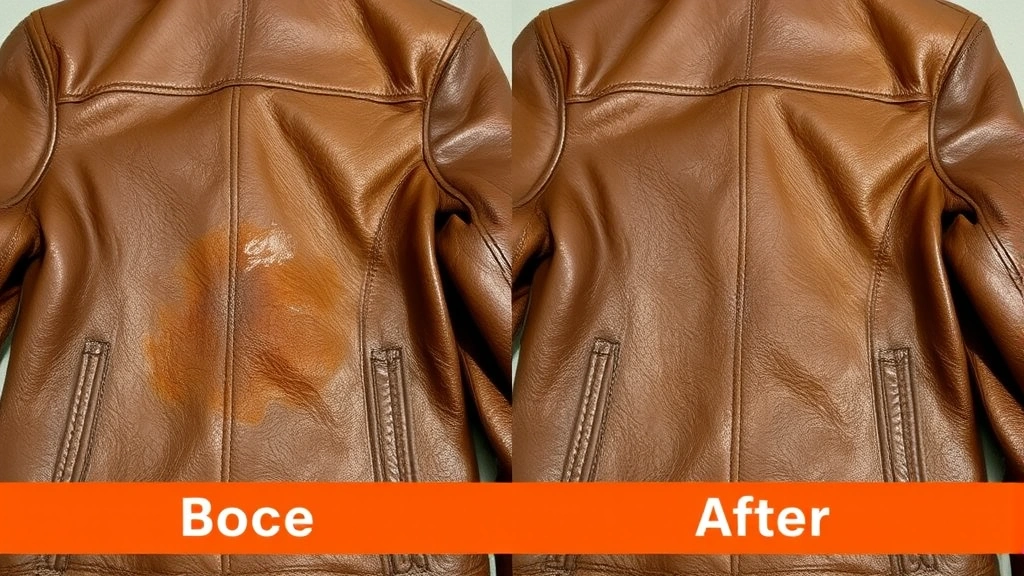
Cleaning is only half the equation. Conditioning is what keeps leather looking supple and prevents it from cracking. Leather naturally loses moisture over time, which causes it to become brittle. A good conditioner replenishes these oils and creates a protective barrier against future stains.
Apply conditioner every 6-12 months, depending on how much the leather is used and exposed to environmental factors. Use a soft cloth to apply a thin, even layer of conditioner, working in circular motions. Don’t oversaturate—you want the leather to absorb the conditioner, not sit in it. Let it absorb for 15-20 minutes, then buff away any excess with a clean cloth.
For items like Uggs and other suede leather boots, conditioning is particularly important because the material is more delicate and prone to drying out. Similarly, if you have brass hardware on leather items, you’ll want to be careful not to get conditioner on the metal fixtures, though gentle cleaning won’t hurt them.
Protective sprays designed for leather can add an extra layer of defense against stains and water damage. These work by creating a microscopic barrier on the leather surface. Apply these products in a well-ventilated area and follow the manufacturer’s instructions carefully. Many professionals recommend applying a protective spray after conditioning for maximum protection.
Drying and Storage
How you dry leather after cleaning is just as important as the cleaning itself. Never use direct heat like hair dryers or place leather near radiators or heating vents. Heat causes leather to shrink and become brittle. Instead, pat leather dry with a soft cloth and allow it to air dry naturally at room temperature, away from direct sunlight.
If your leather item gets soaking wet, stuff it loosely with newspaper to help absorb moisture, changing the newspaper every few hours. Once mostly dry, apply conditioner to prevent the leather from becoming stiff.
For storage, keep leather in a cool, dry place with moderate humidity—not in a basement where moisture accumulates or an attic where it’s too hot. Use breathable storage bags rather than plastic, which can trap moisture and encourage mold growth. Avoid folding leather for extended periods, as this can create permanent creases. Instead, hang items like jackets or store them flat when possible.
If you’re storing leather furniture, cover it with a breathable cloth rather than plastic sheeting. Leather needs to breathe even in storage. For smaller items like wallets or bags, consider storing them with acid-free tissue paper to help maintain their shape and absorb any excess moisture.
For those who also care for fine items, you might appreciate learning about cleaning sterling silver, as proper storage and maintenance principles apply across different materials. The fundamental concept is that all quality items benefit from regular, gentle care rather than neglect followed by intensive restoration.
Frequently Asked Questions
Can I use baby wipes on leather?
While baby wipes won’t damage most protected leather, they’re not ideal because they often contain oils and perfumes that can leave residue. For quick cleanups, a slightly dampened microfiber cloth is better, though baby wipes work in a pinch if that’s all you have available.
What’s the difference between cleaning and conditioning?
Cleaning removes dirt and stains from the surface and pores of leather. Conditioning replenishes natural oils that leather loses over time, keeping it soft and preventing cracks. Both are necessary for complete leather care—cleaning without conditioning leaves leather dry, while conditioning without cleaning traps dirt beneath the conditioner.
How often should I clean my leather furniture?
For light use, vacuuming monthly and deep cleaning quarterly is usually sufficient. For heavily used furniture, monthly deep cleaning is better. The more your leather is used, the more frequently it needs attention.
Is white vinegar safe for all leather types?
Vinegar works well on protected leather but should be tested on aniline leather first. Always dilute vinegar (equal parts water) and never use it undiluted on any leather. It’s acidic and can damage leather if used incorrectly.
Can I wash leather in the washing machine?
Absolutely not. Machine washing will damage leather permanently by causing shrinkage, stretching, and color bleeding. Always clean leather by hand with minimal moisture.
What should I do if leather gets wet in the rain?
Pat it dry gently with a soft cloth and allow it to air dry completely at room temperature, away from direct heat. Once dry, apply conditioner to prevent stiffness. If your leather item gets soaked, stuff it with newspaper to absorb moisture from the inside.
How can I remove odors from leather?
Baking soda is your best friend for odor removal. Sprinkle it on the leather surface, let it sit for several hours or overnight, then brush it away. For enclosed items like bags, place them in a sealed container with an open box of baking soda for 24-48 hours.
Is it normal for leather to change color over time?
Yes, leather naturally develops a patina—a darkening and color variation that many people find attractive. This is especially true for aniline leather. It’s not damage; it’s character development. However, if color change is dramatic or uneven, it might indicate sun damage or improper care, in which case conditioning can help.

Related Posts

How Long to Boil Lobster Tails: Cooking Guide

How Long to Fly from New York to London? Travel Times
