
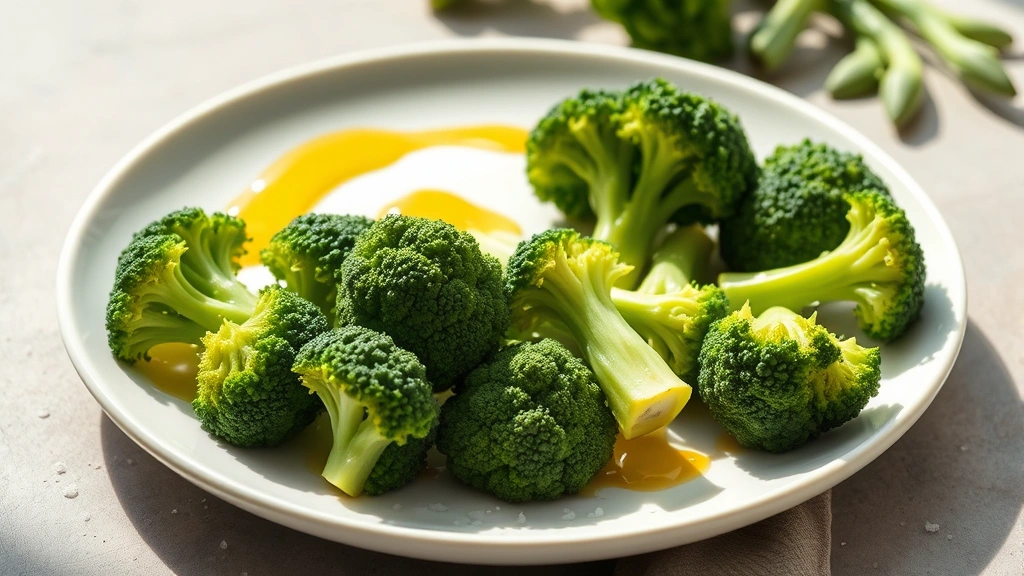
How Long to Roast Broccoli at 400°F: Cooking Guide
How Long to Roast Broccoli at 400°F: The Complete Cooking Guide
There’s something almost magical about roasting broccoli. What starts as humble green florets transforms into caramelized, crispy-edged vegetables that taste nothing like their steamed counterparts. If you’ve ever wondered how long to roast broccoli at 400°F, you’re about to discover that achieving that perfect balance between tender and crispy is simpler than you might think.
The beauty of roasting broccoli lies in its simplicity and reliability. Unlike steaming broccoli, which requires precise timing and careful water management, roasting offers more flexibility and produces superior flavor. At 400°F, your broccoli reaches that sweet spot where the exterior caramelizes while the interior stays tender—no special equipment or culinary degree required.
Whether you’re planning a weeknight side dish or prepping vegetables for meal prep, understanding the roasting process will transform how you cook broccoli. Let’s break down everything you need to know.
Roasting Time at 400°F: The Quick Answer
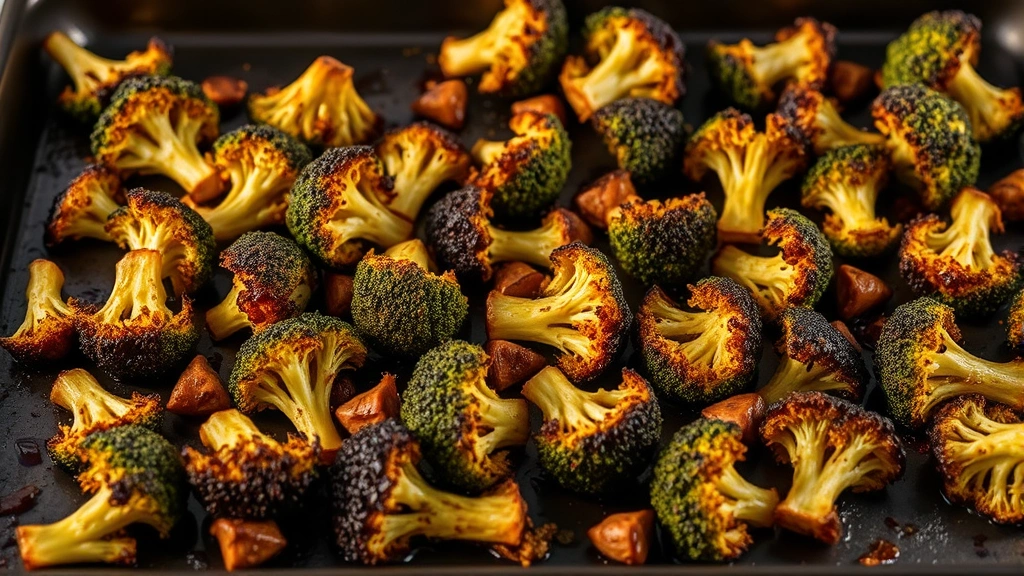
At 400°F, broccoli typically roasts for 15 to 20 minutes. This timeframe produces tender florets with crispy, caramelized edges—the ideal texture for most palates. However, the exact timing depends on several factors including floret size, oven characteristics, and your preferred level of crispness.
For smaller florets (about 1 to 1.5 inches), aim for the 15-minute mark. Larger pieces may need the full 20 minutes or even a few minutes longer. The key is checking for visual cues: the edges should turn golden brown, and a fork should pierce the stem easily. Unlike boiling green beans, roasting gives you more leeway with timing since the dry heat doesn’t cause overcooking in the same way.
If you prefer your broccoli extra crispy with charred bits, extend the time to 22-25 minutes. For softer broccoli that’s less caramelized, reduce to 12-15 minutes. Temperature matters too—every oven behaves differently, so your first batch might require a bit of adjustment.
Preparation Steps: Setting Yourself Up for Success
Proper preparation is half the battle when roasting broccoli. Start by selecting fresh broccoli with tight, dark green florets and firm stems. Rinse thoroughly under cold water and pat completely dry with paper towels. Moisture is the enemy of crispiness—any excess water will steam the broccoli instead of roasting it.
Next, cut your broccoli into uniform florets. Aim for pieces roughly 1 to 1.5 inches in size. Consistent sizing ensures even cooking throughout your batch. Don’t discard the stems; peel away the tough outer layer with a knife or vegetable peeler, then cut the tender interior into bite-sized pieces. Stems are delicious and shouldn’t be wasted.
Spread your prepared broccoli on a large baking sheet in a single layer. Avoid crowding—florets should have some space between them. If your pan is too crowded, they’ll steam rather than roast. For a standard 9×13 inch baking sheet, one medium head of broccoli is about right.
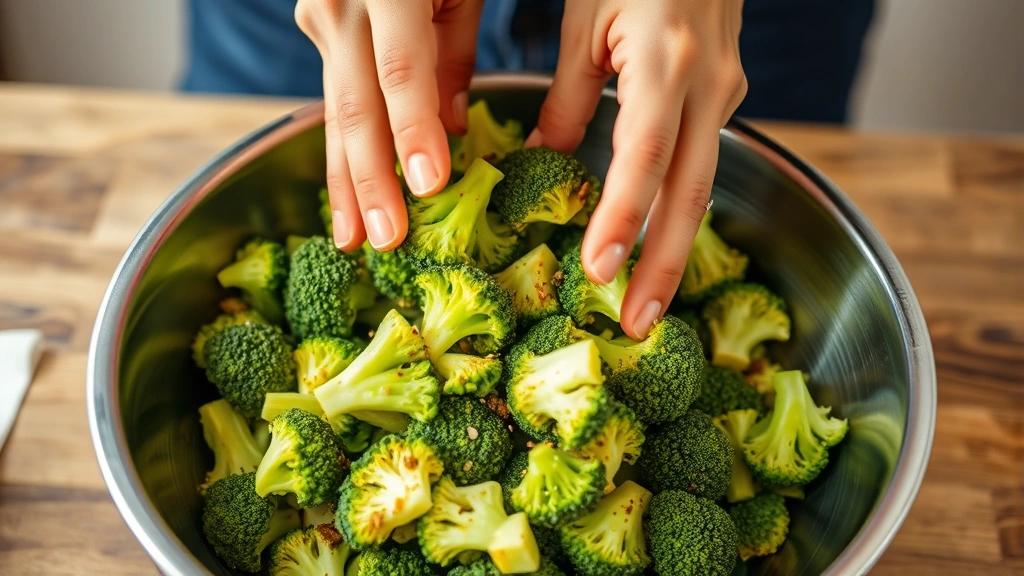
Drizzle generously with olive oil—about 2 to 3 tablespoons per medium head. Toss well to coat every piece. Don’t skimp on oil here; it’s essential for achieving those crispy edges and golden-brown color. Sprinkle with salt and pepper, then give everything another gentle toss. You’re now ready for the oven.
Seasoning and Flavor Combinations
While simple salt and pepper work wonderfully, roasted broccoli is incredibly versatile. Think about how you might approach seasoning salmon—broccoli benefits from similar flavor-building techniques.
Classic garlic and parmesan: Toss your oiled broccoli with minced garlic, then roast. During the last 2 minutes, sprinkle freshly grated Parmesan cheese. The residual heat will melt it slightly.
Asian-inspired: Replace some of the olive oil with sesame oil. Add soy sauce, a pinch of garlic powder, and a hint of ginger. Finish with sesame seeds and a drizzle of sriracha.
Italian herbs: Mix dried oregano, basil, and thyme into your olive oil before coating. Add red pepper flakes for subtle heat.
Honey and balsamic: After roasting, drizzle with aged balsamic vinegar and a touch of honey. The sweet-tangy combination is addictive.
Spicy chili-lime: Coat broccoli with chili powder, cumin, and garlic powder. Squeeze fresh lime juice over the finished product.
The beauty of roasting is that you can experiment freely. Most seasonings work well with broccoli’s naturally mild flavor, making it an ideal canvas for culinary creativity.
Pro Tips for Perfect Roasted Broccoli
Use convection if available: If your oven has a convection setting, use it. The circulating air promotes even browning and crispier edges. Reduce the temperature by 25°F (to 375°F) and check around 12-15 minutes.
Line your pan: Use parchment paper or a silicone baking mat for easier cleanup and more even heat distribution. This is particularly helpful if your baking sheets are warped or uneven.
Preheat thoroughly: Give your oven a full 15-20 minutes to preheat to 400°F. A properly heated oven ensures immediate caramelization when broccoli hits the pan.
Don’t flip mid-roast: Resist the urge to stir or flip your broccoli halfway through. The side touching the pan develops beautiful caramelization. If you’re concerned about even cooking, you can give it a gentle shake at the 10-minute mark, but full stirring disrupts browning.
Consider your oven’s hot spots: Most ovens have areas that run hotter than others. Rotate your pan halfway through if you notice uneven browning in your first batch.
These techniques also apply when smoking proteins or grilling pork chops—understanding your cooking method and respecting proper heat management elevates everything you prepare.
Troubleshooting Common Issues
Broccoli is too soft and not crispy: This typically means insufficient oil or overcrowding. Ensure florets have space and are well-coated with oil. Also verify your oven temperature with an oven thermometer—it might be running cooler than the display indicates.
Broccoli is burnt but still has tough stems: Your oven might be too hot or your florets too large. Cut pieces smaller and reduce the temperature by 25°F. Burnt exterior with undercooked interior usually means high heat and insufficient roasting time.
Uneven browning: Rotate your baking sheet halfway through. If browning remains uneven despite rotation, your oven likely has significant hot spots. Adjust placement or use an oven thermometer to identify problem areas.
Broccoli is dry: You’re likely roasting too long at too high a temperature. Reduce time by 3-5 minutes or lower the temperature to 375°F. Also ensure adequate oil coating.
Florets fall apart: This indicates overcooking. Cut pieces slightly larger and reduce roasting time by a few minutes. Some florets naturally separate—this is normal and actually desirable for extra crispy bits.
Storage and Reheating
Roasted broccoli keeps well in the refrigerator for 3-4 days. Store in an airtight container to maintain texture and prevent absorption of other odors. It’s excellent cold as a snack or tossed into salads, but reheating brings back that crispy quality.
To reheat, spread cooled broccoli on a baking sheet and warm at 375°F for 5-8 minutes. This method restores crispiness better than microwaving, though the microwave works in a pinch (use 1-2 minute intervals). Avoid storing roasted broccoli in plastic bags, which trap steam and make it soggy.
For meal prep, you can roast broccoli several days in advance. Portion into containers and reheat as needed. This makes weeknight dinner preparation significantly easier. Many people find roasted broccoli more palatable than raw or steamed versions, making it perfect for meal prep success.
Frequently Asked Questions
What’s the difference between roasting at 400°F versus 425°F?
At 425°F, broccoli roasts in about 12-15 minutes instead of 15-20. Higher heat produces more aggressive browning and caramelization. The difference is subtle—use 425°F if you prefer extra crispiness and have a shorter time window. For more forgiving, evenly cooked results, stick with 400°F.
Can I roast frozen broccoli?
Yes, but results are less ideal. Frozen broccoli contains more moisture, making it difficult to achieve crispiness. If using frozen, thaw completely and pat very dry. Increase roasting time by 5-10 minutes. Fresh broccoli remains superior for roasting purposes.
Should I use fresh or dried garlic?
Fresh minced garlic provides superior flavor but can burn at high temperatures. Mix fresh garlic with oil before tossing if you’re using it. Alternatively, add fresh garlic during the last 5 minutes of roasting, or use dried garlic powder throughout for more even results without burning risk.
How do I know when broccoli is perfectly done?
Look for golden-brown to light brown edges on the florets. The stems should be tender when pierced with a fork but still have slight resistance. Some charring on the tips is desirable. If you’re unsure, slightly undercook rather than overcook—you can always return it to the oven.
Is olive oil the only option for roasting?
No. Avocado oil, grapeseed oil, or vegetable oil work well. Avoid coconut oil unless you want that flavor profile. Olive oil provides the most traditional flavor and has a relatively high smoke point suitable for 400°F roasting.
Can I mix broccoli with other vegetables?
Absolutely. Cauliflower, Brussels sprouts, carrots, and bell peppers roast beautifully alongside broccoli. Choose vegetables with similar cooking times to ensure everything finishes simultaneously. This Old House offers excellent guidance on roasting vegetable combinations.
What if my oven only goes to 375°F or requires 450°F?
At 375°F, add 5-10 minutes to roasting time. At 450°F, reduce time by 5-10 minutes. Adjust based on visual cues—broccoli should be golden brown and tender. Keep notes on your first batch to perfect timing for future roasts.
How much broccoli should I prepare per person?
Plan on 1.5 to 2 cups of florets per person as a side dish. This typically equals one medium head of broccoli for 3-4 people. As a main-course component in grain bowls or pasta, use slightly less.
Roasting broccoli at 400°F is truly one of the simplest ways to elevate this humble vegetable. With just 15-20 minutes and basic pantry staples, you’ll create something genuinely delicious. The caramelized edges, tender interior, and concentrated flavor make roasted broccoli a game-changer for anyone who thought they didn’t enjoy this cruciferous powerhouse. Start with the basic recipe, then experiment with seasonings until you find your perfect combination.

Related Posts

How Long to Boil Lobster Tails: Cooking Guide

How Long to Fly from New York to London? Travel Times
