
How to Unclog a Toilet: Expert Tips
How to Unclog a Toilet: Expert Tips for Quick Resolution
There’s nothing quite like the panic that sets in when water starts rising in your toilet bowl instead of draining. A clogged toilet ranks among the most common household plumbing emergencies, yet most of us would rather do almost anything than deal with it. The good news? You don’t always need to call a plumber. Armed with the right knowledge and a bit of elbow grease, you can tackle this problem yourself and save a considerable amount of money in the process.
Whether you’re dealing with a minor blockage or a more stubborn situation, understanding the mechanics of your toilet and having a solid game plan makes all the difference. This guide walks you through proven methods that actually work, from simple solutions you can implement right now to more advanced techniques for those particularly troublesome clogs.
The key to successful unclogging lies in identifying what caused the problem in the first place and selecting the appropriate solution. Some blockages clear with a simple plunger, while others require a bit more finesse. Let’s explore everything you need to know.
Understanding Why Toilets Get Clogged
Before diving into solutions, it helps to understand what’s happening inside your toilet. Most clogs result from one of two scenarios: either too much toilet paper accumulates, or something that shouldn’t be in the toilet finds its way there. Unlike sinks, which can handle various materials, toilets are designed specifically for human waste and toilet paper.
The most common culprit is excessive toilet paper, particularly if you or your family members use more than necessary. Children often don’t understand the concept of moderation and will happily use an entire roll in one sitting. Beyond toilet paper, other frequent offenders include feminine hygiene products, baby wipes (even those labeled “flushable”), dental floss, hair, and small toys. Some people unknowingly flush items they believe are harmless, like cotton swabs or paper towels, not realizing these don’t break down like toilet paper.
Hard water mineral buildup can also contribute to clogs, though this is less common. In some cases, the clog isn’t actually in your toilet but further down in the plumbing system, which requires a different approach. Understanding the root cause helps you choose the most effective solution and prevents future issues.
The Plunger Method: Your First Line of Defense
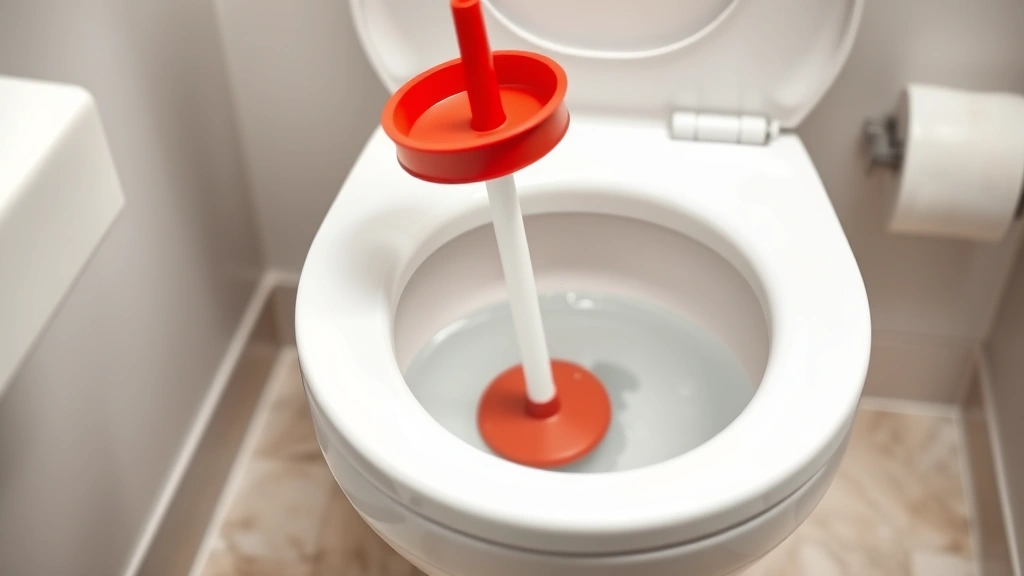
Before attempting any other method, reach for a plunger. This humble tool resolves the majority of toilet clogs, and it’s worth investing in a quality one. The key difference between an effective toilet plunger and a sink plunger lies in the shape—toilet plungers have an extended rubber flange that creates a better seal in the bowl.
Here’s how to use a plunger correctly:
- Fill the bowl: Ensure there’s enough water to cover the plunger cup. If the water level is too low, add more. If it’s overflowing, use towels to soak up excess water before proceeding.
- Position yourself: Stand firmly and place the plunger directly over the drain hole, ensuring a complete seal.
- Create suction: Push down and pull up vigorously in rapid succession. The goal is to create suction that dislodges the clog. Perform this motion 15-20 times in quick succession.
- Test the drain: After several plunging sessions, remove the plunger and see if water drains. If it does, flush to confirm the clog is gone.
- Repeat if necessary: Sometimes it takes multiple attempts. Don’t give up after one try.
A common mistake is breaking the seal too early or using insufficient force. You need genuine suction and pressure changes to move the blockage. If you’re not hearing a satisfying “pop” sound when you pull the plunger up, you might not have a good seal. Wet the plunger rim slightly to improve suction.
Hot Water and Dish Soap Technique
This method works surprisingly well for certain types of clogs, particularly those caused by excessive toilet paper or minor blockages. The combination of heat and lubrication helps break down and move the obstruction.
Start by heating a kettle or pot of water. You want it hot but not boiling—around 160-180 degrees Fahrenheit is ideal. Boiling water can sometimes crack older porcelain toilets, so err on the side of caution. While the water heats, squirt a generous amount of dish soap (the kind you use for washing dishes, not the concentrated dishwasher variety) directly into the toilet bowl. Let it sit for a few minutes to work its way down.
Carefully pour the hot water into the bowl from waist height, allowing it to flow down and mix with the soap. The combination of heat and lubrication often helps soften the clog enough for it to pass through. Wait 20-30 minutes, then try flushing. If it works, you’ve just solved your problem with items you already have at home. If not, this method has at least loosened things up for your next attempt.
This approach is gentler than some alternatives and works particularly well if you’re dealing with a fresh clog. It’s also environmentally friendly and uses no harsh chemicals.
The Baking Soda and Vinegar Approach
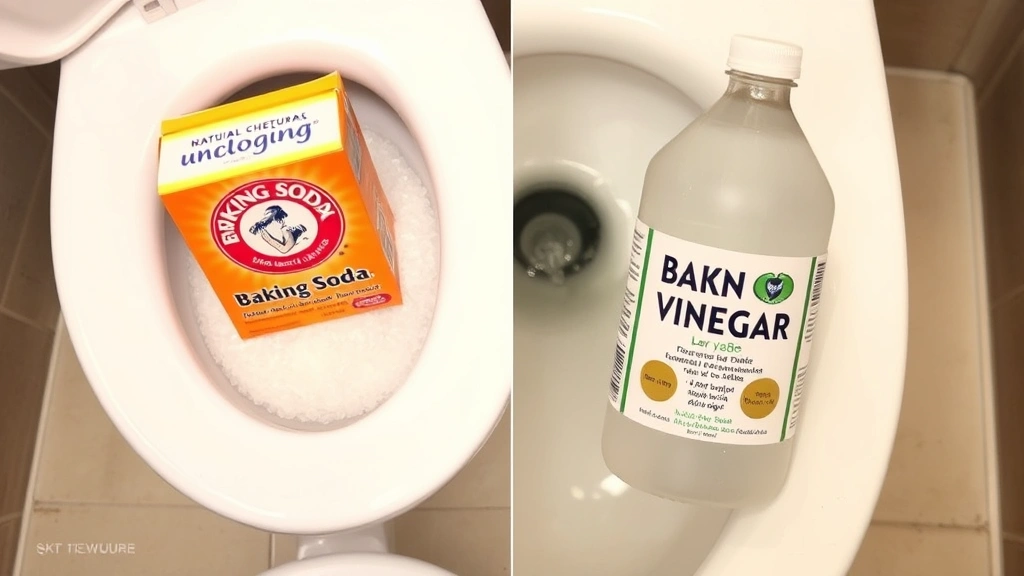
The chemical reaction between baking soda and vinegar creates fizzing action that can help break apart minor blockages. This method is safe, natural, and uses common household items.
Pour about one cup of baking soda directly into the toilet bowl. Follow this with two cups of white vinegar. The mixture will immediately start fizzing and foaming—this is exactly what you want. The chemical reaction helps break down organic material in the clog. Let it sit for 30 minutes to an hour, allowing the fizzing action to work on the blockage.
After the waiting period, flush the toilet. If the clog hasn’t cleared completely, you can repeat the process or move on to a different method. While this approach won’t solve every clog, it’s an excellent first step before resorting to more aggressive techniques. Many people appreciate this method because it avoids harsh chemicals and works gently on your plumbing.
For enhanced results, you can pour hot water into the bowl after letting the baking soda and vinegar sit for a while. The combination of chemical action and heat sometimes provides just enough help to clear the clog.
Using a Toilet Auger for Stubborn Blockages
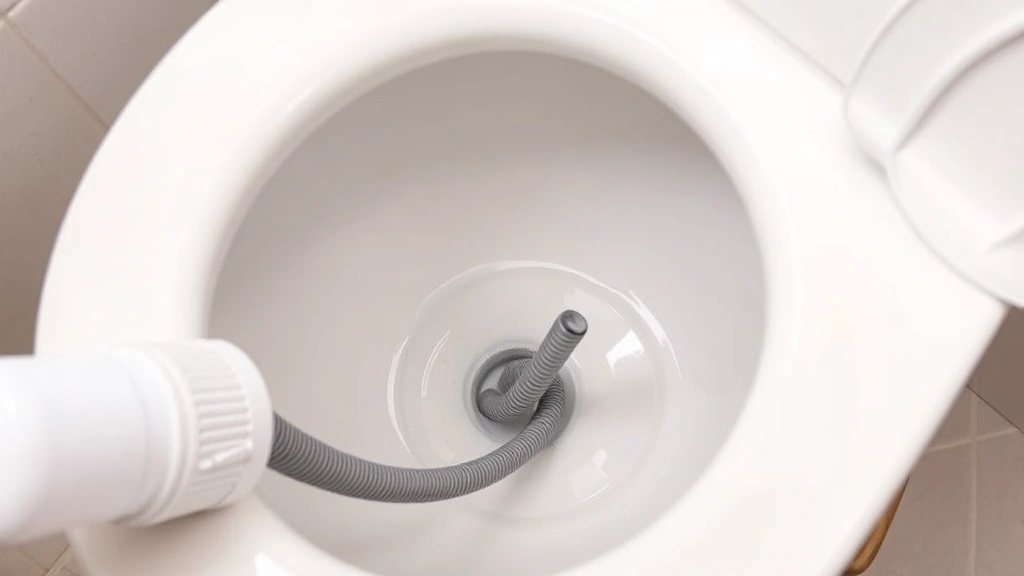
When gentler methods fail, a toilet auger becomes your best friend. Also called a plumbing snake, this tool is specifically designed for toilet clogs and works differently than a standard drain snake. A toilet auger has a protective sleeve that prevents scratching your porcelain bowl.
Here’s how to use one effectively:
- Insert the auger into the toilet bowl, positioning the tip at the drain opening.
- Crank the handle clockwise while applying gentle downward pressure. You’re not forcing it—let the tool do the work.
- As you turn the handle, the auger extends into the drain pipe. You should feel resistance as it encounters the clog.
- Once you feel the clog, continue cranking. The auger’s tip will either break apart the blockage or hook it so you can pull it out.
- Withdraw the auger slowly while continuing to crank. You might pull out the clogging material.
- Flush the toilet to see if the clog has cleared.
Toilet augers are inexpensive tools—usually $20-40—and they last for years. If you own a home, having one on hand is a smart investment. They’re particularly effective for clogs caused by items beyond toilet paper, like toys or dental floss.
One important note: be gentle with your porcelain. The protective sleeve prevents scratches, but aggressive movements can still cause damage. If you feel significant resistance and the auger isn’t progressing, stop and reassess rather than forcing it.
When to Call a Professional
Sometimes a clog is beyond DIY territory. If you’ve tried multiple methods and nothing works, or if you suspect the blockage is further down in your plumbing system, it’s time to call a plumber. Signs that professional help is needed include:
- Water backing up into other drains or fixtures when you flush
- Multiple toilets clogging simultaneously
- Persistent clogs in the same toilet despite repeated attempts to clear it
- Foul odors coming from drains
- Slow drainage throughout your home
- Visible sewage or contamination
A professional plumber has specialized equipment like motorized drain snakes and video inspection cameras that can diagnose problems beyond simple blockages. While calling a plumber costs more upfront, it can save you from causing damage to your plumbing system or missing a more serious underlying issue. If you’ve learned how to unclog a toilet without a plunger but find yourself repeatedly facing the same problem, professional diagnosis is definitely warranted.
Prevention Strategies That Actually Work
The best clog is the one that never happens. Implementing smart prevention habits protects your plumbing and saves you headaches down the road.
Toilet Paper Usage: Educate everyone in your household about reasonable toilet paper amounts. A good rule of thumb is to use about 20 sheets per bathroom visit. If you have young children, monitor their bathroom habits or consider installing a toilet paper holder that limits how much they can pull at once.
Never Flush Non-Toilet Paper Items: Create a household rule: only human waste and toilet paper go in the toilet. Everything else goes in the trash. This includes wipes labeled “flushable”—they don’t break down like real toilet paper and frequently cause clogs. Hair, dental floss, cotton swabs, and any feminine hygiene products should all go in the trash.
Regular Maintenance: Periodically pour a mixture of baking soda and vinegar down your toilet to keep pipes clean and flowing smoothly. This preventive measure catches small issues before they become major problems. You might also learn about how to flush a water heater as part of your regular home maintenance routine.
Install a Bidet or Seat: If your household uses excessive toilet paper, consider installing a bidet attachment or toilet seat. These reduce toilet paper consumption significantly and provide a more thorough cleaning experience. Many people report using 75% less toilet paper after switching to a bidet.
Check Your Plumbing: If you’re experiencing frequent clogs, you might have a deeper plumbing issue. Hard water, improper slope in drain lines, or tree roots intruding on pipes can all cause recurring problems. Understanding related issues like how to remove sink stopper might help you diagnose broader plumbing issues in your home.
Upgrade Your Toilet: Older toilets often have lower water pressure and smaller trap ways, making them more prone to clogs. Modern low-flow toilets are designed to handle waste more efficiently. If you’re constantly battling clogs in a vintage toilet, upgrading might be the most practical long-term solution.
Keep Supplies Handy: Having a quality plunger, toilet auger, and basic supplies like baking soda and vinegar readily accessible means you can address issues immediately. The longer a clog sits, the more difficult it becomes to clear. Quick action prevents minor issues from becoming major headaches.
For more detailed guidance on drain maintenance throughout your home, explore resources on how to unclog shower drain techniques that apply similar principles to different fixtures.
Frequently Asked Questions
Can I use a regular drain snake for a toilet clog?
While a regular drain snake might work, a toilet-specific auger is better. Toilet augers have a protective sleeve that prevents scratching your porcelain bowl, and their design is optimized for toilet drains. Regular drain snakes can damage the bowl’s interior glaze.
Is it safe to use chemical drain cleaners in toilets?
Chemical drain cleaners are generally not recommended for toilets. They can damage the rubber seals and gaskets inside your toilet tank, cause chemical burns, and create dangerous fumes. Additionally, they’re often less effective in toilets than in other drains. Stick with mechanical methods or natural alternatives like baking soda and vinegar.
How long should I wait after using baking soda and vinegar before flushing?
Wait at least 30 minutes, but an hour is better. The longer the fizzing reaction has to work on the clog, the more effective it becomes. You can even leave it overnight for particularly stubborn blockages.
What’s the difference between a plunger and a toilet auger?
A plunger creates suction and pressure to dislodge clogs, working best for blockages close to the bowl. A toilet auger is a mechanical tool that physically breaks apart or removes clogs deeper in the drain line. Plungers are typically tried first because they’re simpler and work for most clogs.
Can tree roots cause toilet clogs?
Tree roots typically don’t clog individual toilets but rather the main sewer line serving your home. If multiple drains are backing up or draining slowly, tree root intrusion is a possibility. This requires professional diagnosis and removal.
Is it normal for a toilet to clog occasionally?
Occasional clogs happen in most homes, especially if someone uses excessive toilet paper or a foreign object accidentally gets flushed. However, if clogs occur frequently in the same toilet, you likely have an underlying issue that needs professional attention.
What should I do if the water level in my toilet is too high before plunging?
Use towels or a small bucket to remove excess water until the level is manageable. Plunging with overflowing water creates a mess and reduces the effectiveness of the suction. Once you’ve removed excess water, you can proceed with your chosen unclogging method.
Can I prevent clogs by flushing less frequently?
This isn’t practical, but what you can do is limit what goes down the toilet. Flushing immediately after use is actually better than waiting, as it helps clear waste before it accumulates. The key is controlling what you flush, not how often you flush.

Related Posts

How Long to Boil Lobster Tails: Cooking Guide

How Long to Fly from New York to London? Travel Times
