
How to Tell if Pearls Are Real: Expert Tips
How to Tell if Pearls Are Real: Expert Tips for Authenticating Your Jewelry
Pearls have captivated humanity for centuries, serving as symbols of elegance, sophistication, and timeless beauty. Whether you’ve inherited a strand of pearls from your grandmother, purchased them at an estate sale, or received them as a gift, one pressing question often arises: are they genuine? The pearl market is flooded with imitations, cultured pearls, and outright fakes that can fool even the most discerning eye. Learning how to tell if pearls are real isn’t just about protecting your investment—it’s about understanding the craftsmanship and natural wonder behind these lustrous gems.
The challenge lies in the fact that modern pearl imitations have become remarkably sophisticated. Manufacturers have perfected techniques to replicate the appearance, weight, and even some of the tactile qualities of authentic pearls. However, genuine pearls possess certain distinctive characteristics that separators them from their synthetic counterparts. By familiarizing yourself with these telltale signs, you can confidently evaluate any pearl jewelry that comes your way.
This comprehensive guide walks you through practical, hands-on methods to authenticate pearls without requiring professional equipment or extensive gemological training. We’ll explore both simple tests you can perform at home and more advanced techniques used by experts. Whether you’re a jewelry collector, a DIY enthusiast seeking to restore heirloom pieces, or simply curious about the authenticity of your accessories, this article equips you with the knowledge to make informed decisions.
Understanding Pearl Types and Origins
Before diving into authentication methods, it’s essential to understand what you’re looking for. The pearl market includes three primary categories: natural pearls, cultured pearls, and imitation pearls. Natural pearls form without human intervention when an irritant enters an oyster or mussel, prompting the creature to coat it with nacre—also called mother-of-pearl—over many years. These are exceptionally rare and command premium prices.
Cultured pearls, which constitute the vast majority of pearls sold today, result from human intervention. A technician implants a nucleus into the mollusk, which then secretes nacre around it. The distinction between natural and cultured pearls matters significantly for authentication and value. Imitation pearls, conversely, are entirely artificial creations made from glass, plastic, or shell coated with substances designed to mimic pearl appearance.
Understanding these distinctions helps you approach authentication with realistic expectations. Most pearls you’ll encounter in jewelry stores or at estate sales are cultured pearls, which are still genuine and valuable. The goal isn’t necessarily to identify whether a pearl is natural versus cultured—that requires professional X-ray equipment—but rather to distinguish genuine pearls from convincing fakes.
The Tooth Test: A Simple Starting Point
One of the most accessible and surprisingly effective preliminary tests involves your teeth. Gently rub the pearl against the surface of your front tooth. Genuine pearls possess a slightly gritty texture due to their nacre composition, while imitation pearls typically feel smooth and slippery. This test works because real pearls have microscopic irregularities in their surface structure that create subtle friction.
The sensation you’re looking for feels similar to running your finger across fine sandpaper—not rough enough to be uncomfortable, but noticeably different from the glassy smoothness of fake pearls. Imitation pearls coated with resin or lacquer will feel completely smooth, almost slippery against your tooth. This simplicity makes the tooth test an excellent first-line assessment, though it shouldn’t be your only evaluation method.
Some enthusiasts find this test unappetizing, which is entirely understandable. An alternative involves gently rubbing two pearls together. Genuine pearls will create a slightly gritty sensation, while imitations feel completely smooth against each other. This approach yields similar results without involving your teeth.
Weight and Density Examination
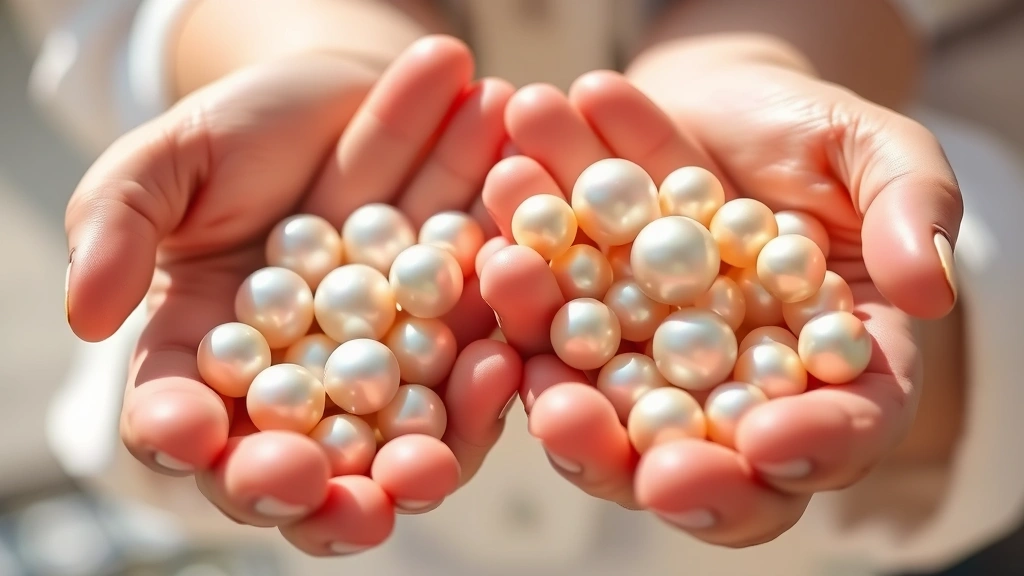
Genuine pearls possess a specific gravity that differs noticeably from most imitation materials. If you have access to a precision scale, weighing pearls can provide valuable information. Real pearls feel heavier than their size suggests—they have substantial heft that catches many people off guard. Imitation pearls made from plastic or hollow glass feel surprisingly light by comparison.
This test requires some calibration. You need to compare pearls of identical or very similar sizes. A 10-millimeter genuine pearl will feel noticeably heavier than a 10-millimeter imitation pearl. If you don’t own a precision scale, you can sometimes request assistance from jewelry stores, which often have them available.
The density test connects directly to how pearls form. Nacre, the substance that coats genuine pearls, has a specific density that imitation coatings don’t replicate. This fundamental difference in material composition translates to tangible weight differences that you can literally feel in your hand. Pay attention to your instinctive reaction when holding pearls—genuine ones often feel more substantial than your eyes initially suggest they should.
Surface Texture and Luster Analysis
The surface of genuine pearls tells a compelling story about their authenticity. Real pearls display what gemologists call an “orient”—a soft, glowing luminescence that seems to emanate from within the pearl rather than simply reflecting light from the surface. This inner radiance results from light penetrating and interacting with the multiple layers of nacre.
Examine your pearls under natural daylight and artificial light. Genuine pearls will display subtle color variations and a deep, warm luster that changes slightly depending on the angle and light source. The surface should appear relatively smooth but show slight variations in texture when examined closely—no two natural pearls are identical.
Imitation pearls, by contrast, often display a flat, one-dimensional shine that looks more like plastic or glass. The “glow” appears to sit on the surface rather than emanating from within. Additionally, imitation pearls frequently show uniform coloring and identical luster across the entire surface, lacking the subtle variations that characterize genuine pearls.
Magnification helps tremendously with this evaluation. Using a jeweler’s loupe or even a smartphone camera with macro capability, examine the pearl’s surface at high magnification. Genuine pearls may show tiny pits, ridges, or slight irregularities. Imitation pearls typically appear perfectly uniform under magnification, which paradoxically indicates they’re fake—nature rarely creates perfect uniformity.
The X-Ray and UV Light Methods
For more definitive authentication, X-ray examination provides conclusive evidence. Genuine pearls—whether natural or cultured—display specific internal structures visible on X-rays. Natural pearls show concentric growth rings similar to tree rings, while cultured pearls reveal the artificial nucleus at their center. Imitation pearls show either hollow interiors or uniform material throughout.
X-ray examination requires professional equipment, making it inaccessible for most home evaluations. However, many reputable jewelers and gemological laboratories offer X-ray services at reasonable costs. If you’re investing in high-value pearls or have inherited pieces whose authenticity genuinely matters, professional X-ray analysis provides definitive answers.
UV light testing offers another avenue, though less conclusive than X-rays. Genuine pearls typically show little to no fluorescence under ultraviolet light, while many imitation pearls fluoresce brightly—often glowing blue, green, or white. This test works best in a darkened room with a UV light source. Some jewelry stores have UV lamps available, or you can purchase affordable UV flashlights online.
The UV test shouldn’t stand alone as your authentication method, as some genuine pearls may fluoresce slightly, and not all imitations fluoresce predictably. However, if pearls glow intensely under UV light, you can be confident they’re imitation. Combined with other tests, UV examination contributes valuable supporting evidence.
Examining the Drill Hole and Nacre
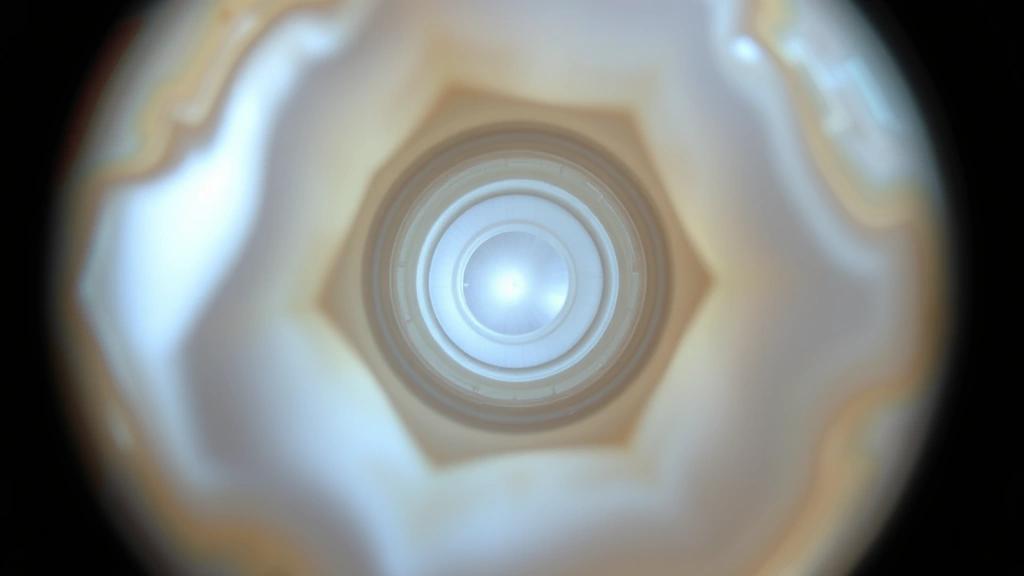
Most pearls in jewelry have been drilled to accommodate stringing or mounting. The drill hole and surrounding area provide excellent authentication clues. Examine the hole using a magnifying glass or loupe. In genuine pearls, you’ll see layers of nacre around the hole opening. The nacre should be clearly visible as distinct layers, sometimes showing subtle color variations.
Imitation pearls often show a different material composition around the drill hole. If the hole reveals plastic, glass, or a uniform substance lacking the layered nacre structure, you’re looking at an imitation. The nacre layers in genuine pearls create a distinctive appearance—almost like looking at tree rings in cross-section.
For pearls still attached to their setting, this examination becomes trickier but not impossible. Careful positioning and magnification may allow you to observe the drill hole edges. Some jewelers can temporarily remove pearls from settings for inspection, which facilitates thorough examination. When considering high-value pearls, this service is worth requesting.
The nacre itself—the substance that coats the pearl—has specific optical properties. When examining the pearl from different angles, the nacre creates subtle color shifts and internal reflections. This phenomenon, called “orient” in gemological terms, represents one of the most beautiful and telltale characteristics of genuine pearls. Imitation pearls cannot replicate this complex optical behavior convincingly.
Temperature and Sound Tests
Genuine pearls maintain relatively cool temperatures longer than imitation pearls. Hold a pearl against your cheek or forehead for a moment, then place it on a table. Genuine pearls will feel noticeably cool for several seconds, while imitation pearls warm up quickly and feel ambient temperature almost immediately. This test exploits the thermal properties of nacre, which conducts heat differently than plastic or glass coatings.
While this test seems simple, it requires careful attention and some practice to interpret accurately. The difference isn’t dramatic—you’re looking for a subtle but noticeable temperature differential. Performing this test multiple times and comparing genuine and imitation pearls side-by-side helps calibrate your sensitivity to the effect.
The sound test involves gently tapping two pearls together. Genuine pearls produce a subtle, mellow tone, while imitation pearls typically create sharper, more resonant sounds. This difference reflects the material composition and density variations between genuine and fake pearls. Again, this test works best when you can compare samples directly.
These tests should complement rather than replace other authentication methods. Temperature and sound assessments provide supporting evidence, but they’re not definitive on their own. Combined with the tooth test, weight evaluation, and surface examination, they contribute to a comprehensive authentication picture.
Consulting Professional Appraisers
When authenticity truly matters—whether you’re inheriting valuable pearls, making significant purchases, or planning to sell—professional appraisal provides peace of mind and documented evidence. Certified gemologists and pearl appraisers possess specialized equipment and extensive training that far exceeds home testing capabilities.
Look for appraisers who hold credentials from recognized organizations like the American Gem Society or the Gemological Institute of America. These professionals can definitively distinguish between natural, cultured, and imitation pearls, and they can provide written documentation suitable for insurance, estate planning, or resale purposes.
Professional appraisal typically costs between $50 and $200 per item, depending on the pearl’s value and the appraiser’s expertise. For pearls worth more than $500, professional authentication represents a worthwhile investment. The documentation you receive increases the pearl’s marketability and protects your interests if questions about authenticity arise later.
When selecting an appraiser, request references and verify their credentials independently. Ask specifically about their experience with pearls, as some gemologists specialize in diamonds or other stones. A pearl specialist brings deeper expertise than a generalist appraiser. Many high-end jewelry stores can recommend trusted appraisers they work with regularly.
If you’re restoring heirloom jewelry or planning to clean sterling silver settings that hold pearl pieces, knowing the pearls’ authenticity beforehand helps you choose appropriate cleaning methods. Genuine pearls require gentle handling and specific cleaning solutions, while imitation pearls tolerate harsher treatments.
Frequently Asked Questions
Can I tell if pearls are real just by looking at them?
Visual inspection alone isn’t definitive, but it provides valuable clues. Genuine pearls display warm luster, subtle color variations, and an inner glow that imitations struggle to replicate. However, modern imitations have become quite convincing, so visual assessment should be combined with tactile tests like the tooth test or weight examination. Professional equipment like X-rays or UV lights provides more certainty than visual inspection alone.
Are cultured pearls considered real pearls?
Yes, cultured pearls are absolutely real pearls. They form through the same process as natural pearls—mollusks coat an irritant with nacre over time. The primary difference is that humans initiate the process by implanting the nucleus. Cultured pearls are genuine, valuable, and widely considered acceptable in jewelry. The distinction between natural and cultured primarily affects price rather than authenticity.
What should I do if I suspect my pearls are fake?
Start with home tests like the tooth test, weight examination, and surface luster analysis. If results seem inconclusive or if the pearls have significant value, consult a professional gemologist. They can provide definitive authentication using specialized equipment. If you purchased the pearls recently from a retailer, contact them about your concerns—reputable jewelers stand behind their products.
How much do authentic pearls typically cost?
Cultured pearl prices vary dramatically based on size, luster, color, and shape. Strand of cultured freshwater pearls might cost $50 to $200, while high-quality saltwater cultured pearls range from $200 to $1,000 or more. Natural pearls command substantially higher prices, often starting at several thousand dollars. Imitation pearls typically cost under $20. Price alone doesn’t determine authenticity, but suspiciously inexpensive pearls warrant extra scrutiny.
Can I authenticate pearls in a piece of jewelry without removing them?
Yes, many tests work with pearls still mounted in jewelry. Surface examination, luster analysis, and the tooth test are all feasible without removal. However, examining the drill hole and nacre becomes significantly easier if pearls can be removed temporarily. Professional appraisers sometimes perform authentication on mounted pearls, though they may request temporary removal for thorough examination.
What’s the best way to care for genuine pearls I’ve authenticated?
Genuine pearls require gentle handling and specific care. Store them separately from other jewelry to prevent scratching. Clean them with mild soap and lukewarm water using a soft cloth—never use ultrasonic cleaners or steam cleaners. When wearing pearls, apply perfume and cosmetics first, then put pearls on last to minimize contact with chemicals. Have pearls restrung professionally every few years, as the silk threading gradually weakens over time.
How do pearls in vintage jewelry compare to modern pearls?
Vintage pearls are typically cultured pearls from the mid-20th century onward, though some antique pieces contain natural pearls. Vintage pearls often display beautiful patina and unique coloring that modern pearls lack. When evaluating vintage pearl jewelry, age alone doesn’t guarantee value—luster, color, and size matter equally. If you’ve inherited vintage pearls and want to understand their value, professional appraisal helps significantly. Learning how to measure ring size becomes relevant if vintage pearl rings need resizing or adjustment.
Should I get insurance for authentic pearls?
Yes, particularly if the pearls are valuable or sentimental. Insurance protects against loss, theft, or damage. Most homeowner’s insurance includes limited jewelry coverage, but dedicated jewelry insurance typically provides better protection. To insure pearls, you’ll need professional appraisal documentation establishing their value. This is another reason why professional authentication matters for valuable pieces.

Related Posts

How Long to Boil Lobster Tails: Cooking Guide

How Long to Fly from New York to London? Travel Times
