
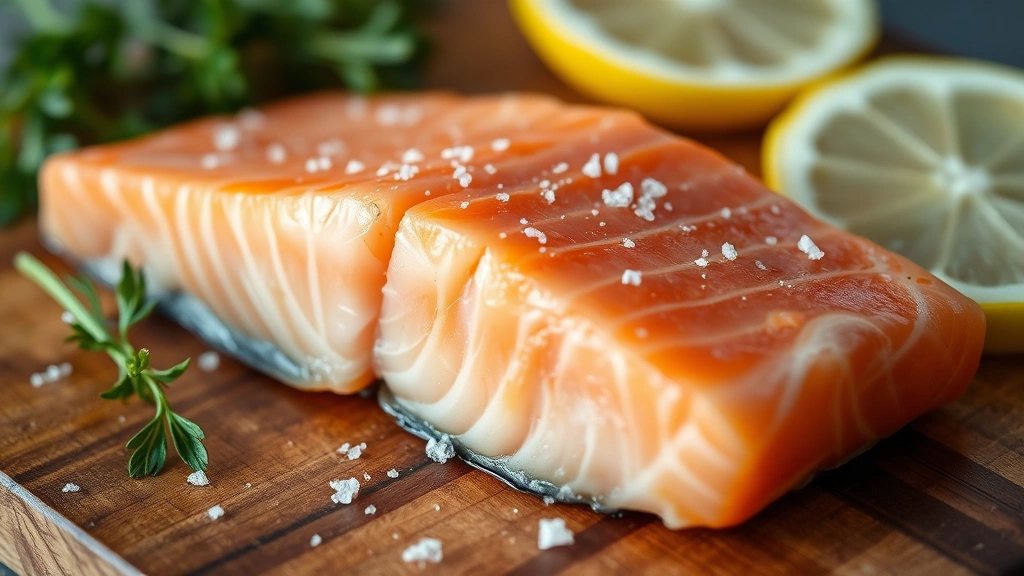
How to Season Salmon: A Flavorful Guide
How to Season Salmon: A Flavorful Guide
Salmon is one of those beautiful proteins that doesn’t demand much to shine, yet it absolutely thrives with the right seasoning approach. Whether you’re planning a weeknight dinner or impressing guests at your next gathering, understanding how to season salmon transforms it from decent to restaurant-quality delicious. The trick isn’t about piling on complicated spice blends or exotic ingredients—it’s about understanding how different flavors interact with salmon’s rich, buttery flesh.
The magic happens when you balance the salmon’s natural oils with bright, complementary seasonings. Too often, home cooks either underseasoned their fish or go overboard with heavy, overpowering flavors that mask what makes salmon special in the first place. This guide walks you through proven techniques, flavor combinations, and practical methods that work whether you’re grilling, baking, pan-searing, or smoking your salmon.
What you’ll discover is that seasoning salmon isn’t rocket science—it’s about understanding a few fundamental principles and having confidence in your choices. Let’s dive in.
Understanding Salmon’s Flavor Profile
Before you even think about reaching for the salt shaker, you need to understand what you’re working with. Salmon has a distinctly rich, slightly fatty flavor profile that’s naturally assertive compared to white fish. This richness is actually your secret weapon—it gives you room to play with bold flavors without worrying about overpowering delicate fish meat.
The fat content in salmon (especially wild varieties) means it can handle robust seasonings that might overwhelm something like sole or flounder. This is why citrus, dill, and peppery notes work so beautifully—they cut through the richness and create balance on your palate. Understanding this fundamental characteristic helps you make seasoning decisions that complement rather than compete with the fish itself.
Different salmon varieties also matter. Atlantic salmon, typically farmed, has a milder, more buttery profile. Wild Alaskan salmon varieties like sockeye and coho have stronger, more pronounced flavors. This means you might adjust your seasoning intensity depending on what you’re cooking. A wild salmon can handle aggressive seasoning, while farmed salmon sometimes benefits from a lighter touch.
Essential Seasonings for Salmon
Let’s talk about the seasonings that genuinely work with salmon. These aren’t exotic or expensive—they’re pantry staples that happen to be salmon’s best friends.
Salt and pepper remain non-negotiable. Quality sea salt or kosher salt enhances the salmon’s natural flavors without making it taste salty. Freshly ground black pepper adds subtle heat and complexity. Don’t skip these fundamentals thinking you need something fancier.
Dill is practically made for salmon. Its bright, slightly anise-like flavor cuts through richness beautifully. Use fresh dill when possible, though dried works in a pinch (use about one-third the amount). Dill works equally well in marinades, as a finishing herb, or mixed into butter.
Lemon and lime are your acid weapons. The citric acid doesn’t just add flavor—it actually helps break down proteins slightly, making the fish more tender. A squeeze of fresh juice right before serving brightens everything. You can also zest citrus directly onto the fish for concentrated flavor without excess liquid.
Garlic is essential, though approach it thoughtfully. Fresh minced garlic, garlic powder, or garlic butter all bring different qualities. Garlic powder won’t burn during cooking like fresh garlic sometimes does, making it excellent for high-heat applications. Fresh garlic works beautifully in marinades or as a finishing touch.
Paprika (especially smoked paprika) adds subtle sweetness and color without overpowering the fish. It’s particularly useful if you’re seasoning proteins on a griddle or grill where you want visible char and color.
Cumin and coriander work surprisingly well with salmon, particularly in Mediterranean or Middle Eastern preparations. These warm spices add depth without being heavy.
Cayenne or red pepper flakes bring gentle heat. A pinch adds interest without making the dish spicy—though you can obviously adjust to your preference.
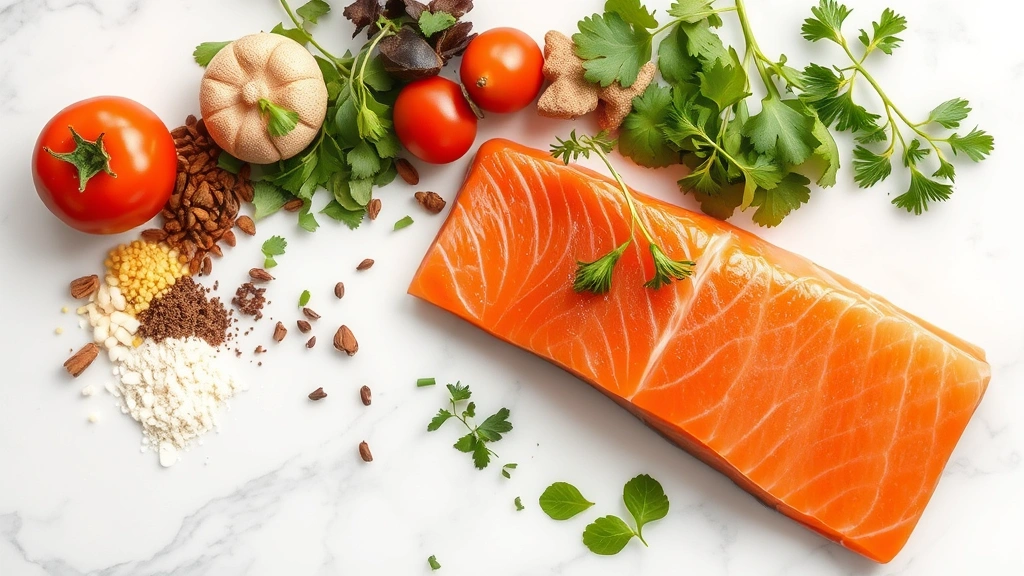
Classic Seasoning Combinations
Rather than reinventing the wheel every time you cook salmon, these proven combinations give you a solid starting point. You can always adjust based on what you have on hand or your personal preferences.
Mediterranean Classic: Salt, freshly ground black pepper, fresh dill, minced garlic, lemon zest, and a drizzle of olive oil. This combination lets the salmon shine while adding brightness and herbaceous notes. It works beautifully whether you’re baking, grilling, or pan-searing.
Asian-Inspired: Combine soy sauce, sesame oil, fresh ginger, garlic, a touch of honey, and lime juice. This creates a glaze that caramelizes beautifully during cooking. The umami from soy sauce deepens the salmon’s natural flavors while ginger adds warming spice.
Cajun-Style: Mix paprika, garlic powder, onion powder, cayenne, black pepper, and a pinch of thyme. This dry rub creates a flavorful crust, particularly on grilled or pan-seared salmon. It’s bold without being overwhelming.
Herb Garden: Combine fresh dill, parsley, tarragon, chives, salt, pepper, and a bit of lemon. Fresh herbs create a vibrant, elegant seasoning blend perfect for baked salmon. This works especially well when you layer herbs between the fish and foil while baking.
Mustard-Based: Mix whole grain mustard, Dijon mustard, honey, dill, and a squeeze of lemon. The mustard’s tanginess complements salmon beautifully while adding complexity. This works great as a marinade or finishing glaze.
Dry Rubs vs. Wet Marinades
Understanding when to use dry rubs versus wet marinades changes your salmon game significantly.
Dry Rubs work exceptionally well for salmon because they create a flavorful crust during cooking while keeping the fish’s interior moist. Apply your dry rub 15-30 minutes before cooking—long enough for flavors to penetrate but not so long that salt draws out moisture. Dry rubs are perfect for grilling or high-heat cooking where you want visible browning.
The beauty of dry rubs is their simplicity. Mix your seasonings, pat them onto the salmon, and you’re ready to cook. No waiting, no mess, no excess liquid that can prevent proper browning.
Wet Marinades offer different advantages. They keep the fish moist during cooking and allow for deeper flavor penetration, particularly if you marinate for 30 minutes to a few hours. Marinades work best with acidic components (citrus, vinegar, yogurt) that help tenderize the protein.
The key with marinades is timing. Salmon’s delicate flesh means you don’t want to marinate longer than 4 hours—beyond that, the acid can actually break down the proteins too much, creating a mushy texture. For most marinades, 30 minutes to 2 hours is ideal.
A pro tip: you can use the same flavorings in either format. That Mediterranean combination works as both a dry rub and a wet marinade. Just adjust the liquid content based on your format.
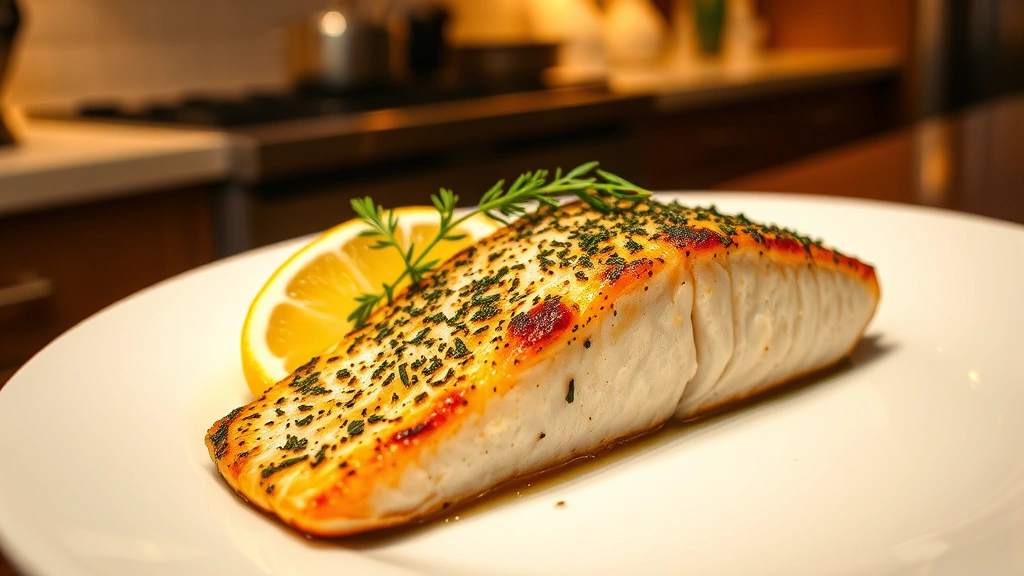
Timing Your Seasoning
When you season salmon matters almost as much as what you use. This timing principle applies whether you’re using salt, spice rubs, or marinades.
For salt specifically: Salt your salmon immediately before cooking or at least 15 minutes before, not 5-10 minutes before. This seems counterintuitive, but it matters. When you salt salmon, osmosis initially draws moisture to the surface. If you cook before this moisture reabsorbs (which takes about 15 minutes), you get a dry surface. Either salt immediately and let the fish come to temperature, or wait until you’re ready to put it in the pan or on the grill.
For dry rubs: Apply 15-30 minutes before cooking. This gives flavors time to penetrate the surface without sitting so long that salt draws out too much moisture.
For marinades: Marinate for 30 minutes to 2 hours for best results. Less than 30 minutes and the flavors don’t penetrate sufficiently. More than 2-4 hours and you risk over-marinating, particularly with acidic marinades.
For finishing touches: Fresh herbs, lemon zest, and bright flavors are best added right before serving. They maintain their vibrancy and don’t have time to lose their punch.
Temperature also matters. Remove your salmon from the refrigerator 15-20 minutes before cooking. Room-temperature fish cooks more evenly than cold fish straight from the fridge, reducing the chance of an overcooked exterior and undercooked interior.
Cooking Methods and Seasoning Adjustments
Your cooking method should influence your seasoning choices. Different techniques interact with seasonings differently.
Pan-Searing: This high-heat method works beautifully with both dry rubs and simple salt-and-pepper seasoning. The direct heat creates a flavorful crust while keeping the interior tender. Finish with a squeeze of fresh lemon or a pat of garlic butter for extra richness. You can be fairly aggressive with seasonings here since the high heat helps develop flavors.
Baking: Gentle baking (around 400°F) pairs well with herb-forward seasonings and citrus. The enclosed environment means flavors become concentrated, so you might use slightly less seasoning than you would for grilling. Wrapping salmon in foil with herbs and lemon creates a steaming effect that infuses flavors beautifully.
Grilling: High heat means you can use bolder dry rubs and spice blends. The char that develops on the grill adds smoky depth, so your seasonings should be robust enough to stand up to that. Avoid delicate fresh herbs that might burn—save those for finishing.
Smoking: If you’re smoking salmon like you would brisket, the smoke itself is doing heavy lifting flavor-wise. Use lighter seasoning so the smoke flavor remains the star. Salt, pepper, and maybe a touch of paprika are often all you need.
Poaching: When cooking salmon in liquid, season that liquid generously. The fish absorbs flavors from the poaching liquid, so this is where you build taste. Add herbs, citrus, and aromatics to your poaching liquid.
Advanced Flavor Techniques
Once you’ve mastered the basics, these techniques elevate your salmon seasoning game further.
Compound Butters: Mix softened butter with herbs, garlic, lemon zest, and spices. Place a pat on hot salmon right off the heat and watch it melt into a silky sauce. This technique is sophisticated but requires no special skills—just mixing and chilling.
Brining: A simple brine (salt, sugar, and water with optional spices) seasons salmon throughout while keeping it incredibly moist. Brine for 30 minutes to 2 hours before cooking. The salt penetrates the protein, enhancing tenderness and flavor retention.
Salt Crusts: For special occasions, bury salmon in a salt-herb crust. Mix kosher salt with egg whites and fresh herbs, pack around the fish, and bake. The salt creates a protective crust that seasons the fish perfectly while keeping it moist. It looks impressive and tastes even better.
Citrus Curing: A light cure using salt, sugar, and citrus zest (without the acid) seasons the surface beautifully. This works particularly well for cold preparations or as a finishing touch on cooked salmon.
Spice Toasting: Toast whole spices (coriander seeds, cumin seeds) before grinding and using them. This intensifies their flavors dramatically, so you can use less while getting more impact.
Layering Flavors: Use multiple seasoning applications—a dry rub before cooking, a finishing sauce or butter after. This creates complexity that tastes more sophisticated than a single application.
When you sharpen your knife properly, you can also prepare garnishes and fresh herbs more efficiently, which improves your whole seasoning presentation. Crisp herb ribbons and perfectly cut citrus garnishes make seasoned salmon look as good as it tastes.
Frequently Asked Questions
Can I season salmon too much in advance?
Yes, but it depends on the seasoning type. Salt drawn out too far in advance can make salmon dry—stick to 15-30 minutes before cooking for salt. Marinades shouldn’t exceed 4 hours, particularly acidic ones, as they can over-process the delicate fish flesh. Dry rubs applied too far in advance may lose some potency, so 15-30 minutes is ideal.
What’s the difference between kosher salt and sea salt for seasoning salmon?
Both work well, but they have different crystal structures. Kosher salt has larger crystals and a less intense salty flavor, making it easier to control seasoning. Sea salt has smaller crystals and a slightly more complex mineral flavor. Either works—choose based on what you have available. Avoid table salt, which contains anti-caking agents that can make seasoning taste off.
Should I season the skin side of salmon?
Yes, but differently. The skin side doesn’t absorb seasoning as readily as the flesh side, so season it lightly. Focus your seasoning on the flesh side where it’ll have maximum impact. If you’re serving skin-on salmon, the skin-side seasoning is more about aesthetics than flavor.
Can I use fresh herbs from my garden on salmon?
Absolutely. Fresh herbs from basil to oregano to thyme all work beautifully with salmon. Use about three times the amount of fresh herbs compared to dried, since fresh herbs are milder. Add delicate herbs like basil at the end to preserve their brightness; heartier herbs like thyme can go on earlier.
What if my salmon seasoning comes out too salty?
If you’ve over-salted before cooking, you can’t undo it. For the future, remember that salt is best applied 15+ minutes before cooking or immediately before. If you’ve over-seasoned a finished dish, a squeeze of lemon juice or a dollop of sour cream can help balance excessive saltiness. For future reference, always taste as you season—it’s easier to add salt than remove it.
Does the thickness of salmon fillets affect seasoning?
Thicker fillets (1.5+ inches) can handle bolder seasoning since there’s more fish to carry the flavors. Thin fillets (under 0.75 inches) benefit from lighter seasoning so flavors don’t overwhelm the delicate flesh. Adjust your seasoning intensity based on fillet thickness for best results.
Can I use the same seasonings for both hot and cold salmon preparations?
Most seasonings work for both, but cold salmon (like ceviche or smoked salmon) benefits from slightly bolder seasoning since cold mutes flavors somewhat. You might use a bit more citrus, salt, or spice for cold preparations than you would for hot cooked salmon.

Related Posts

How Long to Boil Lobster Tails: Cooking Guide

How Long to Fly from New York to London? Travel Times
