
How to Roll a Blunt: Expert Step-by-Step Guide
How to Roll a Blunt: Expert Step-by-Step Guide
Rolling a blunt is a skill that takes practice, patience, and the right technique. Whether you’re a seasoned enthusiast or curious beginner, mastering this craft involves understanding the fundamentals, selecting quality materials, and developing the hand coordination that comes with repetition. This comprehensive guide walks you through everything you need to know to roll a perfect blunt every time.
A blunt differs from other smoking methods in its construction and appeal. The process requires precision, attention to detail, and respect for the materials you’re working with. Unlike how to roll a joint, which uses rolling papers, blunt rolling involves hollowing out a cigar and repacking it with your chosen material. It’s a deliberate, meditative process that many find rewarding once they’ve developed the skill.
This guide breaks down the entire process into manageable steps, covering everything from material selection to the final seal. We’ll explore common mistakes, troubleshooting tips, and advanced techniques that separate casual rollers from true artisans.
Essential Materials and Tools
Before you begin, gather everything you’ll need for a smooth rolling experience. Having your supplies organized prevents interruptions and keeps the process flowing naturally.
Primary Materials:
- A quality cigar (your choice of brand and size)
- Your rolling material of choice
- A sharp tool for hollowing (many prefer a small knife or specialized cigar tool)
- A workspace with adequate lighting
- Paper towels or a small cloth for cleanup
- Optional: a grinder for breaking down material evenly
The cigar you select serves as the vessel for your creation. Quality matters significantly here. A premium cigar with a well-constructed wrapper will hold together better during the hollowing and packing process. Cheaper cigars often have fragile wrappers that tear easily, making the entire rolling experience frustrating.
Investing in proper tools makes the difference between a struggle and a smooth operation. A dull blade requires excessive pressure, increasing the risk of tears and breaks. A sharp, precise tool glides through the cigar with minimal resistance.

Choosing the Right Cigar
Not all cigars are created equal when it comes to blunt rolling. Your choice significantly impacts the final result and overall experience.
Cigar Characteristics to Consider:
- Wrapper Quality: Look for smooth, unblemished wrappers without major veins or imperfections
- Size: Larger cigars offer more workspace but require more material. Smaller cigars are quicker but trickier to work with
- Firmness: A cigar that’s too moist will be difficult to hollow; one that’s too dry will crack and split
- Brand Reputation: Established brands generally maintain better quality control
- Price Point: You don’t need expensive cigars, but extremely cheap ones often disappoint
The moisture content of your cigar is crucial. If your cigar feels damp or wet, let it sit at room temperature for 15-20 minutes before attempting to hollow it. A cigar that’s been stored in a humidor is usually in perfect condition. Conversely, if a cigar feels brittle or cracks when you apply slight pressure, it’s too dry. Store it with a humidification pack or skip it entirely.
Many rolling enthusiasts develop preferences for specific brands. Some favor mild, creamy profiles, while others prefer stronger varieties. Your personal taste matters less than the structural integrity of the wrapper. A well-constructed cigar with a sturdy wrapper can be hollowed and repacked without falling apart.
Preparing Your Workspace
Environment matters more than most people realize. A well-prepared workspace sets you up for success and makes the entire process more enjoyable.
Workspace Essentials:
- Clean, flat surface with plenty of room to work
- Bright lighting directly overhead or from the side
- Paper or cloth underneath to catch debris
- All tools and materials within arm’s reach
- Minimal distractions or interruptions
- Comfortable seating at the right height
Lighting is non-negotiable. Poor lighting makes it difficult to see what you’re doing, leading to mistakes and frustration. A desk lamp or overhead light positioned to illuminate your work area without casting shadows is ideal. You’ll need to see the fine details of the cigar wrapper and the precision of your cuts.
A clean workspace prevents contamination and keeps your rolling area free from debris. Lay down a piece of parchment paper or a cloth to catch the tobacco that falls during hollowing. This prevents mess and allows you to collect excess material for later use if needed.

Hollowing Out the Cigar
This is the most critical step in the blunt rolling process. Hollowing correctly determines whether your final product will be smokable and enjoyable.
Step-by-Step Hollowing Process:
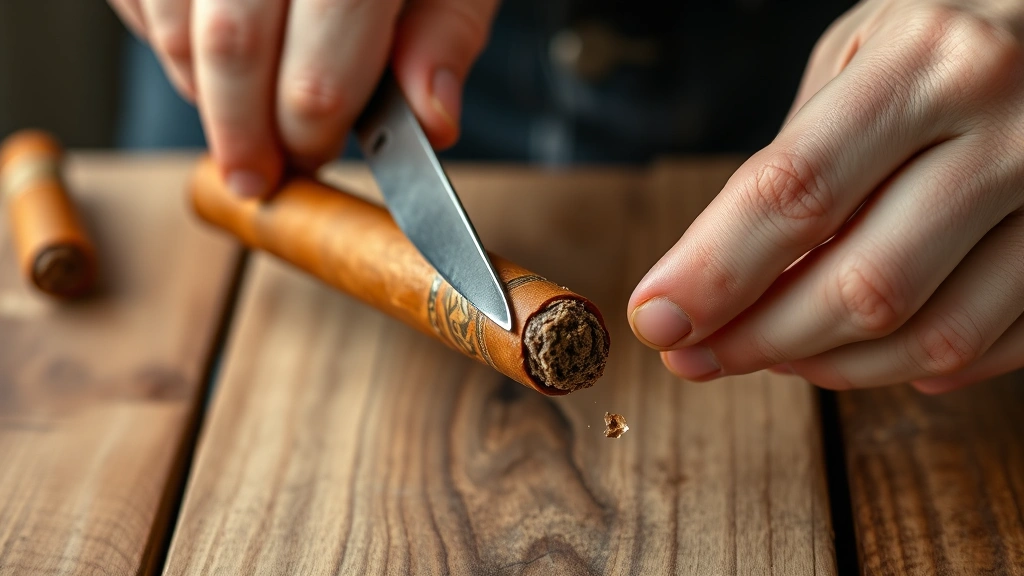
- Make Your First Cut: Using a sharp knife or cigar tool, carefully cut lengthwise along the seam of the cigar. The seam is the naturally occurring line where the wrapper meets. Cutting along this line minimizes damage to the wrapper
- Apply Gentle Pressure: Don’t force the blade through. Let the sharpness of your tool do the work. Excessive pressure tears the wrapper and creates an uneven cut
- Split the Cigar: Once you’ve cut along the seam, gently peel apart the two halves. The wrapper may stick slightly to the tobacco inside, so be patient
- Remove the Tobacco: Scoop out the tobacco from inside using your knife or a small spoon. Work carefully to avoid tearing the wrapper further
- Clean the Interior: Use your tool to scrape away any remaining tobacco or debris from the inside of the wrapper. A clean interior ensures even packing later
- Inspect the Wrapper: Check for tears or holes. Small imperfections can be sealed later, but major damage may require starting over
The hallmark of experienced rollers is their ability to hollow a cigar without damaging the wrapper. This comes from understanding that your tool should glide rather than hack. A serrated knife works differently than a straight blade—experiment with both to find what suits your style.
Some people prefer to hollow the cigar by inserting a tool into the end and working from the inside out. Others use a lengthwise cut. Neither method is objectively superior; choose whichever feels most natural and reliable for you.
Packing and Rolling Technique
Now comes the creative and technical part of the process. How you pack and roll your blunt determines its burn rate, draw, and overall smoking experience.
The Packing Process:
- Prepare Your Material: Break down your rolling material into small, even pieces. Consistency in size ensures even burning and a smooth draw
- Start at One End: Begin packing at one end of the hollowed cigar wrapper. Use small pinches of material, pressing gently as you go
- Work Your Way Along: Gradually move along the wrapper, packing as you go. Don’t overstuff; the material should be firm but not compressed so tightly that it restricts airflow
- Maintain Even Density: The goal is uniform density throughout. Uneven packing creates hot spots and uneven burns
- Pack to the Brim: Fill the wrapper completely, leaving just enough room to seal it closed
The rolling motion is where technique truly shines. Once your material is packed, you’ll gently roll the wrapper around it, similar to how you’d how to smoke a cigar involves understanding the wrapper’s role. The wrapper must be taut but not so tight that it tears. This requires a delicate touch developed through practice.
Many experienced rollers use their thumbs and forefingers to roll, maintaining consistent pressure throughout. The motion should be smooth and deliberate, not rushed. Think of it as a meditative action rather than a hurried task.
Sealing and Finishing Touches
The final stage determines whether your blunt holds together and presents well. A proper seal is the mark of a quality roll.
Sealing Techniques:
- Moisture Method: Lightly dampen the edge of the wrapper with your tongue or a small amount of water. This activates the natural adhesive in the wrapper
- Heat Seal: Some prefer running a lighter along the seam to seal it. This method requires practice to avoid burning the wrapper
- Combination Approach: Use moisture first, then apply gentle heat to set the seal
The seal should be tight enough that the blunt holds together but not so aggressive that you crush the structure you’ve carefully built. If you notice small tears or gaps, you can patch them with tiny pieces of wrapper from the cigar you hollowed earlier.
Once sealed, allow your blunt to sit for a few minutes before smoking. This gives the wrapper time to set and ensures the seal holds. A properly sealed blunt will maintain its structural integrity throughout the smoking experience.
Pro Tips for Perfect Rolls
These insights come from years of rolling experience and represent the difference between acceptable and exceptional blunts.
Advanced Techniques:
- Temperature Matters: Work in a space that’s comfortably warm but not hot. Cold environments make wrappers brittle; excessive heat makes them too pliable
- Humidity Control: If your environment is very dry, lightly mist your cigars with water before hollowing. If it’s humid, allow cigars to dry slightly
- Grind Consistency: A properly ground material burns more evenly than chunks or inconsistent pieces. Invest in a quality grinder
- Practice the Roll: Before packing, practice rolling an empty wrapper to develop muscle memory and understand how much pressure it can handle
- Two-Hand Technique: Use both hands during packing and rolling. One hand stabilizes while the other packs or rolls. This prevents collapse and ensures even pressure
- Rest Between Rolls: Don’t rush into rolling another immediately after finishing one. Your hands and focus need breaks
Developing consistency takes time. Don’t expect your first blunt to be perfect. Each roll teaches you something—what works, what doesn’t, and how to adjust. Keep notes on what cigars work best for you, what packing density you prefer, and what sealing method produces the most reliable results.
Common Mistakes and Solutions
Even experienced rollers encounter problems. Knowing how to identify and fix issues prevents wasted materials and frustration.
Problem: Wrapper Tears During Hollowing
Solution: You’re applying too much pressure or using a dull blade. Sharpen your tool and let it do the work. Make multiple light passes rather than one aggressive cut. If the tear is small, you can patch it during sealing.
Problem: Uneven Burn
Solution: Your packing density was inconsistent. Pack more carefully, ensuring uniform pressure throughout. Also, ensure your material is ground to consistent size. Larger pieces burn faster than fine material.
Problem: Blunt Won’t Stay Sealed
Solution: The wrapper might be too dry. Apply slightly more moisture before sealing. If using heat, apply it more gently. You might also be sealing too aggressively, which can separate the layers.
Problem: Material Falls Out During Smoking
Solution: You didn’t pack firmly enough or your seal failed. Practice applying more consistent pressure during packing. Ensure your seal covers the entire seam with no gaps.
Problem: Difficult Draw
Solution: You’ve overpacked, restricting airflow. Use less material or pack with lighter pressure. Remember, the goal is firm but not compressed.
The most common mistake beginners make is expecting perfection immediately. Rolling is a skill that develops through repetition. Your tenth blunt will be noticeably better than your first, and your fiftieth will be significantly better than your tenth. Embrace the learning curve.
Frequently Asked Questions
What’s the difference between rolling a blunt and rolling a joint?
The primary difference is the rolling medium. Rolling a joint uses specialized rolling papers, while a blunt uses a hollowed cigar wrapper. Blunts typically burn slower and produce more smoke. The hollowing process for a blunt is also more involved than simply rolling with papers.
How long does it take to roll a blunt?
For beginners, expect 5-15 minutes for your first attempts. With practice, most people can roll a quality blunt in 2-5 minutes. Speed comes naturally as your hands develop muscle memory and your technique becomes more efficient.
Can I reuse the tobacco from the hollowed cigar?
Absolutely. Many rollers save the hollowed tobacco and mix it with their rolling material. This extends your supply and creates a unique blend. Just ensure the tobacco is dry and free of debris before storing it.
What’s the best cigar size for beginners?
Start with standard-sized cigars, roughly 5-6 inches long. They’re large enough to work with comfortably but not so massive that they’re overwhelming. As you develop skill, experiment with different sizes.
How should I store my finished blunts?
Keep them in a cool, dry place away from direct sunlight. An airtight container works well. Avoid storing them in humidity-controlled environments, as excessive moisture can make them difficult to smoke. Room temperature is ideal.
Why does my wrapper keep tearing?
Most likely, your cigar is too dry or your tool is dull. Ensure your cigar has been properly stored and has appropriate moisture content. Also, check that your blade or tool is sharp enough to cut cleanly without requiring pressure.
Can I use any cigar for rolling?
Technically, yes, but quality varies significantly. Budget cigars often have weak wrappers that tear easily. Invest in mid-range or premium cigars for better results. You’ll find the improved experience worth the modest extra cost.
What’s the ideal packing density?
Think of it as firm but not compressed. Your material should be tightly packed enough that it won’t fall out, but loose enough that air flows through smoothly. This balance develops through practice and experimentation.
How do I know when my blunt is ready to smoke?
Allow it to sit for 5-10 minutes after sealing. The wrapper should feel set and secure. If you gently squeeze it and the seal holds without any give, you’re ready to go.
What’s the learning curve for rolling blunts?
Most people can roll an acceptable blunt after a few attempts. True proficiency—consistent, aesthetically pleasing rolls—typically develops after 20-50 practice rounds. Don’t get discouraged if your early attempts are imperfect.

Related Posts

How Long to Boil Lobster Tails: Cooking Guide

How Long to Fly from New York to London? Travel Times
