
How to Prune Tomato Plants: Expert Guide
How to Prune Tomato Plants: Expert Guide
There’s something deeply satisfying about watching a tomato plant flourish under your care—until you realize it’s grown into an unruly jungle that looks more like a botanical experiment gone wrong. If you’ve ever stood in front of an overgrown tomato plant wondering where to even start, you’re not alone. The good news? Pruning tomato plants isn’t complicated, and it’s one of the most impactful things you can do to boost your harvest.
Proper pruning isn’t just about aesthetics (though a well-maintained plant certainly looks nicer). Strategic trimming improves air circulation, reduces disease, directs the plant’s energy toward fruit production, and makes harvesting infinitely easier. Whether you’re growing indeterminate varieties that sprawl like vines or compact determinate types, understanding the fundamentals of tomato pruning transforms your gardening results.
This guide walks you through everything you need to know—from identifying what to remove to timing your cuts perfectly. You’ll learn techniques that professional growers use and discover how to customize your approach based on your specific tomato varieties.
Why Prune Tomato Plants
Before grabbing your pruning shears, it helps to understand what pruning actually accomplishes. Many beginner gardeners hesitate to remove plant material, fearing they’re harming their tomatoes. The reality is the opposite—strategic pruning enhances plant health and productivity.
Improved air circulation stands at the top of the benefits list. When foliage is dense and tangled, moisture gets trapped between leaves, creating ideal conditions for fungal diseases like early blight and powdery mildew. Pruning opens up the canopy, allowing air to flow freely and leaves to dry quickly after rain or watering. This single factor can mean the difference between a thriving plant and one plagued by disease.
Energy redirection is another crucial benefit. Tomato plants put significant effort into growing stems, leaves, and shoots. By removing unnecessary growth, you’re essentially telling the plant, “Stop making foliage and focus on making fruit.” The plant redirects those resources toward fruit development and ripening, giving you more tomatoes and better flavor.
Easier harvesting and maintenance shouldn’t be underestimated. A pruned plant is a manageable plant. You can actually see your tomatoes, reach them without getting scratched by branches, and spot problems early. Maintenance tasks like watering and checking for pests become less like navigating a jungle and more like tending a garden.
Understanding Your Tomato Type
Not all tomatoes benefit equally from pruning, so identifying your variety matters. Tomato plants fall into two main categories, and your pruning approach depends on which you’re growing.
Indeterminate tomatoes are the sprawling, never-quit growers. These varieties continue growing taller and producing new flowers throughout the season—they’re the marathon runners of the tomato world. Popular indeterminate varieties include cherry tomatoes, many heirloom types, and most sauce tomatoes. These plants absolutely benefit from pruning because without it, they become unwieldy monsters that shade their own fruit and harbor disease.
Determinate tomatoes are compact, bushy plants that grow to a predetermined size and produce most of their fruit within a concentrated window. These are often favored for canning and sauce-making because they ripen simultaneously. Determinate varieties need lighter pruning since aggressive removal can reduce your overall yield. Think of them as naturally self-regulating, whereas indeterminate varieties need your guiding hand.
If you’re unsure which type you have, check your seed packet or plant label. If it says “determinate” or “bush,” prune conservatively. If it says “indeterminate” or “vining,” you have more freedom to prune aggressively. This distinction is as important as understanding the difference between how to prune roses, where different rose varieties require different approaches.
Essential Tools and Preparation
You don’t need an extensive tool collection to prune tomatoes effectively. Quality matters more than quantity.
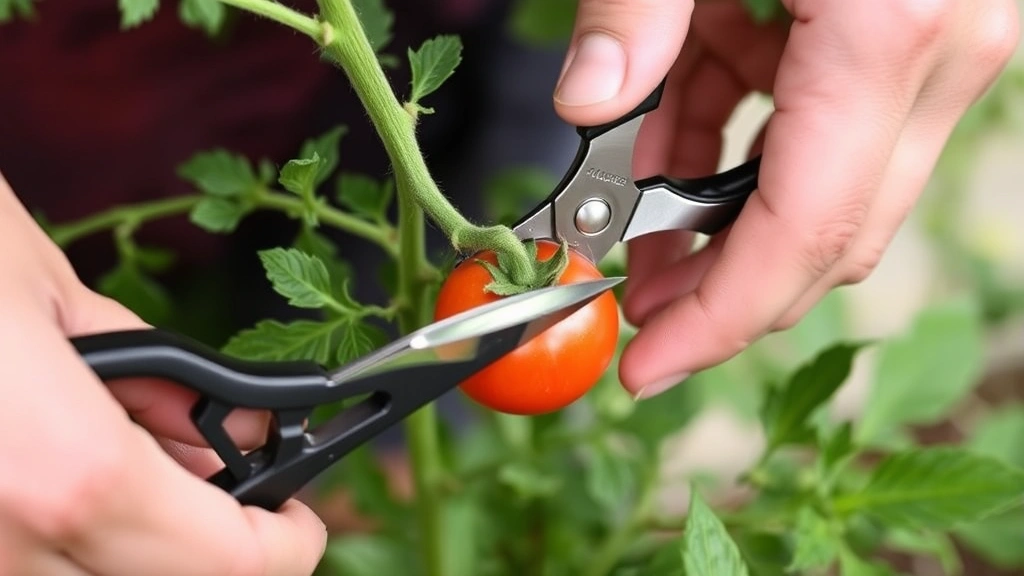
Hand pruners (secateurs) are your primary tool. Look for bypass pruners rather than anvil-style cutters—they make cleaner cuts that heal faster. Sharp pruners are non-negotiable. Dull blades crush stems instead of cutting cleanly, creating wounds that invite disease. Maintain your pruners by wiping the blades with rubbing alcohol before moving between plants to prevent spreading disease.
Loppers handle thicker stems that hand pruners can’t manage. A sturdy pair extends your reach and provides the leverage needed for woody growth.
Garden gloves protect your hands from prickly stems and provide better grip control. Tomato plants have surprisingly sharp hairs on their stems that can irritate skin.
Before you start pruning, prepare your plants by watering them well the day before. Hydrated plants handle pruning stress better than drought-stressed ones. Also, prune on a dry day if possible—moisture on leaves increases disease transmission risk.
Core Pruning Techniques
Understanding how to make the cut properly is foundational. A well-executed cut heals quickly and minimizes stress on the plant.
Make cuts just above leaf nodes. Leaf nodes are the points where leaves emerge from the stem. Cutting just above a node leaves a healthy tissue area that seals properly. Avoid leaving long stubs—they attract disease and look messy. Your cut should be clean and close without damaging the remaining tissue.
Remove growth in stages. Don’t strip a plant bare in one aggressive session. Removing too much foliage at once can shock the plant and expose fruit to sunscald. Instead, spread pruning sessions across the growing season, removing a moderate amount each time.
Work from the bottom up. Start by removing lower growth, then work your way up the plant. This approach prevents you from accidentally removing growth you wanted to keep and makes it easier to see what you’re doing.
The techniques you’ll use parallel methods employed in other plant care. For instance, understanding how to propagate pothos teaches you about plant growth patterns and cutting techniques that apply to various plants, including tomatoes.
Removing Suckers: The Main Event
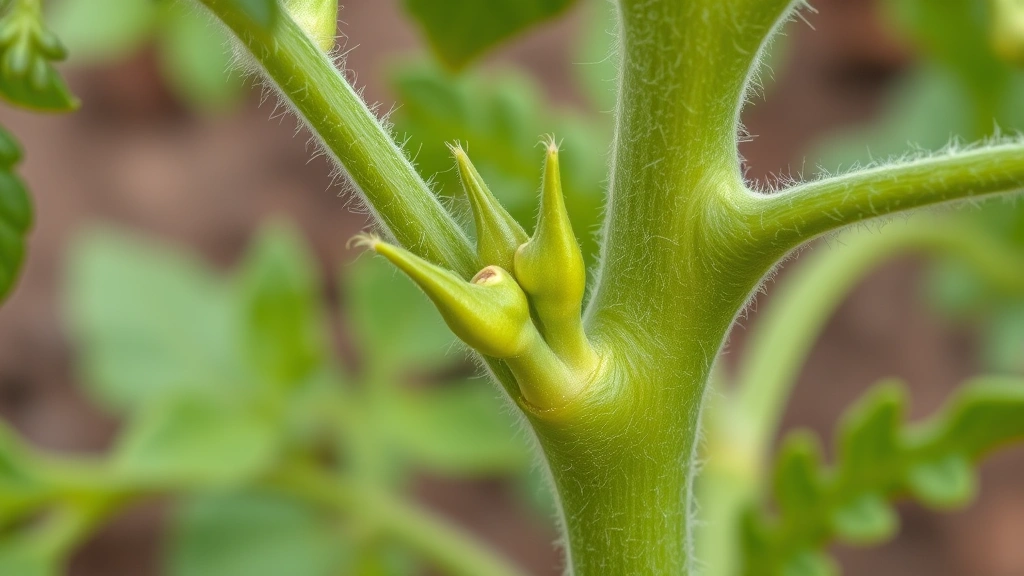
Suckers are the primary focus of tomato pruning, and understanding them is crucial to mastering this skill. A sucker is a shoot that grows in the crotch—the V-shaped area where the main stem splits into branches. These shoots emerge aggressively and, if left unchecked, create a dense, bushy plant that wastes energy on foliage rather than fruit.
Identifying suckers requires a trained eye initially, but you’ll quickly develop the skill. Look for shoots emerging from the angles between the main stem and primary branches. They’re distinct from regular branches because they grow from that V-shaped junction. Pinch them off when they’re small and tender—they’re easier to remove and cause minimal stress to the plant.
Timing matters significantly. Remove suckers while they’re young and small, ideally when they’re 2-4 inches long. At this stage, you can often pinch them off with your fingers without tools. Waiting until they’re woody and substantial means you’ll need pruning shears, and the plant experiences more trauma.
For indeterminate varieties, remove most suckers to maintain 1-2 main stems. This might sound aggressive, but it’s exactly what commercial growers do. Some gardeners prefer a slightly bushier plant, so they leave a few more suckers. Experiment to find what works for your space and preferences.
For determinate varieties, be more conservative. Remove only the most aggressive suckers, and leave more of the plant’s natural branching structure intact. The compact growth habit means you have less pruning work anyway.
A helpful comparison is understanding that while how to grow garlic involves entirely different techniques, both practices require timing and understanding plant growth patterns to maximize yields.
Removing Lower Leaves
Beyond suckers, removing lower leaves provides significant disease-prevention benefits. Lower leaves spend considerable time touching soil, and soil harbors disease spores—particularly those causing early blight and septoria leaf spot.
When to remove lower leaves depends on your plant’s development. Once your plant reaches about 12-18 inches tall, you can start removing the lowest leaves. Continue this practice throughout the season, always maintaining a bare zone of 6-12 inches above soil level. This creates a buffer zone between disease-harboring soil and your plant’s foliage.
Remove yellowing leaves immediately. Yellowing typically indicates disease or nutrient issues. Removing affected leaves prevents the problem from spreading and keeps your plant looking healthy. Don’t let these leaves linger thinking they’ll recover—they won’t, and they’re a liability.
Never remove more than one-third of the plant’s foliage at once. Leaves are the plant’s food factories, producing energy through photosynthesis. Removing too many leaves at once limits the plant’s ability to produce energy and can stunt growth or reduce fruit production.
Think of this process similarly to ongoing plant maintenance—just as you’d monitor and maintain conditions when how to grow onions to prevent disease and optimize growth, consistent leaf removal keeps your tomatoes healthy and productive.
Timing Your Pruning Schedule
When you prune matters as much as how you prune. Timing affects plant recovery and disease risk.
Early season pruning (when plants are 12-18 inches tall) focuses on establishing a strong structure. Remove suckers to establish your desired stem count, and remove lower leaves. This early investment in pruning pays dividends throughout the season.
Mid-season pruning (when plants are flowering and fruiting) becomes maintenance-focused. Continue removing suckers and diseased leaves, but be more conservative overall. The plant is now directing energy toward fruit production, and excessive pruning can interfere with that process.
Late-season pruning (6-8 weeks before first frost) involves removing flower clusters and some foliage to redirect energy toward ripening existing fruit rather than producing new blooms that won’t mature before frost. This technique is particularly valuable in northern climates with short seasons.
Prune in the morning. Morning pruning allows cut wounds to dry quickly, reducing disease risk. Avoid pruning on wet days or when dew still covers plants.
For a comprehensive resource on timing and technique, This Old House’s tomato growing guide provides detailed seasonal recommendations.
Common Pruning Mistakes to Avoid
Even with good intentions, pruning mistakes can compromise your harvest. Learning what to avoid saves frustration and improves results.
Over-pruning is the most common mistake. Enthusiastic gardeners sometimes remove too much foliage, leaving the plant weakened and stressed. Remember: leaves are energy-producing organs. Remove only what’s necessary, not everything possible.
Pruning too late in the season creates problems. Cuts made late in the season don’t heal properly before frost arrives, and removing foliage reduces the plant’s ability to ripen existing fruit. A good rule: stop major pruning 6-8 weeks before your first expected frost.
Using dull or dirty tools spreads disease and creates ragged wounds. Sterilize your pruners between plants by wiping with rubbing alcohol or bleach solution. Keep blades sharp by honing them regularly.
Removing all foliage to increase sunlight exposure backfires. Tomato fruit actually needs some shade protection. Excessive sunlight can cause sunscald—white, papery patches on the fruit where direct sun exposure damages tissue. Maintain adequate foliage to provide dappled shade.
Ignoring variety-specific needs leads to disappointment. Determinate varieties don’t respond well to aggressive pruning. If you’re growing determinate types, acknowledge their natural compact growth and prune accordingly.
For additional expert guidance on avoiding common mistakes, Family Handyman’s tomato growing article offers practical troubleshooting tips.
Frequently Asked Questions
Can I prune tomatoes with my hands, or do I need pruning shears?
For small, tender suckers, your fingers work perfectly fine—just pinch them off. However, for thicker stems and more substantial growth, proper pruning shears make cleaner cuts that heal faster. Once suckers become woody, trying to remove them by hand can damage the main stem. Keep shears handy for anything thicker than a pencil.
What’s the difference between removing suckers and removing branches?
Suckers grow from the crotch between the main stem and branches—those V-shaped areas. Regular branches grow directly from the main stem. You remove suckers to control the plant’s shape and direct energy toward fruit. You remove branches only if they’re diseased or significantly damaged. Most of your pruning work involves sucker removal.
Will pruning reduce my tomato yield?
Proper pruning actually increases yield by directing the plant’s energy toward fruit production rather than excessive foliage. However, over-pruning can reduce yield. The key is balance—remove enough to improve air circulation and focus growth, but not so much that you compromise the plant’s energy production. For indeterminate varieties, you can prune more aggressively; for determinate types, be conservative.
Can I prune determinate tomatoes the same way as indeterminate varieties?
No. Determinate varieties have naturally compact growth and produce most fruit within a concentrated period. Aggressive pruning can significantly reduce your harvest. With determinate tomatoes, remove only the most problematic suckers and focus more on removing diseased leaves. Let them maintain their natural bushy structure.
How do I know if I’ve pruned too much?
If you’ve removed more than one-third of the plant’s foliage or if the plant looks skeletal with sparse leaves, you’ve pruned too aggressively. The plant needs adequate foliage to produce energy and protect fruit from sunscald. If this happens, stop pruning and let the plant recover—new growth will emerge relatively quickly.
Should I remove flower clusters to focus energy on existing fruit?
Late in the season (6-8 weeks before first frost), removing new flower clusters makes sense because those flowers won’t produce fruit before frost arrives anyway. Removing them redirects energy toward ripening existing tomatoes. Earlier in the season, leave flowers intact—they’re future fruit, and removing them reduces your harvest.
What’s the best way to sterilize pruning shears between plants?
Wipe blades with rubbing alcohol or a 10% bleach solution (one part bleach to nine parts water). Allow them to air dry. This simple step prevents spreading diseases like early blight from one plant to another. Make sterilization part of your routine—it only takes 30 seconds and prevents significant problems.
Can I compost the pruned material?
Healthy green growth can be composted, but don’t compost diseased leaves or stems. Disease spores can survive composting unless your pile reaches temperatures above 140°F for extended periods. When in doubt, dispose of diseased material in the trash rather than risk contaminating your compost.
Is there a difference between pruning cherry tomatoes and large slicing tomatoes?
Most cherry tomato varieties are indeterminate and very vigorous, so they benefit from aggressive pruning to maintain manageable size and good air circulation. Large slicing tomatoes vary—some are determinate, others indeterminate. Check your specific variety. Generally, you can prune cherry tomatoes more aggressively than most other types.

Related Posts

How Long to Boil Lobster Tails: Cooking Guide

How Long to Fly from New York to London? Travel Times
