
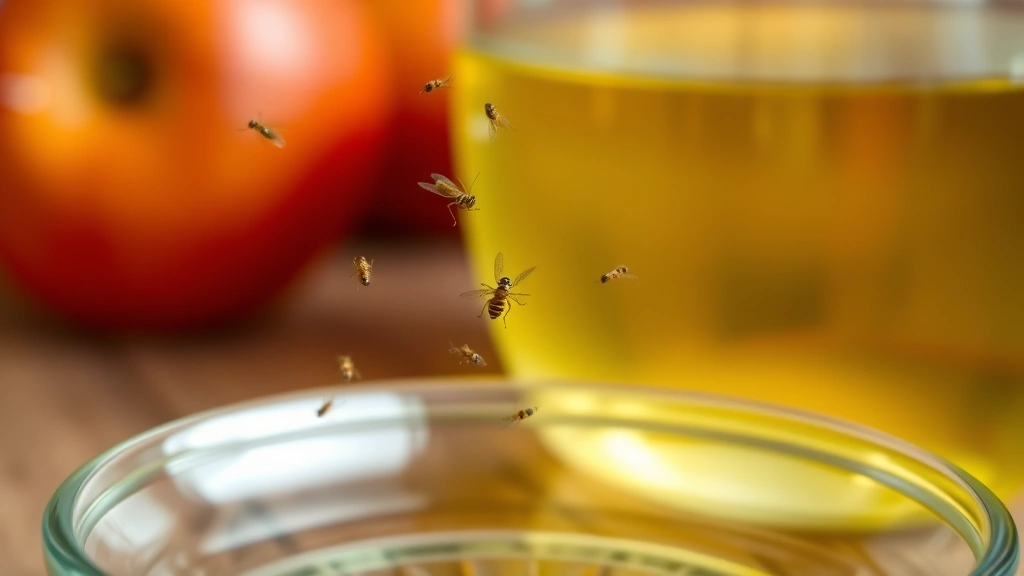
How to Eliminate Gnats: Expert Guide
How to Eliminate Gnats: Expert Guide to Reclaiming Your Home
Gnats are one of those household nuisances that seem to multiply overnight, turning a peaceful evening into a swatting marathon. These tiny flying insects don’t just annoy you—they contaminate food, spread bacteria, and create an unhygienic environment that nobody wants to deal with. The frustrating part? They’re remarkably resilient and often return even after you think you’ve won the battle.
The good news is that eliminating gnats isn’t impossible. It requires understanding what attracts them, identifying which type is invading your space, and then executing a strategic elimination plan. Whether you’re dealing with fruit flies hovering over your kitchen counter or fungus gnats in your houseplants, this comprehensive guide will walk you through proven methods to reclaim your home from these persistent pests.
What makes gnat control tricky is that different types of gnats require different approaches. A solution that works for one species might be completely ineffective for another. That’s why we’re breaking down everything you need to know—from immediate action steps to long-term prevention strategies that actually stick.
Identifying Your Gnat Problem
Before you can effectively tackle your gnat situation, you need to understand what you’re actually dealing with. Gnats are incredibly small—most species measure between 1/8 and 1/10 of an inch—which makes identification challenging. However, a few telltale signs indicate you’ve got a gnat infestation rather than some other flying pest.
Look for small dark insects flying in erratic patterns, particularly around kitchens, bathrooms, or areas where moisture accumulates. Gnats tend to congregate near their food and breeding sources, so pay attention to where you’re spotting them most frequently. If you notice them hovering around fruit bowls, damp soil in potted plants, or near drains, you’ve likely identified your problem area.
The behavior of gnats is also distinctive. Unlike flies that land and stay put, gnats tend to hover and dart around unpredictably. You might see them creating small clouds above surfaces, which is actually a mating behavior. If you’re seeing this pattern in your home, it’s time to take action before the population explodes exponentially.
Common Types of Gnats
Understanding which type of gnat you’re dealing with is crucial because treatment methods vary significantly. The three most common household gnat types are fruit flies, fungus gnats, and drain gnats, each with distinct preferences and vulnerabilities.
Fruit Flies are attracted to fermenting fruits and vegetables, alcohol, vinegar, and sugary substances. These are the gnats you’ll typically find swarming around your fruit bowl or hovering near the trash can. They breed at an alarming rate—a single female can lay up to 500 eggs—which explains why an infestation seems to appear overnight.
If you’re specifically dealing with fungus gnats, you’re likely noticing them around your houseplants or in areas with consistently moist soil. These gnats feed on fungi and decaying organic matter in soil, making potted plants their ideal habitat. They’re particularly problematic because they can damage plant roots while also being incredibly annoying as adults.
Gnats in plants present a specific challenge since you need to eliminate them without harming your vegetation. The larvae live in the soil, so surface treatments alone won’t solve the problem. You’ll need to address both the adult population and the breeding ground simultaneously.
Drain gnats, sometimes confused with drain flies, breed in the buildup of organic matter inside pipes and drains. These gnats are particularly problematic because their breeding ground is hidden from view, making them harder to eliminate without targeting the source directly.

Immediate Solutions That Work
When you’ve confirmed you have a gnat problem, your first instinct might be to grab an insecticide spray. While that might provide temporary relief, it’s not addressing the root cause. Effective gnat elimination requires a multi-pronged approach that tackles both the adult insects and their breeding sources.
Step One: Remove Attractants
Start by eliminating what’s drawing gnats to your home. This means:
- Taking out overripe or rotting fruit immediately
- Emptying trash cans regularly, especially those containing food waste
- Wiping down counters and surfaces where sticky residue accumulates
- Cleaning up spills promptly, particularly around appliances
- Storing open beverages in sealed containers
- Removing pet food dishes after feeding times
Step Two: Address Moisture Issues
Gnats are attracted to moisture like moths to flame. Check your home for:
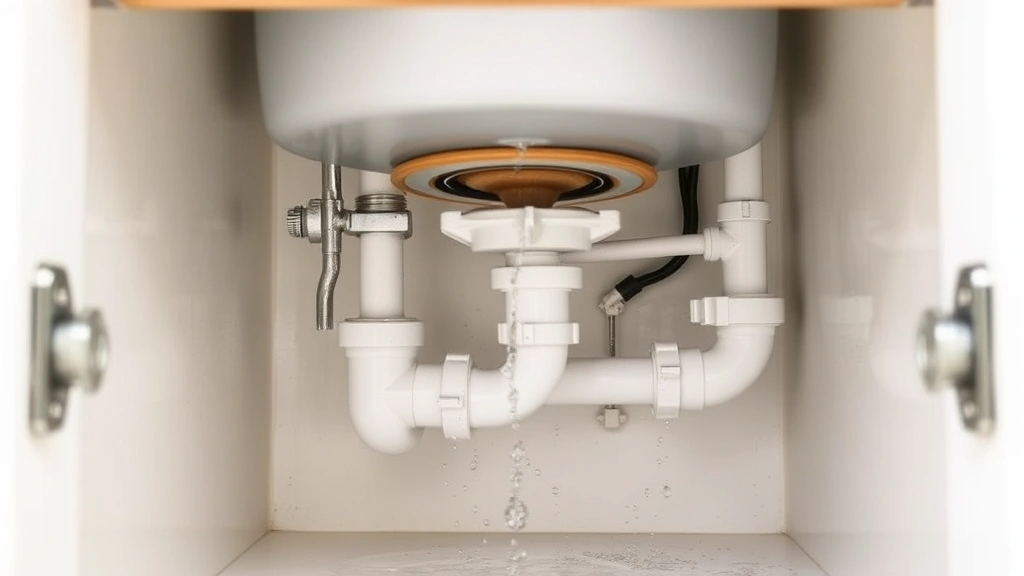
- Leaky pipes under sinks
- Overwatered houseplants with soggy soil
- Damp areas in bathrooms or basements
- Condensation around windows or HVAC systems
Reducing humidity and moisture eliminates the environment gnats need to thrive. If you’ve been running a humidifier, ensure it’s clean and operating at appropriate humidity levels (ideally 30-50% for most homes).
Step Three: Create Gnat Traps
While you’re addressing the underlying problem, you need to reduce the adult gnat population. Apple cider vinegar traps are remarkably effective and require minimal setup. Fill a shallow bowl with apple cider vinegar, add a few drops of dish soap, and place it near where you’ve been seeing gnats. The vinegar attracts them, and the soap breaks the surface tension, causing them to drown. Replace the trap every couple of days until gnat activity ceases.
For a more sophisticated trap, use a clear glass or jar with a funnel inserted into the top (rolled paper works fine). Place fermenting fruit or vinegar inside, and gnats will fly in but struggle to find their way out. Check and empty these traps daily for best results.
Natural and Chemical Elimination Methods
Once you’ve removed attractants and set traps, it’s time to eliminate the breeding populations. You have several options ranging from completely natural to chemical-based, depending on your comfort level and severity of infestation.
Natural Methods
Diatomaceous earth (food-grade only) is a powder that’s lethal to insects but safe for humans and pets. When applied to soil in potted plants, it dehydrates insect exoskeletons. Sprinkle a thin layer on the soil surface and work it in slightly. Reapply after watering since moisture reduces its effectiveness.
Neem oil is another natural option derived from the neem tree. Mix it according to package directions and spray affected areas, particularly soil in planters. It disrupts insect reproduction and acts as a repellent. You’ll typically need to apply it every 7-10 days for 2-3 weeks to break the gnat lifecycle.
For eliminating gnats throughout your house, cinnamon is surprisingly effective. Sprinkle ground cinnamon on soil surfaces—gnats dislike the smell and it inhibits fungal growth they feed on. It’s completely safe for both plants and people.
Chemical Methods
If natural methods aren’t delivering results within two weeks, chemical treatments become necessary. Gnat-specific insecticides containing pyrethrin or permethrin are available at most hardware stores. Follow package directions carefully, as improper use can be ineffective or harmful.
For drain gnats specifically, enzymatic drain cleaners designed to break down organic buildup work better than harsh chemicals. Pour the product down affected drains and let it sit overnight before flushing with hot water. You may need to repeat this process several times.
Insect growth regulators (IGRs) like pyrethrins prevent larvae from developing into adults, essentially breaking the reproduction cycle. These are particularly useful for fungus gnat infestations in soil since they target the juvenile population where it’s most vulnerable.
When using any chemical product, ensure proper ventilation, keep pets and children away from treated areas, and read all safety warnings. Many professionals recommend combining methods—removing attractants, using traps, and applying targeted treatments simultaneously for fastest results.
Prevention Strategies for Long-Term Success
Eliminating your current gnat infestation is only half the battle. Preventing future invasions requires establishing habits and home conditions that make your space inhospitable to gnats.
Kitchen Practices
Your kitchen is gnat ground zero. Implement these daily practices:
- Store fruit in the refrigerator rather than on counters
- Keep garbage cans sealed and empty frequently
- Rinse bottles and cans before recycling to remove residual beverages
- Don’t leave dirty dishes in the sink overnight
- Wipe down appliances regularly, especially dishwashers and garbage disposals
- Store compost in sealed containers, not open bowls
Plant Care
If you enjoy houseplants, adjust your watering habits to prevent fungus gnats from returning. Allow soil to dry slightly between waterings—gnats thrive in constantly moist conditions. Use well-draining potting soil specifically formulated to reduce fungal growth. When repotting plants, use fresh soil rather than reusing old soil that might contain gnat larvae.
Bathroom and Plumbing Maintenance
Monthly drain maintenance prevents gnat breeding grounds from establishing in your pipes. Pour boiling water down drains, followed by baking soda and vinegar for a natural cleaning action. For stubborn buildup, use an enzymatic drain cleaner monthly as preventive maintenance.
Fix any leaky pipes promptly and ensure bathroom exhaust fans are functioning properly to reduce moisture accumulation. Gnats can’t establish populations in dry environments, so controlling humidity is a powerful prevention tool.
Seasonal Vigilance
Gnat problems often spike during warmer months when they reproduce fastest. Increase your preventive measures during spring and summer. More frequent trash disposal, more careful fruit storage, and more diligent drain cleaning during these seasons can prevent infestations before they start.
If you’ve previously dealt with wasps or other household pests, you understand how quickly infestations can spiral. The same principle applies to gnats—prevention is far easier than elimination. Establishing these habits now saves you from dealing with swarms later.
Frequently Asked Questions
How long does it take to eliminate gnats completely?
The timeline depends on infestation severity and your treatment approach. If you remove attractants and use traps immediately, you might see significant improvement within 3-5 days. However, complete elimination typically takes 1-2 weeks because you need to break the entire lifecycle. Gnats go from egg to adult in about 8-10 days, so you need sustained treatment through at least two reproduction cycles to ensure no stragglers remain.
Can I use regular bug spray to kill gnats?
Regular household bug spray designed for larger insects often isn’t effective against gnats because of their small size and rapid reproduction. You’ll get better results using products specifically formulated for gnats or small flying insects. That said, removing their food and breeding sources is far more effective than any spray alone. Spray works best as part of a comprehensive strategy, not as a standalone solution.
Why do gnats keep coming back?
Gnats return because you haven’t eliminated their breeding source. Even if you kill all visible adults, if the conditions that attracted them remain—overripe fruit, moist soil, organic buildup in drains—new gnats will emerge from eggs or larvae you didn’t see. This is why addressing attractants is just as important as treating the insects themselves. It’s also why getting rid of gnats in the house requires patience and persistence through multiple treatment cycles.
Are gnats dangerous to humans?
Gnats don’t bite or sting, and they don’t transmit serious diseases to humans. However, they do contaminate food surfaces and can spread bacteria. The primary issue is the annoyance factor and the hygiene concern of having insects crawling on your food preparation surfaces. For people with respiratory sensitivities, large gnat populations might cause minor irritation.
What’s the best gnat trap for quick results?
Apple cider vinegar traps deliver the fastest visible results because they immediately start reducing adult gnat populations. However, they only address adults, not larvae or eggs. For comprehensive results, combine vinegar traps with attractant removal and breeding ground treatment. The combination typically shows results within 3-4 days, while vinegar traps alone might take longer to show obvious improvement.
Should I throw away my houseplants if they have gnats?
Absolutely not—you can save your plants. The key is treating the soil while keeping the plant alive. Allow soil to dry out more between waterings, which kills larvae. Apply food-grade diatomaceous earth to the soil surface, or use an insect growth regulator specifically formulated for use on plants. Most houseplants recover completely once you’ve eliminated the gnat infestation, though you may notice slightly slower growth during treatment.

Related Posts

How Long to Boil Lobster Tails: Cooking Guide

How Long to Fly from New York to London? Travel Times
