
How to Get Rid of Wasps: Expert Guide
How to Get Rid of Wasps: Expert Guide to Reclaiming Your Outdoor Space
There’s nothing quite like the panic that sets in when a wasp buzzes past your ear during a peaceful afternoon on the patio. These stinging insects can transform a relaxing day into a tense standoff, and let’s be honest—nobody wants their outdoor entertaining derailed by aggressive flying pests. The good news? You don’t have to surrender your backyard to these unwelcome visitors.
Wasps are actually fascinating creatures from a biological standpoint, but that doesn’t make their presence any less unwelcome around your home. Unlike bees, which are gentle pollinators and crucial to our ecosystem, wasps are territorial, aggressive, and will sting repeatedly without hesitation. They’re drawn to your property for specific reasons—food sources, shelter, or nesting sites—and understanding these motivations is the first step toward effective removal.
This comprehensive guide will walk you through proven strategies to eliminate wasps from your property, from identifying the problem to implementing long-term prevention tactics. Whether you’re dealing with a single nest or an infestation, we’ve got the solutions that actually work.
Identifying Wasp Species and Nests
Before tackling your wasp problem, you need to know exactly what you’re dealing with. Not all wasps are created equal, and identification matters for both safety and treatment strategy. The most common culprits around residential properties include paper wasps, yellow jackets, and bald-faced hornets.
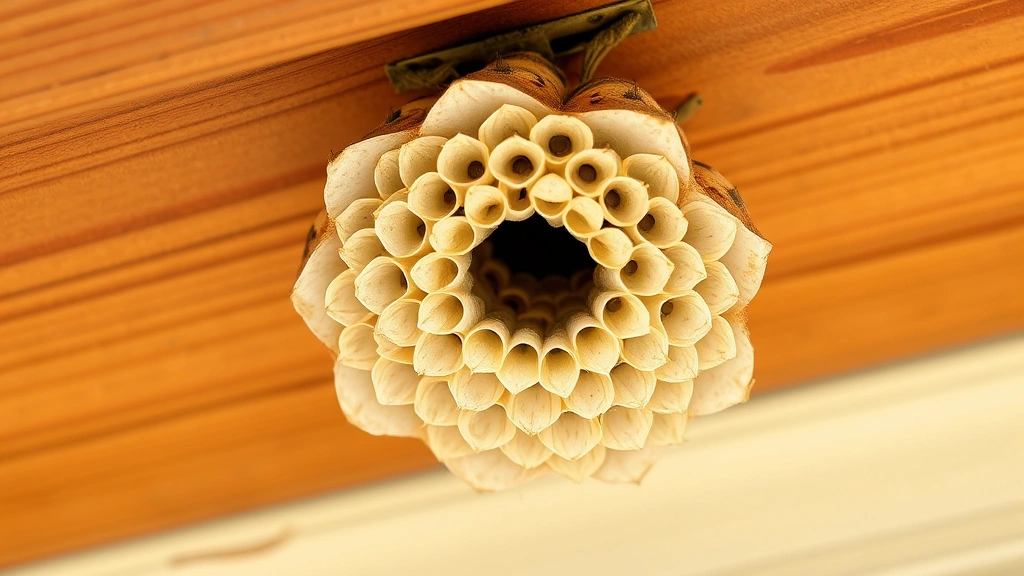
Paper wasps are the architects of those umbrella-shaped papery nests you see hanging from eaves and porch ceilings. They’re generally less aggressive than their cousins, but they’ll defend their nests vigorously if threatened. These nests are typically gray or tan and look like inverted umbrellas with exposed hexagonal cells.
Yellow jackets are the aggressive troublemakers of the wasp world. They’re attracted to food and garbage, which is why they’re notorious for crashing picnics and outdoor dining. These wasps build enclosed nests in cavities—under eaves, in walls, or underground. They’re smaller than paper wasps, with distinctive yellow and black striping.
Bald-faced hornets (technically wasps, despite the name) create large, gray, football-shaped nests high in trees or attached to structures. They’re highly defensive and will chase perceived threats a considerable distance. These are the ones you absolutely want to avoid disturbing without professional help.
Identifying the specific species will help you choose the most effective removal method. Paper wasp nests are often manageable for DIY removal, while yellow jacket colonies and bald-faced hornet nests usually require professional intervention.
Safety Considerations Before You Begin
Let’s address the elephant in the room: wasp stings hurt, and for some people, they can be dangerous. Before you attempt any removal strategy, consider these critical safety factors.
Allergies and medical conditions: If you or anyone in your household has a wasp sting allergy, skip the DIY approach entirely and call a professional. Even a mild allergy can escalate unpredictably, and you don’t want to learn this the hard way. Have epinephrine auto-injectors on hand if you know you’re at risk.
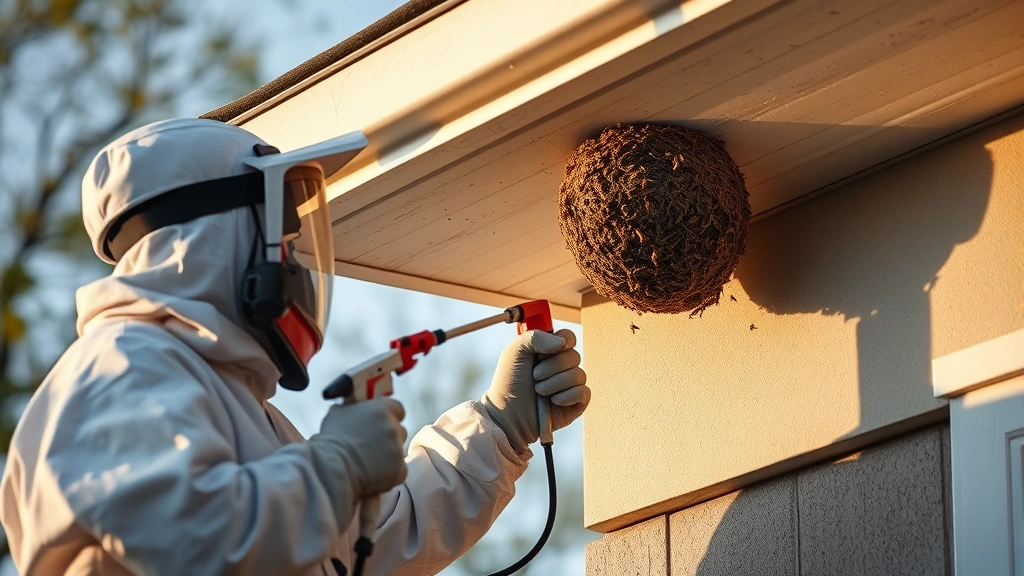
Timing matters: If you’re attempting removal yourself, do it early morning or late evening when wasps are less active. They’re sluggish in cooler temperatures and more likely to stay in the nest. Never attempt removal on warm, sunny afternoons when the colony is fully active.
Protective gear: Wear long sleeves, long pants, and closed-toe shoes. Consider wearing a bee suit or protective veil if you can get your hands on one. Apply insect repellent to exposed skin, though avoid products with bright colors or floral scents that might attract more wasps.
Plan your escape route: Before approaching a nest, identify your exit strategy. You want a clear path to run toward a building or vehicle if things go sideways. Never trap yourself in a corner or dead-end area.
Have a backup plan: Keep your phone nearby and have a list of local pest control services programmed in, just in case you need to abort and call in reinforcements.
Effective Wasp Removal Methods
Now that we’ve covered the basics, let’s explore the actual tactics for getting rid of wasps. Your approach will depend on the nest type, location, and your comfort level with DIY pest management.
Method 1: The Night Removal Approach for Paper Wasps
Paper wasp nests are the most manageable for homeowners to tackle themselves, primarily because these wasps are somewhat less aggressive than yellow jackets. Here’s the step-by-step process:
- Wait until dusk or early evening when temperatures have dropped and wasps are returning to the nest for the night
- Wear protective clothing—long sleeves, pants, gloves, and a hat at minimum
- Approach the nest slowly and deliberately, avoiding sudden movements
- Use a pressurized wasp spray designed for paper wasps, following the manufacturer’s instructions precisely
- Spray from a safe distance, typically 10-15 feet away, and aim directly at the nest
- Once the nest appears inactive, wait 24 hours before removing it with a stick or broom
- Dispose of the nest in a sealed bag in your trash
The key to success with this method is patience and respect for the insects’ defensive capabilities. These wasps can become incredibly aggressive when their nest is threatened, so move deliberately and don’t linger in the area.
Method 2: Wasp Traps and Baits
For yellow jackets and other foraging wasps, traps can be surprisingly effective, especially during spring and early summer when populations are building. There are several types of traps available:
Hanging traps: These use attractants (usually sweet liquids or pheromones) to lure wasps inside where they become trapped and drown. Hang them 15-20 feet away from your seating areas—you want to attract wasps away from where you’re enjoying your yard, not right above your head.
Bait stations: Some commercial products combine attractants with insecticide. Worker wasps carry the poisoned bait back to the nest, gradually eliminating the colony from within. These work best in spring when the colony is still small.
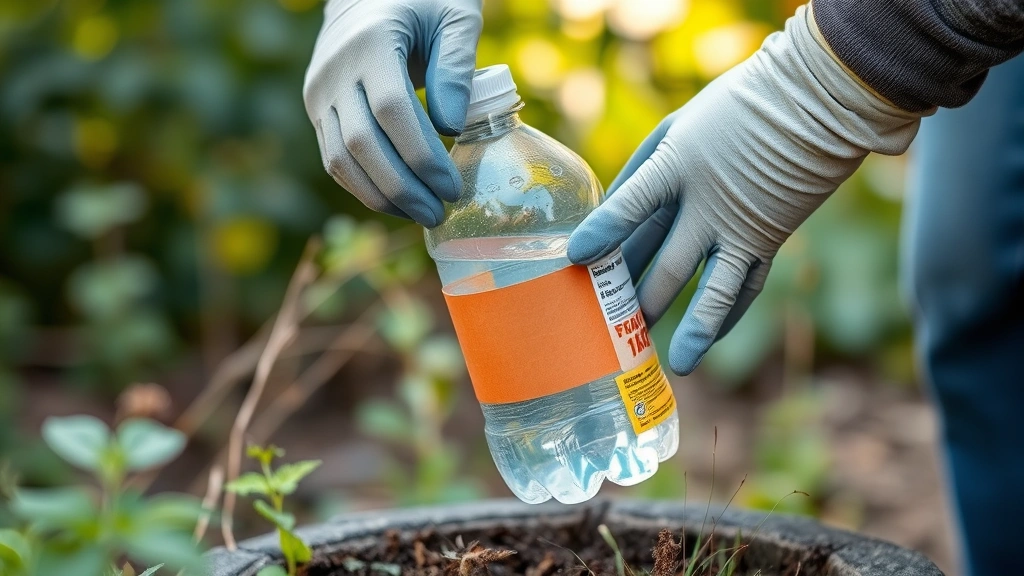
DIY traps: You can create simple traps using a 2-liter soda bottle. Cut the top third off the bottle, invert it into the bottom portion (like a funnel), and fill the bottom with a mixture of sugar water and a bit of dish soap. Wasps enter through the funnel but can’t find their way out.
The advantage of traps is that they require minimal direct confrontation with the wasps. The disadvantage is that they work gradually—you won’t see immediate results, and they’re better for managing populations than completely eliminating established colonies.
Method 3: Nest Removal with Insecticidal Dust
For nests in wall cavities or other enclosed spaces, insecticidal dust products work exceptionally well. The dust penetrates deep into the nest where spray can’t reach.
- Purchase a duster specifically formulated for wasps (pyrethrins are effective natural options)
- Apply the dust directly into the nest opening, following product instructions
- Repeat the application 3-4 days later to catch any wasps that weren’t present during the first treatment
- Wait a full week before attempting to remove the nest to ensure all wasps are dead
This method works well for yellow jacket colonies in wall voids, shed walls, or other hard-to-reach locations. The dust remains active in the nest for several days, providing residual protection against returning wasps.
Method 4: Smoke and Relocation (For the Adventurous)
Some people swear by smoking out wasps, though this method requires caution. The idea is that smoke irritates wasps and causes them to abandon the nest. You can use a smoker (like those used in beekeeping) or even a smoldering stick held at a safe distance.
The challenge with this approach is that it doesn’t actually kill the wasps—it just temporarily displaces them. They’ll often rebuild their nest in the same location or find a new spot nearby. Use this method only if you’re trying to encourage wasps to leave an area temporarily while you work, not as a permanent solution.
Method 5: Removing Ground Nests
Yellow jackets often nest underground in abandoned rodent burrows or cavities. These are particularly tricky because the nest entrance is often small, and the colony can be massive.
- Identify the entrance hole during daylight hours
- Mark it clearly so you can find it after dark
- Wait until dusk and apply insecticidal dust directly into the hole
- Seal the entrance with soil, sod, or a commercial sealant the next day
- Monitor for several days to ensure no wasps emerge
Never attempt to flood or excavate a ground nest—this enrages the wasps and puts you at serious risk of multiple stings.
Long-Term Prevention Strategies
The best wasp management is preventing them from establishing themselves in the first place. These strategies will significantly reduce your wasp problems.
Eliminate Food and Attractants
Wasps are primarily attracted to your property because you’re offering them a buffet. Removing food sources is the single most effective prevention method:
- Secure garbage: Use sealed trash cans and don’t leave bags sitting out overnight. Rinse recyclables before placing them in bins
- Clean up spills: Wipe down outdoor eating areas immediately after meals. Don’t leave food sitting out, even briefly
- Remove fallen fruit: If you have fruit trees, pick up dropped fruit regularly or rake it into piles away from living areas
- Cover compost: Keep compost bins covered and avoid adding meat, fish, or dairy products that attract wasps
- Manage pet food: Bring pet food bowls inside after meals; don’t leave them sitting out
- Seal beverage containers: Keep drinks covered when outdoors, and immediately dispose of empty cans and bottles
Remove Nesting Sites
Making your property less attractive for nest-building is equally important:
- Trim tree branches and vegetation regularly to reduce protected nesting areas
- Seal cracks and gaps in siding, fascia, and soffits with caulk
- Install screens over vents and openings
- Remove old nests in late fall or winter when they’re abandoned—this prevents wasps from reusing them
- Paint or stain exposed wood to make it less appealing for paper wasps
Use Deterrents Strategically
While not foolproof, certain deterrents can help keep wasps at bay:
Fake nests: Paper wasps are territorial and won’t build nests near existing ones. Hanging a fake nest (made of paper or plastic) can sometimes deter them from settling in that area. This works best in spring before nesting season is in full swing.
Peppermint and citrus: Some people report success with peppermint oil or citrus-scented sprays, though scientific evidence is limited. It’s worth trying as a non-toxic option, especially around seating areas.
Dryer sheets: The myth about dryer sheets repelling wasps persists, but there’s no solid evidence they work. Still, they’re harmless to try and might provide some minor benefit.
When dealing with other common yard pests, similar prevention principles apply. For instance, if you’re also managing how to get rid of carpenter bees, you’ll want to focus on sealing wood surfaces and removing dead wood—strategies that overlap nicely with wasp prevention.
When to Call the Professionals
There are definitely situations where DIY wasp removal crosses from challenging into dangerous. Here’s when you should absolutely call a pest control professional:
- Large nests: Bald-faced hornet nests or massive yellow jacket colonies require professional equipment and expertise
- Multiple nests: If you have more than one active nest, you’re likely dealing with an infestation that needs professional treatment
- Nests in difficult locations: High on the roof, in wall voids, or in dense vegetation—professionals have the tools and safety equipment
- Known allergies: If anyone in your household has a wasp sting allergy, don’t take chances
- Repeated problems: If wasps keep returning to the same location, there’s likely an underlying issue (food source, structural problem) that professionals can identify
Professional pest control companies use commercial-grade insecticides and techniques that are far more effective than consumer products. They also carry liability insurance and have the experience to handle aggressive colonies safely. The cost is usually $150-500 depending on complexity, which is a reasonable investment for your safety and peace of mind.
Dealing with Other Yard Pests
Wasp problems rarely exist in isolation. If wasps are thriving on your property, you might also be dealing with other unwelcome visitors. Understanding how to manage the broader pest ecosystem will make your yard more enjoyable overall.
If you’re noticing how to get rid of ants, you’re likely dealing with similar attractants—food sources and shelter. The garbage management and sanitation practices that work for wasps also help control ant populations.
Similarly, if you’ve got how to get rid of spiders concerns, sealing cracks and removing web-building sites addresses multiple pest issues simultaneously. Spiders actually help by eating many insects, but if you’d prefer to manage them, the same structural improvements help.
For those dealing with smaller flying pests, how to get rid of gnats in the house involves moisture management and proper food storage—again, overlapping with overall pest prevention. Gnats are primarily an indoor problem, but the sanitation principles are universal.
Even tangentially related issues like how to get rid of skunks share prevention strategies. Removing food sources and securing garbage benefits your entire property’s pest management profile. While you’re unlikely to have both skunks and wasps as simultaneous problems, the principle of eliminating attractants applies universally.
If you’re dealing with indoor pests like how to get rid of drain flies, you’re managing moisture and sanitation—completely different from wasp management, but part of the comprehensive approach to maintaining a pest-free home.
Frequently Asked Questions
Are wasps beneficial? Should I leave them alone?
Wasps do provide some environmental benefits—they prey on other insects and can help control pest populations. However, their aggressive nature and tendency to sting make them incompatible with human recreation spaces. If a nest is far from your living areas and not threatening your family, leaving it alone is a valid option. But nests near patios, playgrounds, or frequently-used areas absolutely should be removed.
What’s the difference between wasps, bees, and hornets?
Bees are fuzzy, gentle pollinators with smooth stingers that get stuck (killing them after one sting). Wasps are sleek, aggressive, and have smooth stingers they can use repeatedly. Hornets are actually a type of wasp, just larger and more aggressive. Protect bees at all costs—they’re crucial to our ecosystem. Wasps and hornets, less so.
Why do wasps keep coming back to the same spot?
Wasps return to successful nesting sites year after year, even if you’ve removed the nest. This is why removing old abandoned nests in late fall is important—it eliminates the pheromone markers that attract new colonies. You may need to repeat treatments for 2-3 years if a location has been historically attractive.
Can I spray a nest with regular bug spray?
No. Regular insect spray isn’t formulated for wasp nests and won’t penetrate the protective layers effectively. You need wasp-specific spray, which is pressurized and designed to reach and kill the colony quickly. Using the wrong product is a waste of time and money, and more importantly, it’ll anger the wasps without eliminating them.
Is it safe to use wasp spray near children and pets?
Most commercial wasp sprays are relatively safe once they’ve dried, but they should be applied when children and pets aren’t present. Keep them away from the treated area for at least 24 hours after application. If you have very young children or pets with health concerns, ask your pest control professional about pet-safe alternatives.
How long does it take for a wasp nest to become established?
Paper wasps can establish a visible nest in 3-4 weeks. Yellow jackets move faster—they can build substantial colonies in 2-3 weeks during peak season. This is why early intervention is so important. The moment you spot a new nest, address it before it becomes a massive problem.
Will wasps return if I just remove the nest without killing the colony?
Absolutely. Removing a nest without eliminating the colony just displaces the wasps temporarily. They’ll rebuild in the same spot or nearby within days. You must kill the colony using spray, dust, or traps before removing the physical nest structure.
What’s the best time of year to deal with wasps?
Early spring is ideal. Colonies are small and manageable. By mid-summer, colonies can number in the thousands, making them exponentially more dangerous. Fall is your second-best window—colonies are preparing for winter and are somewhat less aggressive. Avoid mid-summer interventions if possible.

Related Posts

How Long to Boil Lobster Tails: Cooking Guide

How Long to Fly from New York to London? Travel Times
