
How to Get Rid of Gnats in the House: Expert Tips
How to Get Rid of Gnats in the House: Expert Tips for a Pest-Free Home
Few things are more irritating than a cloud of tiny gnats buzzing around your head while you’re trying to relax at home. These microscopic pests seem to appear out of nowhere, multiply at alarming rates, and refuse to leave without a fight. But here’s the good news: getting rid of gnats doesn’t require expensive pest control services or toxic chemicals. With the right knowledge and a bit of elbow grease, you can reclaim your home from these unwelcome visitors.
Gnats are attracted to moisture, organic matter, and fermenting foods—which means your kitchen and bathrooms are basically five-star hotels for these creatures. Understanding what draws them in is half the battle. The other half? Knowing exactly what to do about it. Whether you’re dealing with fruit flies, fungus gnats, or drain flies, we’ve got you covered with practical, actionable solutions that actually work.
This comprehensive guide will walk you through identification, prevention, and elimination strategies that go beyond the typical “just use a fly trap” advice you’ll find elsewhere. Let’s get started.
Identifying the Type of Gnat Infestation
Before you can effectively combat gnats, you need to know which type you’re dealing with. Not all gnats are created equal, and the solution often depends on the specific pest wreaking havoc in your home.
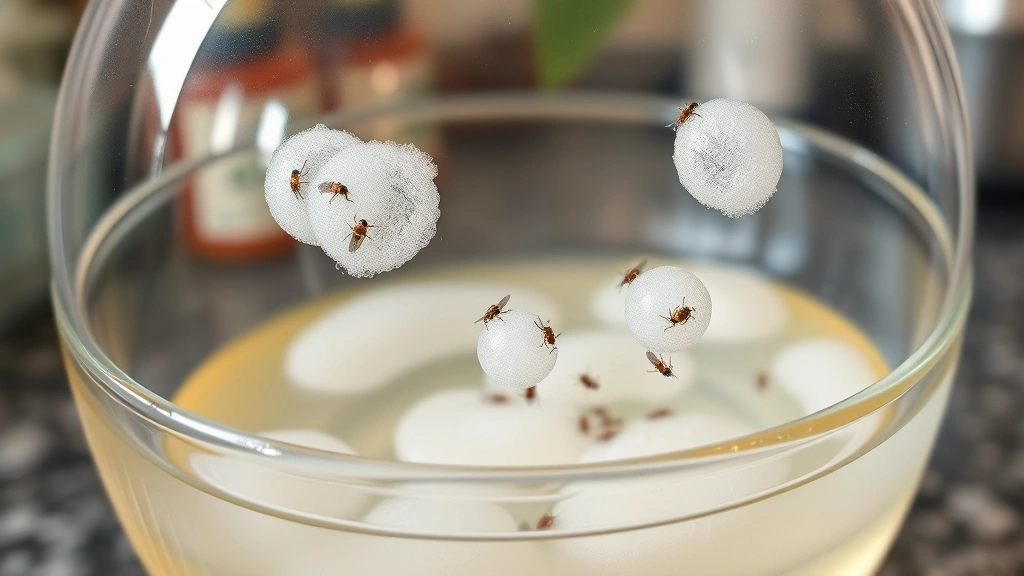
Fruit Flies are the most common household gnat culprit. They’re attracted to ripening, fermenting, or decaying fruits and vegetables. You’ll typically spot them hovering around your fruit bowl, kitchen sink, or garbage disposal. These tiny creatures have a reddish-brown body and are about one-eighth inch long. They reproduce rapidly—a single female can lay up to 500 eggs—which is why an infestation can spiral out of control within days.
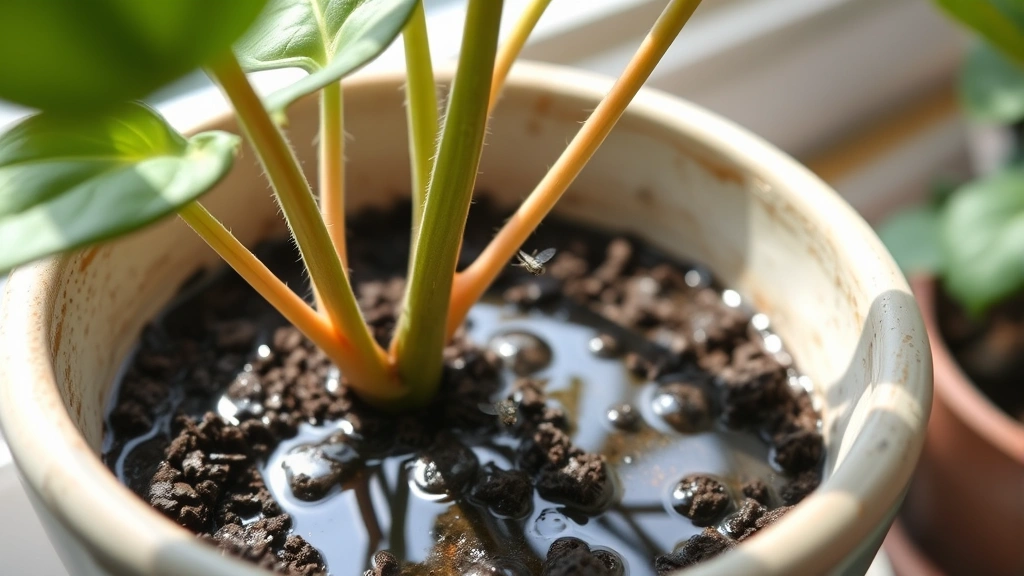
Fungus Gnats are a different beast entirely. These darker, more slender gnats are attracted to moist soil and decaying plant matter. If you’re a plant parent with overwatered houseplants, fungus gnats are likely your nemesis. They’re particularly problematic because they don’t just annoy you—they can actually damage plant roots. Learn more about getting rid of fungus gnats specifically if this is your situation.
Drain Flies (also called moth flies) are small, fuzzy-looking insects that breed in the organic buildup inside pipes and drains. If you’re seeing gnats near your sink or shower, drain flies might be the problem. They’re harmless but incredibly annoying, and they indicate that your plumbing needs attention.
The key to identification is observation. Where are the gnats congregating? What’s attracting them to that specific location? The answer will guide your treatment strategy.
Understanding Root Causes
Here’s something most pest control articles won’t tell you: gnats aren’t invading your home because you’re dirty or negligent. They’re simply responding to ideal living conditions. Understanding what creates those conditions is crucial for long-term prevention.
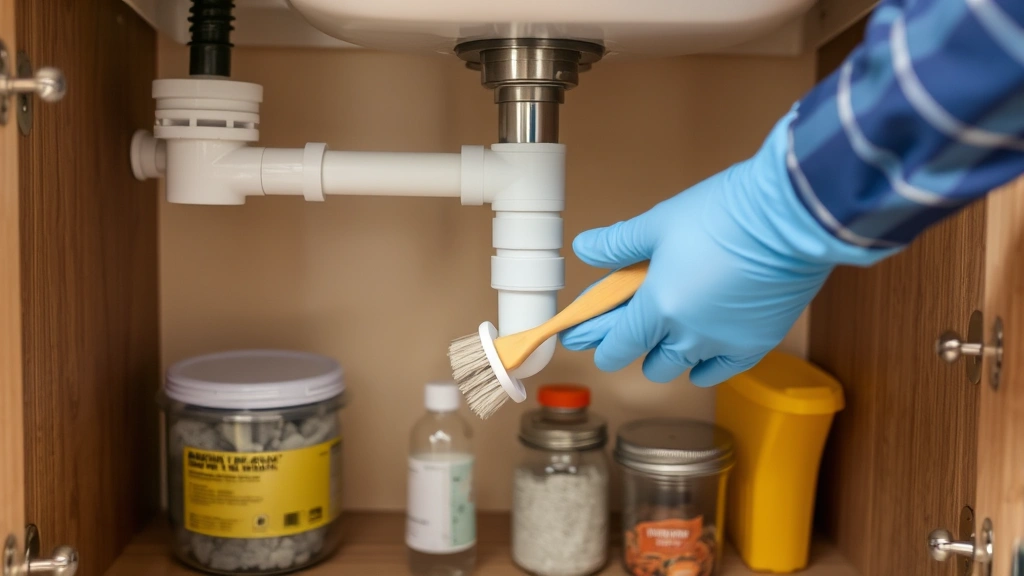
Moisture is the primary culprit. Gnats need moisture to breed and survive. A leaky pipe under your sink, condensation around your bathroom fan, or overwatered plants create perfect breeding grounds. Even a small amount of standing water in a plant saucer or pet water bowl can support an entire gnat colony.
Organic matter and decay provide the food source gnats need. This includes fermenting fruits, decomposing vegetables, buildup in drains, and decaying plant material. The more organic matter available, the more gnats your home can support.
Poor ventilation and air circulation allow gnats to thrive. Stagnant air in cabinets, closets, and corners creates microclimates where gnats flourish. This is why kitchens and bathrooms—typically the most humid rooms in a home—are gnat hotspots.
When you tackle getting rid of gnats in your house, you’re essentially removing these favorable conditions. It’s preventative medicine for your home.
Immediate Solutions That Work
If you’ve got gnats now, you need relief fast. These immediate solutions will help you reduce the population while you work on long-term prevention.
Apple Cider Vinegar Trap is the gold standard for quick gnat elimination. Here’s how to make one:
- Fill a small bowl or jar with apple cider vinegar (about one-quarter cup)
- Add two drops of dish soap—this breaks the surface tension and causes gnats to sink
- Cover loosely with plastic wrap and poke several small holes in the top, or leave it uncovered for maximum effectiveness
- Place near areas where you see the most gnat activity
- Replace every 2-3 days until the infestation is gone
The smell of fermenting apples attracts gnats like a magnet, and they drown in the vinegar. You’ll be amazed at how many you catch in just 24 hours.
Wine or Beer Trap works on the same principle. Leave a glass of wine or beer uncovered on your counter. Gnats can’t resist it, and they’ll drown in the liquid. It’s less aesthetically pleasing than the vinegar trap, but equally effective.
Fruit Trap uses their natural attraction to decaying fruit. Place a piece of overripe fruit (banana, apple, or mango works great) in a jar or bowl. Cover tightly with plastic wrap and poke small holes. Gnats enter but can’t escape. This works particularly well if you have a severe infestation.
Store-Bought Traps like gnat traps for plants and sticky traps are also effective. Sticky traps work by visual attraction—gnats see the bright color and get stuck. Replace them regularly for best results.
The key to immediate solutions is consistency. Set multiple traps in different locations and refresh them frequently. Don’t just set one trap and hope for the best.
Deep Cleaning and Prevention
Traps are great for catching adult gnats, but they don’t address the root problem: the breeding grounds. To truly eliminate gnats, you need to clean thoroughly and eliminate their habitat.
Kitchen Deep Clean
- Clean your garbage disposal: This is a prime breeding ground. Pour boiling water down the drain, then grind ice cubes to help dislodge debris. Follow with a mixture of baking soda and vinegar.
- Empty and sanitize trash cans: Don’t just remove the trash—wash the can with hot soapy water. Rinse thoroughly and let dry completely.
- Wipe down all surfaces: Gnats can breed in spilled juice, crumbs, or dried fruit residue. Use a disinfectant cleaner on all countertops, under appliances, and around the sink.
- Store produce properly: Keep ripe fruits in the refrigerator rather than on the counter. Remove any bruised or rotting pieces immediately.
- Take out compost regularly: If you keep a compost bin, empty it frequently and keep it sealed.
Bathroom Deep Clean
- Fix leaks: Any dripping faucet or leaking pipe needs immediate attention. These moisture sources are gnat magnets.
- Clean shower drain: Pour boiling water down the drain, followed by a drain cleaner or baking soda and vinegar.
- Dry thoroughly: After showers, wipe down surfaces to eliminate moisture. Leave the exhaust fan running for at least 20 minutes.
- Store toiletries properly: Keep soap, shampoo, and other products in sealed containers away from moisture.
Houseplant Management
If you suspect fungus gnats in your plants, reduce watering frequency. Allow the top inch of soil to dry between waterings. Gnats need consistently moist soil to breed, so slightly drier conditions will discourage them. You might also consider repotting plants in fresh soil if the infestation is severe.
Prevention is genuinely easier than elimination. Once you’ve cleared your gnat problem, maintain these cleaning habits to prevent future infestations.
Natural Remedies and Traps
If you prefer avoiding chemical pesticides, natural remedies are surprisingly effective against gnats. Many of these use ingredients you likely already have at home.
Drain Treatment with Baking Soda and Vinegar
This classic combination creates a fizzing action that dislodges debris and kills gnat larvae in drains. Pour half a cup of baking soda down the drain, followed by half a cup of white vinegar. Cover the drain with a plug and let it sit for 30 minutes. Flush with boiling water. Repeat this treatment twice weekly until gnats disappear.
Diatomaceous Earth
Food-grade diatomaceous earth (DE) is a natural powder that damages gnat exoskeletons, causing dehydration. Sprinkle a thin layer around affected areas, particularly near plants and sink areas. The powder is safe for pets and humans when used properly, but avoid inhaling it. Reapply after cleaning or when the powder becomes visibly damp.
Hydrogen Peroxide Solution
Mix equal parts hydrogen peroxide and water. Use this solution to water houseplants instead of regular water. It kills gnat larvae in soil while being safe for plants. The bubbling action also aerates the soil, which most plants appreciate.
Essential Oils
While not a complete solution, essential oils like peppermint, lavender, and eucalyptus can repel gnats. Add a few drops to a spray bottle with water and spray around problem areas. The scent won’t eliminate an infestation, but it can help prevent gnats from returning once you’ve cleared them out.
Neem Oil
This botanical insecticide disrupts gnat reproduction cycles. Mix according to package directions and spray on affected plants and areas. Neem oil is natural, relatively safe, and effective, though it requires repeated applications.
Treating Drains and Pipes
Drain flies and gnats breeding in pipes require specialized treatment. This is often where people struggle because the problem is literally out of sight.
Professional Drain Cleaning
If you have a persistent drain fly problem, consider professional drain cleaning. Plumbers have specialized equipment that can remove buildup you can’t reach with DIY methods. This is a worthwhile investment if you’re dealing with drain flies specifically.
Chemical Drain Cleaners
Products designed to clean drains can help eliminate gnat breeding grounds. Follow package instructions carefully, and never mix different drain cleaning products. Some people prefer this approach for severe infestations, though natural methods work if you’re patient.
Enzyme-Based Drain Treatments
These biological treatments use enzymes to break down organic matter in pipes without harsh chemicals. They’re gentler on plumbing and the environment, though they work more slowly than chemical alternatives.
Maintaining Clean Dishwashers
Your dishwasher can harbor gnat breeding grounds if not maintained properly. Learning how to clean a dishwasher thoroughly will eliminate this potential problem area. Run the empty dishwasher on the hottest cycle with a cup of white vinegar monthly, and clean the filter regularly.
Drains are often the last place people think to check, but they’re frequently the source of persistent gnat problems. If your traps aren’t catching many gnats but you still see them around, check your drains first.
Frequently Asked Questions
How long does it take to get rid of gnats?
With aggressive treatment, you can typically eliminate visible gnats within 5-7 days. However, complete eradication—including eggs and larvae—takes 2-3 weeks. This is why consistency matters. Gnats reproduce quickly, and if you slack off on prevention, they’ll bounce back.
Why do I keep getting gnats even after cleaning?
You’re likely missing a moisture source or organic matter reservoir. Check under appliances, inside cabinet corners, and underneath sink pipes. Even tiny amounts of standing water or organic debris can sustain a gnat population. Also, ensure you’re treating drains, not just surfaces.
Are gnats dangerous or disease-carrying?
Fruit flies and fungus gnats aren’t known to carry serious diseases, though they can contaminate food. Drain flies are similarly harmless to humans. The main issue is the annoyance factor and the indication that your home’s sanitation or moisture levels need attention.
Can I use pesticide sprays to kill gnats?
Chemical sprays can kill adult gnats, but they won’t address breeding grounds or eggs. They’re often unnecessary if you use traps and eliminate the conditions gnats need. If you do use pesticides, follow all safety instructions and ensure proper ventilation.
What’s the difference between gnats and fruit flies?
Technically, fruit flies are a type of gnat. When people say “gnats,” they usually mean the smaller, more general category of tiny flying insects. Fruit flies are the most common household variety. Fungus gnats and drain flies are distinct types with different breeding habitats and behaviors.
How do I prevent gnats from coming back?
Maintain good kitchen hygiene by removing produce from counters, taking out trash regularly, and cleaning drains weekly. Fix any leaks promptly, don’t overwater plants, and ensure adequate ventilation in bathrooms and kitchens. Gnats thrive on neglect, so consistent maintenance is your best defense.
Will opening windows help get rid of gnats?
Opening windows increases air circulation, which can help. However, it won’t eliminate gnats on its own. You still need to address the breeding grounds and use traps. In fact, opening windows might invite more gnats from outside, so use this strategy in combination with other methods.
Can I use a humidifier to prevent gnats?
Absolutely not—humidifiers add moisture to the air, which is exactly what gnats love. If anything, reduce humidity levels in your home. Use exhaust fans in bathrooms, run a dehumidifier if needed, and ensure good air circulation throughout your home.

Related Posts

How Long to Boil Lobster Tails: Cooking Guide

How Long to Fly from New York to London? Travel Times
