
How to Get Rid of Fungus Gnats: Expert Tips
How to Get Rid of Fungus Gnats: Expert Tips
Fungus gnats are those tiny, annoying insects that seem to appear out of nowhere, especially around your houseplants and damp areas. If you’ve noticed small dark flies hovering around your soil or windowsills, you’re dealing with one of the most common indoor pest problems. The frustrating part? They multiply fast. One day you spot a few, and within a week, your entire plant collection feels under siege.
The good news is that getting rid of fungus gnats doesn’t require calling in professionals or dousing your home in harsh chemicals. With the right approach and a bit of consistency, you can eliminate these pests and prevent them from coming back. This guide walks you through proven strategies, from immediate solutions to long-term prevention tactics that actually work.
Whether you’re a seasoned plant parent or someone who just picked up their first succulent, understanding how to tackle fungus gnats will save you time, money, and the headache of watching your beloved plants suffer. Let’s dive into the solutions.
What Are Fungus Gnats?
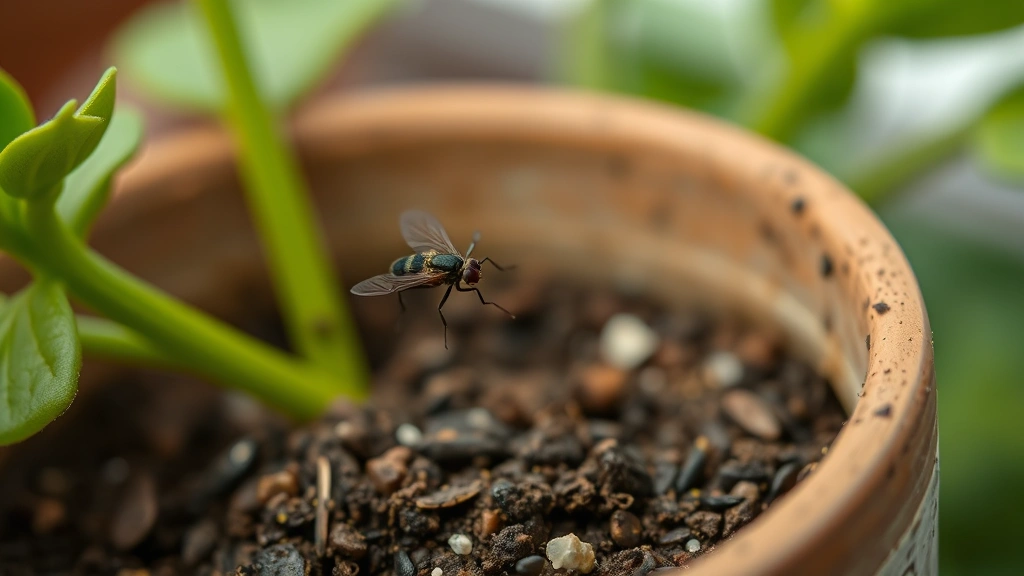
Fungus gnats are tiny insects, typically measuring only 1/8 inch long, that belong to the family Sciaridae. They’re commonly mistaken for fruit flies, but there are key differences. Fungus gnats have longer legs and antennae, and they’re attracted to moisture and decomposing organic matter rather than ripening fruit. The adult flies are relatively harmless, but their larvae are the real problem—they feed on fungus and organic material in soil, potentially damaging plant roots in the process.
These pests thrive in humid, warm environments with consistently moist soil. If your home feels like a tropical greenhouse, you’ve created the perfect breeding ground for fungus gnats. They complete their life cycle in about two weeks under ideal conditions, which explains why infestations can spiral so quickly. Understanding this lifecycle is crucial because it means you need to maintain your treatment efforts for at least two to three weeks to break the cycle completely.
Fungus gnats are particularly attracted to potting soil rich in organic matter and peat moss. The larvae feed on the fungus that grows in moist soil, which is why overwatering is the primary culprit behind most indoor infestations. If you’re guilty of the “water it when it looks dry” approach, you’re actually creating an ideal environment for these pests.
Signs of a Fungus Gnat Infestation
The earliest sign of fungus gnats is spotting small dark flies near your plants or flying erratically around your home. You might see them hovering just above the soil surface or near the base of your pots. Sometimes they’re more active in the evening or when you water your plants—the moisture and activity disturb them, causing them to take flight.
Another telltale sign is finding tiny black specks in your soil that look like pepper. These are actually gnat droppings, and their presence confirms you have an infestation. If you notice your plants looking wilted or stunted despite adequate watering, the larvae may be damaging the root system. Young seedlings and recently propagated plants are especially vulnerable to root damage from gnat larvae.
You might also notice a musty or earthy smell coming from your soil, which indicates fungal growth—the exact thing fungus gnats are attracted to. If you’re propagating pothos or other houseplants, keep a close eye on propagation stations, as the consistently moist environment is gnat heaven.
Immediate Solutions to Kill Fungus Gnats
Soil Replacement and Repotting
The most direct approach is replacing the infested soil entirely. This eliminates both adult gnats and their larvae in one go. Remove your plant from its pot and gently brush away the old soil from the roots. Use fresh, sterile potting soil for repotting. This method works best for smaller plants and potted houseplants. For larger plants or garden beds, this might not be practical, so consider combining this with other methods.
Neem Oil Application
Neem oil is a natural insecticide derived from the neem tree and works effectively against fungus gnats at all life stages. Mix neem oil according to package directions and apply it to the soil surface and around the base of affected plants. The oil disrupts the gnats’ reproductive cycle and suffocates larvae. Apply every 7-10 days for three weeks. While neem oil is natural, always wear gloves and avoid inhaling the spray.
Insecticidal Soap
Insecticidal soap targets adult gnats and young larvae. It works by breaking down the outer layer of the insect’s exoskeleton. Spray directly on soil and affected plants, ensuring thorough coverage. This method is safe for most plants and people, though you should still test on a small area first to ensure your specific plant tolerates it well.
Yellow Sticky Traps
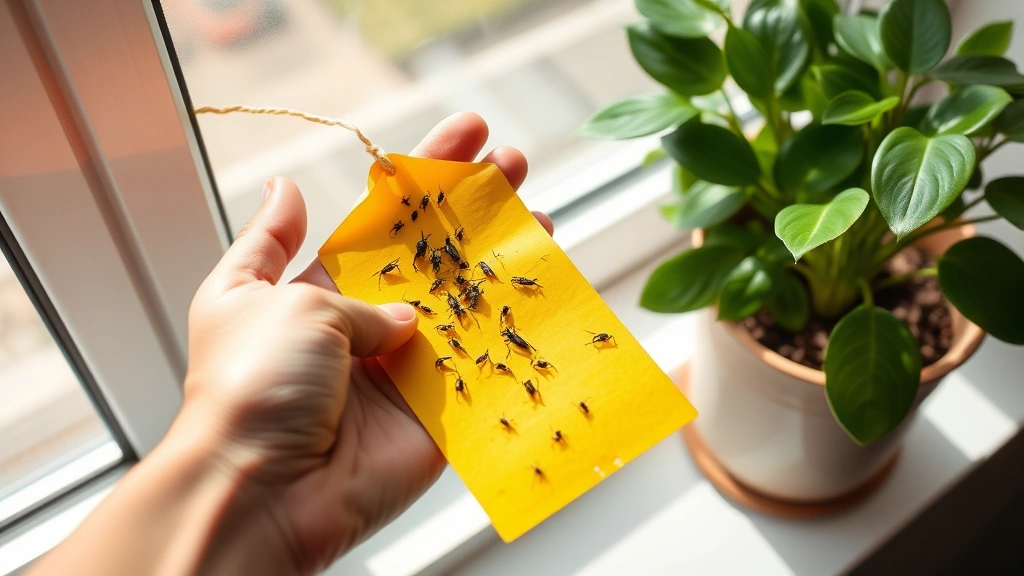
Yellow sticky traps are one of the easiest and most satisfying solutions. These brightly colored traps attract flying insects, and once they land, they’re stuck. Place them near affected plants or throughout your home. While they won’t eliminate the infestation alone, they’re excellent for monitoring population levels and catching adult flies before they reproduce. Check traps daily and replace them when covered.
Natural Remedies That Actually Work
Hydrogen Peroxide Solution
A hydrogen peroxide solution is remarkably effective and something you likely already have at home. Mix one part 3% hydrogen peroxide with four parts water. Water your plants with this solution instead of regular water. The peroxide kills larvae in the soil and disrupts their breeding cycle. Do this once weekly for two to three weeks. The solution also helps oxygenate the soil, which is beneficial for plant health. This is one of the most budget-friendly options available.
Cinnamon Powder
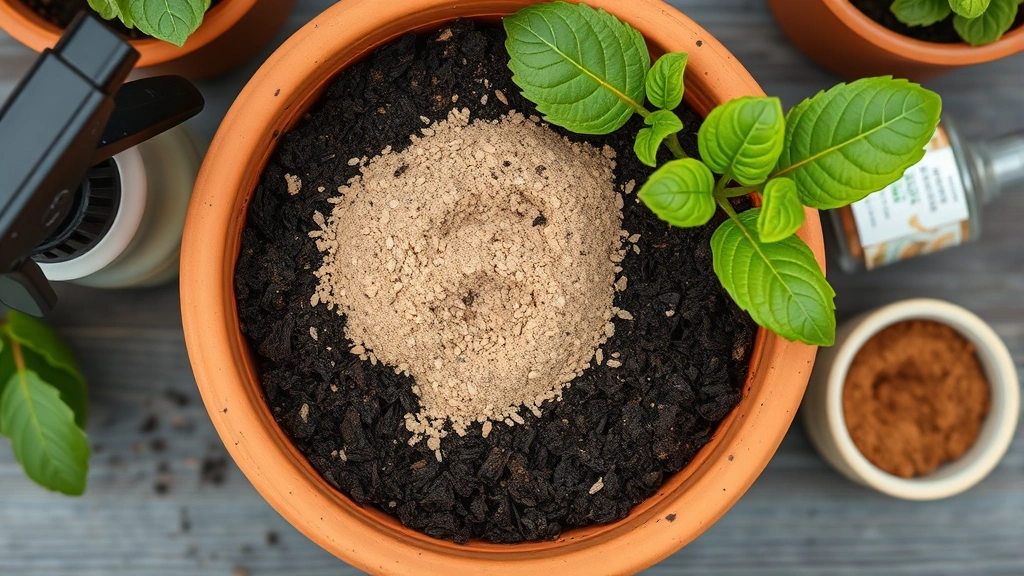
Cinnamon has natural antifungal properties that make it hostile to fungus gnats. Sprinkle a thin layer of food-grade cinnamon powder on the soil surface of affected plants. The gnats dislike it, and it also helps prevent fungal growth that attracts them in the first place. Reapply after watering since moisture reduces its effectiveness. This method smells pleasant and poses no risk to pets or children.
Sand Topping
A simple layer of sand on top of your soil creates a physical barrier that prevents gnats from laying eggs and emerging from the soil. Use clean, fine sand and apply it about half an inch thick across the soil surface. Sand dries quickly, making it an inhospitable environment for egg-laying. This method is completely chemical-free and works well in combination with other treatments. Just be cautious when watering to avoid washing the sand away.
Mosquito Dunks
Mosquito dunks contain Bacillus thuringiensis subspecies israelensis (BTI), a naturally occurring bacterium that specifically targets mosquito and fungus gnat larvae. Break apart a dunk and add it to water according to package directions, then use this solution to water your plants. BTI is completely safe for humans, pets, and plants but deadly to gnat larvae. This approach is particularly effective if you’re dealing with a persistent infestation.
Prevention Strategies for Long-Term Control
Master Your Watering Technique
The foundation of fungus gnat prevention is proper watering. Allow the top inch of soil to dry out between waterings. This single habit eliminates the moist environment that gnats love. Use the finger test: stick your finger into the soil about an inch deep. If it feels moist, wait a few more days before watering. Different plants have different water needs, so research your specific plants’ requirements rather than watering on a schedule.
Consider watering from the bottom by placing pots in a tray of water for 10-15 minutes, allowing the soil to absorb moisture from below. Remove the pot once the surface feels moist. This method reduces surface moisture where gnats lay eggs, though it requires more attention than traditional watering.
Improve Air Circulation
Fungus gnats thrive in stagnant, humid air. Use a small fan to circulate air around your plants, especially in areas where you keep multiple houseplants. Better air circulation dries out the soil surface faster and makes it harder for gnats to navigate. This is particularly important during humid seasons or if you live in a naturally humid climate. A simple oscillating fan set on low speed works perfectly.
Upgrade Your Potting Soil
Not all potting soils are created equal. Heavy, moisture-retaining mixes attract gnats more readily than lighter, well-draining formulas. Look for potting mixes specifically designed for indoor plants that include perlite or orchid bark for better drainage. Avoid soil mixes heavy in peat moss or coconut coir if you’re prone to overwatering. Premium potting soils often have better fungal control built in.
Regular Plant Inspection
Make it a habit to inspect new plants before bringing them home and check your existing plants weekly for signs of infestation. Early detection is infinitely easier to manage than a full-blown infestation. Look under leaves, around the soil surface, and on the undersides of pots. If you’re dealing with gnats specifically in plants, catching them early makes treatment much more straightforward.
Quarantine New Plants
Before adding new plants to your collection, keep them separate for a week or two to ensure they’re not harboring gnats or other pests. This simple precaution prevents introducing infestations into your established plant family. It’s particularly important if you’re purchasing from nurseries or garden centers where pest management might be less rigorous.
Treating Indoor vs. Outdoor Infestations
Indoor Treatment Focus
Indoor fungus gnat treatment emphasizes controlling moisture and using methods that are safe around living spaces. Hydrogen peroxide solutions, neem oil, and yellow sticky traps are ideal because they’re effective and pose minimal risk to household members. The contained environment of your home also means treatments can be more targeted and effective. You’re not fighting natural rainfall or outdoor humidity fluctuations.
If you’re experiencing gnats throughout your home, not just near plants, check your entire house for gnat sources. Bathrooms, kitchens, and areas near humidifiers are common breeding grounds. Ensure bathroom exhaust fans are working properly and consider running them longer to reduce humidity. Fix any leaking pipes or standing water immediately.
Outdoor Treatment Approach
Outdoor fungus gnats are typically less problematic because natural predators and weather help control populations. However, if you’re growing seedlings in a greenhouse or have potted plants on a patio, treatment becomes necessary. Outdoor treatments can be more aggressive since there’s less concern about indoor air quality. You can use stronger neem oil concentrations or even insecticidal dusts in outdoor settings.
For outdoor garden beds, focus on soil amendments and improving drainage. Add compost or aged manure to improve soil structure and reduce compaction. Mulching with straw or wood chips can help, though avoid mulch directly against plant stems. Reduce watering frequency for established plants, and ensure beds have adequate drainage to prevent water from pooling.
Drain and Sink Considerations
Fungus gnats often breed in moist drain pipes and garbage disposals. If you notice gnats in your kitchen or bathroom, address drain flies and gnats in drains by pouring boiling water down drains regularly or using a drain cleaner specifically formulated to eliminate organic buildup. A mixture of baking soda and vinegar can also help break down the organic material where gnats breed. Run hot water down drains at least weekly as a preventive measure.
Frequently Asked Questions
How long does it take to get rid of fungus gnats?
Complete elimination typically takes 2-3 weeks if you’re consistent with treatment. Since fungus gnats have a two-week lifecycle, you need to maintain treatments for at least that long to break the reproductive cycle. Some severe infestations may require 4-6 weeks of persistent effort. The key is not stopping treatment as soon as you see improvement—that’s when populations can bounce back.
Can fungus gnats harm my plants?
While adult gnats are mostly harmless, larvae can damage plant roots, particularly on young, delicate plants or seedlings. Established plants rarely suffer significant damage, but seedlings and newly propagated plants are vulnerable. Root damage manifests as wilting, stunted growth, or yellowing leaves despite proper care. If you notice these symptoms, treat for gnats immediately and consider repotting with fresh soil.
Are fungus gnats dangerous to humans?
Fungus gnats don’t bite, sting, or transmit diseases to humans. They’re primarily a nuisance pest. However, their presence can indicate high humidity and moisture levels in your home, which can contribute to mold growth and poor indoor air quality. From a health perspective, addressing the underlying moisture problem is more important than the gnats themselves.
Why do I keep getting fungus gnats even after treatment?
Recurring infestations usually mean you’ve returned to overwatering or haven’t maintained treatment long enough to break the lifecycle. It’s also possible you’re treating one area but gnats are breeding in another location, like a drain or forgotten plant in a corner. Examine your watering habits honestly and check all areas where moisture accumulates. Consistent prevention is more effective than reactive treatment.
Can I use pesticides from my garage or shed?
While old pesticides might kill gnats, they often contain harsh chemicals that accumulate in soil and can harm your plants over time. Additionally, many older pesticides are toxic to humans and pets. Stick with methods specifically designed for indoor use and fungus gnats, or use natural alternatives. If you do choose a commercial pesticide, carefully read labels and follow all safety instructions.
Do air purifiers help with fungus gnats?
Air purifiers don’t directly eliminate fungus gnats, but they can help manage the overall indoor air quality affected by high humidity. HEPA filters won’t capture gnats, but some models with activated charcoal can help reduce musty odors associated with the fungal growth gnats feed on. For gnat control, focus on humidity reduction and moisture management rather than air purification.
What’s the difference between fungus gnats and fruit flies?
Fungus gnats have longer legs and antennae and are attracted to moist soil and fungus. Fruit flies are attracted to fermenting fruit and food waste. Fungus gnats are gray or black, while fruit flies are typically tan or reddish. Identifying which pest you have is important because treatment differs. If you’re unsure, observe where they congregate—near plants or near fruit and food sources—to determine the pest type.
Is it safe to use neem oil on all houseplants?
Most plants tolerate neem oil well, but some delicate plants like impatiens, begonias, and certain ferns can be sensitive. Always test neem oil on a small area of the plant first and wait 24-48 hours to check for adverse reactions. Apply neem oil in the evening to avoid leaf burn, and never use it on plants already stressed by drought or extreme temperatures. Follow package directions carefully for dilution ratios.

Related Posts

How Long to Boil Lobster Tails: Cooking Guide

How Long to Fly from New York to London? Travel Times
