
How to Get Rid of Fungus Gnats: Expert Tips
How to Get Rid of Fungus Gnats: Expert Tips for a Pest-Free Home
There’s nothing quite like the frustration of discovering tiny flying insects hovering around your houseplants or kitchen. Fungus gnats are among the most persistent indoor pests, and they seem to multiply faster than you can say “infestation.” These minuscule nuisances don’t just annoy—they can damage your beloved plants and create an unhygienic living environment. But here’s the good news: getting rid of fungus gnats doesn’t require calling in professionals or dousing your home in harsh chemicals.
The key to eliminating fungus gnats lies in understanding their lifecycle and targeting them at multiple stages. Whether you’re dealing with a minor invasion or a full-blown colony, this comprehensive guide will walk you through proven strategies that actually work. We’ll explore everything from immediate fixes to long-term prevention methods that keep these pests from returning.
Fungus gnats thrive in specific conditions, and once you eliminate those conditions, you’ve essentially won half the battle. The remaining effort involves strategic elimination and consistent maintenance. Let’s dive into the expert tips that will help you reclaim your space.
What Are Fungus Gnats and Why Do You Have Them?
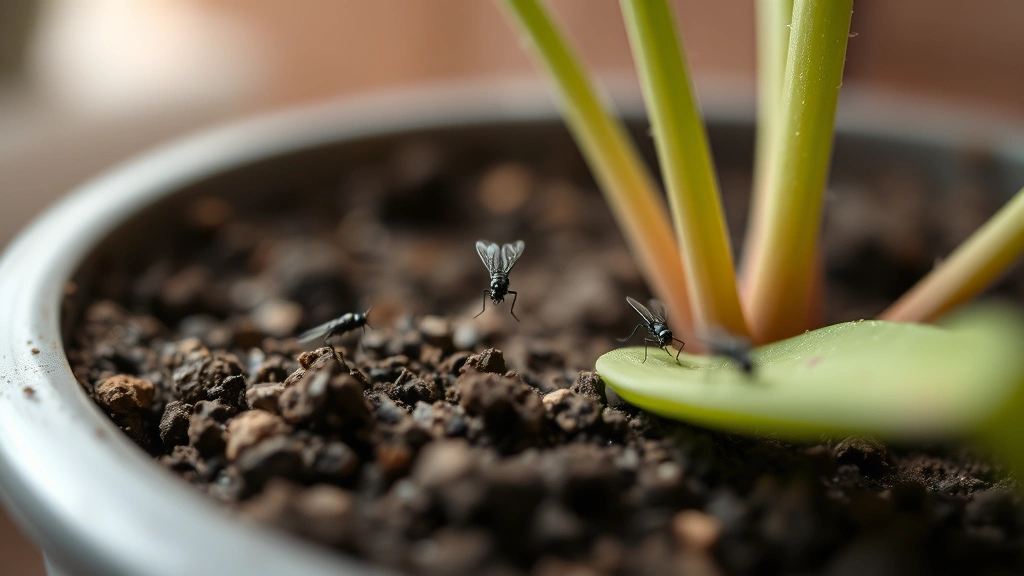
Fungus gnats are small, dark-colored flies measuring about 1/8 inch in length. They belong to the Sciaridae family and are commonly found in indoor environments with specific conditions. Unlike fruit flies, which are attracted to decaying food, fungus gnats are drawn to moist soil and decomposing organic matter. They’re particularly fond of potting soil that stays consistently wet.
The reason you likely have fungus gnats comes down to moisture and decomposition. These insects lay their eggs in damp soil, and within just a few days, larvae hatch and begin feeding on fungi, organic matter, and plant roots. An adult fungus gnat can lay up to 200 eggs at a time, which explains why infestations seem to explode overnight. If you’ve been overwatering your plants or keeping your indoor environment exceptionally humid, you’ve essentially created a five-star resort for fungus gnats.
Understanding the source is crucial because it determines your treatment approach. If your houseplants are constantly sitting in waterlogged soil, no amount of pest control will permanently solve the problem without addressing the root cause. This is where many people fail—they treat the symptoms but ignore the underlying conditions that attract these pests in the first place.
How to Identify Fungus Gnat Infestations
Before you can effectively tackle fungus gnats, you need to confirm you actually have them. Misidentifying pests leads to wasted time and ineffective treatments. Fungus gnats have distinctive characteristics that set them apart from other common household insects.
The most obvious sign is seeing small, dark flies hovering around your plants or near windows and light sources. Fungus gnats are attracted to light, so you’ll often spot them near lamps or during daylight hours. They move slowly compared to fruit flies, and their flight pattern is somewhat erratic and clumsy. If you see what appears to be tiny mosquitoes hanging around your indoor garden, you’re likely looking at fungus gnats.
Beyond the adult flies, watch for these telltale indicators:
- Yellowing or wilting leaves that don’t improve with watering—this suggests larval damage to roots
- Stunted plant growth despite proper care and adequate light
- A musty or moldy smell coming from the soil, which indicates the fungal growth gnats feed on
- Tiny, thread-like larvae visible in the top inch of soil when you inspect closely
- Small dark specks in the soil that resemble pepper—these are gnat droppings
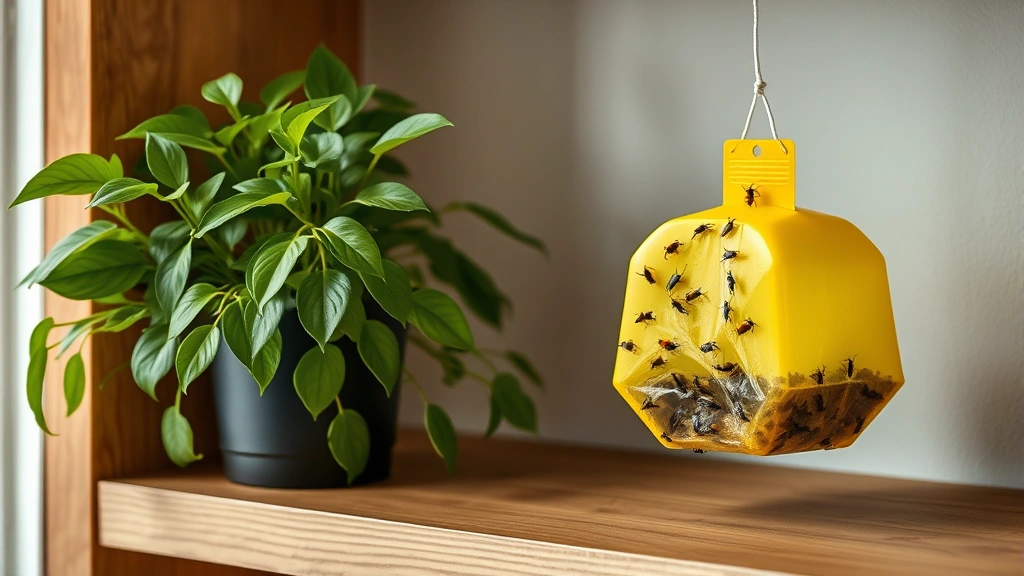
If you’re uncertain, try the sticky trap method to confirm gnats in plants. Place yellow sticky traps near affected plants for 24 hours. If fungus gnats are present, they’ll stick to the trap, giving you visual confirmation and helping you assess the severity of the infestation.
Immediate Solutions to Kill Fungus Gnats
Once you’ve confirmed fungus gnats, it’s time to act decisively. The most effective immediate solution combines multiple approaches rather than relying on a single method. This multi-pronged strategy targets both adult flies and larvae at different life stages.
Yellow Sticky Traps
Yellow sticky traps are one of the most effective and non-toxic ways to eliminate adult fungus gnats. These traps work because gnats are attracted to the color yellow. Place them near affected plants, on windowsills, or anywhere you’ve spotted the insects. Replace traps every few days or when they’re covered with dead gnats. While traps alone won’t solve an infestation, they’re excellent for monitoring populations and catching adults before they reproduce.
Hydrogen Peroxide Soil Drench
This is perhaps the most effective immediate treatment for killing fungus gnat larvae in soil. Mix one part 3% hydrogen peroxide with four parts water. Water your affected plants with this solution until the soil is thoroughly saturated. The hydrogen peroxide kills larvae on contact while also breaking down organic matter that fungal gnats feed on. This method works quickly—you’ll notice a reduction in adult gnats within 24-48 hours. Repeat this treatment every 3-4 days for two weeks to ensure all larval stages are eliminated.
Neem Oil Applications
Neem oil is a natural pesticide derived from neem tree seeds and works as both an insecticide and fungicide. Mix neem oil according to package directions and spray affected plants thoroughly, ensuring you coat both leaf surfaces and the soil surface. Neem oil disrupts the gnat lifecycle by interfering with their ability to reproduce. Apply every 7-10 days for at least three weeks. The advantage of neem oil is that it’s relatively safe for humans and pets when used as directed, though it can harm beneficial insects, so use it judiciously.
Diatomaceous Earth (Food-Grade)
Food-grade diatomaceous earth is a powder that works mechanically rather than chemically. Sprinkle a thin layer over the top inch of soil in affected plants. The powder’s microscopic sharp edges damage the exoskeletons of insects, causing them to dehydrate. While safe for humans and pets, it’s most effective when soil is dry, so allow the top layer to dry out between waterings. Reapply after watering, as moisture reduces its effectiveness.
Soil Management and Moisture Control
Here’s where many people struggle: controlling moisture without harming their plants. Fungus gnats absolutely require consistently moist soil to thrive. By adjusting your watering habits, you’re essentially evicting them from their ideal habitat.
Master the Art of Proper Watering
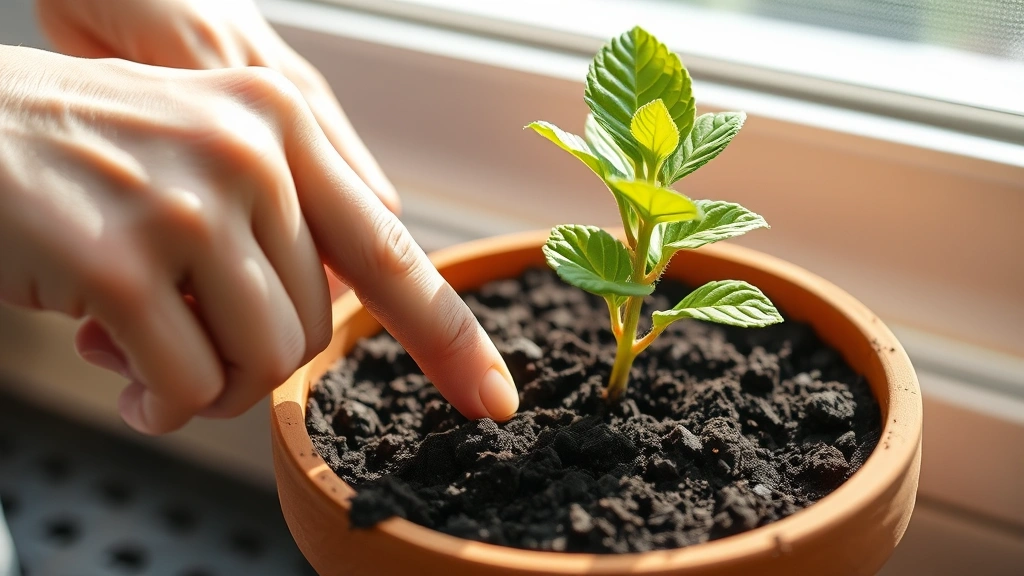
Instead of watering on a schedule, adopt a soil-check approach. Stick your finger about an inch into the soil. If it feels moist, don’t water. Water only when the top inch of soil feels dry to the touch. This simple change eliminates the soggy conditions gnats love. For potted plants, this typically means watering every 7-10 days during growing season, though this varies by plant type and environmental conditions.
When you do water, water thoroughly until it drains from the bottom, then empty the drainage tray after 15 minutes. Never let plants sit in standing water, as this creates a gnat breeding ground. If you’ve been using a misting bottle for humidity-loving plants, stop this practice temporarily—the constant moisture on leaves and soil encourages fungal growth that gnats feed on.
Repot Affected Plants
If the infestation is severe, consider repotting your plants in fresh, sterile soil. Remove the plant from its pot and gently rinse the roots under running water to remove old soil where larvae may be hiding. Use new, high-quality potting soil and a clean pot. This approach essentially removes the breeding ground entirely. It’s more aggressive than other methods but highly effective for severe cases.
Improve Air Circulation
Fungus gnats struggle in environments with good air movement. Use a small fan to circulate air around your plants, especially in areas where multiple plants cluster together. Air circulation not only makes conditions less hospitable for gnats but also helps soil dry out faster, further discouraging reproduction. As an added benefit, better air circulation reduces fungal growth that gnats feed on.
When dealing with humidity-dependent plants, position them away from areas where you’ve had gnat problems. If you use a humidifier, properly cleaning your humidifier prevents mold and fungal growth that attracts these pests. Aim for 40-50% humidity rather than higher levels that create gnat-friendly conditions.
Natural Remedies and DIY Treatments
If you prefer avoiding commercial pesticides, several natural remedies effectively combat fungus gnats. These options are particularly appealing if you have pets, children, or simply prefer eco-friendly solutions.
Cinnamon Powder Treatment
Cinnamon has natural antifungal properties and creates an inhospitable environment for fungus gnats. Sprinkle a thin layer of ground cinnamon over the top inch of soil in affected plants. The gnats dislike the texture and scent. Reapply weekly or after watering. While not as immediately effective as hydrogen peroxide, cinnamon offers a gentler, continuous deterrent that prevents reinfestation.
Sand as a Physical Barrier
Place a half-inch layer of sand on top of the soil in affected plants. The sand creates a physical barrier that prevents adult gnats from laying eggs in the soil while also being inhospitable to larvae trying to emerge. This simple, non-toxic approach works surprisingly well. Use coarse sand rather than fine sand, as it’s less likely to compact and harden.
Apple Cider Vinegar Traps
Fill shallow containers with apple cider vinegar mixed with a few drops of dish soap. The vinegar attracts gnats, while the soap breaks surface tension, causing them to sink and drown. Place these traps near affected plants. Change the mixture every 2-3 days. While less effective than yellow sticky traps, vinegar traps provide a chemical-free option and help monitor infestation levels.
Mosquito Dunks
These dunks contain Bti (Bacillus thuringiensis israelensis), a naturally occurring bacterium that targets mosquito and fungus gnat larvae. Dissolve a dunk in water according to package directions and use the solution to water affected plants. Bti specifically targets dipteran larvae (flies and mosquitoes) while being completely harmless to humans, pets, and beneficial insects. This makes it an excellent choice for households with children or pets.
Prevention Strategies for Long-Term Success
Eliminating fungus gnats is only half the battle. Preventing their return requires consistent practices that maintain inhospitable conditions.
Quarantine New Plants
Before bringing any new plant into your home, inspect it carefully for signs of gnats or infested soil. Place new plants in a separate area for 1-2 weeks while monitoring for pest activity. This simple precaution prevents introducing gnats from plant store inventory into your collection. Many fungus gnat infestations start this way, so it’s worth the extra vigilance.
Maintain Consistent Watering Practices
Continue checking soil moisture before watering, even after the infestation is gone. This habit is the most important long-term prevention strategy. Plants adapt to consistent watering schedules, and the reduced soil moisture eliminates the primary attractant for fungus gnats. If you’re someone who tends to overwater out of concern for your plants, remind yourself that most houseplants prefer slightly dry conditions to consistently wet ones.
Clean and Sanitize Regularly
Wipe down plant leaves monthly to remove dust and debris where fungal spores settle. Clean the area around plants, removing fallen leaves or organic matter. These practices eliminate fungal growth that gnats feed on. Additionally, if you’ve had a severe infestation, thoroughly clean and disinfect the area with a diluted bleach solution (1 part bleach to 10 parts water) once the infestation is resolved.
If you’re interested in expanding your plant collection while maintaining gnat-free conditions, learn about propagating pothos from healthy parent plants rather than purchasing new plants that might harbor pests.
Use Quality Potting Soil
Invest in high-quality, sterile potting soil rather than budget options. Cheaper soils often contain more organic matter and fungi that attract gnats. Premium potting mixes are more carefully processed and less likely to harbor pest eggs or larvae. While it costs slightly more upfront, the reduced risk of infestation makes it worthwhile.
Monitor with Sticky Traps Regularly
Even after resolving an infestation, place yellow sticky traps near your plants monthly for a few days to monitor for any returning gnats. Early detection allows you to address a small problem before it becomes a major infestation. This preventive monitoring takes minimal effort but provides valuable peace of mind.
Consider Your Indoor Environment
Fungus gnats struggle in dry environments. If you live in a naturally humid climate or maintain high indoor humidity for other reasons, you’re essentially creating gnat-friendly conditions. If possible, reduce overall indoor humidity to 40-50% during non-growing seasons. This doesn’t mean abandoning humidity-loving plants—simply group them together in one area with a humidifier rather than maintaining high humidity throughout your entire home.
For those dealing with gnats throughout the entire house, the problem likely extends beyond plants. Check drains, garbage disposals, and areas with standing water, as these can harbor gnat larvae. Similarly, if you suspect drain flies are contributing to your problem, address those issues simultaneously for comprehensive pest control.
Frequently Asked Questions
How long does it take to get rid of fungus gnats?
With consistent treatment, you should see a significant reduction in adult gnats within 3-5 days. However, completely eliminating the infestation typically takes 2-4 weeks because you must target multiple life stages. Fungus gnat eggs hatch within 4-6 days, so you need to maintain treatments through several generations. Continue prevention practices for at least a month after the last gnat sighting to ensure complete elimination.
Can fungus gnats harm my plants?
While adult fungus gnats are primarily a nuisance, their larvae can damage plant roots, leading to yellowing leaves, stunted growth, and wilting. In severe infestations, larval feeding can weaken plants significantly. Young seedlings and delicate plants are most vulnerable. However, healthy, mature plants usually tolerate light infestations without serious damage. The real concern is the rapid reproduction rate—a small problem quickly becomes severe.
Are fungus gnats dangerous to humans?
Fungus gnats don’t bite, sting, or transmit diseases to humans. They’re primarily a nuisance pest that indicates unhealthy growing conditions. However, their presence suggests excess moisture and fungal growth, which could potentially contribute to mold issues in your home if left unchecked. This is another reason why addressing the underlying moisture problem is important.
Why do I still have gnats after treatment?
The most common reason is inconsistent treatment or incomplete moisture control. If you treated with hydrogen peroxide once but continued overwatering, you’ve essentially given gnats a second chance. Another possibility is that you’re treating plants but not addressing gnats in other areas, such as houseplant soil in multiple rooms or gnats coming from outdoor sources through windows and doors. Finally, if you’ve only targeted adults with sticky traps and haven’t treated the soil, larvae continue developing and replacing dead adults.
What’s the difference between fungus gnats and fruit flies?
Fungus gnats are attracted to moist soil and fungi, while fruit flies are attracted to decaying food and fermenting liquids. Fungus gnats are slightly smaller (1/8 inch) and darker, with longer antennae. They hover around plants, while fruit flies cluster around food sources. Understanding the difference determines your treatment approach—eliminating moisture solves fungus gnats, while removing food sources and fermenting materials addresses fruit flies.
Can I use commercial insecticides for fungus gnats?
Yes, commercial insecticides containing pyrethrin or insecticidal soaps are effective against fungus gnats. However, many natural and less toxic options work equally well, so consider whether the added chemical exposure is necessary. If using commercial products, always follow label directions carefully, ensure proper ventilation, and keep pets and children away from treated areas until dry. Neem oil and Bti are excellent middle-ground options offering effectiveness without harsh chemicals.
Should I throw away infested plants?
Not necessarily. Unless a plant is already declining or you’re dealing with a severe infestation, treatment is usually successful. Repot the plant in fresh soil, trim damaged roots if necessary, and implement the treatment strategies outlined above. Reserve discarding plants for situations where treatment has failed after several weeks or the plant was already struggling before the infestation.
For comprehensive information about addressing gnats across different situations, explore resources from This Old House’s guide to indoor plant pest control, Family Handyman’s fungus gnat solutions, and Home Depot’s pest management guides. These authoritative sources provide additional context and product recommendations for various treatment approaches.
Getting rid of fungus gnats requires patience, consistency, and a willingness to adjust your plant care habits. By combining immediate treatments with long-term prevention strategies, you’ll not only eliminate your current infestation but also create an environment where these pests simply can’t thrive. The key is addressing both the symptoms (adult gnats) and the underlying conditions (excess moisture and fungal growth) that allow them to flourish. Stick with these strategies, maintain proper watering practices, and you’ll enjoy a gnat-free indoor garden for years to come.

Related Posts

How Long to Boil Lobster Tails: Cooking Guide

How Long to Fly from New York to London? Travel Times
