
How to Get Rid of Boxelder Bugs: Expert Tips
How to Get Rid of Boxelder Bugs: Expert Tips for a Bug-Free Home
There’s nothing quite like the frustration of discovering clusters of boxelder bugs invading your home as autumn rolls around. These distinctive red and black insects might seem harmless at first glance, but once they’ve decided your walls are the perfect winter refuge, they become an unwelcome houseguest that’s surprisingly difficult to evict. The good news? You don’t need to surrender your home to these persistent pests. With the right knowledge and approach, you can reclaim your space and prevent future infestations.
Boxelder bugs are attracted to homes for one simple reason: warmth. As temperatures drop, these insects seek shelter in wall cavities, attics, and other protected spaces where they can survive the winter months. Understanding their behavior is the first step toward effective removal and prevention. Whether you’re dealing with a minor nuisance or a full-scale invasion, this comprehensive guide will walk you through proven strategies that actually work.
The key to success isn’t just about eliminating the bugs you can see—it’s about understanding where they hide, why they return, and how to create an environment that’s unwelcoming to them. Let’s dive into the practical solutions that will help you reclaim your home.
Identifying Boxelder Bugs: Know Your Enemy
Before you can effectively tackle a boxelder bug problem, you need to be absolutely certain you’re dealing with boxelder bugs and not some other household pest. Misidentification can lead to wasted time and ineffective treatments. Boxelder bugs are roughly half an inch long with a distinctive appearance that makes them fairly easy to spot once you know what to look for.
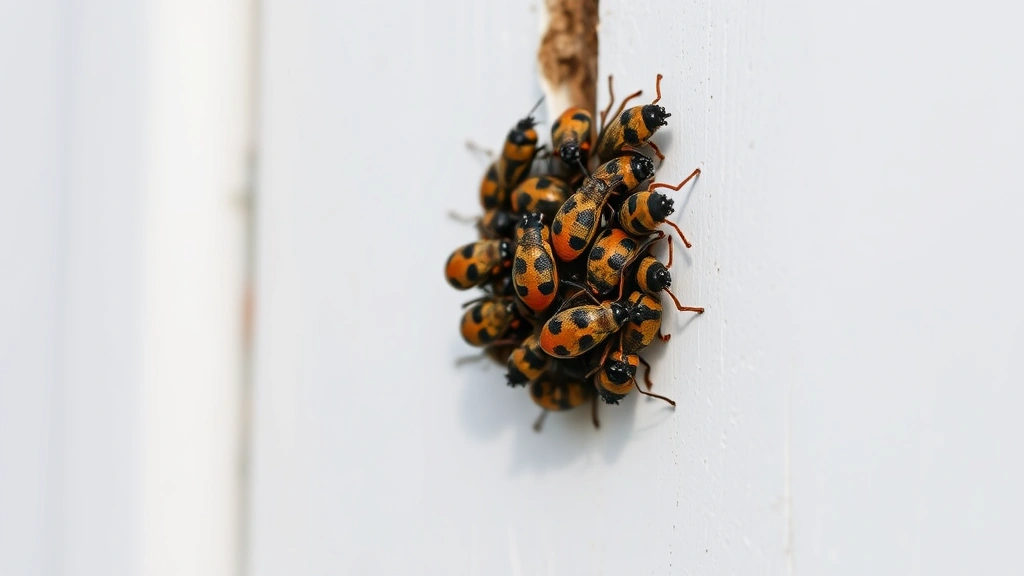
These insects feature a dark brown or black body with bright red or orange markings that form an X pattern on their backs. The contrast between their dark exoskeleton and vibrant markings is quite striking, which is why they’re often noticed immediately when they gather in large numbers. Their appearance is similar enough to other pests that confusion does happen though. If you’re uncertain whether you’re dealing with boxelder bugs or another species, comparing them to reference images online or consulting with a local pest control professional can save you considerable frustration.
One of the most telltale signs of a boxelder bug infestation isn’t just seeing individual bugs—it’s discovering them in clusters. During fall, these insects congregate in groups, sometimes numbering in the hundreds or thousands. You might find them clustering on sunny walls, window sills, or in protected corners of your home. This clustering behavior is actually helpful for identification purposes, as most household pests don’t exhibit this same pattern. If you’re also dealing with other common household pests, our guides on how to get rid of spiders and how to get rid of ants offer similar strategic approaches.
Why Boxelder Bugs Invade Homes
Understanding the motivation behind boxelder bug invasions gives you a significant advantage in preventing them. These insects aren’t interested in damaging your home or consuming your food supplies—their sole objective is survival during the cold months. This distinction is important because it means you’re not fighting an enemy bent on destruction; you’re simply redirecting bugs away from your property.
Boxelder bugs feed primarily on boxelder tree seeds, which explains their name. However, they’ll also feed on maple and ash tree seeds when boxelder seeds aren’t available. The problem intensifies when these trees are located near your home. As fall approaches and temperatures begin to drop, the bugs’ instincts kick in, driving them to seek shelter. Your home, with its warm interior and protected cavities, represents a perfect winter survival spot.
The invasion typically begins in September or October, depending on your climate and local temperature patterns. The bugs don’t actually reproduce inside your home during winter—they simply enter a dormant state called diapause, waiting out the cold months. Come spring, they emerge and head back outside to feed on seeds. This predictable cycle means you can anticipate problems and take preventive action before the invasion begins.

Effective Removal Methods
Once boxelder bugs have established themselves in your home, removing them requires a multi-faceted approach. The most effective strategy combines immediate removal techniques with longer-term prevention methods. Let’s explore the most reliable removal options available to homeowners.
Vacuum and Manual Removal
For smaller infestations or isolated clusters, a powerful vacuum cleaner is your first line of defense. This method is immediate, non-toxic, and requires no chemicals. Simply use a handheld vacuum or your main vacuum’s hose attachment to suck up visible bugs. The key is using sufficient suction power to ensure the bugs are actually pulled into the vacuum rather than just pushed around.
After vacuuming, you’ll want to dispose of the bugs properly. Seal the vacuum bag in a plastic bag and place it in an outdoor trash container. If you’re using a bagless vacuum, empty the contents into a sealed container before disposing of it. This prevents the bugs from simply crawling back out once they’ve been collected.
For bugs you can reach by hand, a simple approach works well: use a paper towel to grab the bug, then flush it down the toilet or seal it in a bag for outdoor disposal. While this might sound tedious, it’s surprisingly effective for small populations and requires absolutely no chemical treatment.
Pesticide Treatments
When infestations are larger or concentrated in specific areas, pesticides become necessary. The most effective approach involves treating the exterior of your home before the bugs attempt to enter. This is a preventive measure that stops the problem before it starts.
Contact your local pest control resources for specific product recommendations suited to your region. Exterior perimeter sprays containing pyrethroids are commonly recommended for boxelder bug control. These should be applied in late August or early September, before the fall migration begins.
For interior treatments, insecticide sprays designed for household use can be applied along window frames, door frames, and in wall cavities where bugs have been spotted. Always follow product instructions carefully, as pesticide safety is paramount. If you’re uncomfortable applying pesticides yourself, hiring a professional pest control company ensures proper application and safety protocols.
Diatomaceous Earth
For those preferring less toxic solutions, food-grade diatomaceous earth offers a natural alternative. This powdery substance works by damaging the insects’ outer shells, causing dehydration. It’s non-toxic to humans and pets when used properly, making it an appealing option for households with children or animals.
Apply diatomaceous earth in areas where you’ve observed boxelder bug activity—along window sills, in corners, and around door frames. The powder needs to remain dry to be effective, so reapply after cleaning or if it gets wet. While slower-acting than chemical pesticides, diatomaceous earth can be surprisingly effective for managing populations over time.

Prevention Strategies That Actually Work
The most successful approach to boxelder bug management focuses on prevention rather than removal. By making your home an unattractive target, you avoid the problem entirely. These strategies require some upfront effort but pay dividends by preventing future infestations.
Exterior Habitat Management
If boxelder trees are on your property or nearby, managing them can significantly reduce bug populations. Removing dead branches and seed pods reduces the food source that attracts bugs to your area. While you probably won’t remove the entire tree, judicious pruning and maintenance can make your property less appealing to these insects.
Raking up fallen seeds and debris around the base of trees removes another food source and potential shelter. This autumn maintenance task serves double duty—it reduces boxelder bug attraction while also improving your yard’s appearance.
Light Management
Boxelder bugs are attracted to light, particularly on warm autumn evenings. Reducing outdoor lighting or switching to yellow bug lights can make your home less attractive during the critical fall migration period. If you use porch lights or exterior lighting, consider turning them off when not needed or using motion-activated lighting instead of constant illumination.
Temperature Control
Maintaining consistent indoor temperatures and avoiding rapid heating of unused spaces makes your home less attractive to overwintering insects. If you have a rarely-used garage or shed, resist the urge to heat it during winter. The lack of warmth makes these spaces poor shelter for bugs seeking refuge.
Sealing Entry Points
This is perhaps the single most important prevention step you can take. Boxelder bugs are small enough to fit through remarkably tiny gaps and cracks. A comprehensive sealing strategy eliminates the pathways these insects use to enter your home.
Begin by conducting a thorough inspection of your home’s exterior. Look for gaps around window frames, door frames, and where utility lines enter the house. Check for cracks in siding, gaps under eaves, and openings around vents. Pay particular attention to areas that receive direct sunlight in the afternoon—bugs congregate in these warm spots.
Seal small gaps with caulk, using a quality exterior-grade caulk that remains flexible through temperature changes. For larger gaps, foam sealant works better. Around window frames and door frames, weatherstripping creates an additional barrier. Install or replace damaged weatherstripping before fall arrives.
Screens are another critical component. Ensure all window screens are in good repair with no tears or holes. A single small tear is all a determined bug needs to enter. Check door sweeps and adjust them so they create a tight seal when the door is closed. For sliding glass doors, install door sweeps or weatherstripping to eliminate gaps.
Pay special attention to attic vents, soffit vents, and any other openings that allow air circulation. These spaces are ideal entry points for bugs. Install vent covers or screening to prevent access while maintaining necessary ventilation. The investment in proper sealing typically costs far less than dealing with a full infestation.
If you’re tackling other pest problems simultaneously, similar sealing strategies apply. For instance, when dealing with carpenter ants, the same meticulous attention to cracks and entry points proves essential. The same principle holds true for termite prevention—a well-sealed home is your best defense against multiple pest problems.
Professional Sealing Services
For homeowners without the time or expertise for comprehensive sealing, professional pest control companies often offer this service. They have specialized equipment and experience identifying entry points that homeowners might miss. While this represents an additional expense, the prevention benefits often justify the cost.
Timing Is Everything
The best time to implement sealing and prevention measures is during summer and early fall, well before the fall migration begins. Waiting until you see bugs on your walls means you’re already too late for preventive sealing—some bugs have already found their way in. Mark your calendar for August to begin prevention efforts in earnest.
Frequently Asked Questions
Do boxelder bugs bite or cause damage to homes?
Boxelder bugs don’t bite humans and don’t cause structural damage to homes. However, they can stain fabrics and surfaces with their feces, which appear as small dark spots. In large numbers, this staining becomes noticeable and annoying. The primary issue is their presence and the annoyance factor rather than any direct harm they cause.
When is the best time to treat for boxelder bugs?
Late August through September is ideal for preventive treatments. This timing allows you to apply exterior pesticides before the fall migration begins. If you’ve already discovered an infestation indoors, treatment should begin immediately, but prevention for next year should still start in late summer.
Can boxelder bugs infest other areas of my home besides walls?
Yes, boxelder bugs can inhabit attics, basements, crawl spaces, and any protected cavity where they can survive winter. They’re particularly attracted to south-facing walls that receive afternoon sun, as these areas retain heat better. Comprehensive sealing addresses all potential entry points rather than just visible ones.
Are commercial boxelder bug traps effective?
Boxelder bug traps exist, but their effectiveness is debatable. Light traps can capture some bugs, but they don’t significantly reduce populations and may actually attract more bugs to your home. For this reason, most pest control professionals don’t recommend traps as a primary control method.
What’s the difference between boxelder bugs and other similar-looking insects?
The most common confusion occurs between boxelder bugs and leaf-footed bugs, which are slightly larger and have different markings. Boxelder bugs are also sometimes confused with assassin bugs, which are actually beneficial predators. When in doubt, photographing the insect and consulting with a local extension office provides definitive identification.
How long do boxelder bugs live indoors?
During their dormant winter period, boxelder bugs can survive indoors for several months with minimal activity or feeding. They don’t reproduce inside homes, but they do become active on warm winter days, which is when homeowners often notice them. Come spring, they emerge and attempt to exit the home.
Is professional pest control necessary for boxelder bugs?
For small infestations, homeowners can often manage the problem through vacuuming, sealing, and preventive measures. However, for large infestations or if you’re uncomfortable using pesticides, professional pest control offers expertise and equipment that ensures thorough treatment. Many homeowners find the peace of mind worth the investment.
Can I use the same prevention methods for other household pests?
Absolutely. The sealing and prevention strategies that work for boxelder bugs also help prevent other pests. If you’re dealing with multiple pest issues, a comprehensive approach addressing entry points and environmental factors tackles several problems simultaneously. Our guides on getting rid of gnats in plants offer complementary strategies for other common household pest problems.
What should I do if boxelder bugs return after treatment?
Returning bugs typically indicate that either prevention measures weren’t fully implemented or that new bugs are migrating from outside. Review your sealing work to ensure no gaps remain. Reapply exterior pesticide treatments if they’ve weathered away. Consider professional pest control for persistent problems that resist DIY solutions.
Are there any natural predators of boxelder bugs I can encourage?
Yes, several birds and insects prey on boxelder bugs, including robins, bluebirds, and certain wasp species. Creating a bird-friendly yard through native plants, water sources, and nesting opportunities can help maintain natural pest control. However, relying solely on predators rarely provides complete control, so combining this approach with other methods works best.
The journey from boxelder bug infestation to a pest-free home requires patience, persistence, and a comprehensive approach. By combining immediate removal techniques with long-term prevention strategies, you create an environment where these insects simply don’t want to settle. Start your prevention efforts now, and you’ll spend next fall enjoying your home rather than battling unwelcome invaders. For additional guidance on related pest management issues, explore our comprehensive collection of pest control resources and consult with local home improvement centers for region-specific product recommendations and expert advice tailored to your specific situation.

Related Posts

How Long to Boil Lobster Tails: Cooking Guide

How Long to Fly from New York to London? Travel Times
