
How Often to Replace Tires: Expert Guidelines
How Often to Replace Tires: Expert Guidelines for Safe Driving
Your tires are literally where the rubber meets the road—they’re your vehicle’s only contact point with the pavement, yet many drivers treat tire maintenance like an afterthought. Knowing how often to replace tires isn’t just about maximizing your investment; it’s a critical safety issue that affects braking distance, fuel efficiency, and overall vehicle performance. Whether you’re a meticulous car owner or someone who just wants the facts, understanding tire replacement timelines can save you money and keep you safer on every journey.
The truth is, tire replacement isn’t a one-size-fits-all answer. Your specific replacement timeline depends on driving habits, climate conditions, tire quality, and maintenance practices. Some drivers might need new tires every three years, while others stretch their tires to five or six years. This guide breaks down everything you need to know to make informed decisions about your vehicle’s most critical component.
Understanding Tire Lifespan and Mileage
Most tire manufacturers design their products to last between three to five years or 25,000 to 50,000 miles, whichever comes first. However, premium tire brands often offer warranties extending to 60,000 or even 80,000 miles. The key word here is “most”—your specific timeline depends on numerous variables.
Mileage is the most straightforward metric. If you drive 15,000 miles annually (the national average), you could expect your tires to last roughly three to four years before hitting the mileage limit. However, if you’re a light driver covering only 5,000 miles yearly, your tires might age out before you accumulate significant mileage. This is where the age factor becomes equally important as mileage.
The Rubber Manufacturers Association recommends replacing tires every six years, regardless of mileage. After ten years, tires should absolutely be replaced, even if the tread appears acceptable. This guidance exists because tire rubber degrades over time, losing flexibility and grip regardless of how much or how little you drive.
When comparing tire quality, budget options typically last 25,000 to 40,000 miles, mid-range tires reach 40,000 to 60,000 miles, and premium tires can exceed 80,000 miles. You’re not just paying for a brand name—you’re investing in compound durability and manufacturing precision. Combining proper tire maintenance with regular tire rotation practices significantly extends your tire’s usable life.
The Treadwear Indicator Test
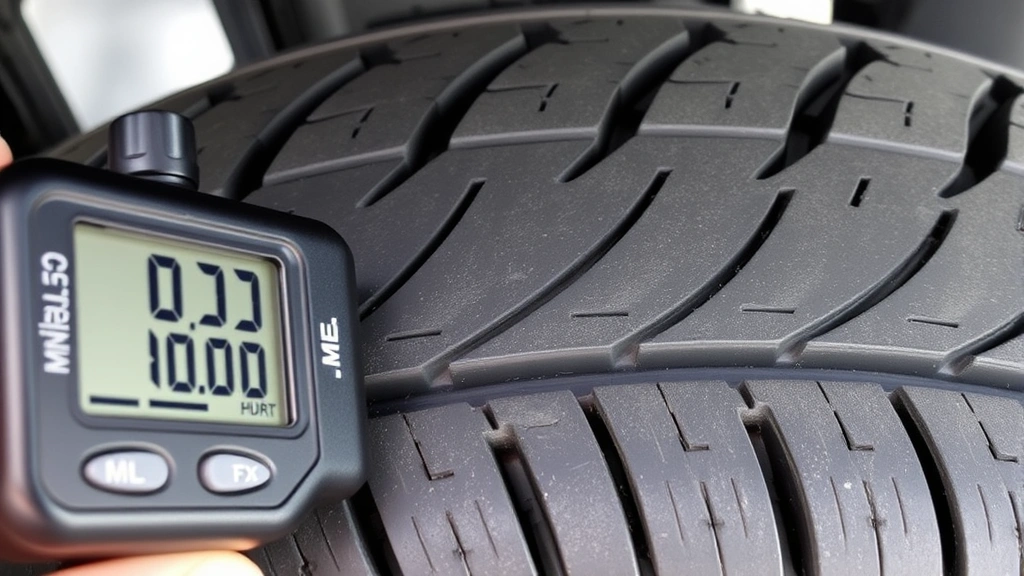
Before replacing tires based on age or mileage alone, you need to understand tread depth—the measurement of rubber between the tire surface and the grooves. Tread depth is measured in 32nds of an inch, and this single measurement determines your tire’s safety and effectiveness.
The penny test is the quickest DIY assessment. Insert a penny into your tire’s tread groove with Lincoln’s head pointing downward. If you can see the top of Lincoln’s head, your tread depth is below 2/32 inches, and replacement is mandatory. The legal minimum tread depth in most states is 2/32 inches, but safety experts recommend replacing tires at 4/32 inches, especially if you drive in wet conditions frequently.
Modern tires include built-in treadwear indicators—small rubber bars between the treads that become visible when tread depth reaches approximately 2/32 inches. When these indicators align with the tire surface, you’re at the legal minimum. However, waiting until this point puts you at significant risk during heavy braking or wet weather.
For accuracy, use a digital tire tread depth gauge available at any auto parts store for under $10. Measure multiple locations across each tire since wear patterns vary. Uneven wear often indicates alignment issues, improper inflation, or suspension problems requiring professional attention.
How Age Affects Tire Condition
Even if your tire tread looks pristine, the rubber itself deteriorates with time. Tire rubber is a complex polymer blend that oxidizes and loses elasticity through exposure to UV rays, ozone, heat, and temperature fluctuations. This process happens whether your car sits in a garage or gets driven daily.
The National Highway Traffic Safety Administration has documented cases where tires older than six years showed increased failure rates, even with adequate tread depth. Sidewall cracking, bulging, and internal delamination can occur in aging tires without obvious external signs. These hidden defects can cause sudden blowouts, especially under highway speeds or heavy loads.
To determine your tire’s age, locate the Department of Transportation code on the sidewall. The last four digits represent the week and year of manufacture. For example, “3019” means the 30th week of 2019. If your tires are approaching or exceeding the six-year mark, replacement becomes prudent regardless of remaining tread.
Storage conditions significantly impact aging. Tires stored in cool, dark, dry environments age more slowly than those exposed to sunlight, extreme heat, or chemical solvents. If you maintain a second set of tires for seasonal changes, proper storage can preserve them longer. Keep them in a climate-controlled location away from direct sunlight and petroleum products.
Maintenance Practices That Extend Tire Life
Proper maintenance doesn’t eliminate the need for eventual replacement, but it dramatically extends the interval. The foundation of tire longevity starts with correct inflation pressure. Underinflated tires generate excessive heat, accelerate wear, and reduce fuel efficiency. Overinflated tires wear prematurely in the center and provide a rougher ride.
Check your tire pressure monthly and before long trips. The correct pressure isn’t on the tire sidewall—that’s the maximum rating. Your vehicle’s correct pressure is listed on a sticker inside the driver’s door jamb or in your owner’s manual. Tire pressure fluctuates with temperature; expect a 1 PSI drop for every 10-degree Fahrenheit decrease.
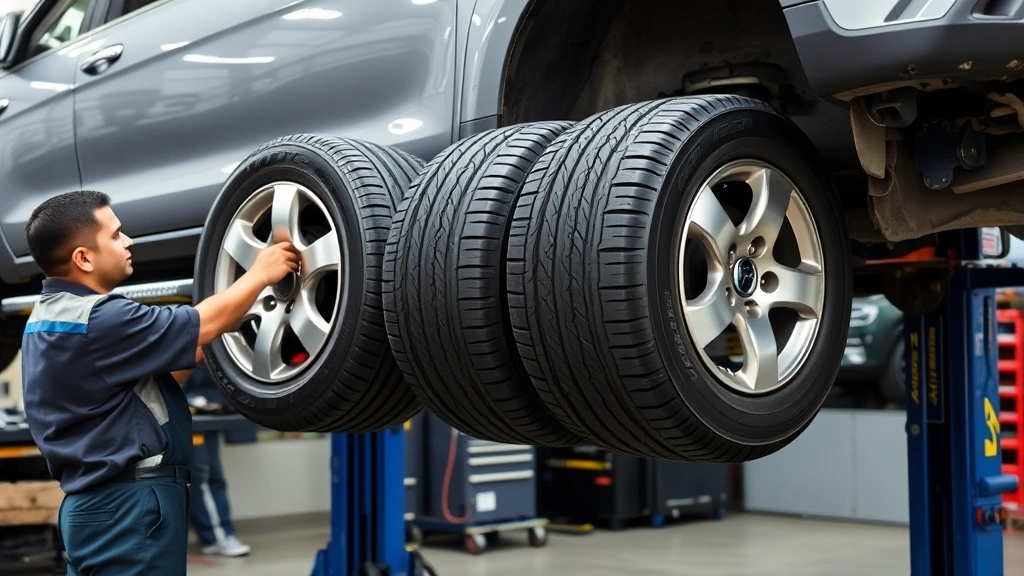
Tire rotation is equally critical. Front tires wear faster than rear tires in most vehicles due to steering and braking forces. Rotating tires every 5,000 to 7,000 miles promotes even wear and extends tire life by 25 to 50 percent. Most manufacturers recommend a cross-rotation pattern for front-wheel and all-wheel-drive vehicles, while rear-wheel-drive vehicles typically use a side-to-side pattern.
Wheel alignment affects tire longevity significantly. Misaligned wheels cause uneven wear patterns—excessive edge wear on one side, center wear, or feathering (diagonal wear across the tread). Professional alignment checks annually help prevent premature wear. If you notice your vehicle pulling to one side or your steering wheel vibrating, seek alignment service immediately.
Smooth driving habits preserve tires better than aggressive acceleration, hard braking, and high-speed cornering. Excessive heat generated by aggressive driving degrades rubber compounds faster. Avoiding potholes, curbs, and debris protects sidewalls from damage that can cause blowouts or slow leaks.
Climate and Driving Conditions Impact
Your geographic location and typical driving conditions create distinct replacement timelines. Hot climates accelerate tire degradation. Desert and southern regions with intense UV exposure and high temperatures cause rubber to oxidize faster. Drivers in Arizona, Texas, and Florida typically replace tires more frequently than those in cooler climates.
Conversely, cold climates present different challenges. Winter driving with snow, ice, and salt requires specialized winter or all-season tires. Winter tires use different rubber compounds designed for cold temperatures but wear faster in warm conditions. If you switch between winter and summer tires, you’re extending the life of each set since neither experiences year-round use.
Frequent highway driving generates more heat and places different stress on tires compared to city driving. Highway miles accumulate faster and subject tires to sustained high speeds, while city driving involves more braking, acceleration, and turning—different wear patterns but similar overall life reduction. Towing heavy loads consistently accelerates tire wear due to increased weight and heat generation.
Road salt in northern winters corrodes wheels and can damage tire sidewalls if not cleaned regularly. Dirt, gravel, and debris in rural areas increase puncture risks and sidewall damage. Urban driving with frequent potholes and curbs causes structural damage that may not be immediately visible but compromises safety.
As part of comprehensive vehicle maintenance, maintaining proper fluid levels is essential. Ensuring your vehicle runs optimally reduces excessive strain on tires. While you’re monitoring tire condition, also consider checking your engine oil regularly and monitoring transmission fluid levels to keep your entire vehicle in peak condition.
Warning Signs Your Tires Need Replacement
Beyond scheduled replacement timelines, certain warning signs demand immediate attention. Visible bulges or blisters on the tire sidewall indicate internal damage and risk of blowout. Cracks in the sidewall or tread area suggest tire degradation or structural failure. Any visible damage requires professional inspection or replacement.
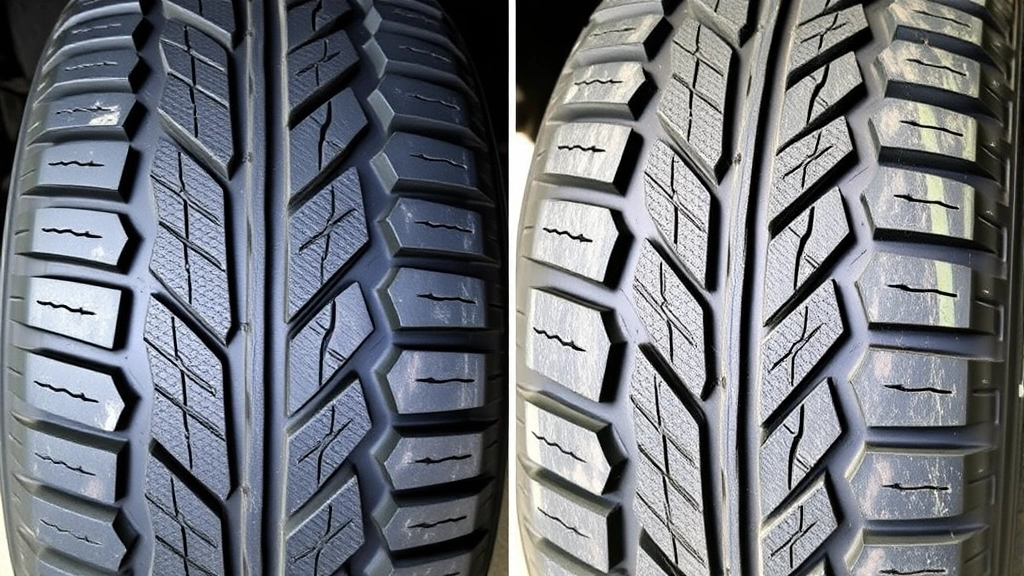
Uneven or rapid tread wear signals underlying issues. Wear concentrated on the tire edges suggests underinflation or suspension problems. Center wear indicates overinflation. Feathering—where tread ribs angle in one direction—points to alignment issues. Identifying these patterns during rotation or inspection allows you to address root causes while replacing tires.
Vibration or pulling while driving, especially if it develops suddenly, may indicate tire damage, imbalance, or flat spots from prolonged parking. Excessive noise or thumping sounds suggest internal separation or sidewall damage. Frequent flat tires in a short period indicate either bad luck with debris or tire structure problems requiring replacement.
Loss of traction in wet conditions despite adequate tread depth might mean the tire compound has hardened with age. If your tires are over five years old and you notice diminished wet weather performance, replacement becomes safer than waiting for the tread to wear completely.
Seasonal Tire Considerations
Many drivers use dedicated winter tires or switch between winter and all-season tires seasonally. This practice extends the life of each set substantially. Winter tires used only four to five months yearly last significantly longer than all-season tires used continuously. A winter tire set might last four to five years of seasonal use, while all-season tires need replacement every three to four years in regions with true winter seasons.
All-season tires represent a compromise—they handle winter conditions adequately but don’t match dedicated winter tire performance in snow and ice. If you live in an area with frequent winter weather, dedicated winter tires provide superior safety and may actually extend overall tire lifespan since your summer tires aren’t exposed to harsh winter conditions.
Summer tires offer maximum performance in warm weather but should never be used in freezing temperatures. The rubber compound hardens in cold conditions, reducing grip and increasing blowout risk. All-weather tires (different from all-season) are rated for winter conditions and can be used year-round, though they won’t match dedicated winter tire performance.
Storing seasonal tires properly extends their life. Keep them in a cool, dark, dry location away from direct sunlight and heat sources. Store them vertically or on a rack rather than flat to prevent flat-spotting. Maintaining proper pressure during storage slows oxidation and deterioration. Investing in proper storage extends your tire investment’s value, particularly for premium winter tire sets.
Frequently Asked Questions
What’s the difference between tire age and mileage replacement guidelines?
Tire age and mileage are independent factors, and whichever limit you reach first determines replacement timing. Mileage-based replacement accounts for physical wear and tread degradation from road contact. Age-based replacement addresses rubber compound deterioration that occurs regardless of driving. A tire might reach the mileage limit before aging out, or vice versa. This is why checking both the tread depth and the DOT date code is essential.
Can I replace just one or two tires instead of all four?
Replacing all four tires simultaneously is ideal for safety and handling consistency. However, if only one or two tires are damaged while others have significant tread remaining, targeted replacement is acceptable. Avoid pairing brand-new tires with significantly worn ones. New tires have better grip, potentially causing handling imbalances. If replacing two tires, install them on the rear axle for better stability. Consult your vehicle’s manual for specific guidance on your vehicle type.
How does tire quality affect replacement frequency?
Budget tires typically cost less but wear faster, often lasting 25,000 to 40,000 miles. Mid-range tires provide better longevity (40,000 to 60,000 miles) with improved durability and comfort. Premium tires offer extended warranties, superior performance, and can exceed 80,000 miles. While premium tires cost more upfront, the per-mile cost often equals or beats budget options when accounting for replacement frequency. Your driving habits and priorities determine whether the premium investment justifies the cost.
Should I replace tires based on age even if tread looks good?
Yes, the Rubber Manufacturers Association recommends replacement every six years regardless of tread appearance, with mandatory replacement at ten years. Tire rubber oxidizes and loses elasticity over time, creating safety risks invisible to the naked eye. Sidewall cracking, internal separation, and compound hardening can occur in aging tires with adequate tread. If your tires are approaching six years old, replacement becomes prudent for safety, even if tread appears acceptable.
What should I do with old tires after replacement?
Don’t simply discard old tires in a landfill. Most tire retailers handle disposal when you purchase replacements, sometimes charging a small disposal fee. Recycling centers, scrap yards, and waste management facilities accept tires. Some tires with adequate tread can be retreaded or sold as used tires. Proper disposal prevents environmental contamination and allows materials to be repurposed for playground surfaces, road asphalt, and other applications.
Does tire pressure affect replacement frequency?
Absolutely. Underinflated tires generate excessive heat, accelerate wear, and can fail prematurely. Overinflated tires wear unevenly and may blowout under stress. Maintaining correct pressure extends tire life by 25 to 50 percent. Check pressure monthly and before long trips, adjusting for temperature changes. Proper inflation is one of the most cost-effective maintenance practices you can perform.
How can I tell if my tires need replacement during winter?
Winter conditions stress tires more severely. If your all-season or winter tires reach 6/32 inches of tread depth during winter, replacement becomes critical for safety despite the legal minimum being 2/32 inches. Reduced tread depth in snow and ice dramatically increases stopping distance and loss-of-control risk. If winter performance noticeably diminishes or you notice reduced traction, professional inspection is warranted. Winter tires older than five years should be replaced regardless of tread depth.

Related Posts

How Long to Boil Lobster Tails: Cooking Guide

How Long to Fly from New York to London? Travel Times
