
How Many Fouls to Foul Out in NBA? Explained
How Many Fouls to Foul Out in NBA? Explained
Basketball fans have watched countless games where a star player gets ejected in the final minutes, leaving their team scrambling for a backup. But what exactly triggers a player’s exit from the game? Understanding the NBA’s foul system is essential for appreciating the sport’s rules and strategy. Whether you’re a casual viewer or a dedicated fan, knowing how many fouls it takes to foul out in the NBA will deepen your understanding of the game’s competitive balance.
The NBA foul system is designed to protect players from excessive contact while maintaining the flow of play. It’s a carefully calibrated mechanism that keeps the game fair and prevents stronger teams from simply bullying their way to victory. Every foul carries consequences, and when those consequences accumulate, players face disqualification. Let’s break down exactly how this works and why it matters so much to the sport.
Whether you’re interested in the technical rules or just want to understand why your favorite player suddenly left the court, this guide covers everything you need to know about fouls and ejections in professional basketball.
Personal Fouls and the Six-Foul Rule
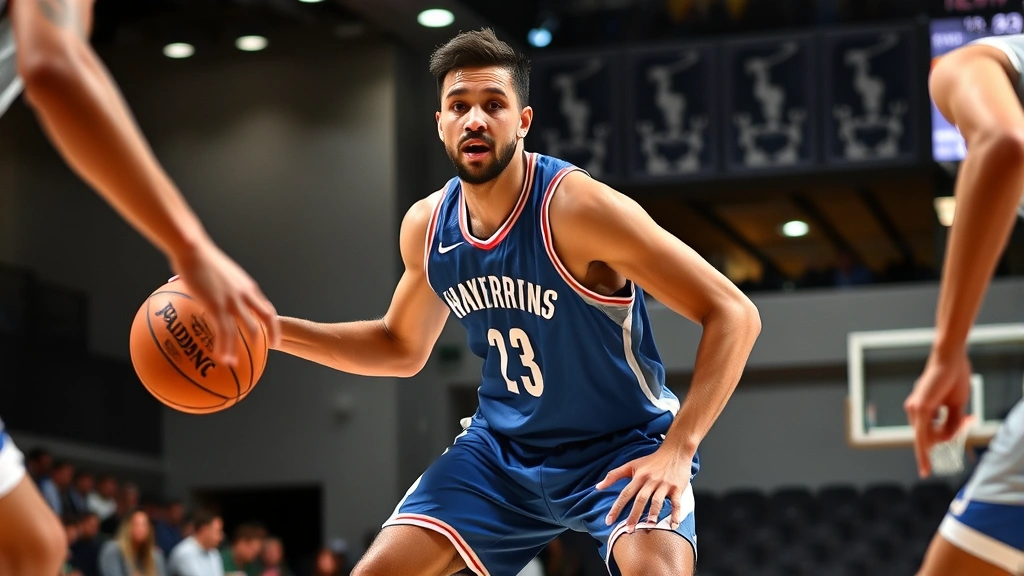
In the NBA, a player is disqualified from the game after accumulating six personal fouls. This is the fundamental rule that governs player participation and prevents excessive physical contact. When a player commits their sixth personal foul, they must immediately leave the game and cannot return, regardless of how much time remains on the clock. This rule applies equally to all players, from rookies to superstars, creating a level playing field where everyone faces the same consequences.
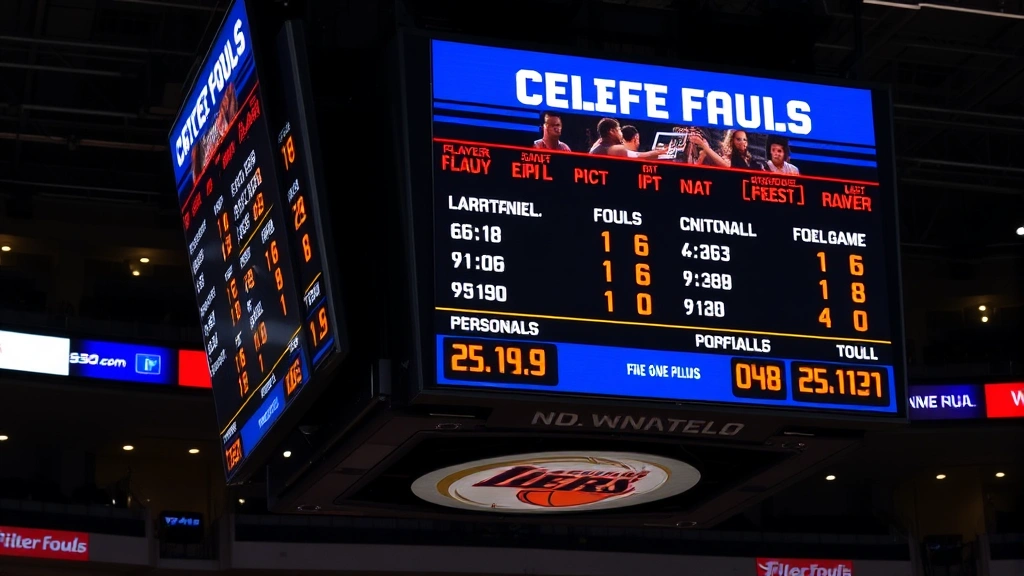
Personal fouls encompass a wide range of infractions. These include blocking fouls (when a defender makes illegal contact with a shooter), charging fouls (when an offensive player runs into a defender), pushing, holding, and other forms of illegal contact. Each contact violation counts as one personal foul toward that player’s total. The referees keep meticulous track of these fouls, displaying them on the scoreboard so everyone in the arena knows how many fouls each player has accumulated.
The six-foul limit creates interesting strategic dynamics. Players with four or five fouls often play more cautiously, avoiding aggressive defense that might result in their disqualification. Coaches must decide whether to keep a key player in the game despite foul trouble or substitute them to preserve their availability. This tension between wanting to win the current possession and maintaining your best players’ availability adds a fascinating layer to NBA competition.
Understanding personal fouls is crucial for appreciating how teams manage their rosters during games. A player sitting on the bench with five fouls represents both an asset and a liability—they’re still available if needed, but one more mistake ends their night. This dynamic influences every decision coaches make in the final quarters of close games.
Understanding Technical Fouls
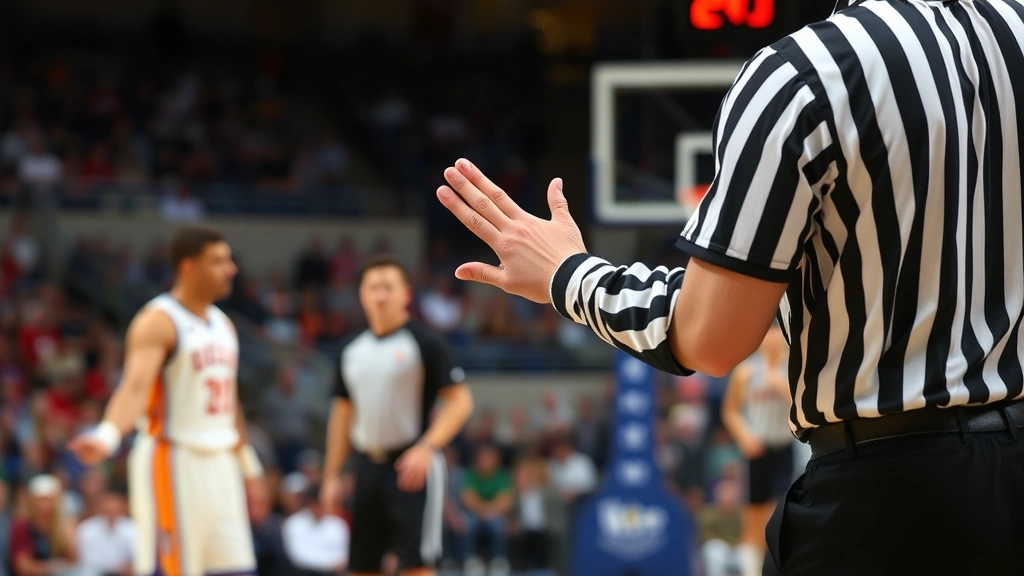
Technical fouls operate on a completely different system than personal fouls. While personal fouls relate to illegal contact during play, technical fouls address unsportsmanlike conduct, arguing with officials, excessive celebration, and other behavioral violations. A player is ejected after two technical fouls in a single game, making them far easier to accumulate than personal fouls.
Technical fouls can be called for various infractions. A player might receive a technical for using profanity directed at an official, for taunting an opponent, for removing their jersey, or for dunking excessively on the basket. Even coaches can receive technicals for arguing calls or stepping on the court. The NBA has become stricter about technical fouls in recent years, emphasizing respect for officials and maintaining game decorum.
The consequences of technicals extend beyond ejection. Each technical foul also results in a free throw for the opposing team, giving them a scoring opportunity. This makes technicals particularly costly late in games when every point matters. Some players develop reputations for accumulating technicals, which affects how much freedom they have to express frustration without risking ejection.
One interesting aspect of the NBA foul system is that technicals don’t count toward a player’s personal foul total. A player could have five personal fouls and two technicals, facing ejection from either accumulating one more personal foul or receiving one more technical. This dual-track system keeps players constantly aware of their foul status from multiple angles.
Flagrant Fouls Explained
Flagrant fouls represent the most severe type of contact violation in basketball. These are fouls involving excessive or unnecessary contact that the NBA deems especially dangerous or unsportsmanlike. Flagrant fouls are divided into two categories: flagrant 1 and flagrant 2.
A flagrant 1 foul counts as one personal foul toward a player’s total, meaning a player can accumulate six flagrant 1 fouls before being ejected. However, flagrant 1 fouls also result in two free throws for the opposing team, plus they retain possession of the ball. This makes flagrant fouls significantly more punishing than regular personal fouls.
A flagrant 2 foul is far more severe. This type of foul results in immediate ejection from the game, regardless of how many other fouls the player has accumulated. A flagrant 2 is called when a player commits an excessively violent or dangerous act—things like throwing a punch, deliberately kicking an opponent, or making a reckless motion that endangers another player’s safety. The NBA takes player safety seriously, and flagrant 2 fouls represent the line that cannot be crossed.
Flagrant fouls are subject to review and can be challenged by coaches using their challenge system. Sometimes what appears to be a flagrant 2 on first glance might be ruled a flagrant 1 upon review, or the contact might be deemed incidental. This review process adds another layer of complexity to the foul system and occasionally creates controversial moments that spark debate among fans and analysts.
How Fouls Affect Team Strategy
The foul system fundamentally shapes how NBA teams approach both offense and defense. Coaches constantly monitor their players’ foul status and adjust their strategies accordingly. A player with four fouls plays differently than one with two fouls, and this impacts everything from defensive intensity to playing time decisions.
On defense, players with foul trouble often become more passive. They might give opponents more space, avoid aggressive help defense, or hesitate to challenge shots. This can create offensive opportunities for the opposing team, as they recognize the defensive player is playing timidly. Smart offensive players exploit this hesitation, attacking defenders with foul trouble more aggressively.
Coaches face difficult decisions when key players accumulate fouls early. Do you bench them to preserve them for later in the game, or keep them on the court and risk losing them entirely? Benching a star player might hurt your chances of winning the current quarter, but it ensures they’re available for crucial moments. This decision-making process is one of the most interesting aspects of NBA coaching strategy.
Team depth becomes critically important because of the foul system. Teams need reliable backup players who can step in when starters get into foul trouble. A team with strong bench depth can weather the loss of a starter better than a team with minimal alternatives. This is why draft strategy and trade decisions often prioritize building depth across the roster.
Special Circumstances and Exceptions
While the basic foul rules are straightforward, the NBA has created special circumstances and exceptions that affect how fouls are counted and enforced. Understanding these nuances separates casual fans from true basketball enthusiasts who grasp the sport’s complexity.
The flagrant foul penalty system changed in recent years to emphasize player safety. Previously, players could accumulate multiple flagrant fouls with less severe consequences. Now, the league takes any dangerous contact seriously and has increased penalties to discourage reckless play. This reflects the NBA’s commitment to protecting player health and longevity.
In overtime games, players’ foul counts carry over from regulation. A player with four fouls at the end of regulation enters overtime with four fouls, needing only two more to be disqualified. This creates unique strategic situations where teams might bench players with high foul counts in overtime to ensure they’re available for potential multiple-overtime scenarios.
The NBA also has rules regarding clear-path fouls, which occur when a defender fouls an offensive player who has a clear path to the basket. These result in two free throws plus possession for the fouled team, creating additional scoring opportunities. Clear-path situations are carefully defined to prevent defensive players from fouling to stop easy baskets.
Additionally, you might find it interesting to explore how different games operate under different rule systems. For instance, if you’re curious about strategic games like how to play spades, you’ll notice that games with clear rules and consequences create interesting strategic depth. Similarly, the NBA’s foul system creates that same kind of strategic complexity. Even games like how to play cribbage have their own foul and penalty systems that shape how players approach the game strategically.
The NBA continues to evolve its rules to address safety concerns and maintain competitive balance. Recent changes have emphasized protecting players from dangerous contact while ensuring the game remains competitive and exciting. Understanding these evolving rules helps fans appreciate the league’s commitment to player welfare.
Frequently Asked Questions
Can a player return to the game after fouling out?
No, once a player has accumulated six personal fouls or two technical fouls, they are permanently disqualified from that game. They cannot return under any circumstances, even if circumstances change or injuries occur. This permanent disqualification ensures consistency and prevents teams from strategically fouling out players and then having them return.
Do fouls reset between halves?
No, fouls do not reset between halves. A player’s foul count carries over from the first half into the second half. If a player has three fouls at halftime, they enter the second half with three fouls already accumulated. This carries through overtime as well, maintaining a running total throughout the entire game.
What happens if a team fouls out all their players?
While extremely rare, it is technically possible for a team to have all their players fouled out. In such a scenario, the team would need to continue playing with fewer than five players on the court, as they would have exhausted their roster. The game would continue with whatever players remain available, even if it’s fewer than the standard five.
Are defensive and offensive fouls counted differently?
Both defensive and offensive fouls count equally toward a player’s personal foul total. There is no distinction in how they’re tracked. However, they have different consequences: offensive fouls result in a change of possession, while defensive fouls result in free throw attempts for the fouled team.
Can coaches challenge foul calls?
Yes, coaches can challenge certain foul calls using their challenge system. However, not all fouls are challengeable. Generally, flagrant fouls and other specific situations can be reviewed, but routine personal fouls cannot be challenged. Each team gets a limited number of challenges per game.
How do flagrant fouls differ from regular fouls?
Flagrant fouls involve excessive or unnecessary contact and carry harsher penalties. They result in free throws plus possession for the fouled team, whereas regular fouls might only result in free throws. Flagrant 2 fouls result in immediate ejection, while flagrant 1 fouls count as one personal foul toward the six-foul disqualification total.

Related Posts

How Long to Boil Lobster Tails: Cooking Guide

How Long to Fly from New York to London? Travel Times
