
How Long Do Potatoes Take to Boil? Expert Guide
How Long Do Potatoes Take to Boil? Expert Guide
There’s something almost meditative about waiting for a pot of potatoes to reach that perfect tender state. Whether you’re prepping for mashed potatoes, potato salad, or just looking for a quick side dish, understanding the exact timing can mean the difference between fluffy perfection and mushy disappointment. The truth is, boiling potatoes isn’t rocket science, but it does require paying attention to a few key variables that most home cooks overlook.
The answer to “how long do potatoes take to boil” isn’t as straightforward as you might think. Timing depends on potato size, type, starting water temperature, and altitude. A small fingerling might be done in 10 minutes, while a large russet could take 25 minutes or more. Getting this right transforms your cooking from guesswork into reliable, repeatable results that impress every time.
In this comprehensive guide, we’ll walk you through everything you need to know about boiling potatoes perfectly, from preparation to doneness testing. You’ll learn the precise timing for different varieties, discover professional tricks that restaurants use, and understand why your potatoes might be coming out wrong.
Understanding Potato Types and Sizes
Before you even think about timing, you need to understand what you’re working with. Potatoes come in three main categories: waxy, starchy, and all-purpose varieties. Each behaves differently when boiled, affecting both cooking time and final texture.
Waxy potatoes like red potatoes, fingerlings, and new potatoes have lower starch content and hold their shape beautifully during boiling. These are your go-to choice for potato salads and dishes where you want distinct potato pieces. They typically take 10-15 minutes to boil depending on size.
Starchy potatoes such as russets and Idaho potatoes have higher starch content, making them perfect for mashing. They break down more easily during cooking and absorb flavors readily. These usually require 15-25 minutes of boiling time.
All-purpose potatoes like Yukon golds fall somewhere in between and work well for most applications. They’re forgiving and typically boil in 12-18 minutes.
Size matters just as much as variety. A small new potato the size of a golf ball will cook in about 10 minutes, while a large russet cut into chunks might take 15-20 minutes. This is why many experienced cooks cut their potatoes into uniform pieces—it ensures even cooking throughout your batch.
Boiling Time Chart by Potato Type
Here’s where precision meets practicality. Understanding how long does water take to boil is just the first step; you also need to know exactly how long potatoes need once that water is at a rolling boil.
Small whole potatoes (1-2 inches): 10-15 minutes for waxy varieties, 12-18 minutes for all-purpose, 15-20 minutes for starchy potatoes.
Medium whole potatoes (2-3 inches): 15-20 minutes for waxy, 18-25 minutes for all-purpose, 20-30 minutes for starchy varieties.
Large whole potatoes (3+ inches): 20-30 minutes for waxy, 25-35 minutes for all-purpose, 30-40 minutes for starchy potatoes.
Cubed potatoes (1-inch chunks): 10-15 minutes regardless of variety, assuming you started with a rolling boil.
Halved or quartered potatoes: 12-20 minutes depending on original size and potato type.
The key takeaway? Cut your potatoes into uniform sizes, and you’ll dramatically improve your consistency. A mix of small and large pieces will result in some being overcooked while others remain firm.
Preparation Steps for Perfect Results
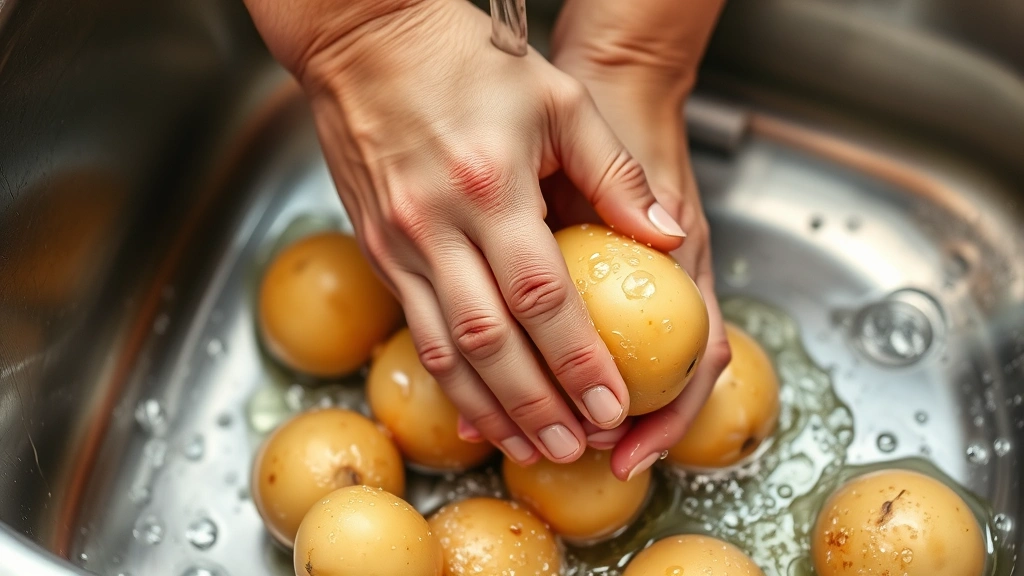
Getting your potatoes ready properly sets the stage for success. Start by scrubbing them under cold running water to remove any dirt. You don’t need to peel them before boiling—in fact, leaving the skin on helps retain nutrients and flavor.
Next, decide on your cutting strategy. For how long does it take to boil potatoes, uniformity is everything. If you’re leaving them whole, choose similarly sized potatoes. If cutting them, aim for pieces about 1 to 1.5 inches in size. Think of it like building blocks—all the same dimensions cook at the same rate.
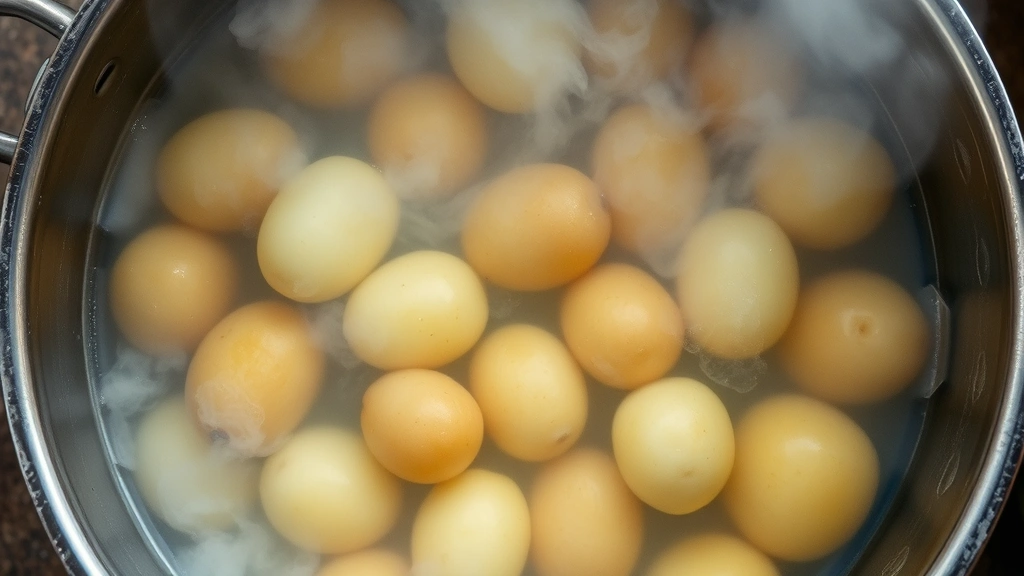
Place your prepared potatoes in a large pot and cover them with cold water. This might seem counterintuitive, but starting with cold water allows the potatoes to heat gradually and cook evenly throughout. Add salt to the water—about 1 tablespoon per gallon. This seasons the potatoes from the inside out and raises the boiling point slightly, which actually helps them cook more evenly.
Now bring the water to a rolling boil over high heat. Once you hit that boil, reduce the heat to medium-high to maintain a gentle, steady boil. A vigorous, violent boil doesn’t cook potatoes faster; it just breaks them apart and wastes energy.
The Cooking Process Explained
Once your water is at a rolling boil and your potatoes are submerged, the clock starts. The timing from this point forward is what determines your success. Keep the pot uncovered so you can monitor progress and check for doneness periodically.
One professional trick that separates good cooks from great ones: keep your water at a consistent, moderate boil rather than a rolling boil. This prevents the exterior from falling apart before the interior is cooked. Think of it as gentle persuasion rather than aggressive force.
For those preparing multiple dishes, understanding timing helps with meal planning. Just as you’d reference how long to boil chicken or how long to boil shrimp for coordinated cooking, potatoes fit into your prep timeline too. Most vegetables take similar times, so you can often boil potatoes alongside other components.
The water should remain at a constant temperature throughout cooking. If you’re adding cold ingredients or opening the lid frequently, you’ll extend cooking time. Keep the lid off to allow steam to escape and maintain temperature consistency.
Testing for Doneness
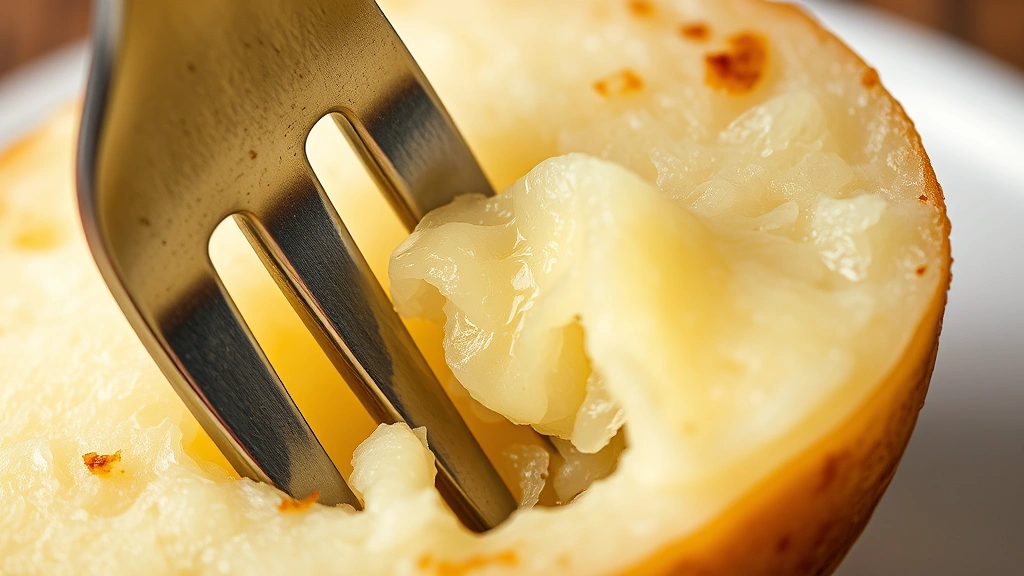
The most reliable way to check if your potatoes are done is the fork test. Pierce the thickest piece with a fork. If it slides through with minimal resistance, you’re golden. If the fork meets resistance or the potato feels firm, give it another 2-3 minutes and test again.
Another method is the knife test. A sharp knife should pass through the potato easily when it’s done. If you feel significant resistance, the potato needs more time.
Avoid the guesswork of simply going by time alone. Altitude, pot size, initial water temperature, and your stove’s power output all affect cooking duration. Always test before draining. Overcooked potatoes become waterlogged and lose their structure, while undercooked ones are hard and unpleasant to eat.
For how to make brown gravy or other potato-based sauces, slightly firm potatoes work better since they’ll soften during the reduction process. For mashing or potato salad, cook until fully tender but not falling apart.
Common Mistakes to Avoid
The most common mistake is starting with boiling water instead of cold water. While this seems faster, it actually cooks the exterior before the interior is done, resulting in uneven texture. Always start with cold water and gradually bring it to a boil.
Another frequent error is overcrowding the pot. Too many potatoes in too little water means they won’t cook evenly. Fill your pot so potatoes are just covered with water, leaving a few inches of headspace.
Skipping the salt is a missed opportunity. Salted water seasons potatoes throughout, not just on the surface. It’s the difference between bland and delicious.
Many home cooks also fail to cut potatoes uniformly, leading to a batch where some pieces are mushy and others are firm. Take the extra 30 seconds to cut everything to the same size.
Finally, draining without testing first is a common mishap. Once you drain the water, there’s no going back. Always verify doneness before you pour that pot out.
Professional Tips and Tricks
Restaurant chefs use several strategies that home cooks rarely employ. First, they often add a bay leaf and peppercorns to the water for subtle flavor enhancement. These aromatics infuse the potatoes without overwhelming them.
Second, they understand that how long to boil shrimp differs from potatoes, just as each ingredient has its own requirements. They respect timing for each component rather than guessing.
Professional cooks also use an ice bath immediately after draining. This stops the cooking process instantly and prevents the mushy texture that continues after draining. For potato salad or dishes served cold, this technique is invaluable. Simply drain your potatoes and immediately plunge them into a bowl of ice water for 1-2 minutes, then drain again.
Another pro move is reserving a cup of starchy potato cooking water before draining. This liquid is liquid gold for mashed potatoes—it helps achieve the perfect consistency without adding milk or cream. It also works beautifully in soups and gravies.
Temperature matters more than time. Invest in an instant-read thermometer and test the internal temperature of a potato. Fully cooked potatoes register around 205-210°F internally. This removes all guesswork and ensures consistency.
For meal prep, you can boil potatoes the day before and refrigerate them. They’ll actually be easier to peel if cooled first. When ready to use, simply reheat them gently or use them cold in salads. This strategy pairs well with understanding how to make french press coffee for your morning routine—batch prep different components of your meals for efficiency.
Frequently Asked Questions
Should I peel potatoes before boiling?
No, leaving the skin on is generally better. The skin helps retain nutrients, flavors, and starches. It also prevents the potatoes from absorbing excess water. You can peel them after cooking if desired, or leave them on for added texture and nutrition.
Can I speed up boiling time by using hot water instead of cold?
While starting with hot water saves a few minutes on heating time, it doesn’t significantly reduce overall cooking time and can result in uneven cooking. Cold water allows for more consistent, even cooking throughout the potato. The time savings isn’t worth the quality trade-off.
Why do my boiled potatoes fall apart?
Overcooked potatoes break down due to starch breakdown. This happens when you cook them too long or at too high a temperature. Use the fork test frequently in the final minutes of cooking, and reduce heat to maintain a gentle boil rather than a rolling boil.
How do I know if my potatoes are undercooked?
The fork test will reveal this immediately. A fork should pierce easily when done. If you feel significant resistance, the potato needs more time. Undercooked potatoes have a hard, waxy interior that’s unpleasant to eat.
Can I boil potatoes in advance?
Absolutely. Boil them, cool them in an ice bath, and refrigerate for up to 5 days. You can reheat them gently on the stove or in the microwave, or use them cold in salads and other dishes. This is excellent for meal prep.
Does potato size really affect boiling time that much?
Yes, significantly. A small fingerling potato cooks in 10 minutes, while a large russet takes 30+ minutes. This is why cutting potatoes uniformly is so important—it ensures everything cooks at the same rate.
What if I forget about my potatoes and they boil for too long?
If they’re only slightly overcooked, you can still salvage them for mashed potatoes or potato soup. If they’re falling apart, they’re best suited for those applications where texture breakdown is actually desired. Drain them immediately and use them quickly.
Is there a difference in boiling time for organic versus conventional potatoes?
Not significantly. The main factors affecting boiling time are size, variety, and starting water conditions—not whether the potato is organic or conventional. However, freshness can matter; older potatoes sometimes take slightly longer.

Related Posts

How Long to Boil Lobster Tails: Cooking Guide

How Long to Fly from New York to London? Travel Times
