
How to Wash a Hat: Expert Cleaning Guide
How to Wash a Hat: Expert Cleaning Guide
Your favorite hat has seen some action. Maybe it’s absorbed sweat from summer adventures, picked up dust from storage, or collected the kind of grime that only time and wear can deliver. The good news? Washing a hat doesn’t require sending it to the dry cleaner or tossing it in the trash. With the right approach, you can restore it to nearly its original glory without damaging the fabric, shape, or structure.
Whether you’re dealing with a baseball cap, a delicate wool beanie, a straw sun hat, or a vintage fedora, the cleaning method matters. Each hat type has its quirks, and what works for one might ruin another. This guide walks you through everything you need to know about hat care, from identifying your hat’s material to choosing the perfect cleaning method and drying technique.
The key to successful hat washing lies in understanding what you’re working with and treating it accordingly. Skip the guesswork, and let’s get your headwear looking fresh again.
Identifying Your Hat Material
Before you even think about water and soap, you need to know what you’re working with. Hat materials vary widely, and each responds differently to moisture, heat, and agitation. Check the interior label first—most hats include care instructions that offer valuable clues about the best cleaning approach.
Cotton and canvas hats are generally the most forgiving. They can handle regular washing and tend to come out looking great. Baseball caps, casual trucker hats, and canvas bucket hats fall into this category and are excellent candidates for both hand and machine washing.
Wool hats require gentleness. Beanies, fedoras, and dress hats made from wool can shrink or felt if exposed to hot water or vigorous scrubbing. These need cool water and mild detergent specifically designed for delicate fabrics.
Straw and raffia hats are delicate in a different way. These natural materials can weaken when saturated with water, so they benefit from spot-cleaning or very gentle hand washing. Sun hats and boater hats often fall into this category.
Synthetic and blended materials vary in their tolerance for washing. Check the label carefully. Some synthetics can handle machine washing, while others need the gentlest hand-washing approach.
Leather and suede accents complicate things. If your hat has leather trim, sweatbands, or suede details, you’ll need to be extra cautious or consider professional cleaning for those components.
Preparing Your Hat for Washing
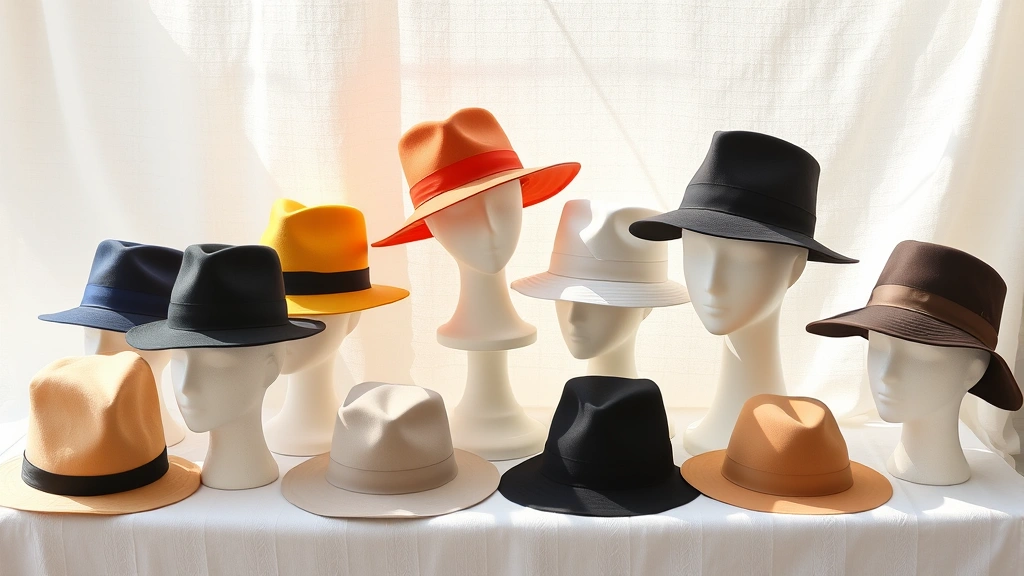
Proper preparation prevents damage and ensures your washing method works effectively. Start by removing any loose debris. Take your hat outside and gently brush it with a soft-bristled brush or an old toothbrush. This removes dust, lint, and surface dirt without introducing water. Pay special attention to seams, the bill or brim, and interior surfaces where debris accumulates.
Next, assess the stains. Is the sweatband discolored? Are there mysterious marks on the crown? Identifying the stain type helps you choose the right cleaning agent. Sweat stains, dirt, and general grime respond to basic soap and water. Oil-based stains might need a pre-treatment. Speaking of treating stubborn marks, understanding fabric care principles applies beyond hats—similar techniques help when you’re trying to get grease out of clothes.
Check the fit and structure. Does your hat have a rigid bill? Is it shaped with wires or buckram? These elements might shift during washing, so knowing what’s inside helps you plan your approach. Felt hats and structured dress hats need more careful handling than soft, unstructured beanies.
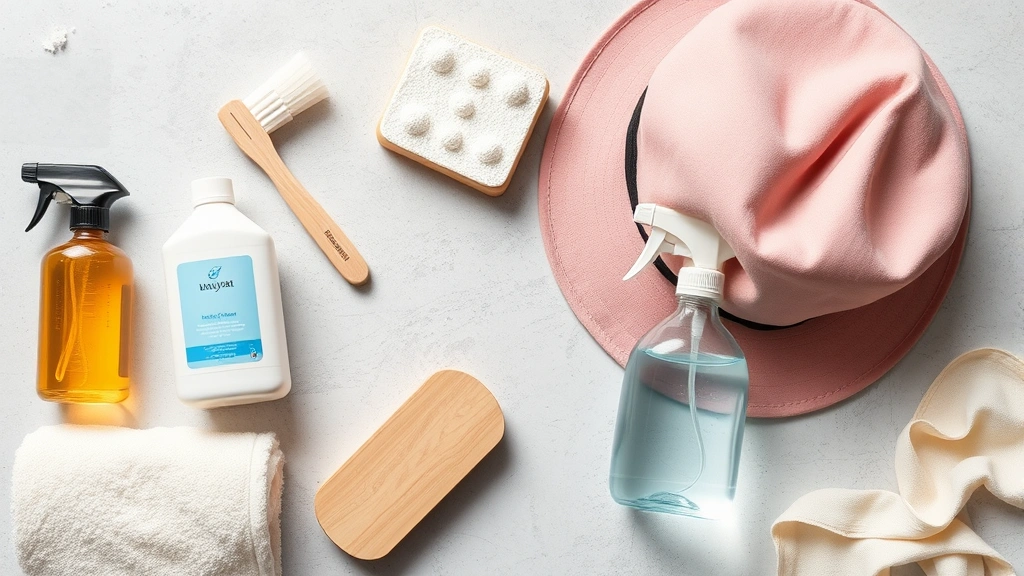
Gather your supplies before you start. You’ll want cool or lukewarm water, a mild detergent (avoid bleach unless the label specifically allows it), a soft brush or cloth, and clean towels. Having everything ready prevents frantic searching mid-wash.
Hand Washing Methods
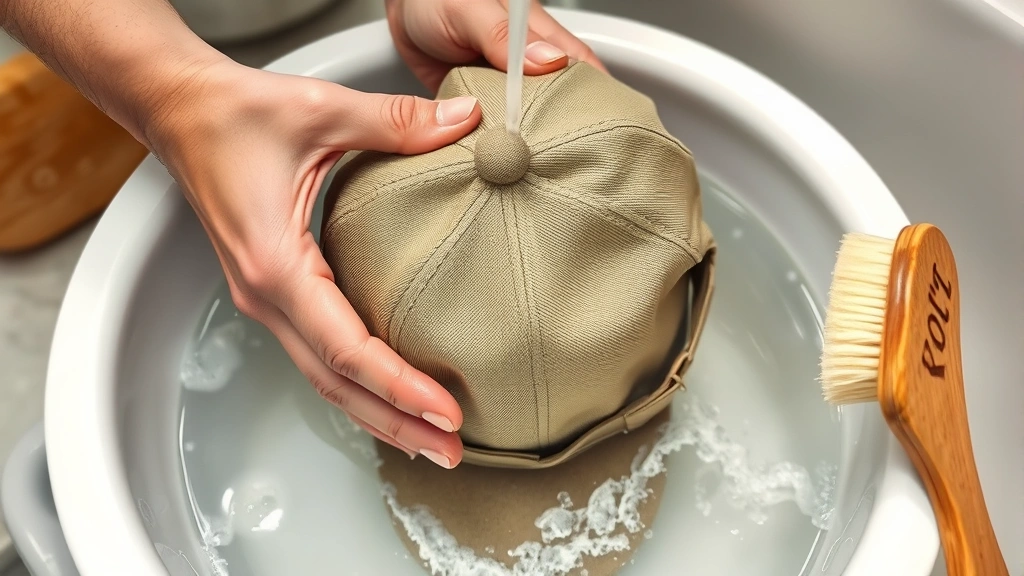
Hand washing is the safest approach for most hats, particularly delicate or structured styles. Fill a sink or basin with cool water—not hot, as heat can damage most hat materials and set stains permanently. Add a small amount of mild detergent. You’re looking for a light solution, not a sudsy bath.
The basic hand wash technique: Submerge your hat gently in the water. Let it soak for 5-10 minutes, allowing the water to penetrate the fibers and loosen dirt. Use a soft cloth or soft-bristled brush to gently scrub problem areas, particularly the sweatband, bill, and any visible stains. Work in circular motions rather than scrubbing aggressively—you’re coaxing dirt out, not attacking the fabric.
Pay extra attention to the interior sweatband. This area absorbs sweat, oils, and dirt more readily than the exterior. A dedicated soft brush works well here. For stubborn stains, let the hat sit in the soapy water a bit longer before gentle scrubbing.
Rinse thoroughly with cool, clean water. This step is crucial—soap residue left in the fabric can leave marks, attract dirt, and affect the hat’s texture. Rinse multiple times until the water runs clear and you don’t see any soap bubbles.
For wool hats, use lukewarm water and wool-specific detergent or baby shampoo. The process remains the same, but the materials demand extra gentleness. Avoid wringing or twisting; instead, gently squeeze out excess water by cradling the hat in your hands.
For straw and delicate natural fiber hats, minimize soaking time. Thirty seconds to a minute in the water is often enough. Gently wipe the surface with a soft cloth rather than submerging. These materials weaken when oversaturated.
Machine Washing Options
Machine washing works for sturdy, casual hats like cotton baseball caps and canvas bucket hats. It’s not recommended for delicate, structured, or specialty hats. If you’re considering machine washing, check the label first. If it says hand wash only, skip the machine entirely.
Using a mesh washing bag: Place your hat inside a mesh laundry bag designed for delicates. This protects the hat from agitation while still allowing water and detergent to circulate. Some people prefer hat cages or hat washing frames specifically designed for this purpose—they maintain the hat’s shape while protecting it in the machine.
Set your washing machine to a delicate or hand-wash cycle with cold water. Use mild detergent only—regular laundry detergent can be too harsh. Avoid bleach unless the label explicitly approves it. Never use fabric softener; it can leave residue and affect the hat’s appearance.
Wash the hat separately from other clothing to prevent color bleeding and tangling. Run a short cycle, typically 15-20 minutes. Longer cycles increase the risk of damage to the hat’s structure and finish.
Remove the hat immediately after the cycle completes. Leaving it in the machine, even in a mesh bag, can cause mildew and odors. If your hat comes out of the machine wrinkled, gentle steaming might help, but avoid direct iron contact on most hat materials.
The machine-washing approach connects to broader fabric care principles. Just as you’d need to understand material composition before attempting to wash a weighted blanket, hats require that same material-first thinking.
Drying and Reshaping
How you dry your hat determines whether it emerges looking great or warped and damaged. Never use a clothes dryer—the heat and tumbling will ruin most hats. Air drying is your best friend here.
The proper drying setup: Gently squeeze excess water from your hat without wringing. Place it on a clean, dry towel in a well-ventilated area away from direct sunlight or heat sources. Position the hat so it maintains its general shape as it dries. For baseball caps and hats with bills, you might place the bill on the edge of a table to help it dry in its natural curve.
For structured hats like fedoras or dress hats, use a hat block or form if you have one. These wooden or plastic shapes fit inside the hat and help maintain proper form while drying. If you don’t have a hat block, you can stuff the crown loosely with clean, dry towels to help it hold shape. Replace the towels as they absorb moisture.
Drying time varies based on humidity, ventilation, and hat size. Most hats dry completely within 24-48 hours. Patience here prevents temptation to use heat, which can cause permanent damage.
Once dry, your hat might need gentle reshaping. A light steaming can help restore shape and remove any wrinkles that developed during washing. Hold a steamer about 6 inches away and pass it over the hat’s surface without letting steam blast any single spot. Never use a traditional iron on most hats, as direct contact can melt synthetic fibers or damage delicate materials.
Special Cases and Troubleshooting
Vintage and delicate hats: If your hat is vintage, has sentimental value, or features delicate embellishments like beading or embroidery, consider professional cleaning. The cost is often worth protecting something irreplaceable. A hat specialist understands period-appropriate cleaning methods and has access to equipment and materials designed for preservation.
Stubborn odors: Sometimes hats smell funky despite being visually clean. Baking soda is your friend here. Sprinkle it inside the hat, let it sit overnight, then brush it out. Alternatively, place the hat in a sealed bag with crumpled newspaper or activated charcoal overnight. The odor-absorbing properties work magic on stubborn smells.
Mildew and mold: If your hat has been stored in humid conditions, you might notice mildew spots or a musty smell. White vinegar helps here. Mix equal parts white vinegar and water, and use a soft cloth to gently wipe affected areas. Rinse with clean water and dry thoroughly. If mildew is extensive, professional cleaning is safer than attempting DIY remediation.
Sweat stains: These yellowing marks on the sweatband are common and treatable. For fresh stains, the basic hand-washing method usually works. For set-in stains, try a paste of baking soda and water applied to the stained area before washing. Let it sit for 30 minutes, then gently scrub and rinse. This approach mirrors principles used when addressing similar fabric care challenges, like those involved in cleaning delicate footwear like Uggs.
Fading and discoloration: If your hat has faded or developed uneven coloring, prevention is easier than cure. Store hats away from direct sunlight, which accelerates fading. If discoloration has already occurred, professional dyeing or restoration might be necessary.
Shrinking concerns: Wool and some natural fiber hats can shrink if exposed to hot water or vigorous washing. If this happens, carefully stretch the hat back to shape while damp and allow it to dry in the proper form. For future reference, always use cool water and gentle handling with these materials. Similar principles apply when intentionally shrinking clothing like jeans—temperature and method are everything.
For more detailed guidance on specialty materials and professional cleaning services, check out This Old House’s hat cleaning recommendations and Family Handyman’s comprehensive guide.
Frequently Asked Questions
Can I wash all hats the same way?
No. Different materials require different approaches. Cotton and canvas tolerate machine washing, while wool needs gentle hand washing. Straw and delicate materials require minimal water contact. Always check the care label first.
Is it safe to use bleach on hats?
Bleach is risky for most hats. It can discolor, weaken fibers, and damage delicate materials. Use bleach only if the care label explicitly approves it, and even then, dilute it heavily and test on a hidden area first.
What temperature water should I use?
Cool or lukewarm water is safest. Hot water can set stains permanently, damage some materials, and cause shrinking, particularly in wool and natural fibers. Aim for water temperature around 65-75°F.
How often should I wash my hat?
This depends on usage and environmental factors. Casual hats worn occasionally might need washing just once or twice yearly. Hats worn regularly, especially in hot weather or during active use, benefit from washing every 2-4 weeks. Trust your nose and eyes—wash when the hat looks or smells dirty.
Can I use regular laundry detergent?
Mild detergent is best. Regular laundry detergent can be too harsh, leaving residue and potentially damaging delicate materials. Use a gentle, pH-neutral detergent designed for delicates. Baby shampoo works well too, particularly for wool.
What if my hat has leather or suede parts?
Avoid submerging the entire hat if it has leather or suede components. Instead, spot-clean those areas separately using a slightly damp cloth and leather-appropriate cleaner. For comprehensive cleaning, consider professional hat cleaning services.
Is it okay to dry my hat in the sun?
Direct sunlight can fade hats, particularly colored ones. Air dry in a shaded, well-ventilated area instead. This takes longer but preserves color and prevents sun damage.
My hat still smells bad after washing. What do I do?
Try placing it in a sealed bag with baking soda, crumpled newspaper, or activated charcoal overnight. These materials absorb odors naturally. If the smell persists, it might indicate mildew or mold, which requires more aggressive treatment or professional cleaning.
Can I iron my hat to remove wrinkles?
Avoid direct iron contact on most hats. Heat can melt synthetic fibers and damage delicate materials. Light steaming held 6 inches away is safer. For stubborn wrinkles, proper drying on a hat block prevents them from forming in the first place.
Should I use fabric softener on my hat?
No. Fabric softener leaves residue that can affect the hat’s appearance, texture, and breathability. Stick with plain water for rinsing, or use a very mild detergent designed for delicates.
For additional insights into fabric care and cleaning techniques, Home Depot offers practical hat cleaning advice, and manufacturer-specific guides provide tailored recommendations for particular hat types.

Related Posts

How Long to Boil Lobster Tails: Cooking Guide

How Long to Fly from New York to London? Travel Times
