

How to Shrink Jeans: Expert Techniques
How to Shrink Jeans: Expert Techniques for the Perfect Fit
There’s nothing quite like finding a pair of jeans that fits almost perfectly—except for that one problem: they’re slightly too loose. Before you resign yourself to a life of wearing a belt or worse, tossing them in the donation pile, consider this: you can actually shrink jeans at home with surprisingly reliable results. Whether you accidentally grabbed the wrong size or your favorite pair has stretched out from regular wear, learning how to shrink jeans is a practical skill that can save you money and extend the life of your denim collection.
The beauty of denim is that it’s a forgiving fabric when it comes to shrinkage. Unlike delicate materials that require careful handling, jeans are built tough and can withstand the heat and agitation needed to tighten the fibers. The key is understanding which methods work best for your specific situation, how much shrinkage you can realistically expect, and how to avoid over-shrinking your beloved denim.
In this comprehensive guide, we’ll walk you through multiple proven techniques for shrinking jeans, from the gentle approach to the more aggressive methods. We’ll also cover what to expect, how to measure results, and when it might be time to consider alternative solutions like hemming or professional tailoring.
Understanding Denim and Shrinkage
Before diving into the methods, it’s helpful to understand why denim shrinks in the first place. Denim is made from cotton, and cotton fibers naturally contract when exposed to heat and moisture. When jeans are manufactured, the fabric is typically pre-shrunk to some degree, but it’s rarely shrunk 100 percent. This residual shrinkage potential is what we’re tapping into when we intentionally shrink jeans at home.
The amount your jeans will shrink depends on several factors: the fabric composition (100 percent cotton shrinks more than cotton blends), the original manufacturing process, and how much heat and moisture you apply. Most jeans will shrink between 3 to 10 percent in length and width when exposed to proper heat and water conditions. That might sound small, but on a pair of jeans, it can mean the difference between a loose fit and a perfect one.
It’s also worth noting that different parts of your jeans may shrink at different rates. The inseam might shrink more than the waistband, or vice versa. This is why monitoring your progress and knowing when to stop is crucial. If you’re concerned about length specifically, you might want to learn about how to hem pants as a backup plan if you over-shrink the inseam.
The Hot Water Washing Method
The most straightforward and beginner-friendly approach is the hot water washing method. This technique is ideal if you want modest shrinkage or if you’re nervous about being too aggressive with your favorite pair.
What You’ll Need:
- Your jeans
- Washing machine
- Hot water (the hottest setting available)
- Mild detergent
- Dryer or clothesline
Step-by-Step Instructions:
- Turn your jeans inside out. This protects the outer surface from excessive fading and wear during the washing process. It’s a small step that makes a noticeable difference in preserving the color and finish of your denim.
- Wash in the hottest water setting. Use a regular wash cycle with your normal detergent. The hot water is what triggers the shrinkage, so don’t skimp here. This is where the magic happens.
- Dry on high heat. Transfer your jeans to the dryer immediately after washing. Use the highest heat setting available. The combination of hot water and high heat creates the ideal conditions for shrinkage. Most jeans will shrink noticeably after one cycle through this method.
- Try them on while still slightly damp. Remove them from the dryer before they’re completely dry. Damp denim is easier to assess for fit, and you can make adjustments if needed.
- Air dry the rest of the way if necessary. If you’re happy with the fit, finish drying them on the clothesline or lay them flat. If you need more shrinkage, you can repeat the process.
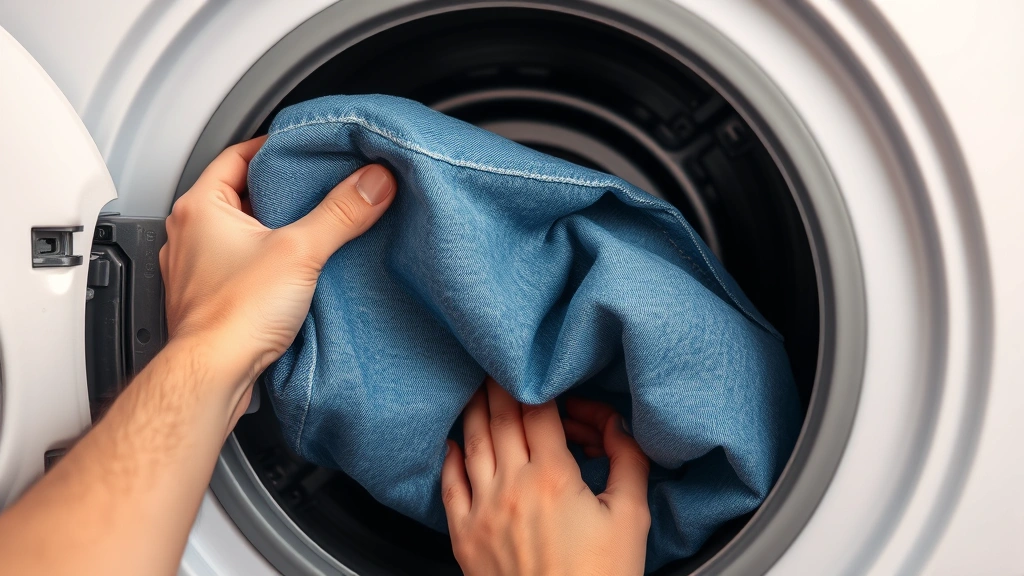
This method typically yields about 3 to 5 percent shrinkage, which is enough for most people who’ve accidentally bought jeans a size too large or want to tighten up a slightly stretched pair. The advantage is that it’s gentle enough that you can repeat it if needed, and it’s less likely to result in catastrophic over-shrinking.
Using Your Dryer for Maximum Shrinkage
If the hot water wash alone isn’t giving you the results you want, you can amplify the shrinkage by using your dryer more aggressively. This method is particularly effective for jeans that have stretched significantly over time.
The Enhanced Dryer Method:
- Wash your jeans in hot water as described above. Follow the same washing steps as the previous method.
- Run the dryer on the highest heat setting for a full cycle. Don’t interrupt or remove them early. Let the dryer run completely.
- Check the fit immediately. Pull them out while they’re still warm and try them on. Warm denim is more pliable and will give you the most accurate sense of the fit.
- Repeat if needed. If you need more shrinkage, you can run them through another hot wash and dry cycle. Just remember that each cycle will cause additional shrinkage.
With this method, you can achieve 5 to 10 percent shrinkage, which is substantial. However, be cautious: repeated high-heat drying can fade your jeans faster and potentially damage elastic components or decorative elements. It’s worth noting that if you’re planning on making other alterations, you might want to explore options like how to measure inseam before shrinking, so you understand your baseline measurements.
The Boiling Water Technique
For those seeking maximum shrinkage, the boiling water method is the nuclear option. This technique should be reserved for situations where you really need significant shrinkage, as it’s the most aggressive approach and carries the highest risk of over-shrinking.
What You’ll Need:
- Large pot (big enough to hold your jeans)
- Water
- Stove
- Tongs or wooden spoon
- Towel for wringing
- Dryer
Step-by-Step Instructions:
- Fill a large pot with water and bring it to a rolling boil. Use a pot large enough to accommodate your jeans comfortably. You want them to be fully submerged.
- Submerge your jeans in the boiling water. Use tongs to push them down and ensure they’re completely covered. Be careful not to burn yourself—boiling water is dangerous.
- Let them soak for 20 to 30 minutes. This extended exposure to boiling water will cause significant shrinkage. The longer they soak, the more they’ll shrink, so you can adjust timing based on how much shrinkage you want.
- Remove carefully and let cool slightly. Use tongs to fish them out of the pot. Be very careful during this step. Place them on a towel to cool for a few minutes.
- Wring out excess water gently. Don’t wring them aggressively, as this can cause uneven shrinkage and potential damage. A gentle squeeze is sufficient.
- Dry on high heat. Transfer them to the dryer and run on the highest heat setting to complete the shrinking process.
The boiling method can achieve 10 percent or more shrinkage, potentially making a significant difference in fit. However, it’s also the method most likely to result in over-shrinking, so use it cautiously and be prepared with a backup plan. If you do accidentally over-shrink your jeans, you might need to explore alternatives like how to shrink a shirt using similar techniques, or consider professional tailoring services.
Spot Shrinking Specific Areas
Sometimes you don’t need to shrink your entire pair of jeans uniformly. Maybe the waistband is perfect but the thighs are loose, or the inseam fits but the leg opening is too wide. In these cases, spot shrinking allows you to target specific areas.
Spot Shrinking the Waistband:
- Fill a basin with hot water and submerge just the waistband area for 15 to 20 minutes.
- Wring out gently and air dry, or use a hair dryer on high heat to speed up the process.
- Try them on to check the fit before fully drying.
Spot Shrinking the Thighs or Seat:
- Lay your jeans flat and spray the desired area generously with hot water from a spray bottle.
- Use a hair dryer on the highest heat setting to dry the area completely.
- This concentrates heat and moisture on a specific region, causing localized shrinkage.
- Repeat as necessary until you achieve the desired fit.
Spot Shrinking the Leg Opening:
- Roll up the legs and secure with rubber bands to create a tight bundle.
- Submerge just this bundled section in hot water for 10 to 15 minutes.
- Dry on high heat in the dryer, keeping the rubber bands in place.
- This creates even shrinkage around the entire leg opening.
Spot shrinking is a precision technique that requires patience and careful monitoring, but it’s incredibly useful when you want to maintain the fit of most of your jeans while adjusting specific problem areas. If you’re working with the length specifically, having knowledge of how to measure inseam can help you track changes accurately.
Measuring Your Results
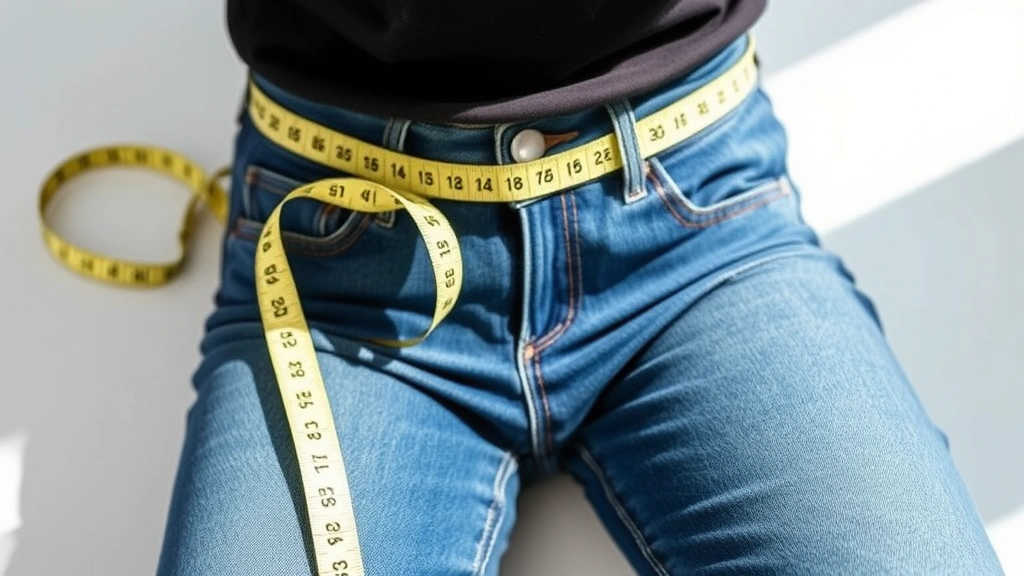
To know whether your shrinking efforts are working, you need a reliable way to measure. Guessing based on how they feel isn’t precise enough, especially when you’re making incremental adjustments.
Measuring Waistband Shrinkage:
- Lay your jeans flat on a table.
- Measure the waistband from the inside edge of one side seam to the inside edge of the other side seam.
- Double this measurement to get the full waistband circumference.
- Record this before and after to track shrinkage accurately.
Measuring Inseam Changes:
- Lay your jeans flat with one leg on top of the other.
- Measure from the crotch seam down to the hem.
- Compare this measurement before and after shrinking to see how much length you’ve gained.
Measuring Overall Width:
- Lay your jeans flat and measure across the thighs at the widest point.
- Measure the leg opening from seam to seam.
- These measurements will show you how much the jeans have tightened overall.
Keep detailed notes of your measurements and the methods you used. This creates a valuable reference for future shrinking projects and helps you understand which techniques work best for your specific jeans. If you’re also dealing with cleaning or maintaining your jeans properly, understanding how to clean washing machine ensures you’re using the best equipment for the job.
How to Prevent Over-Shrinking
The biggest risk with intentional shrinking is going too far. Once you’ve over-shrunk your jeans, there’s limited recourse. Here’s how to play it safe.
Start Conservative:
Always begin with the gentlest method first. Try the hot water wash before moving to boiling. You can always repeat the process, but you can’t undo excessive shrinkage. This measured approach gives you more control over the final outcome.
Test Before Full Commitment:
If you’re experimenting with a new method or particularly worried about over-shrinking, try it on an old pair of jeans first. This gives you a sense of how much shrinkage to expect without risking your favorite pair.
Monitor Progress Closely:
Check your jeans after each wash and dry cycle. Try them on while they’re still slightly damp to get an accurate sense of fit. Don’t just assume you need to repeat the process; measure and assess first.
Know Your Fabric:
100 percent cotton jeans will shrink more than cotton-blend jeans. Check the tag to understand your fabric composition. Stretch denim with elastane will shrink less than rigid raw denim. This knowledge helps you predict shrinkage more accurately.
Consider Alternatives:
If you’re nervous about shrinking or if your jeans only need minor adjustments, professional hemming might be a better option. This allows you to maintain the original fit while just adjusting the length. If you’re not sure about the hemming process, learning about how to hem pants can help you understand your options.
Account for Stretching After Wear:
Remember that jeans will stretch out again as you wear them. Shrink them to a fit that’s slightly snug, knowing they’ll loosen up within a few wears. This prevents you from over-shrinking in an attempt to create a permanently perfect fit.
Frequently Asked Questions
Can I shrink jeans made from cotton blends?
Yes, but they’ll shrink less than 100 percent cotton jeans. Cotton blends with synthetic fibers like polyester or elastane have less shrinkage potential. You can still use the same methods, but expect more modest results—typically 2 to 5 percent shrinkage rather than 10 percent.
Will shrinking my jeans damage them?
Intentional shrinking using heat and water is unlikely to damage well-made jeans. However, repeated high-heat drying can fade color faster and potentially damage decorative elements like embroidery or studs. Always turn jeans inside out before washing to minimize fading, and avoid excessive heat if your jeans have special details.
How many times can I shrink jeans before they’re ruined?
Most jeans can withstand multiple shrinking cycles without being ruined, but each cycle does cause some wear and color fading. Typically, you can safely repeat the hot water wash and dry method 3 to 5 times before noticing significant degradation. The boiling method should be used sparingly—once or twice at most.
Will my jeans shrink back to their original size if I stop shrinking them?
Partially. Once you’ve intentionally shrunk jeans, they’ll stretch out again as you wear them, but they won’t return to their pre-shrunk size completely. They’ll stretch to a new equilibrium point based on your body and wearing habits. This is actually ideal because it means you can shrink them to a snug fit, knowing they’ll settle into a comfortable size with wear.
What’s the difference between shrinking and hemming?
Shrinking affects the entire garment—length, width, and all dimensions. Hemming only adjusts the inseam length. If you only need to shorten your jeans, hemming is a more precise solution. If you need to tighten the overall fit, shrinking is your best bet. Many people combine both techniques—shrink for overall fit, then hem if the inseam is still too long. Understanding how to hem pants gives you additional options for getting the perfect fit.
Can I shrink vintage or raw denim?
Absolutely. Vintage and raw denim will actually shrink more dramatically than pre-washed jeans because they haven’t been pre-shrunk at the factory. Raw denim enthusiasts often intentionally shrink their jeans to achieve a custom fit. Use the methods described here, but be prepared for more significant shrinkage than you’d expect from regular jeans.
Is it better to shrink before or after hemming?
Always shrink first, then hem. If you hem before shrinking, the inseam will be too short after shrinkage. By shrinking first, you ensure accurate hemming length. This is a common mistake people make, so remember: shrink, measure, then hem.
Why are my jeans shrinking unevenly?
Uneven shrinkage usually happens because different parts of the jeans are exposed to different amounts of heat and moisture. The waistband might shrink more if it’s folded during washing, or the inseam might shrink more than the outseam. To minimize this, wash inside out, and when using spot shrinking methods, ensure even moisture and heat distribution across the target area.

Related Posts

How Long to Boil Lobster Tails: Cooking Guide

How Long to Fly from New York to London? Travel Times
