

How to Say Thank You in Japanese: A Simple Guide
How to Say Thank You in Japanese: A Simple Guide
Learning to express gratitude in Japanese opens doors to meaningful connections and cultural respect. Whether you’re traveling to Japan, studying the language, or simply curious about Japanese etiquette, knowing how to say thank you properly can transform your interactions. The beauty of Japanese gratitude lies not just in the words themselves, but in the nuance and context that surrounds them.
Japanese culture places tremendous value on politeness and appreciation. Saying thank you isn’t merely a courtesy—it’s a reflection of your character and respect for others. The language offers several ways to express gratitude, each suited to different situations, relationships, and levels of formality. From casual conversations with friends to formal business settings, there’s a “thank you” for every occasion.
This guide will walk you through the most common expressions of gratitude in Japanese, help you understand when to use each one, and give you the confidence to express your appreciation authentically. By the end, you’ll have a solid foundation in Japanese thank-yous that feels natural and culturally appropriate.
The Basics: Arigatou Gozaimasu
The most recognizable way to say thank you in Japanese is “arigatou gozaimasu” (ありがとうございます). This phrase is the gold standard of gratitude in Japan—polite, respectful, and appropriate in nearly any situation. Breaking it down: “arigatou” means “thank you,” while “gozaimasu” is a formal auxiliary verb that elevates the politeness level significantly.
The pronunciation is straightforward: “ah-ree-gah-toh goh-zah-ee-mas.” Take your time with each syllable, and you’ll find it flows naturally. The key is to avoid rushing through it—Japanese speakers appreciate the deliberate, respectful pace of formal gratitude. When you say this phrase, you’re not just thanking someone; you’re acknowledging their effort and showing genuine appreciation.
Most Japanese people will smile warmly when they hear a foreigner express gratitude properly. Even if your accent isn’t perfect, the effort itself demonstrates respect for their culture. This is particularly important if you’re visiting Japan or interacting with Japanese speakers who may be impressed by your linguistic effort.
You can use “arigatou gozaimasu” in almost any formal or semi-formal setting: at restaurants, shops, offices, schools, and when meeting people for the first time. It’s the safe choice when you’re unsure about the appropriate level of formality. Think of it as your reliable go-to expression that works across contexts.
Casual Expressions of Gratitude
Once you’ve mastered the formal version, it’s time to learn how Japanese people actually thank each other in everyday situations. “Arigatou” (ありがとう) is the casual version, used among friends, family members, and people you know well. It carries warmth without the formality of “gozaimasu.”
This simpler form is perfect when you’re in relaxed settings—hanging out with friends, chatting with coworkers you’re close to, or thanking someone your own age. The pronunciation is identical to the formal version, just without the ending: “ah-ree-gah-toh.” It’s shorter, friendlier, and still respectful without being stiff.
Another casual option is “thanks” or “thx” in English, which Japanese speakers often use when texting or in very informal online communication. However, if you want to stick with pure Japanese, “arigatou” is your best bet for casual situations. If you’re interested in learning how different cultures express themselves, you might find value in exploring how to answer tell me about yourself questions, as gratitude often plays a role in personal introductions.
For even more casual situations, “domo” (どうも) works as a quick, informal “thanks.” It’s what you might hear at a convenience store or when someone hands you something quickly. It’s brief, friendly, and perfectly acceptable in laid-back contexts.

Formal and Business Contexts
In business environments, academic settings, or when meeting someone of higher status, you’ll want to elevate your gratitude even further. “Arigatou gozaimashita” (ありがとうございました) is the past tense version of “arigatou gozaimasu.” Use this when thanking someone for something they’ve already done, or when wrapping up a formal interaction.
The pronunciation is similar to the present tense, with the addition of “shita” at the end: “ah-ree-gah-toh goh-zah-ee-mas-shee-tah.” This phrase is commonly heard at the end of business meetings, after receiving a service, or when parting ways with someone you’ve been formally introduced to.
In very formal Japanese, you might encounter “gochisousama deshita” (ごちそうさまでした), which specifically thanks someone for a meal they’ve provided. This is said after finishing eating at someone’s home or at a restaurant where someone treated you. It literally translates to something like “thank you for the feast,” and it’s a beautiful expression of appreciation for food and hospitality.
Another formal expression is “itadakimasu” (いただきます) and “gochisousama” (ごちそうさま), which frame the eating experience itself. “Itadakimasu” is said before eating (expressing gratitude for the food about to be consumed), while “gochisousama” is said after. These are fundamental to Japanese dining etiquette and show deep respect for the food and those who prepared it.
If you’re involved in Japanese business culture, understanding these nuances is crucial. Proper gratitude in formal settings demonstrates cultural awareness and respect, which can significantly impact professional relationships. Much like how you might study how to pronounce Qatar correctly in a business context, getting your thank-yous right matters.
When Context Matters Most
The Japanese language is deeply contextual, and expressing gratitude is no exception. The same situation might call for different expressions depending on who you’re thanking, what they did, and your relationship to them. Understanding these distinctions separates casual learners from truly fluent speakers.
When thanking a superior or someone significantly older, stick with “arigatou gozaimasu” or “arigatou gozaimashita.” These formal expressions show respect for their status and experience. In Japanese culture, age and position carry weight, and your language choices should reflect this awareness.
Among peers and friends, “arigatou” feels natural and warm. It acknowledges the favor without creating unnecessary distance. If you’re close friends or the same age, this is the expected level of formality. Going too formal with close friends can actually create awkwardness, making them feel you’re being distant or overly polite.
In customer service situations—at restaurants, shops, hotels—”arigatou gozaimasu” is the standard. Service workers in Japan expect and appreciate this level of politeness. It’s a sign of respect for their work and professionalism. When paying for something, “arigatou gozaimasu” accompanied by a slight bow is the gold standard.
For written communication, the context shifts slightly. In emails to superiors, formal Japanese is essential. In text messages to friends, casual expressions or even emoji are acceptable. If you’re studying Japanese writing systems, you might also be interested in how to read manga, which often features various levels of politeness that teach natural language use.
Expressing Thanks in Writing
Written gratitude in Japanese carries its own conventions. In formal letters or emails, “itsumo osewa ni natte orimasu” (いつもお世話になっております) is a standard opening that expresses ongoing gratitude for someone’s continued support. This phrase is especially common in business correspondence and formal thank-you notes.
For a more direct written thank you, “kore wa gohensou no okuri mono desu” (これはご返礼のお送り物です) translates to “this is a token of my appreciation,” often used when accompanying a gift. Written thank-you notes in Japan often include this type of explanation, making the gesture more formal and intentional.
In casual text messages or online communication, you can use “arigatou” with emoji to add warmth. Japanese texting culture is more flexible and allows for personality to shine through. However, maintain basic respect—even in casual writing, proper grammar and politeness markers matter.
When writing thank-you cards, traditional Japanese stationery (called “tegami”) is appreciated. Handwritten notes carry more weight than typed messages, showing that you’ve invested time and effort. The act of writing itself is a form of gratitude in Japanese culture.
If you’re learning to express yourself in writing, understanding these written conventions helps you communicate more authentically. Much like learning to read guitar tabs requires understanding specific notation, Japanese gratitude in writing has its own system of politeness markers and formal expressions.
Beyond Words: Actions and Gestures
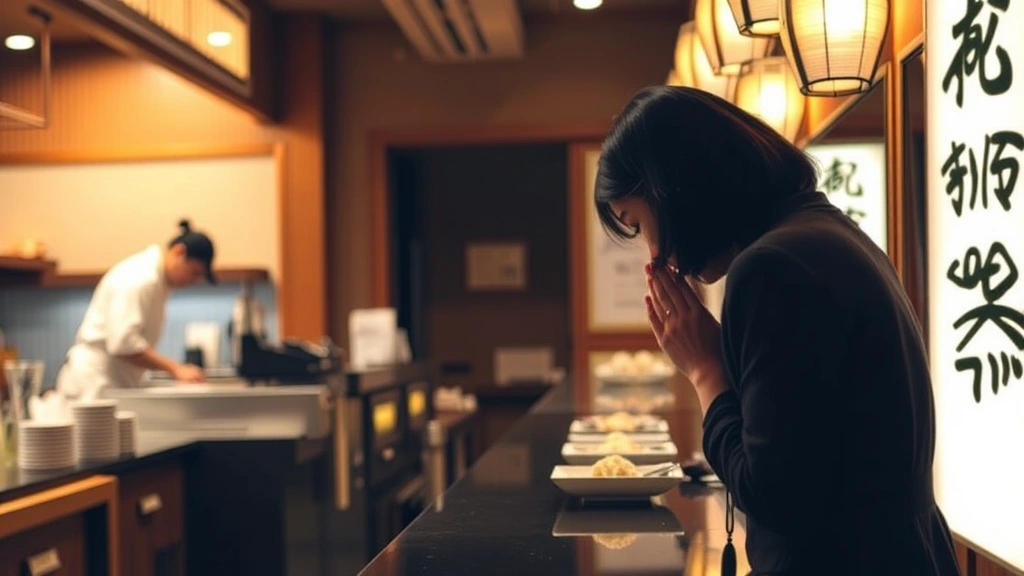
In Japanese culture, actions often speak louder than words. The bow is perhaps the most iconic gesture accompanying gratitude. A slight bow of the head (about 15 degrees) while saying “arigatou gozaimasu” shows sincere appreciation. For deeper gratitude, a more pronounced bow (around 45 degrees) demonstrates significant respect.
The depth and duration of your bow conveys the depth of your gratitude. A quick nod is fine for casual situations, but for formal settings or when someone has done something substantial for you, take a moment to bow with intention. This physical gesture, combined with your verbal thanks, creates a complete expression of appreciation.
Gift-giving is another powerful way to express gratitude in Japan. Small gifts (called “omiyage”) are often given to show appreciation. These don’t need to be expensive—quality matters more than price. A thoughtful gift accompanied by “arigatou gozaimasu” shows genuine care and respect.
Eye contact during gratitude is important but should be balanced with humility. In Western cultures, strong eye contact shows sincerity, but in Japan, a brief look followed by a slight downward gaze shows respect and humility. You’re not avoiding the person; you’re showing deference through your body language.
Tone of voice matters significantly. Speak clearly and with genuine warmth. A rushed or monotone “arigatou gozaimasu” loses its power. Take your time, let sincerity come through, and your appreciation will resonate far more deeply than the words alone.
Frequently Asked Questions
What’s the difference between “arigatou” and “arigatou gozaimasu”?
“Arigatou” is casual and informal, used with friends and family. “Arigatou gozaimasu” is formal and respectful, appropriate for strangers, superiors, and professional settings. The addition of “gozaimasu” significantly elevates the politeness level. Think of it like the difference between “thanks” and “thank you very much” in English.
Can I use “arigatou gozaimasu” in every situation?
Yes, “arigatou gozaimasu” is universally safe. Even if you’re unsure about the appropriate level of formality, this phrase works across contexts. It might be slightly formal in very casual situations, but it’s never inappropriate. Japanese people appreciate the effort and respect it demonstrates.
How do I pronounce these phrases correctly?
Use clear, distinct syllables: “ah-ree-gah-toh goh-zah-ee-mas.” Practice slowly at first, then gradually increase your speed. Listen to native speakers online—Japan Times and language learning platforms offer excellent audio examples. Don’t worry about a perfect accent; effort and clarity matter most.
What if I accidentally use the wrong level of formality?
Most Japanese people are forgiving of language learners. If you use “arigatou” with a superior and they expected “arigatou gozaimasu,” simply adjust going forward. A brief explanation that you’re learning Japanese usually brings smiles and appreciation for your effort.
Are there other ways to express gratitude I should know?
Yes, expressions like “sumimasen” (すみません) can express gratitude while also apologizing for imposing. “Osewa ni naru” (お世話になる) means “to be indebted to someone’s care.” These nuanced expressions show deeper cultural understanding, but “arigatou gozaimasu” remains the most universally useful.
Should I bow when saying thank you?
In formal situations, a slight bow adds sincerity and respect. In casual settings, it’s not necessary. A small nod of acknowledgment is always appropriate. The bow-to-gratitude combination is particularly important in business, hospitality, and when meeting someone for the first time.
How do I thank someone via email in Japanese?
Start with “itsumo osewa ni natte orimasu” (thank you for your continued support) and end with “arigatou gozaimasu.” For less formal emails to colleagues you know well, “arigatou gozaimasu” alone is sufficient. Always maintain proper grammar and politeness markers in written Japanese.

Related Posts

How Long to Boil Lobster Tails: Cooking Guide

How Long to Fly from New York to London? Travel Times
