
How to Measure Ring Size at Home: Easy Steps
How to Measure Ring Size at Home: Easy Steps
There’s nothing quite like the anticipation of receiving a new ring—whether it’s a cherished heirloom, a stunning statement piece, or that perfect band you’ve been eyeing. But here’s the catch: ordering online without knowing your exact size can turn excitement into disappointment faster than you can say “returns department.” The good news? Measuring your ring size at home is genuinely straightforward, and you probably already have everything you need tucked away in a drawer somewhere.
Getting your ring size right matters more than you might think. A ring that’s too tight cuts off circulation and becomes uncomfortable during daily wear, while one that’s too loose risks slipping off at the worst possible moment. The beauty of measuring at home is that you can do it on your own schedule, without the pressure of a salesperson hovering nearby or feeling rushed through the process. Plus, you’ll have an accurate measurement to reference whenever you’re shopping online or planning a surprise gift for someone special.
Let’s walk through several reliable methods that actually work, along with some insider tips that jewelers have been using for years.
Using a String or Dental Floss Method
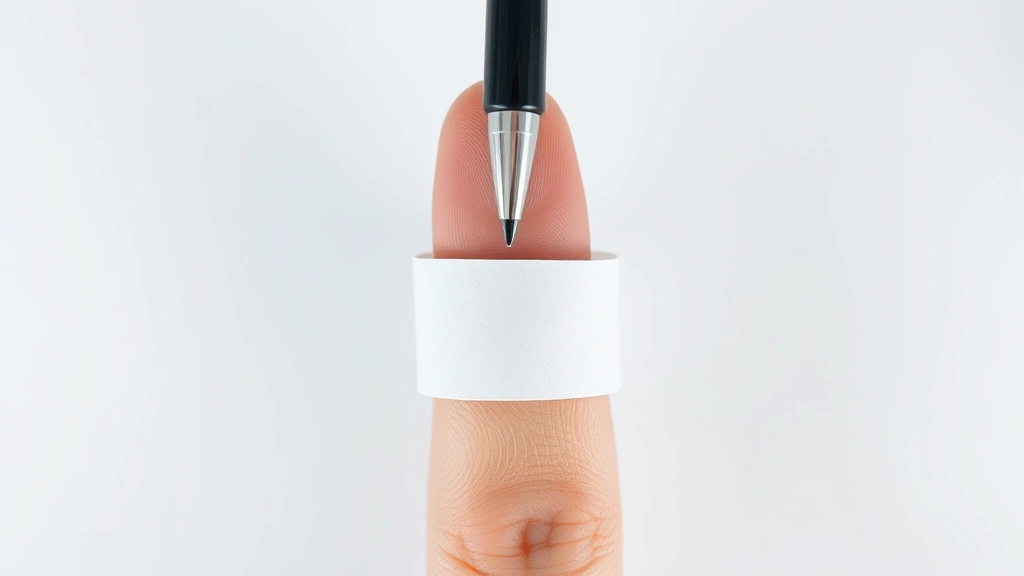
This is arguably the most accessible method since nearly everyone has string or dental floss at home. Here’s how to nail it: grab a piece of string or unwaxed dental floss—unwaxed works better because it doesn’t slip around—and wrap it snugly around your finger at the knuckle. The key word here is “snugly,” not tight. You want it comfortable enough that you could slip a piece of paper underneath, but not so loose that it slides around. Think of the fit like a comfortable bracelet rather than a tourniquet.
Once you’ve got the string positioned correctly, mark where it overlaps using a pen or marker. Now comes the measuring part: use a ruler or measuring tape to find the length from the starting point to your mark. This measurement in millimeters is your circumference. Most jewelers can convert this to a ring size for you, or you can use an online converter. Alternatively, many ring sizing guides available online have conversion charts built right in.
Pro tip: measure your finger at different times of day. Your fingers swell slightly in the evening and when you’re warm, so if you’re measuring for a ring you’ll wear regularly, take your measurement in the afternoon when your fingers are at their normal size. If you’re measuring for a special occasion ring you might wear once, measure in the evening when your fingers are slightly larger.
The Paper Strip Technique
Not a fan of strings? The paper strip method works beautifully as an alternative. Grab a strip of paper (a standard piece of printer paper cut lengthwise works great) and wrap it around your finger just like you would with string. You want that same comfortable snugness—the ring should slide over your knuckle without forcing but shouldn’t spin loosely around your finger.
Mark where the paper overlaps, then measure that length with a ruler. Write down the measurement in both millimeters and inches for accuracy. If you’re ordering from an international retailer, having measurements in multiple formats prevents confusion. The paper method has a slight advantage over string because it’s stiffer and holds its position better, giving you a more reliable measurement on the first try.
One thing to keep in mind: different fingers have different sizes. Your ring finger might be a size 7, but your pinky could be a 5. If you’re shopping for a specific finger, always measure that exact finger. And if you’re buying for someone else, try to borrow a ring they already wear on that finger and measure the inside diameter—this takes all the guesswork out of the equation.
Using an Existing Ring
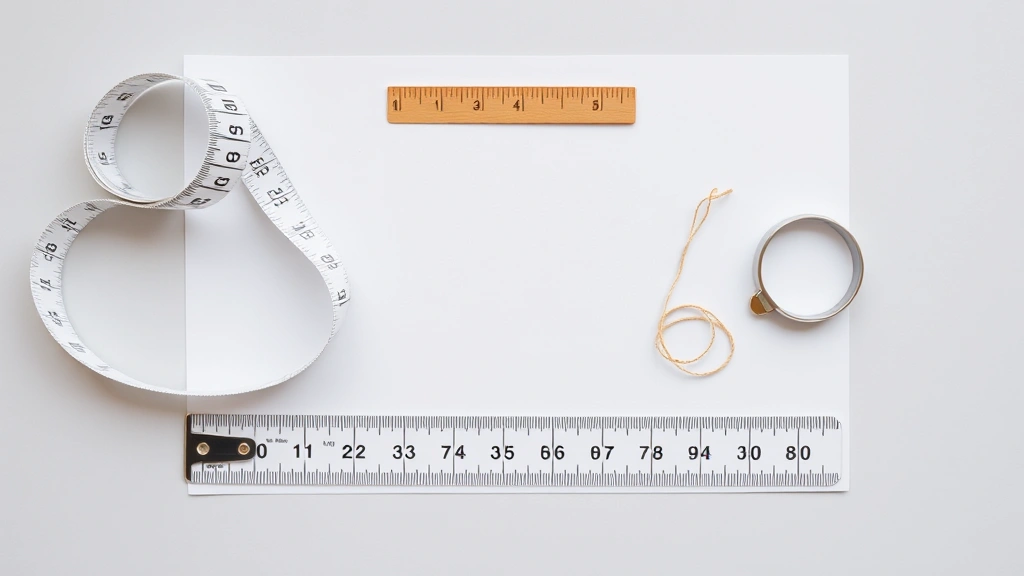
Do you already own a ring that fits perfectly on the finger you’re measuring for? Excellent—this might be your most accurate measurement method. Place the ring on a piece of white paper and use a ruler to measure the inside diameter from one edge to the opposite edge, making sure your ruler passes through the center. Measure in millimeters for the most precision.
Once you have the diameter, you can use a ring size conversion calculator (most jewelry retailer websites have them) to determine the corresponding size. This method is particularly reliable because you’re measuring an actual ring rather than estimating how tight your finger should feel. It’s also fantastic for buying gifts when you can discreetly borrow someone’s existing ring for a quick measurement.
Keep in mind that ring sizes can vary slightly between manufacturers, especially when comparing vintage rings to modern ones. If you’re measuring a vintage or antique ring, it might have been made under different sizing standards. When in doubt, provide your jeweler with both the diameter measurement and the existing ring size—they can account for any discrepancies.
Ring Sizer Tools and Printable Guides
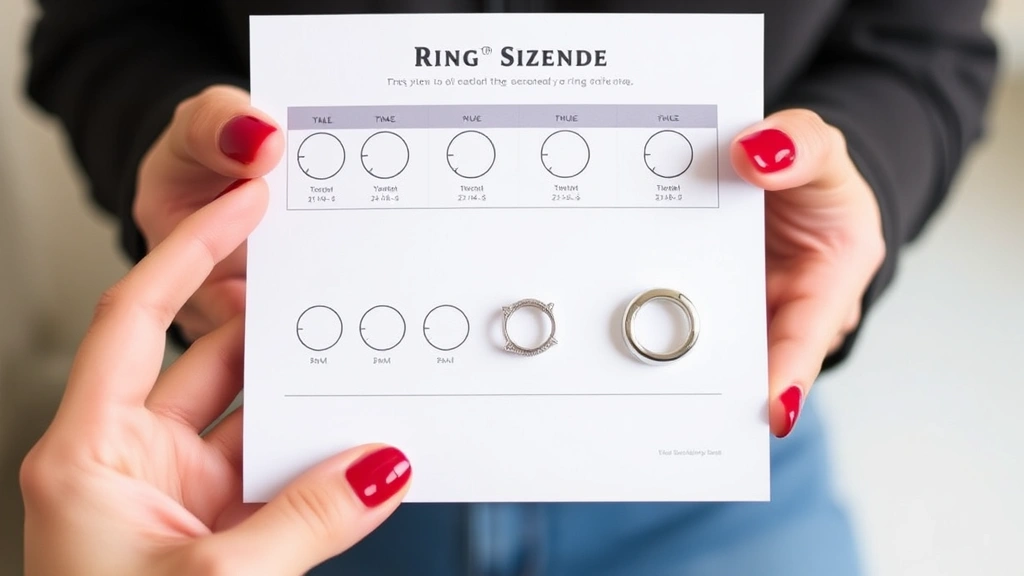
If you want to take the guesswork out entirely, printable ring sizer guides are your secret weapon. Many jewelry retailers and websites dedicated to finding your ring size offer free PDF downloads that you can print at home. These guides include a series of circles in graduated sizes, and you simply match your existing ring or your finger to the corresponding circle.
To use a printable guide: download the PDF and print it on standard 8.5×11 paper without scaling or resizing. Place your ring or your finger on each circle until you find the perfect match. The guide will show you the corresponding ring size right next to the circle. This method works particularly well for people who want visual confirmation rather than doing math conversions.
Physical ring sizer kits are also available online for under $10. These are plastic or metal bands that come in graduated sizes, and you simply try them on until one fits correctly. If you plan to buy multiple rings over time or gift rings frequently, investing in a ring sizer tool pays for itself quickly and eliminates measurement errors.
Understanding Ring Size Charts
Ring sizes vary by country, which can be confusing when shopping internationally. The United States uses the most common sizing system (sizes typically range from 0 to 13), but the UK, Australia, and other countries use letter systems (H, I, J, K, etc.). European countries often use numeric systems that don’t align with US sizes.
When you measure your ring size, always note which country’s sizing system you’re using. If you’re ordering from an international retailer, provide them with your US size and your diameter measurement in millimeters—this gives them all the information they need to ensure the perfect fit. Most reputable jewelry retailers will have size conversion charts available, and many will work with you to get the sizing right before shipping.
Understanding that proper measuring techniques apply across many contexts, not just rings, helps you appreciate the precision involved. Just as you’d want accurate measurements for custom clothing, getting your ring size exactly right matters for comfort and security.
Factors That Affect Ring Fit
Here’s something many people don’t realize: your ring size can actually change. Seasonal temperature changes, weight fluctuations, hormonal shifts, and even altitude can affect how your fingers swell or shrink. Someone living at sea level who moves to the mountains might find their rings suddenly feel looser. Pregnancy can cause permanent changes in ring size, which is why some people size up when expecting.
The width of the band also affects how a ring feels. A wide band (5mm or more) will feel tighter than a narrow band (2mm or less) even if they’re technically the same size. This is because wider bands distribute pressure differently across your finger. If you’re measuring for a wide band, you might want to size up half a size for comfort. Conversely, delicate, thin bands can sometimes feel loose even at the correct size.
The material of the ring matters too. Metal rings feel different than silicone or resin rings. Metal conducts temperature, so a metal ring might feel tighter in winter when your hands are cold and slightly looser in summer. If you’re measuring for your first metal ring, try on some metal rings at a jewelry store to get a feel for how they sit on your finger compared to other materials you’ve worn.
Common Mistakes to Avoid
The biggest mistake people make is measuring too tightly. Your ring shouldn’t require force to get over your knuckle, and it shouldn’t cut off circulation. If you’re measuring with string or paper and you’re barely able to get it around your finger, you’ve measured too tight. Loosen it slightly and remeasure. A properly fitted ring should be comfortable enough to wear all day without discomfort.
Another common error is measuring at the wrong time of day. Measure in the afternoon when your body temperature is normal and your fingers are at their baseline size. Avoid measuring first thing in the morning when your hands might be slightly swollen from sleep, or late at night when you’ve been active and your fingers have swelled from increased blood flow.
Don’t assume all your fingers are the same size—they’re not. Your ring finger on your right hand might be a different size than your ring finger on your left hand. Always measure the specific finger you’re buying for. If you’re ordering a ring for someone else and you can’t measure their actual finger, ask them directly or get a ring they already wear and measure that instead of guessing.
Failing to account for knuckle size is another pitfall. Your knuckle is typically larger than the base of your finger. A ring needs to slide over your knuckle comfortably but sit snugly at the base. If your knuckles are particularly large, you might need to size up slightly. When measuring with string or paper, wrap it around your finger at the knuckle to account for this.
Frequently Asked Questions
What if my ring size falls between two sizes?
If your measurement indicates you’re between sizes, most jewelers recommend sizing up rather than down. A ring that’s slightly loose is more comfortable than one that’s slightly tight, and you can always have a jeweler add sizing beads or adjust it further. However, for engagement rings or significant pieces, consult with a jeweler about your specific situation—sometimes half-sizing is possible.
Can I measure my ring size online with a camera?
While some websites claim to offer camera-based sizing, these methods aren’t reliable. Your phone’s camera can distort dimensions, and lighting affects how measurements appear. Stick with physical measuring methods for accuracy. If you want to verify your measurement, use multiple methods (string, paper, and an existing ring) and see if they align.
How often should I remeasure my ring size?
If your ring size hasn’t changed in the past year, you’re probably good. However, if you experience significant weight changes, pregnancy, or aging, remeasure. Many people find their ring size increases slightly as they age. It’s also smart to remeasure if you’re buying your first ring in a new style or material you haven’t worn before.
Is it normal for ring sizes to differ between my hands?
Absolutely. Most people have slightly different sized fingers on each hand. Your dominant hand might be slightly larger due to increased muscle use. This is completely normal, and you should measure for the specific finger you’re buying for. If you’re buying matching rings for both hands, you might need two different sizes.
What should I do if my ring doesn’t fit after ordering?
Most reputable jewelers offer free resizing or exchanges within 30 days. Check the retailer’s return policy before purchasing. If a ring is too tight, a jeweler can stretch it slightly or add sizing beads. If it’s too loose, they can make it smaller. Professional resizing typically costs between $20-$50 depending on the ring’s material and complexity.
Can I use my measurement to order from international jewelry sites?
Yes, but provide multiple pieces of information. Give them your US ring size, your diameter measurement in millimeters, and mention your country. International retailers are accustomed to sizing questions and will help ensure you get the right fit. Many offer free returns or exchanges if the size isn’t right, so don’t hesitate to reach out with questions.
Do men’s and women’s ring sizes differ?
Ring sizes themselves don’t differ by gender—a men’s size 10 is the same as a women’s size 10. However, men’s rings are often wider and might have different styling. Always measure your specific finger regardless of gender, and don’t assume sizing based on stereotypes. Some women have larger fingers than some men and vice versa.

Related Posts

How Long to Boil Lobster Tails: Cooking Guide

How Long to Fly from New York to London? Travel Times
