
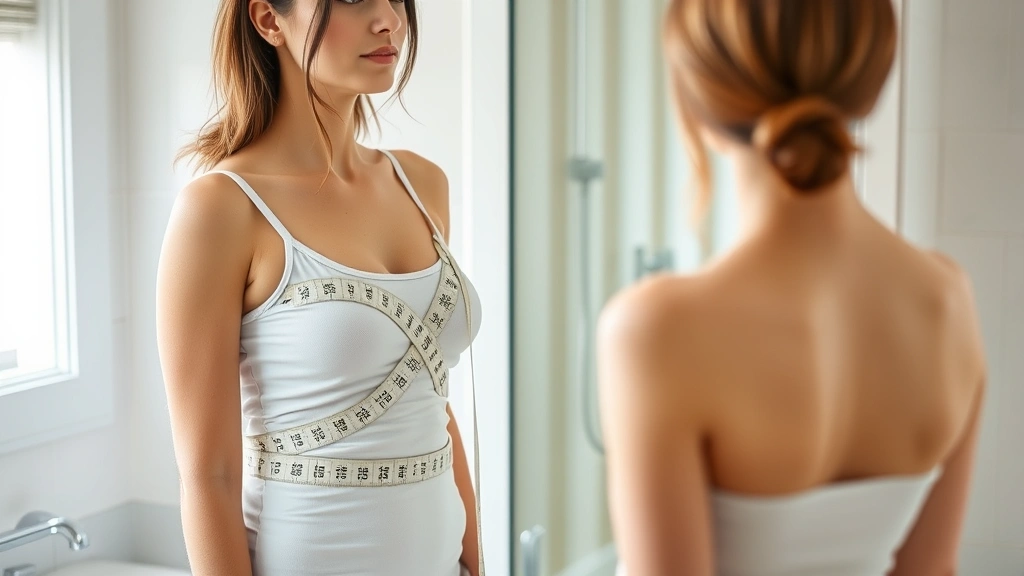
How to Measure Bust: Expert Guide
How to Measure Bust: Expert Guide for Perfect Fit Every Time
Getting the right bust measurement is one of those skills that seems simple until you actually try it. Whether you’re ordering clothes online, getting fitted for a bra, tailoring a garment, or just wanting to track your fitness progress, knowing how to measure your bust accurately makes all the difference. A measurement that’s off by even half an inch can mean the difference between a flattering fit and something that feels awkward all day.
The good news? Measuring your bust isn’t rocket science, but it does require a bit of attention to detail and the right technique. We’re going to walk you through everything you need to know to get a measurement you can actually rely on. No guessing games, no confusion—just straightforward steps that work.
Think of this as your personal fitting room guide. Once you master this measurement, you’ll never have to wonder if that online purchase will fit, and you’ll have a solid baseline for tracking changes in your body over time. Let’s get into it.
What Exactly Is Your Bust Measurement?
Your bust measurement is the circumference around the fullest part of your chest. It’s different from your chest measurement—the bust specifically accounts for breast tissue, making it the standard measurement used in women’s clothing sizing. This is why it matters so much for getting clothes that actually fit your body.
The bust line isn’t always obvious, especially if you have different breast shapes or sizes. The key is finding where your chest is at its widest point. For most people, this is roughly at nipple level, but everyone’s body is different. That’s why the measurement technique matters more than trying to guess where the line should be.
Understanding this distinction helps explain why your bust measurement might differ from what you assumed. You’re not measuring your ribcage or your waist—you’re measuring the fullest part of your upper body, which includes breast tissue. This measurement is used by virtually every clothing manufacturer worldwide, making it the universal standard for women’s clothing fit.
Tools You’ll Actually Need
You don’t need fancy equipment to measure your bust. In fact, most people have everything they need already lying around their home.
- Soft measuring tape: This is the most important tool. You want a flexible fabric tape measure, not a rigid ruler or metal tape. The soft measuring tape conforms to your body’s curves and gives you an accurate reading. Most fabric stores sell these for a few dollars, or you can find them online. Make sure yours has clear markings in both inches and centimeters.
- Mirror: A full-length mirror helps you see what you’re doing and ensures the tape is sitting straight and level around your body. This prevents the tape from riding up on one side or dipping down on the other.
- Proper undergarments: Wear a bra that fits reasonably well—not overly padded or minimizing, and not too loose. This gives you the most accurate representation of how clothes will fit when you’re actually wearing them. The bra should be unpadded or lightly padded for the most accurate measurement.
- Pen and paper: Write down your measurement immediately. Don’t rely on memory—measurements are easy to forget or mix up.
- Optional: Second person: Having someone help you can make the process easier, especially for getting the tape perfectly level. If you’re measuring yourself, take your time to ensure accuracy.
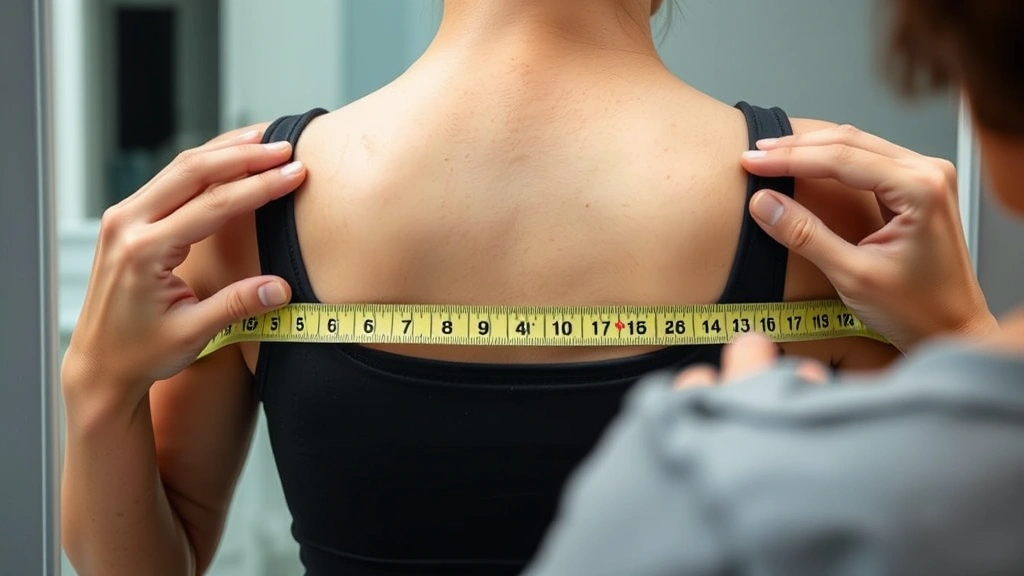
Step-by-Step Measurement Process
Now let’s get to the actual measuring. Follow these steps carefully for the most accurate result.
Step 1: Prepare Your Space and Body
Stand in front of a mirror in a well-lit area. Wear your regular, well-fitting bra—the one you wear most often. Make sure you’re standing up straight with good posture. Slouching or leaning forward will throw off your measurement. Keep your arms relaxed at your sides or slightly away from your body so the measuring tape can wrap around easily without being pinched.
Step 2: Position the Measuring Tape
This is where precision matters. Take your soft measuring tape and wrap it around your body at the fullest part of your bust. For most people, this is roughly at nipple level, but let the tape find its natural resting spot at the widest point of your chest. The tape should be snug but not tight—you should be able to fit one finger comfortably under it.
Make sure the tape is parallel to the ground and level all the way around. Check in your mirror to ensure it’s not riding up higher on one side or slipping down on the other. This is where that mirror really comes in handy. If you’re having trouble keeping it level, ask someone to help you position it.
Step 3: Take Your Reading
Once the tape is positioned correctly, look down at where it overlaps or where the end meets the starting point. Read the measurement where the tape meets. Write this number down immediately—don’t try to remember it. Take the measurement in both inches and centimeters if your tape has both, just to have options when you’re shopping or comparing sizes.
Step 4: Take a Second Measurement
Remove the tape and reposition it around your bust. Take another measurement to confirm your first reading. If both measurements are the same or within a quarter inch of each other, you’ve got your accurate bust measurement. If they differ significantly, take a third measurement and average them out.
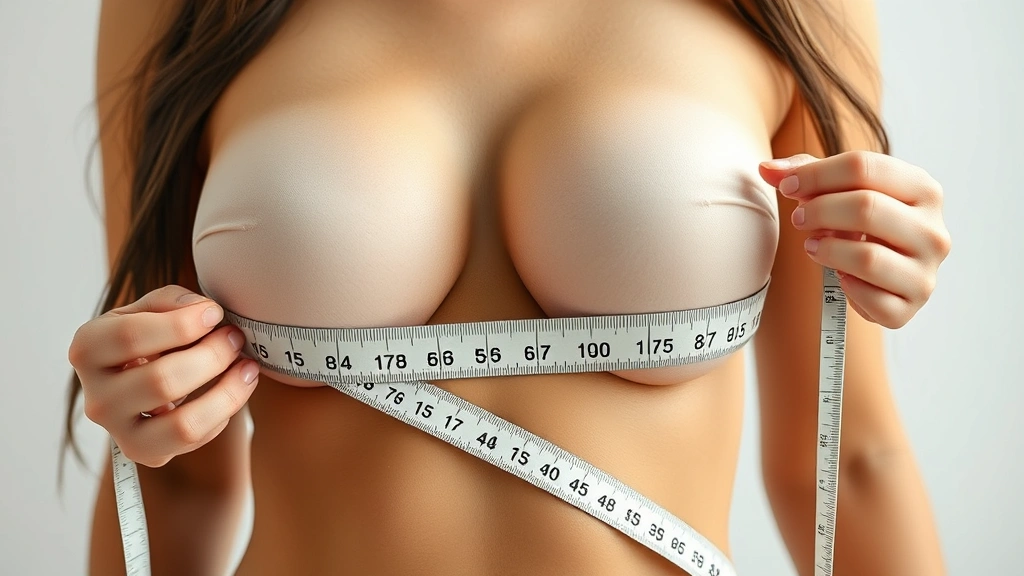
Pro Tips for Accuracy
Measure at the same time of day each time—preferably in the morning before you’ve been up and moving around. Your body can swell slightly throughout the day, especially if you’ve been standing or exercising. Morning measurements tend to be most consistent.
Wear the same bra style each time you measure. Different bra styles can affect your measurement by up to an inch, so if you’re tracking changes over time, consistency matters. A sports bra will give you a different measurement than an underwire bra, so stick with the same type.
Don’t hold your breath or suck in your stomach. Measure in your natural, relaxed state. This is how your body actually exists when you’re wearing clothes, so this is the measurement that matters for fit.
Common Mistakes People Make
Even with the best intentions, people often make small errors that throw off their measurement. Here’s what to watch out for:
Measuring Over Clothes
Always measure over your bra or undergarment, never over a shirt or sweater. Fabric adds thickness that will skew your measurement. You need to measure as close to your actual body as possible while still being realistic about how you’ll wear clothes.
Making the Tape Too Tight
This is probably the most common mistake. A tape that’s pulled tight will give you a smaller measurement that won’t reflect how clothes actually fit. Remember: snug but not tight. You should be able to slide one finger under the tape comfortably.
Letting the Tape Slip Out of Position
If your tape keeps slipping down or riding up, you’re not positioning it correctly. Take your time to get it level and parallel to the ground. Use that mirror to check your work. If you keep having trouble, ask someone to help you hold it in place while you read the measurement.
Measuring at Different Times
If you’re tracking changes in your bust measurement over time, measure at the same time of day, wearing the same bra, and in the same general physical state. Measuring after a workout when you’re swollen and then again after a week of rest will give you inconsistent data.
Forgetting to Account for Bra Style
A padded push-up bra will make you measure larger than a sports bra. If you’re ordering clothes and you usually wear a standard bra, measure in a standard bra. If you primarily wear sports bras, measure in that. The measurement should reflect your typical situation.
Using Your Measurement with Sizing Charts
Once you have your accurate bust measurement, the next step is knowing how to use it when shopping. Different brands have different sizing standards, which is why your measurement is so valuable—it’s your personal reference point.
When you’re shopping online or in a store, look for the brand’s size chart. This usually shows bust measurements for each size. Find your measurement (or the closest one to it) and that’s your size in that brand. Keep in mind that sizing can vary between brands, so don’t assume you’re always the same size everywhere.
Your bust measurement is also useful for understanding how different styles might fit. A fitted dress will feel different from a loose shirt, even if you’re wearing the same size. Your measurement tells you the baseline—how the garment is designed to fit your bust circumference. The rest depends on the style and cut.
If you’re considering how to hem pants or alter other clothing pieces, your bust measurement can help a tailor understand your overall proportions. Combined with your how to measure waist, you’re giving them a complete picture of how to adjust garments to fit your body perfectly.
Why Other Measurements Matter Too
Your bust measurement is just one piece of the puzzle. To really understand your sizing and how clothes will fit, you’ll want to know a few other key measurements as well.
Your waist measurement is crucial for understanding overall fit. Knowing how to measure your waist gives you a complete picture of your upper body proportions. Dresses and fitted tops rely on both bust and waist measurements to fit properly.
If you’re shopping for pants or considering alterations, your inseam measurement is equally important. This measurement, taken from your inner thigh to your ankle, ensures that pants have the right length and break at the hem.
For those interested in jewelry or accessories, understanding how to measure ring size follows a similar principle—precise measurement equals perfect fit. If you’re not sure about your ring size, learning how to find your ring size is just as straightforward as measuring your bust.
The common thread with all these measurements is that they’re all about getting accurate data that helps you make informed shopping and tailoring decisions. When you know your measurements, you stop guessing and start shopping with confidence.
Frequently Asked Questions
Should I measure over or under my bra?
Measure over your bra. You want to capture the fullest part of your bust as it will appear when you’re wearing clothes. This gives you a practical measurement that reflects how garments will actually fit on your body.
What if my bust measurement falls between two sizes?
Round up to the larger size. If you’re between a medium and large, go with the large. It’s easier to take in a garment that’s slightly loose than to let out one that’s too tight. Plus, you’ll be more comfortable throughout the day.
How often should I remeasure my bust?
If you’re tracking fitness progress, measure monthly. For general shopping purposes, remeasure whenever you notice your body has changed—after significant weight loss or gain, or after major life changes like pregnancy. Most people’s measurements stay relatively stable, so you don’t need to measure constantly.
Does my bust measurement change with the time of month?
For some people, yes. Hormonal changes can cause slight swelling in breast tissue. If you notice your bust measurement fluctuates throughout the month, measure during the same phase of your cycle for consistency. This is especially important if you’re tracking changes over time.
Can I use a regular ruler or measuring wheel instead of a fabric tape?
Not effectively. A rigid ruler won’t conform to your body’s curves, and a measuring wheel is designed for measuring distances on flat surfaces, not body measurements. Invest in a fabric measuring tape—they’re inexpensive and specifically designed for this purpose. You can find quality ones at fabric stores or online for just a few dollars.
What’s the difference between bust and chest measurement?
Bust measurement specifically accounts for breast tissue and is used for women’s clothing sizing. Chest measurement is typically taken at a higher point on the body and is used for men’s clothing and some unisex styles. For women’s garments, bust measurement is always the standard.
Should I measure in a sports bra or regular bra?
Measure in whatever bra you wear most often. If you primarily wear sports bras, measure in one. If you usually wear standard bras, measure in those. The key is consistency—if you’re comparing measurements over time or shopping based on your measurement, always measure in the same type of bra.
Why does my bust measurement seem different from my clothing size?
Sizing varies between brands and styles. Your bust measurement is your objective data point, but clothing sizes are assigned by manufacturers who might use different standards. Some brands run small, others run large. Your measurement helps you navigate these differences by giving you something concrete to reference against each brand’s size chart.
Can I measure my bust while lying down?
No. Always measure while standing upright. Gravity affects how your body sits and how clothes will fit on you. Measuring while lying down gives you an artificially different measurement that won’t reflect real-world fit.
What if I can’t get the tape to stay level?
Ask someone to help you. Have them position the tape while you stand still and relaxed. They can ensure it’s perfectly level all the way around. This is one situation where having a helper really does make a difference in accuracy.
Getting your bust measurement right is genuinely one of the most useful things you can do for your wardrobe and personal confidence. Once you have that number, shopping becomes less of a guessing game and more of a straightforward process. You know what fits, you can confidently order online, and you have a baseline for tracking changes in your body over time. That’s powerful information to have.

Related Posts

How Long to Boil Lobster Tails: Cooking Guide

How Long to Fly from New York to London? Travel Times
