

How to Get Rid of Strawberry Legs: Expert Tips
How to Get Rid of Strawberry Legs: Expert Tips for Smooth, Clear Skin
If you’ve ever noticed small dark spots or bumps on your legs that resemble strawberry seeds, you’re not alone. Strawberry legs—that pesky skin condition characterized by dark pores and red or brown spots—affects countless people and can feel frustrating, especially during warmer months when you’d prefer to show off your legs. The good news? This condition is entirely manageable with the right approach and consistent care.
What makes strawberry legs particularly bothersome is that they’re often misunderstood. People frequently mistake the condition for poor hygiene or assume it requires invasive treatments. In reality, strawberry legs stem from clogged pores, inflammation, or keratosis pilaris—all of which respond beautifully to targeted skincare routines and lifestyle adjustments. Whether you’re dealing with mild discoloration or more pronounced texture issues, we’ve got you covered with expert strategies that actually work.
This comprehensive guide walks you through everything you need to know about eliminating strawberry legs, from understanding the root causes to implementing proven treatment methods. You’ll discover practical solutions you can start today, plus preventative measures to keep your legs looking flawless long-term.
What Are Strawberry Legs?
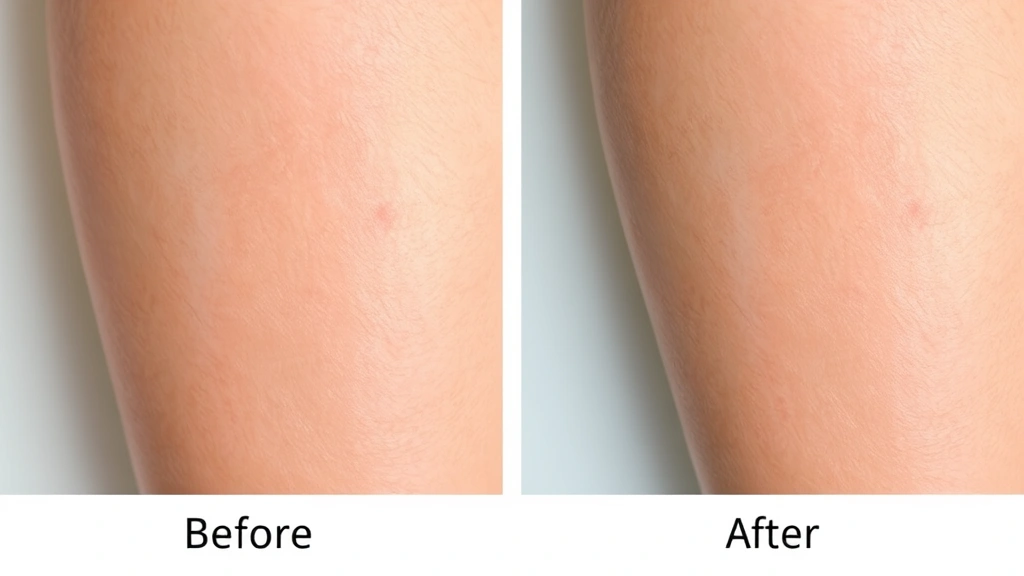
Strawberry legs represent a cosmetic skin condition where your legs develop a distinctive appearance—dark spots concentrated around hair follicles, resembling the seeds on a strawberry. The spots typically appear as small dark dots against red or inflamed skin, creating an uneven texture that many find aesthetically frustrating.
The condition manifests differently depending on skin type and severity. Some people experience subtle discoloration that’s barely noticeable, while others deal with more pronounced texture issues and inflammation. The spots usually concentrate on the thighs and lower legs, though they can appear anywhere on the body.
Understanding that strawberry legs aren’t a serious medical condition is important—it’s primarily a cosmetic concern. However, the inflammation and clogged pores associated with the condition can occasionally lead to ingrown hairs or minor irritation if left unaddressed. The encouraging news is that with proper treatment, most people see significant improvement within weeks.
Understanding the Root Causes
Identifying what causes your strawberry legs is crucial for selecting the right treatment approach. The condition typically stems from one or several interconnected factors working against your skin’s health.
Clogged Pores and Dead Skin Buildup
Dead skin cells accumulate around hair follicles, trapping sebum and creating visible dark spots. This buildup becomes especially problematic if you don’t exfoliate regularly. When pores remain clogged, they oxidize and appear darker—hence the strawberry-seed appearance. This is particularly common on legs since we often neglect them in our skincare routines compared to facial care.
Keratosis Pilaris (KP)
Many strawberry leg cases actually involve keratosis pilaris, a harmless skin condition where keratin builds up around hair follicles. KP creates small, rough bumps that can appear red or discolored. It’s genetic and more common in people with dry skin or certain skin types. If this applies to you, you’ll notice the bumpy texture alongside the discoloration.
Improper Shaving and Hair Removal
Razor burn, ingrown hairs, and follicle irritation from shaving contribute significantly to strawberry legs. Using dull razors, shaving against the grain, or not moisturizing afterward creates inflammation that darkens the follicles. Similarly, other hair removal methods like waxing or epilating can trigger irritation if not done carefully.
Folliculitis and Inflammation
When hair follicles become inflamed—whether from bacteria, friction, or irritation—they darken and become more visible. Tight clothing that rubs against legs can exacerbate this issue, as can sweat accumulation in warm weather.
Dry Skin and Poor Moisture Balance
Dehydrated skin becomes more prone to irritation and inflammation. When your skin lacks moisture, it can’t properly shed dead cells, leading to buildup around follicles. This is why strawberry legs often worsen during winter months or in dry climates.
Exfoliation: Your First Line of Defense
Exfoliation stands as the most effective first step in treating strawberry legs. By removing dead skin cells and unclogging pores, you’ll immediately notice improvement in the appearance and texture of your legs.
Physical Exfoliation Methods
Start with a gentle body scrub or exfoliating mitt two to three times weekly. Look for products with fine particles rather than harsh, jagged ingredients. Use circular motions and moderate pressure—aggressive scrubbing actually worsens irritation. Some people find success with dry brushing before showering, which stimulates circulation and removes dead skin without the moisture that can cause irritation.
Pumice stones work wonderfully for legs, particularly for rougher areas. Soak your legs in warm water for five to ten minutes to soften skin, then gently rub the pumice stone over affected areas. Rinse and pat dry thoroughly.
Chemical Exfoliation Approaches
Chemical exfoliants containing alpha-hydroxy acids (AHAs) or beta-hydroxy acids (BHAs) dissolve dead skin cells without physical friction. Glycolic acid and salicylic acid prove particularly effective for strawberry legs. Apply these products to clean, dry skin and follow product instructions carefully—typically you’d use them three to four times weekly initially, then adjust based on your skin’s response.
Lactic acid offers a gentler alternative for sensitive skin. It exfoliates effectively while being less irritating than stronger acids. Many people with keratosis pilaris respond particularly well to lactic acid treatments.
Establishing a Sustainable Exfoliation Schedule
Consistency matters more than intensity. Rather than aggressive weekly exfoliation, gentle exfoliation two to three times weekly produces better long-term results. Your skin needs time to recover and regenerate between treatments. If you’re using chemical exfoliants, give your skin at least one rest day between applications.
Building an Effective Skincare Routine
A dedicated skincare routine targeting your legs transforms strawberry legs from persistent problem to manageable concern. The key is treating your legs with the same intentionality you apply to facial skincare.
Cleansing and Preparation
Start with a gentle cleanser suited to your skin type. Avoid harsh soaps that strip natural oils—these actually trigger more oil production and inflammation. Wash your legs with lukewarm water, as hot water can irritate skin and worsen strawberry legs.
Treatment Products and Actives
After cleansing, apply targeted treatment products. Niacinamide reduces inflammation and strengthens your skin barrier. Vitamin C brightens discoloration and promotes even skin tone. Azelaic acid specifically targets dark spots and works wonderfully for hyperpigmentation associated with strawberry legs.
If you’re dealing with keratosis pilaris, urea-based products and body treatments designed for texture issues can significantly improve appearance. These products work by hydrating the skin and gently breaking down keratin buildup.
Moisturization Is Non-Negotiable
This step separates people who see results from those who don’t. Apply a rich, hydrating moisturizer to damp skin immediately after exfoliation or treatment product application. The moisture helps your skin barrier function optimally and reduces inflammation. Look for ingredients like hyaluronic acid, ceramides, and glycerin.
For stubborn cases, consider applying moisturizer twice daily—morning and evening. At night, you might use a heavier cream or even a body oil to lock in hydration while you sleep.

Shaving and Hair Removal Techniques
How you remove leg hair dramatically impacts whether strawberry legs improve or worsen. Poor shaving technique directly contributes to the condition, so refining your approach yields immediate benefits.
Choosing the Right Razor
Invest in quality razors and replace them frequently—dull blades create micro-tears and irritation that darken follicles. Many dermatologists recommend multi-blade razors, though some people with sensitive skin prefer single-blade options. The key is sharpness and cleanliness.
Preparation and Technique
Always shave in the shower after your skin has softened under warm water for several minutes. Use a quality shaving cream or gel—never shave dry. Shave in the direction of hair growth rather than against it. While shaving against the grain gives a closer shave, it significantly increases irritation and ingrown hairs.
Use light pressure and short strokes. Let the razor do the work rather than pressing hard. Rinse the blade frequently under warm water to remove buildup.
Post-Shave Care
This often-overlooked step makes tremendous difference. After shaving, rinse with cool water to close pores and reduce inflammation. Pat skin dry gently—avoid rubbing. Immediately apply a soothing, hydrating product. Many people find success with products containing aloe vera, chamomile, or centella asiatica.
Wait at least several hours before applying tight clothing. Friction from snug pants or leggings immediately after shaving can trap bacteria and irritate follicles.
Alternative Hair Removal Methods
If shaving consistently irritates your skin, explore alternatives. Depilatory creams dissolve hair below the skin surface, reducing ingrown hairs. Electric razors create less irritation than traditional razors. Laser hair removal permanently reduces hair, eliminating the irritation cycle entirely—though this requires professional treatment and multiple sessions.
Professional Treatment Options
For stubborn strawberry legs unresponsive to home care, professional treatments offer more dramatic results. These options work by addressing the underlying causes more aggressively than at-home products.
Laser Treatments
Laser therapy targets dark pigmentation and reduces follicle visibility. Multiple sessions typically produce best results. Consult with dermatologists about laser options suitable for your skin type, as some lasers work better on certain complexions than others.
Chemical Peels
Professional-strength chemical peels penetrate deeper than at-home products, providing more intensive exfoliation. Dermatologists can customize peel strength to your skin’s needs. A series of peels often produces noticeable improvement in texture and discoloration.
Microdermabrasion
This mechanical exfoliation technique uses tiny crystals to gently sand away dead skin. It’s particularly effective for texture issues and works well for most skin types. Multiple sessions yield cumulative benefits.
Dermatologist Consultation
If home treatments haven’t resolved your strawberry legs after six to eight weeks of consistent care, scheduling a dermatology appointment makes sense. A professional can identify whether you’re dealing with keratosis pilaris, folliculitis, or another condition requiring specific treatment approaches. They might prescribe topical medications or recommend professional procedures tailored to your situation.
Prevention Strategies That Actually Work
Once you’ve improved your strawberry legs, preventing recurrence becomes the priority. These maintenance strategies keep your legs looking smooth long-term.
Maintain Consistent Skincare
Don’t abandon your routine once you see results. Exfoliating regularly, moisturizing daily, and using targeted treatments prevents buildup from returning. Think of it as maintenance rather than treatment—it requires less effort than fixing a problem from scratch.
Optimize Your Shaving Routine Permanently
Continue using quality razors, shaving with the grain, and moisturizing afterward. These habits prevent the irritation cycle from restarting. Even small improvements in technique compound significantly over time.
Address Moisture and Hydration
Drink adequate water and use humidifiers during dry seasons. Well-hydrated skin resists irritation better than dehydrated skin. This internal and external hydration matters more than people realize.
Clothing Choices Matter
Wear breathable, loose-fitting clothing when possible. Tight pants and synthetic fabrics trap sweat and bacteria, creating conditions where strawberry legs thrive. Opt for cotton or moisture-wicking materials, especially during workouts.
Regular Exfoliation Schedule
Maintain exfoliation two to three times weekly indefinitely. This prevents dead skin accumulation without being so aggressive that it triggers irritation. It’s the single most effective prevention strategy.
Seasonal Adjustments
Your skin’s needs change seasonally. Winter often requires heavier moisturizers and more frequent exfoliation. Summer might demand lighter products and more frequent cleansing if you’re sweating more. Adapt your routine accordingly.
Frequently Asked Questions
How long does it take to see results from treating strawberry legs?
Most people notice improvement within two to four weeks of consistent treatment. Significant results typically appear after six to eight weeks. The timeline depends on severity, skin type, and treatment consistency. Don’t expect overnight transformation, but do expect steady progress with dedicated effort.
Are strawberry legs permanent?
No, strawberry legs aren’t permanent. They respond well to treatment and can be managed effectively. However, they can recur if you abandon your skincare routine or return to poor shaving habits. Maintenance is ongoing but requires minimal effort compared to initial treatment.
Can strawberry legs indicate a serious skin condition?
Strawberry legs are typically cosmetic concerns without serious health implications. However, if you notice signs of infection—increased warmth, pus, spreading redness, or pain—consult a healthcare provider. Otherwise, strawberry legs are manageable with proper skincare.
Do strawberry legs affect all skin types equally?
Strawberry legs affect all skin types but manifest differently. Darker skin tones might show more pronounced discoloration. Dry skin types experience them more frequently. People with keratosis pilaris predisposition notice them more significantly. However, everyone can improve their appearance with appropriate treatment.
Can I treat strawberry legs while pregnant?
Most at-home treatments are safe during pregnancy, but avoid strong chemical exfoliants and certain actives. Gentle physical exfoliation, moisturizing, and proper shaving technique remain effective. Consult your healthcare provider before using new skincare products, particularly those containing acids or prescription-strength ingredients.
Does diet affect strawberry legs?
While diet doesn’t directly cause strawberry legs, hydration and nutrition influence skin health. Drinking adequate water, consuming foods rich in antioxidants, and maintaining balanced nutrition support overall skin quality and resilience. These factors contribute to better treatment outcomes but aren’t standalone solutions.
Should I exfoliate before or after shaving?
Exfoliate before shaving when possible. Clean, exfoliated skin allows razors to work more effectively and reduces irritation. However, avoid exfoliating immediately before shaving—give your skin at least a few hours between treatments to prevent over-irritation. If you prefer exfoliating after shaving, wait until the next day.
Can strawberry legs develop from other body care issues?
Yes, related concerns like pest issues affecting your living environment or general cleanliness practices might seem tangential, but your overall health environment matters. More directly, conditions like bathroom hygiene and moisture control or fabric care like proper clothing maintenance indirectly support skin health by reducing bacteria exposure and irritation sources.

Related Posts

How Long to Boil Lobster Tails: Cooking Guide

How Long to Fly from New York to London? Travel Times
