
How to Get Rid of Gnats in Plants: Expert Tips
How to Get Rid of Gnats in Plants: Expert Tips for a Pest-Free Garden
There’s nothing quite like the frustration of watching tiny gnats swarm around your beloved houseplants. These pesky insects don’t just annoy you—they’re actively damaging your greenery by feeding on plant roots and spreading fungal diseases. If you’ve noticed those telltale fruit flies hovering near your potting soil or clustering on leaves, you’re dealing with a common indoor gardening headache that deserves immediate attention.
The good news? Getting rid of gnats in plants is entirely achievable with the right knowledge and approach. Unlike some pest problems that require expensive treatments or professional intervention, gnat infestations respond beautifully to a combination of preventative measures and targeted solutions. Whether you’re a seasoned plant parent or just getting started with indoor gardening, this comprehensive guide will walk you through proven methods to reclaim your plant collection from these unwelcome visitors.
What makes this guide different is that we’re not just throwing random solutions at you—we’re diving into why gnats love your plants in the first place, then systematically eliminating them with strategies backed by practical experience and horticultural expertise.
Understanding Fungus Gnats and Why They Love Your Plants
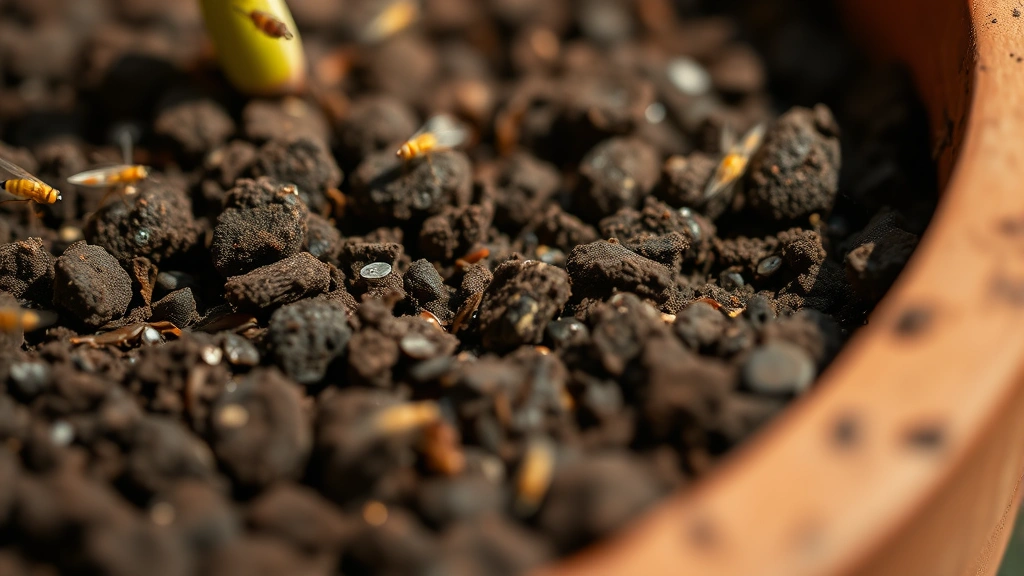
Before you can effectively fight gnats, you need to understand what you’re up against. The gnats infesting your plants aren’t actually the same as fruit flies buzzing around your kitchen—though they’re equally annoying. These are fungus gnats, scientifically known as Sciaridae, and they’re attracted to one specific thing: moist soil rich in decomposing organic matter and fungi.
Fungus gnats lay their eggs in damp potting soil, and within just a few days, tiny larvae emerge and begin feeding on fungi, roots, and organic debris in your soil. This is where the real damage happens. While adult gnats are more of a nuisance, the larvae are the actual threat to your plants’ health. They tunnel through soil, damage root systems, and create entry points for fungal diseases. A single female gnat can lay hundreds of eggs, which means an infestation can explode from a minor annoyance to a major problem in approximately two weeks.
The reason your plants are particularly susceptible has everything to do with the environment you’ve created. Indoor plants in pots create a perfect storm for gnats: contained, warm spaces with consistently moist soil and minimal air circulation. If you’ve been generous with watering—a common mistake even experienced plant parents make—you’ve essentially created a gnat resort.
How to Identify a Gnat Infestation
Catching a gnat problem early is crucial for quick resolution. Here’s what to look for:
- Visible insects: Small, dark, mosquito-like flies hovering around your plants or soil surface. Unlike fruit flies, they’re more attracted to the soil than to decaying fruit.
- Soil-level activity: If you notice gnats congregating right at the soil line rather than mid-air, that’s a dead giveaway you’re dealing with fungus gnats specifically.
- Plant decline: Yellowing leaves, stunted growth, or sudden wilting despite regular watering can indicate root damage from gnat larvae.
- Fungal issues: Increased susceptibility to root rot or damping off disease often accompanies gnat infestations.
- The sniff test: Bring your nose close to the soil. A sour, musty smell indicates excess moisture and fungal growth—exactly what gnats need to thrive.
If you’re seeing just one or two gnats, you might catch the problem before it escalates. However, if you’re seeing consistent activity day after day, you’re already in the thick of an infestation that requires immediate action.
Immediate Solutions to Stop the Infestation
Once you’ve confirmed you have a gnat problem, it’s time to act decisively. The most effective approach combines multiple tactics rather than relying on a single solution.
Step 1: Stop Overwatering Immediately
This is non-negotiable and often the single most important step. Gnats cannot survive in dry soil. Check your plants’ moisture levels before watering—your finger should go at least an inch into the soil and feel dry before you water again. Many plant parents water on a schedule, but plants don’t follow calendars; they follow their own moisture cycles. During cooler months, plants need significantly less water. Reduce your watering frequency by at least 30% and observe how your plants respond.
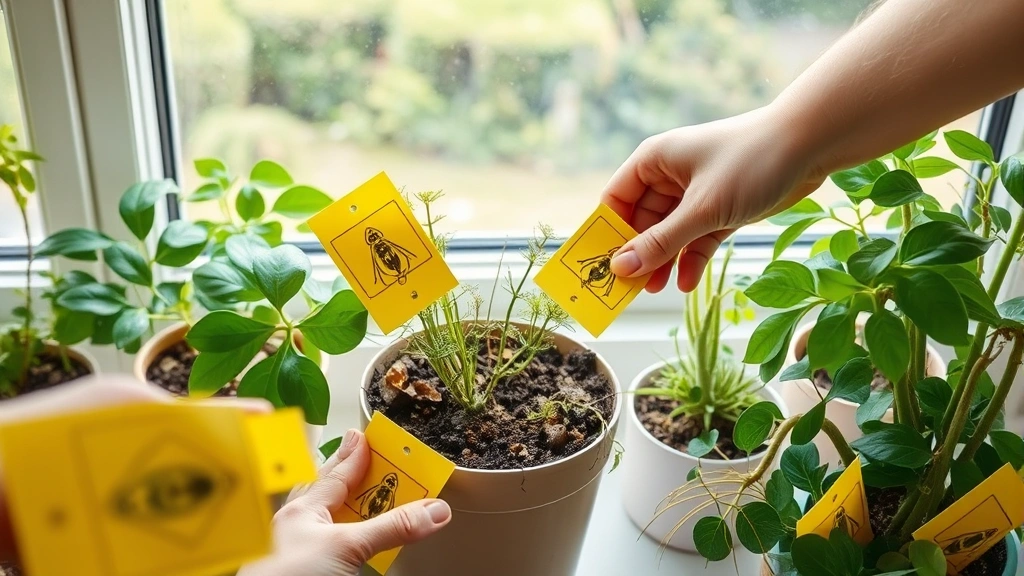
Step 2: Apply Yellow Sticky Traps
Yellow sticky traps are your first line of defense against adult gnats. These bright yellow cards attract flying insects and trap them on contact. Place several traps directly in the soil of affected plants and around the base of your plant collection. You’ll be amazed at how many gnats you catch within the first few days. Replace traps every 3-5 days as they become covered with dead insects. This won’t eliminate the problem alone, but it significantly reduces the adult population and prevents them from laying new eggs.
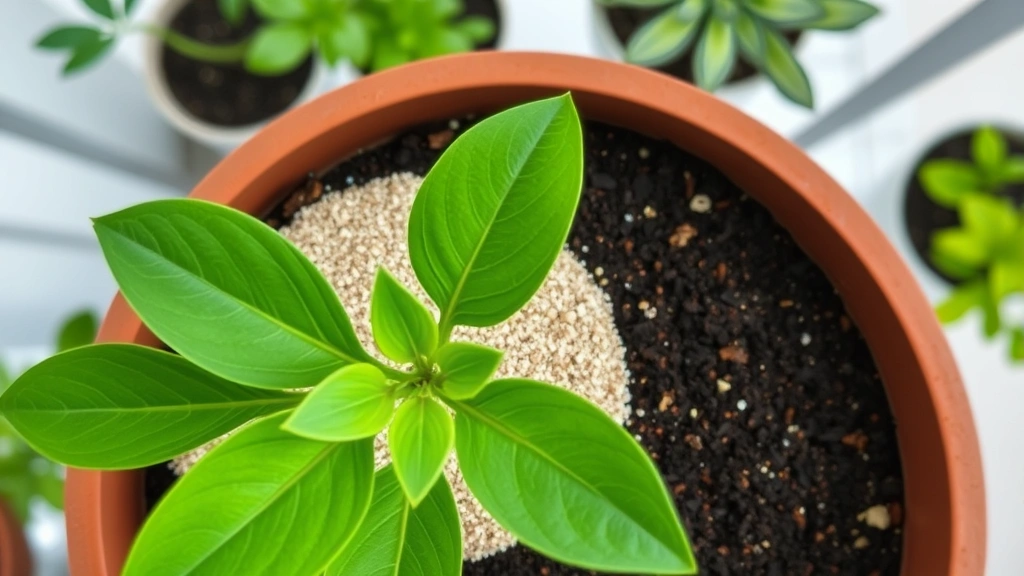
Step 3: Create Barriers with Sand or Diatomaceous Earth
A half-inch layer of coarse sand or food-grade diatomaceous earth on top of your soil creates a physical barrier that interrupts the gnat lifecycle. Adult gnats struggle to lay eggs through this barrier, and larvae attempting to emerge get caught in the process. Diatomaceous earth is particularly effective because its microscopic sharp edges damage the insects’ exoskeletons. If using diatomaceous earth, ensure it’s food-grade and follow application instructions carefully—it’s safe for plants and pets when used properly.
Step 4: Introduce Beneficial Nematodes
Steinernema feltiae nematodes are microscopic organisms that specifically target fungus gnat larvae in soil. These beneficial nematodes are completely safe for plants, pets, and humans, but absolutely devastating to gnat larvae. You can order them online or find them at most garden centers. Mix them into the top inch of soil according to package directions. They’ll work for about 2-3 weeks, actively hunting and destroying larvae. This is one of the most effective biological controls available.
Long-Term Prevention Strategies
Once you’ve eliminated the current infestation, preventing future problems is much easier than fighting them again. These strategies should become part of your regular plant care routine.
Master the Art of Proper Watering
This cannot be overstated. The single best prevention method is understanding your plants’ actual water needs rather than following generic advice. Invest in a simple moisture meter if you’re uncertain. Most houseplants prefer to dry out somewhat between waterings. If you’re watering your plants more than once a week, you’re likely overwatering. Consider that potting soil retains moisture much longer than outdoor garden soil, so adjust your expectations accordingly.
Improve Air Circulation
Gnats thrive in stagnant, humid environments. Use a small fan to create gentle air movement around your plants, especially during growing season. This serves double duty: it helps prevent fungal issues and makes the environment less attractive to gnats. Even a few hours of fan circulation daily makes a measurable difference.
Upgrade Your Potting Mix
Not all potting soils are created equal. Higher-quality mixes with better drainage and less peat moss (which retains excessive moisture) are less attractive to gnats. Look for mixes that include perlite or orchid bark for improved drainage. When repotting, choose containers with drainage holes—non-draining pots are practically an invitation for gnats to set up residence.
Quarantine New Plants
Before bringing any new plant into your home, keep it isolated for at least two weeks. Gnats often hitchhike on new plants from nurseries or garden centers. This quarantine period allows you to spot any pest problems before they spread to your entire collection.
Natural Remedies That Actually Work
If you prefer avoiding chemical pesticides, several natural solutions are genuinely effective. These aren’t just feel-good alternatives—they actually work when applied consistently.
Hydrogen Peroxide Soil Drench
A solution of one part 3% hydrogen peroxide to four parts water, applied directly to soil, kills gnat larvae on contact while also oxygenating the soil. Water your plants with this mixture until it drains from the bottom. The hydrogen peroxide breaks down into water and oxygen, leaving no harmful residue. Repeat this treatment every 3-4 days for two weeks. You’ll notice results quickly as larvae are eliminated.
Neem Oil Applications
Derived from neem tree seeds, neem oil disrupts the gnat lifecycle and suffocates larvae. Mix according to package directions and apply to soil and foliage. The smell is distinctive (some say unpleasant), but it’s completely organic and highly effective. Apply every 7-10 days for 3-4 weeks. Make sure to coat the soil surface thoroughly since that’s where eggs and larvae concentrate.
Apple Cider Vinegar Traps
Mix equal parts apple cider vinegar and water in a shallow container, add a drop of dish soap, and place near affected plants. The vinegar attracts adult gnats, and the soap breaks the surface tension, causing them to drown. Replace the mixture every 2-3 days. While this won’t eliminate larvae in soil, it’s excellent for reducing the adult population.
Cinnamon Powder
Sprinkle food-grade cinnamon powder on the soil surface. Cinnamon has natural antifungal properties and creates an inhospitable environment for gnats. It won’t kill existing larvae, but it prevents new eggs from hatching and discourages adult gnats from laying eggs. Plus, your plants will smell delightful.
When to Replace Your Soil Completely
Sometimes the infestation is so severe that replacing the soil entirely is the most practical solution. If you’re dealing with a heavy infestation that hasn’t responded to other treatments after three weeks, it’s time to consider this option.
Here’s the process: Gently remove your plant from its pot, carefully shake off the old soil (do this outdoors or over a trash can), and rinse the roots under lukewarm water to remove remaining soil particles and any clinging larvae. Inspect the roots for damage—healthy roots are firm and white or light tan; damaged roots appear mushy or dark. If damage is severe, trim away dead roots with clean scissors.
Prepare fresh, high-quality potting mix and repot your plant. Water lightly and let the plant settle for a few days before resuming normal care. The roots will be stressed from the disturbance, so be extra gentle with watering for the next week or two. This approach is particularly effective for severe infestations because it completely eliminates the breeding ground for larvae.
If you’re dealing with propagating pothos or other plants, ensure you’re using completely fresh water and containers—never reuse old soil that might harbor gnat eggs or larvae.
Frequently Asked Questions
Can gnats in plants spread to other areas of my home?
Yes, they can. While fungus gnats prefer moist soil, they can fly throughout your home and eventually find their way to your kitchen or bathroom if conditions are suitable. This is why addressing the problem promptly is important. If you’re concerned about gnats spreading beyond your plants, check out our guide on how to get rid of gnats in your house for comprehensive whole-home strategies.
How long does it take to completely eliminate gnats?
With consistent treatment, you should see significant improvement within 1-2 weeks. However, completely eliminating every last gnat typically takes 3-4 weeks because you need to break the entire lifecycle multiple times. Gnats have a short lifespan (about 8-10 days), so patience and consistency are key. Don’t declare victory after one week of seeing no gnats—continue your prevention strategies for at least another week.
Are chemical pesticides necessary for severe infestations?
Not necessarily. Natural remedies and biological controls like beneficial nematodes are remarkably effective for even heavy infestations when applied consistently. Chemical pesticides like pyrethrin-based sprays can work faster, but natural methods are equally effective over a slightly longer timeframe. Choose based on your comfort level and the severity of your situation.
Will gnats harm my plants permanently?
If caught early, no. Once you eliminate the gnats and adjust your watering practices, your plants will recover. However, severe infestations that go untreated for months can cause significant root damage that takes longer to repair. Some plants may not survive extremely heavy infestations, which is why early intervention matters.
Can I use the same prevention methods for other indoor pests?
Some methods overlap. For example, if you’re also dealing with spiders or drain flies, improved air circulation and reduced moisture help with all three problems. However, each pest requires specific treatment approaches. The common thread is maintaining a clean, well-ventilated environment with proper moisture levels.
Should I treat all my plants or just the infested ones?
Treat all your plants as a precaution if you’ve identified gnats in even one. Gnats spread quickly, and you may have early-stage infestations in other plants that aren’t yet visible. Apply yellow sticky traps throughout your plant collection and adjust watering practices for all plants. This prevents the problem from spreading while you focus intensive treatment on heavily affected plants.
What if I have gnats in a plant I’m growing for food, like herbs?
Natural remedies are your best bet here. Hydrogen peroxide soil drench and beneficial nematodes are safe for edible plants. Avoid any chemical pesticides unless they’re specifically labeled as safe for food crops. The good news is that growing herbs and vegetables indoors typically requires less consistent moisture than ornamental houseplants, making gnat infestations less common on edible plants.
Can I prevent gnats by using certain types of containers?
Absolutely. Containers with drainage holes are essential—they prevent water from sitting at the bottom where gnats thrive. Terracotta pots are excellent because they allow soil to dry faster than plastic. However, the container type is secondary to proper watering practices. Even the best container won’t help if you’re overwatering consistently.
Pro tip: For valuable or sentimental plants, consider using decorative cachepots (outer containers) rather than planting directly in them. This gives you flexibility to remove the plant’s pot for inspection, treatment, or soil replacement without disturbing the outer container.
Are there any plants that naturally repel gnats?
While no plant is completely gnat-proof, plants that prefer drier conditions between waterings are inherently less attractive to gnats. Succulents, snake plants, and ZZ plants fall into this category. Conversely, tropical plants that prefer consistently moist soil are more prone to gnat problems. If you’re starting a new plant collection and want to minimize pest issues, consider this when choosing which plants to grow.

Related Posts

How Long to Boil Lobster Tails: Cooking Guide

How Long to Fly from New York to London? Travel Times
