
How to Remove Grease Stains from Clothes: Expert Tips
How to Remove Grease Stains from Clothes: Expert Tips
There’s nothing quite like the sinking feeling when you look down and spot a fresh grease stain spreading across your favorite shirt. Whether it’s from dinner prep, a quick lunch run, or an unexpected encounter with machinery, grease stains are the nemesis of clean laundry everywhere. The good news? With the right approach and a little patience, you can say goodbye to those stubborn marks for good.
Grease stains are notoriously tricky because they’re hydrophobic—meaning they actively repel water. This is why throwing your stained garment directly into the washing machine often makes things worse. The stain can set permanently into the fabric fibers, becoming nearly impossible to remove. But don’t panic. We’re about to walk you through proven methods that actually work, from quick fixes to deep-cleaning techniques that tackle even the most stubborn grease marks.
The key to success is acting fast and using the right materials. Most households already have what you need in their kitchen or bathroom cabinets. Let’s dive into the strategies that’ll have your clothes looking spotless again.
Act Fast: The First 24 Hours Matter
The moment you notice a grease stain, time becomes your best friend. Fresh grease is significantly easier to remove than grease that’s had time to oxidize and bond with fabric fibers. The first thing you should do is resist the urge to rub the stain—this only pushes the grease deeper into the fabric.
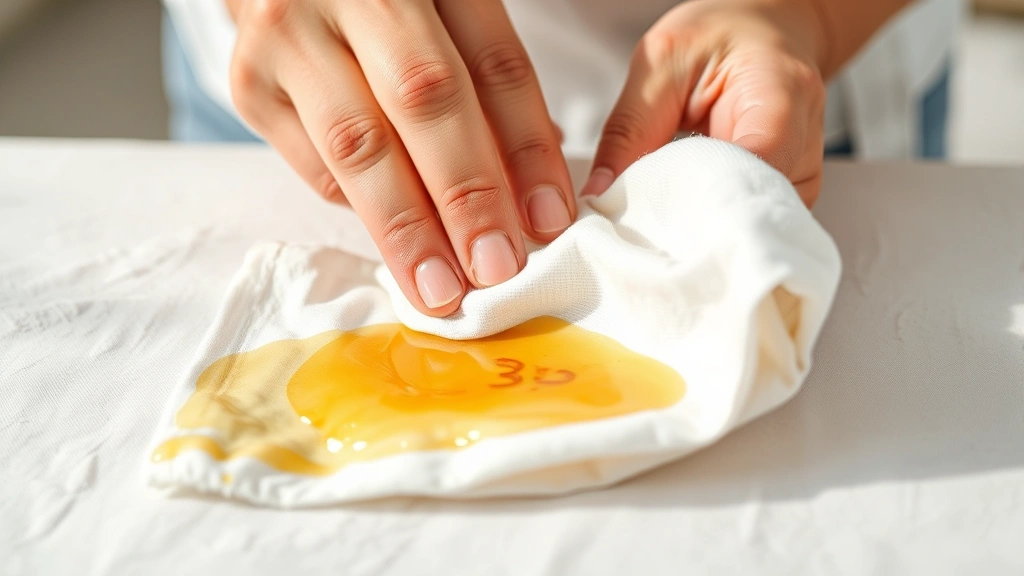
Instead, grab a clean, dry cloth or paper towel and gently blot the excess grease. Don’t wipe; blot. Think of it like you’re absorbing moisture rather than scrubbing it away. If the stain is still wet, this simple step can remove up to 50% of the grease before it has a chance to set.
Next, let the garment sit for a few minutes. This gives you time to gather your supplies and formulate a game plan. Most grease stains respond best to treatment within the first 24 hours, so if you can address it today, you’re already ahead of the game.
For situations similar to oil-related issues, you might also find our guide on how to get oil out of clothes helpful, as the removal techniques share many similarities with grease stain treatment.
Pre-Treatment Methods That Actually Work
Pre-treatment is where the magic happens. This step separates successful stain removal from frustration. There are several effective methods, and the best one for you depends on what you have available and the severity of the stain.
The Powder Method: Sprinkle an absorbent powder directly onto the grease stain. Baking soda, cornstarch, or even talcum powder works wonderfully. Leave it sit for 15-30 minutes. The powder absorbs the grease, making it easier to remove. Simply brush or shake off the powder, and you’ll notice a significant reduction in the stain’s appearance.
The Heat Approach: Believe it or not, a little heat can help grease release from fabric. Place a piece of cardboard or brown paper under the stain, then use a warm iron on the back of the garment. The heat liquefies the grease, allowing it to transfer to the paper. Move to a clean section of paper as the grease transfers. This method works particularly well on cotton and cotton-blend fabrics.
The Liquid Soap Method: Apply a small amount of liquid dish soap directly to the stain. Use your fingers or a soft brush to gently work it into the fabric. The soap breaks down the grease’s molecular structure, making it water-soluble. Let it sit for 5-10 minutes before rinsing with warm water.
Household Solutions for Grease Removal
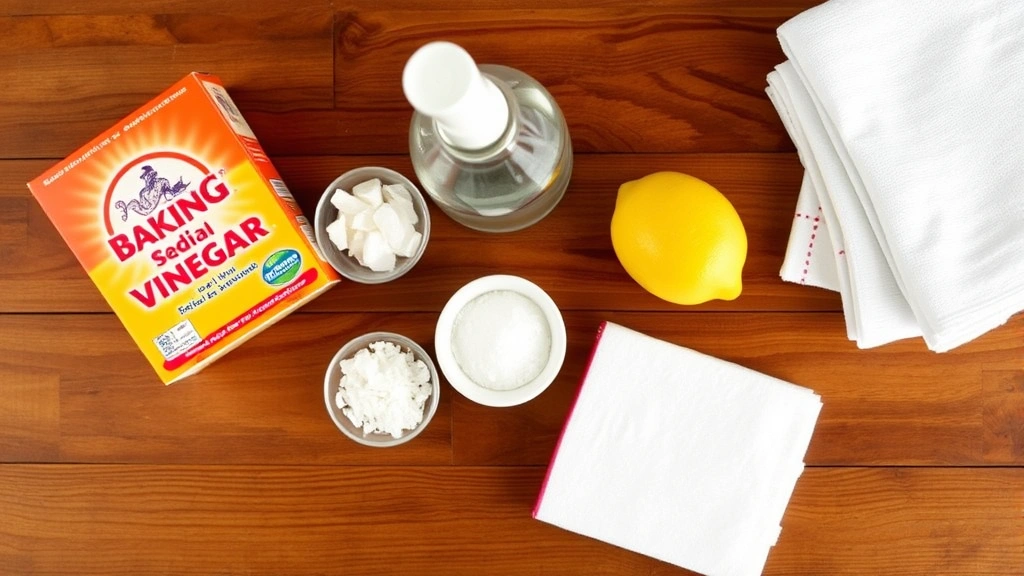
Before you head to the store, check your pantry and bathroom. Most households have surprisingly effective grease-fighting solutions already on hand.
Baking Soda Paste: Mix baking soda with a small amount of water to create a thick paste. Apply it directly to the stain and let it dry completely—typically 30 minutes to an hour. Once dry, brush it off gently. Baking soda is alkaline and naturally breaks down grease. For stubborn stains, repeat the process.
White Vinegar: Spray white vinegar directly onto the grease stain and let it sit for 15 minutes. The acidity cuts through grease effectively. Follow with a gentle rub using a soft cloth, then rinse thoroughly with warm water. Don’t worry about the vinegar smell; it’ll disappear during washing.
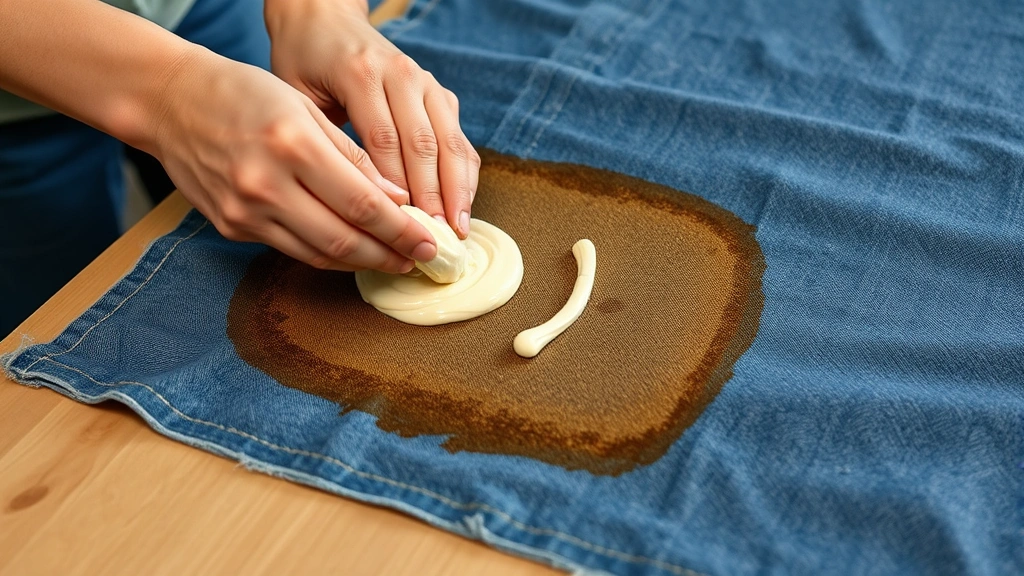
Salt and Rubbing Alcohol: Combine equal parts salt and rubbing alcohol to form a paste. Apply to the stain and gently rub in circular motions. The salt acts as an abrasive while the alcohol dissolves the grease. This combination is particularly effective on denim and heavier fabrics.
Lemon Juice: The citric acid in lemon juice is surprisingly effective against grease. Squeeze fresh lemon juice onto the stain, sprinkle salt on top, and let it sit in direct sunlight for a few hours if possible. The combination of acid, salt, and UV rays can significantly fade the stain.
Chalk: Yes, really. Rub chalk directly onto the grease stain. Chalk is porous and absorbs grease quickly. This works best as an immediate treatment before the stain sets in.
Commercial Products Worth Trying
If household solutions aren’t cutting it, the market offers several specialized products designed specifically for grease stain removal.
Stain Sticks and Sprays: Products like OxiClean, Fels-Naptha, and Zout are formulated to break down grease molecules. Apply according to package directions, typically by spraying or rubbing onto the stain, then letting it sit for 5-15 minutes before washing. These products work because they contain surfactants that chemically attack grease.
Enzyme-Based Cleaners: Enzymes are biological catalysts that break down organic compounds, including grease. Products containing protease and lipase enzymes are particularly effective. Apply and let sit for 30 minutes to several hours, depending on the product.
Dry Cleaning Solvent: Products like Carbona are designed to mimic professional dry cleaning. These solvents dissolve grease without water. Apply to the back of the stain (to push grease out rather than deeper in), let sit, then rinse with water. Always test on an inconspicuous area first, as some fabrics can be sensitive to solvents.
The Washing Process: Getting It Right
After pre-treatment, the washing process is crucial. Here’s how to do it properly:
Use Hot Water (When Safe): Hot water helps dissolve grease better than cold water. However, always check the garment’s care label first. For delicate fabrics, warm water is a safer choice. Never use water that’s too hot for the fabric type, as this can set the stain permanently.
Choose the Right Detergent: Use a high-quality laundry detergent with strong degreasing properties. Liquid detergents often work better than powders for grease stains because they penetrate fabric more effectively. Consider using double the recommended amount for heavily soiled garments.
Don’t Overload the Machine: Wash the stained garment with a smaller load. Overcrowding prevents proper agitation and rinsing, which reduces the effectiveness of the detergent.
Check Before Drying: This is non-negotiable. Inspect the stain after washing but before placing the garment in the dryer. Heat from the dryer will permanently set any remaining grease. If the stain persists, repeat the pre-treatment and washing process. Never assume the stain is gone until you’re absolutely certain.
Tackling Dried and Set-In Stains
If you’ve already washed and dried the garment, don’t lose hope. Set-in stains are harder but not impossible to remove.
Rehydrate the Stain: Soak the garment in warm water with a few drops of dish soap for 30 minutes to an hour. This rehydrates the grease and makes it more responsive to treatment. Sometimes this simple step is enough to loosen the stain significantly.
Use Stronger Solvents: For stubborn, dried stains, consider using acetone (nail polish remover) or mineral spirits. Test on a hidden area first. Apply a small amount to the stain, let sit for 10 minutes, then gently rub. Rinse thoroughly with water afterward.
Professional Dry Cleaning: If all else fails, professional dry cleaners have access to industrial-strength solvents and specialized equipment. They can often remove stains that home methods can’t touch. This is worth considering for expensive or sentimental garments.
For other tough stains with similar characteristics, you might explore our article on how to get pen ink out of clothes, which covers additional pre-treatment strategies applicable to various stubborn marks.
Fabric-Specific Considerations
Different fabrics require different approaches. Understanding your garment’s material is essential for successful stain removal without causing damage.
Cotton and Cotton Blends: These are the most forgiving fabrics. Cotton can handle hot water, vigorous rubbing, and most chemical treatments. You have the most flexibility with these materials.
Silk and Delicate Fabrics: Use lukewarm water and gentle treatments only. Avoid harsh chemicals and rough rubbing. Blot rather than rub, and consider professional cleaning for expensive silk garments. The risk of damage often outweighs the cost of professional treatment.
Wool: Wool requires gentle handling. Use cool water and mild detergents specifically formulated for wool. Avoid twisting or wringing, as this can damage the fibers and cause felting.
Synthetics (Polyester, Nylon, Acrylic): Most synthetics tolerate warm water and moderate treatments well. However, avoid acetone and other harsh solvents, as these can damage synthetic fibers. Stick to mild pre-treatments and standard laundry detergent.
Denim: Denim is tough and forgiving. You can use hot water, vigorous rubbing, and even abrasive methods like salt scrubbing. Denim actually benefits from the friction of pre-treatment methods.
Prevention Tips for the Future
The best stain is the one that never happens. While we can’t prevent all grease encounters, we can minimize them.
Wear an Apron: Simple but effective. An apron creates a barrier between your clothes and potential grease splatters. Keep one in your kitchen for cooking and another near your workbench if you do maintenance work.
Keep Stain Remover Handy: Store a stain stick or spray in your kitchen, car, and office desk. Immediate treatment dramatically improves your chances of complete removal. The longer grease sits on fabric, the harder it becomes to remove.
Be Mindful While Eating: Keep napkins nearby when eating greasy foods. A quick dab can prevent a stain from setting. Tuck a napkin into your collar or lap for particularly messy meals.
Store Garments Properly: Keep your clothes away from greasy cooking areas. Store work clothes separately from regular clothing if you work in an environment where grease exposure is common.
Regular Maintenance: Wash clothes promptly after wearing them. Don’t let potentially stained garments sit in a hamper for weeks. The longer stains sit, the more they oxidize and bond with fabric.
If you’re interested in maintaining your clothing in other ways, our guide on how to shrink a shirt covers proper fabric care techniques that complement good stain prevention practices.
Frequently Asked Questions
Can I use cold water to remove grease stains?
Cold water is less effective than warm or hot water for grease removal because grease doesn’t dissolve well in cold temperatures. However, if the garment’s care label specifies cold water only, you can still remove grease stains using pre-treatment methods like baking soda paste or powder absorption before washing in cold water. The key is thorough pre-treatment.
Will vinegar damage my clothes?
White vinegar is generally safe for most fabrics, but it can affect certain dyes or finishes. Always test on a hidden area first. For brightly colored or delicate fabrics, dilute the vinegar with equal parts water. Rinse thoroughly after treatment to remove any vinegar smell.
How long should I let pre-treatment sit?
Most pre-treatments work best when left for 5-30 minutes, depending on the method. Baking soda paste and powder methods can sit longer (up to an hour), while liquid treatments like dish soap typically need just 5-10 minutes. Longer isn’t always better; check the specific product instructions or method guidelines.
Can I use fabric softener on grease-stained clothes?
Absolutely not. Fabric softener coats fibers with oils, which can actually lock grease stains into the fabric permanently. Always skip fabric softener when washing clothes with active or potential grease stains. Wait until you’re certain the stain is completely gone before using fabric softener again.
What’s the best way to treat grease stains on delicate fabrics?
For delicate fabrics like silk or linen, use gentle methods only. Start with powder absorption (baking soda or cornstarch), then proceed to mild liquid soap or specialized delicate fabric cleaner. Use cool to lukewarm water, and avoid harsh rubbing. When in doubt, consider professional dry cleaning to avoid damaging expensive garments.
Can I remove grease stains after the garment has been dry cleaned?
Yes, but it’s trickier. Professional dry cleaning removes most grease, but sometimes traces remain or new stains appear. You can retreat with home methods or return to the dry cleaner and point out the remaining stain. Many dry cleaners will re-treat for free if the stain wasn’t fully removed on the first pass.
Why did my grease stain spread during washing?
This usually happens because the stain wasn’t fully pre-treated or because you used cold water during washing. Grease can migrate across fabric fibers when agitated without proper pre-treatment. Always pre-treat thoroughly and use warm water when possible. Check the stain before drying to catch any spreading.
Are there any grease stain removal methods I should avoid?
Avoid rubbing or scrubbing vigorously with dry cloth—this pushes grease deeper. Don’t use bleach on colored fabrics, as it can cause discoloration. Skip fabric softener and dryer sheets when treating grease stains. Avoid putting the garment in the dryer until you’re certain the stain is gone. Never use extremely hot water on delicate fabrics.

Related Posts

How Long to Boil Lobster Tails: Cooking Guide

How Long to Fly from New York to London? Travel Times
