
How Long to Smoke a Pork Butt: Expert Guide
How Long to Smoke a Pork Butt: Expert Guide to Perfect Pulled Pork
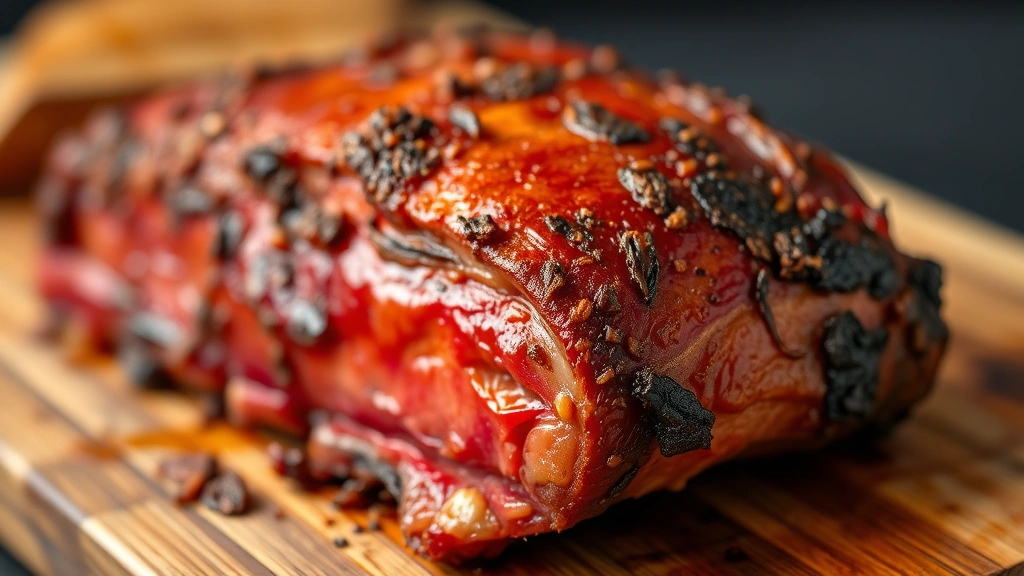
There’s something undeniably satisfying about pulling a mahogany-colored pork butt from the smoker after hours of patient tending. The bark crackles under your fingers, the meat practically dissolves on your tongue, and you realize that sometimes the best things really do take time. Smoking a pork butt isn’t just about following a recipe—it’s about understanding the science, respecting the process, and knowing when your meat has reached that sweet spot of tenderness.
Whether you’re planning your first backyard barbecue or you’re a seasoned pitmaster looking to refine your technique, understanding how long to smoke a pork butt is fundamental. The answer isn’t as simple as “X hours per pound,” though that’s where most people start. Variables like smoker temperature, meat size, humidity, and desired tenderness all play crucial roles in determining your cooking timeline.
This guide breaks down everything you need to know to achieve restaurant-quality pulled pork at home, complete with timing strategies, troubleshooting tips, and the confidence to smoke your next pork butt like a pro.
Understanding Pork Butt Smoking Basics
Before we dive into the numbers, let’s establish what we’re actually working with. A pork butt—despite its misleading name—comes from the upper shoulder of the pig. It’s a muscular cut loaded with collagen and connective tissue, which is precisely why it’s perfect for smoking. When exposed to low, steady heat over an extended period, that collagen breaks down into gelatin, transforming a tough cut into impossibly tender pulled pork.
The general rule of thumb that most pitmasters follow is 1.5 to 2 hours per pound at 225°F to 250°F. So a 10-pound pork butt would take approximately 15 to 20 hours. However, this is a starting point, not gospel. Meat doesn’t always cook on a predictable schedule, and several factors can accelerate or slow down the process.
One of the biggest variables is whether you’re cooking a bone-in or boneless pork butt. Bone-in butts typically take slightly longer because bone conducts heat differently than meat alone. A boneless butt might finish 30 minutes to an hour earlier than its bone-in counterpart of similar weight. Additionally, the shape matters—a compact, dense butt will cook differently than one that’s irregular or loose.
Understanding that smoking is as much art as science will help you approach this project with the right mindset. You’re aiming for a specific tenderness level (usually when the meat reaches 190°F to 205°F internally), and time is just one tool in your arsenal. Temperature management, smoke consistency, and patience are equally important.
Temperature and Timing Guidelines
Let’s establish a practical framework for timing your smoke. Most competition pitmasters and experienced backyard barbecuers operate in the 225°F to 275°F range, with 250°F being the sweet spot for most home smokers. Here’s what you can realistically expect:
- At 225°F: Expect 2 to 2.5 hours per pound. A 12-pound butt would take 24 to 30 hours. This lower temperature produces exceptional bark and allows more smoke penetration, but requires serious time commitment.
- At 250°F: Plan for 1.5 to 2 hours per pound. That same 12-pound butt would finish in 18 to 24 hours. This is the most popular choice for home smokers seeking balance between quality and practicality.
- At 275°F: Budget 1.5 to 1.75 hours per pound. Your 12-pound butt finishes in 18 to 21 hours. Higher heat produces less bark but speeds up the process considerably.
These timeframes assume you’re maintaining consistent temperature throughout the cook. Temperature swings—whether your smoker creeps up to 300°F or dips to 200°F—will throw off your calculations. Invest in a reliable thermometer. A dual-probe thermometer that monitors both smoker temperature and meat internal temperature is invaluable.
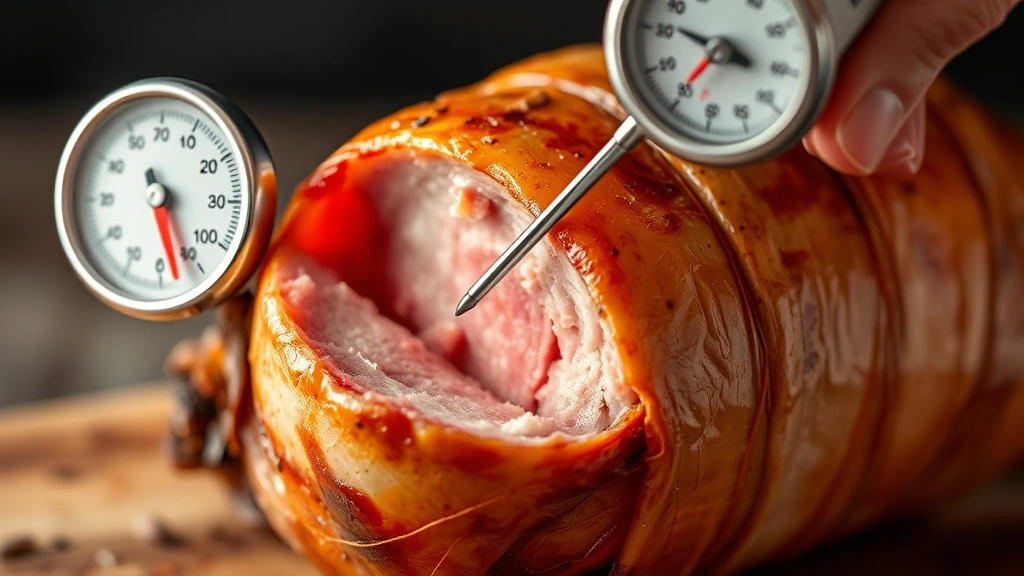
The “stall” is a phenomenon every pork butt smoker encounters. Usually around 165°F to 170°F internal temperature, the meat seems to stop cooking. This is actually evaporative cooling in action—moisture on the surface evaporates, drawing away heat. The stall can last 1 to 4 hours depending on conditions. Many pitmasters wrap their meat in butcher paper or foil to power through this phase, which we’ll discuss in detail shortly.
Preparation and Seasoning Strategy
Your smoking timeline actually begins the night before you fire up the smoker. Proper preparation sets the stage for success and ensures your pork butt cooks evenly and develops that coveted bark.
Start by selecting your meat. Look for a pork butt with good marbling—those white streaks of fat running through the meat. Fat is flavor and moisture insurance, so don’t shy away from it. If your butt has a thick fat cap (usually about 1/4 inch), you can leave it intact or score it with a sharp knife in a crosshatch pattern. When you sharpen a knife properly, scoring becomes much easier and more precise.
Next, trim any obviously damaged areas or excessive meat exterior, but leave most of the fat cap. Pat the butt completely dry with paper towels—moisture is the enemy of good bark formation. Let it sit uncovered in your refrigerator for at least 8 hours, preferably overnight. This dry-brining effect helps the surface dry further and allows the rub to adhere better.
For your rub, keep it simple: brown sugar, paprika, garlic powder, onion powder, salt, pepper, and cayenne pepper create a stellar foundation. Some pitmasters add a touch of coffee powder for depth. Apply your rub generously the night before, letting it sit in the fridge. The salt will start curing the surface, and the flavors will meld into the meat.
Remove your pork butt from the refrigerator about 1 to 2 hours before smoking. You want it to reach room temperature—cold meat takes longer to cook and won’t absorb smoke as effectively. While it’s coming to temperature, prepare your smoker.
The Smoking Process: Step by Step
Fire up your smoker to your target temperature (250°F is recommended for most home setups) about 30 minutes before you plan to add meat. Use quality hardwood—hickory, oak, or a blend works beautifully with pork. Avoid soft woods like pine or cedar, which impart unpleasant flavors.
Once your smoker is stable at temperature and producing thin, blue smoke, place your pork butt on the grates fat-side up. The fat will render down and baste the meat as it cooks. Insert your meat thermometer into the thickest part of the butt, away from bone if applicable, without touching the grate.
For the first 4 to 6 hours, resist the urge to fuss. Keep your smoker door closed and maintain consistent temperature. This initial phase is crucial for bark development. Smoke needs undisturbed time to adhere to the surface and create that delicious crust.
Around the 6-hour mark, start monitoring your pork butt. If it’s browning too quickly, you can wrap it or rotate it. If it’s not browning enough, you might increase your smoker temperature slightly. This is where experience informs intuition—every smoker behaves differently.
Continue smoking until your butt reaches approximately 165°F internal temperature. This usually happens around the 10 to 14-hour mark for a 12-pound butt at 250°F. This is when you’ll likely encounter the stall.
When and How to Wrap Your Meat
The wrapping phase is where many pitmasters diverge in their approach. Some wrap immediately when the stall begins, others never wrap at all, and some employ a strategic “Texas crutch” approach.
When the meat stalls around 165°F, you have options: continue unwrapped for maximum bark development (adding 2 to 4 hours), wrap in foil for faster cooking, or wrap in butcher paper for a compromise approach. Butcher paper remains the favorite among most pitmasters because it breathes slightly, preventing the meat from steaming while still accelerating the cook.
To wrap in butcher paper: remove your pork butt from the smoker and place it on a large sheet of peach or pink butcher paper (the color doesn’t matter, but it’s easier to see through). Fold the paper around the butt, sealing it loosely. You want some steam to escape; you’re not creating an airtight package. Return it to the smoker, paper-side down so the juices drip into the paper rather than back onto the meat.
Many pitmasters add a bit of apple juice or cider vinegar to the paper before wrapping, which adds moisture and a subtle tang. This isn’t necessary, but it can enhance flavor and prevent the exterior from drying out during the final cook phase.
Knowing When It’s Done
This is the question that separates guessing from knowing: when is your pork butt actually done? Temperature is your primary guide, but texture is equally important.
Aim for an internal temperature of 190°F to 205°F. At 190°F, the meat will pull apart with moderate pressure. At 205°F, it’s essentially falling off the bone—the collagen has fully converted to gelatin. Most pitmasters target 203°F as the sweet spot.
The probe test is equally reliable: insert a meat thermometer probe into the thickest part of the butt. It should slide in with minimal resistance, like inserting a probe into warm butter. If you feel significant resistance, the meat isn’t ready. If it slides through like a hot knife through butter, you’re done.
Don’t rely solely on time. A pork butt that’s wrapped for part of the cook might finish in 16 hours instead of 20. Environmental factors, smoker efficiency, and meat characteristics all influence the timeline. Trust your thermometer and the probe test, not your clock.
Resting and Pulling Your Pork
Once your pork butt reaches that perfect 203°F, you’re not quite ready to pull. Resting is non-negotiable. Remove the butt from the smoker and let it rest for 20 to 30 minutes. This allows the muscle fibers to relax and reabsorb moisture, resulting in juicier pulled pork.
During resting, keep the butt wrapped in foil or butcher paper and place it in a cooler (not iced, just the cooler itself) or wrap it in towels. This insulation maintains heat and allows carryover cooking to complete the process.
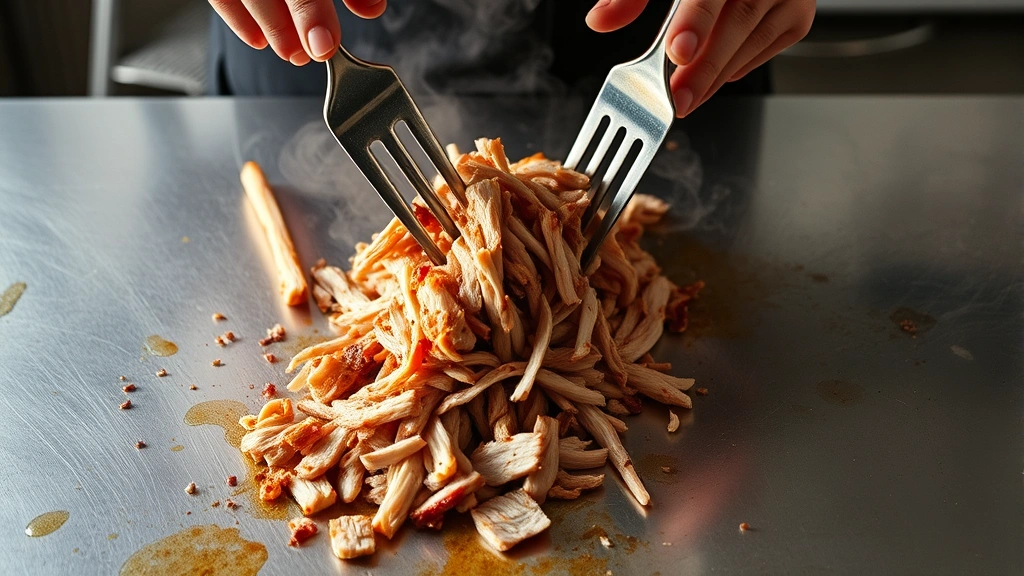
After resting, it’s pulling time. Place the butt on a cutting board and let it cool just enough to handle. Using two forks, simply pull the meat apart. It should separate effortlessly. Remove any large pockets of fat (though much of it will have rendered), and discard the bone if applicable.
For pulled pork, you want pieces roughly the size of a marble to a small marble—not shredded into confetti, but not in chunks either. Some pitmasters use meat claws or specialized shredding tools, but good forks work perfectly fine.
Toss your pulled pork with its accumulated juices (often called “mop” or “au jus”). If you want to serve it with sauce, keep the sauce separate so guests can add it to taste. A simple homemade brown gravy complements pulled pork beautifully, though traditional barbecue sauce works equally well.
Common Issues and Solutions
Bark isn’t forming: Ensure your smoker is maintaining consistent temperature and producing thin, blue smoke rather than thick white smoke. Thick smoke deposits creosote, which tastes bitter. If your butt is wrapping too early, you might be losing bark development time. Consider wrapping later in the cook.
Meat is dry: This usually indicates overcooking or insufficient fat. Ensure you’re not exceeding 205°F internal temperature. If you’re wrapping, consider adding apple juice to the paper. For future cooks, select a butt with more marbling.
Uneven cooking: Some parts of your butt might reach temperature faster than others. This is normal, especially with irregular shapes. If one area is cooking much faster, rotate the butt 180 degrees midway through the cook to promote even heat exposure.
The stall lasts forever: If you’re experiencing a stall longer than 4 hours, your smoker temperature might be too low. Increase it by 10°F to 15°F. Alternatively, wrap the meat to power through the stall faster.
Smoker temperature won’t stabilize: Wind, ambient temperature, and fuel quality all affect smoker stability. Invest in quality fuel (avoid briquettes with fillers) and position your smoker to minimize wind exposure. A weatherproof smoker cover helps tremendously.
If you’re exploring other smoking projects, understanding how long to smoke a brisket teaches similar temperature management principles. Similarly, how to smoke a turkey employs comparable timing frameworks. Even outdoor cooking on how to season a blackstone requires understanding heat management and timing.
Frequently Asked Questions
How long does a 10-pound pork butt take to smoke at 250°F?
A 10-pound pork butt typically requires 15 to 20 hours at 250°F. This accounts for the initial bark development phase, the stall period, and final cooking. Most pitmasters find that wrapping during the stall reduces total time to the 15 to 18-hour range.
Can you smoke a pork butt at 275°F to speed things up?
Absolutely. At 275°F, expect 1.5 to 1.75 hours per pound, so your 10-pound butt finishes in approximately 15 to 17.5 hours. The trade-off is slightly less pronounced bark development, though the difference is minimal if you maintain good smoke production throughout the cook.
Is it better to wrap or not wrap during the stall?
Wrapping speeds up the cook significantly—usually by 2 to 4 hours—but reduces bark development slightly. Not wrapping preserves bark but extends cooking time considerably. Most home pitmasters wrap in butcher paper as a compromise: you maintain decent bark while managing the cook timeline.
What’s the best temperature for a pork butt to pull apart?
Aim for 203°F internal temperature. At this temperature, the collagen has fully converted to gelatin, and the meat pulls apart effortlessly. Below 195°F, it might still be slightly tough. Above 205°F, it’s still excellent but risks becoming slightly dry if the cook extends much longer.
Can you smoke a pork butt overnight?
Yes, and it’s actually quite practical. Many pitmasters start their smoke in the evening, let it run overnight, and have finished pulled pork by late morning or early afternoon. Use a reliable thermometer with an alarm function to alert you when the internal temperature reaches your target. Never leave a smoker unattended for extended periods without proper monitoring equipment.
What if my pork butt finishes too early?
If your butt reaches temperature hours before you’re ready to serve, wrap it in foil and place it in a warm cooler (150°F to 170°F). It will hold temperature safely for 2 to 4 hours. Alternatively, reduce your smoker temperature to 170°F to 180°F and let the butt coast at that temperature until service time.
Do I need to spritz my pork butt while smoking?
Spritzing—spraying the meat with apple juice or cider vinegar every hour or so—is optional but popular. It helps prevent the exterior from drying out and adds subtle flavor. However, each time you open the smoker door, you disrupt temperature stability and extend cooking time by a few minutes. Many pitmasters skip spritzing and rely on wrapping instead.
What’s the difference between pork butt and pork shoulder?
Pork butt comes from the upper shoulder, while pork shoulder typically refers to the lower shoulder and foreleg. For smoking purposes, they’re interchangeable—both have similar fat content and connective tissue that breaks down beautifully under low heat. Timing and techniques are identical.
Can you smoke a pork butt in a gas smoker?
Absolutely. Gas smokers are excellent for smoking pork butt because they maintain stable temperature more easily than offset smokers or drums. The timing remains the same: 1.5 to 2 hours per pound at 250°F. Gas smokers might produce slightly less bark because gas heat is more consistent (less temperature variation), but the end result is equally delicious.
How do you know if your pork butt is done without a thermometer?
The probe test is your answer. A fork or meat thermometer probe should slide into the thickest part of the meat with virtually no resistance. If you feel significant pushback, it’s not ready. Additionally, the meat should visibly jiggle when you move the butt—a sign that the collagen has fully broken down into gelatin.
Smoking a pork butt is as rewarding as it is delicious. Whether you’re aiming for a quick 16-hour cook at 275°F or committing to a low-and-slow 24-hour journey at 225°F, understanding the fundamentals of timing, temperature, and tenderness indicators ensures success. Your first smoke might not be perfect—and that’s perfectly fine. Each cook teaches you something about your specific smoker, your fuel, and your preferences. Before long, you’ll be smoking pork butts with the confidence of a seasoned pitmaster, producing pulled pork that rivals any barbecue joint in town.
For additional guidance on smoking techniques, check out resources from This Old House, which offers comprehensive smoking guides. Family Handyman provides excellent troubleshooting advice, and Home Depot’s outdoor cooking section includes detailed equipment recommendations. For manufacturer-specific guidance, Weber’s official smoking guides offer authoritative timing charts and techniques tailored to their equipment. Finally, Amazing Ribs is an invaluable resource for detailed barbecue science and advanced smoking techniques.

Related Posts

How Long to Boil Lobster Tails: Cooking Guide

How Long to Fly from New York to London? Travel Times
