
How Long to Smoke a Brisket: Expert Guide
How Long to Smoke a Brisket: Expert Guide to Perfectly Tender Results
There’s something almost magical about pulling a brisket off the smoker—that perfect bark crackles under your knife, and the meat inside is so tender it practically melts. But getting there requires patience, precision, and honestly, a bit of trial and error. The question everyone asks first is simple yet complex: how long does it actually take?
The short answer? Between 12 to 16 hours, depending on several factors. But if you’re serious about smoking brisket, you’ll want to understand why timing matters so much, what variables affect your cook, and how to tell when your brisket is genuinely done—not just when the clock says so.
This guide walks you through everything from selecting the right cut to wrapping techniques that’ll have your guests asking for seconds (and thirds). Whether you’re a seasoned pitmaster or firing up your first smoke, these insights will help you navigate the process with confidence.
Understanding Brisket Basics
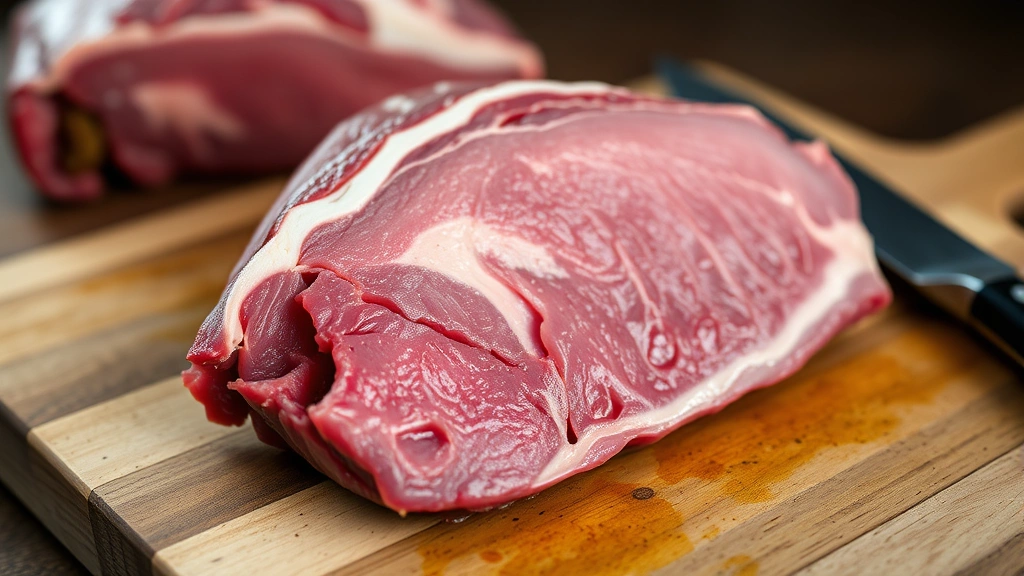
Before diving into timing, let’s talk about what you’re actually smoking. A brisket comes from the chest of the cow, and it’s loaded with connective tissue and fat. This isn’t a cut that rewards high heat and speed—it demands low temperatures and time. The collagen in that connective tissue breaks down into gelatin when exposed to gentle heat over many hours, creating that sought-after tenderness.
Most people work with a whole packer brisket, which includes both the flat and the point. A typical packer weighs between 12 to 16 pounds, though you’ll find smaller and larger ones. The size directly impacts your cooking time, so knowing your brisket’s weight is your first critical measurement.
The fat cap—that layer of fat on top—serves a purpose beyond flavor. It protects the meat during the long cook and keeps it from drying out. Many pitmasters trim it down to about a quarter-inch thick, balancing protection with the ability to get good bark formation on the surface.
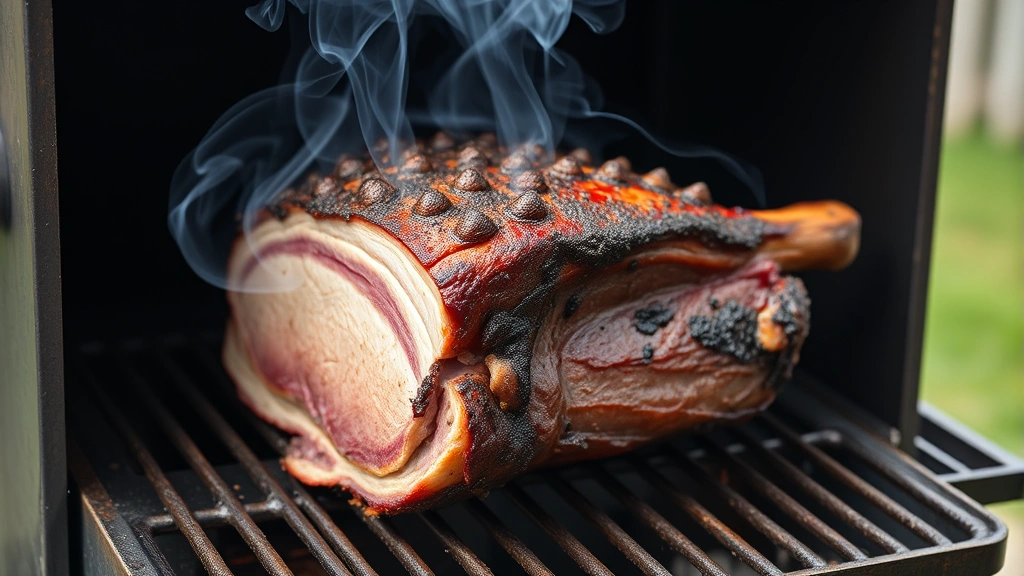
Temperature control is equally fundamental. Most experts recommend smoking brisket at 225 to 250 degrees Fahrenheit. Lower temperatures (around 225°F) take longer but often produce more tender results. Higher temperatures (250°F) speed things up while still delivering excellent results. The difference between the two might be 2 to 4 hours on a full brisket.
The 3-2-1 Method Explained
The 3-2-1 method is a popular framework that breaks your smoke into three distinct phases, each with its own purpose. While originally developed for ribs, it works beautifully for brisket with slight modifications.
Here’s how it works:
- Phase 1 (3 hours): Smoke unwrapped at 225-250°F. During this window, smoke penetrates the meat’s surface, creating that pink smoke ring and developing bark. You’re establishing flavor and color foundation.
- Phase 2 (2 hours): Wrap in butcher paper and continue smoking at the same temperature. This phase accelerates cooking while maintaining bark development. The paper allows some smoke penetration while trapping moisture.
- Phase 3 (1 hour): Wrap in foil and finish cooking. This phase is all about tenderness. The sealed environment steams the meat, breaking down remaining collagen and pushing toward that fall-apart texture.
For brisket, you’ll often extend this formula. Many pitmasters use 4-3-2 or even 5-3-2 ratios, especially for larger cuts. The exact timing depends on your brisket’s size, your smoker’s characteristics, and your target internal temperature.
Temperature and Timing Breakdown
Here’s where the math gets practical. Most bitmasters aim for an internal temperature of 203 to 205°F in the thickest part of the flat. At this point, a probe should slide through the meat with minimal resistance—the famous “toothpick test.”
The general rule is 1.5 to 2 hours per pound at 225°F. So a 14-pound brisket would take roughly 21 to 28 hours. That’s a wide range, and here’s why: every smoker runs differently, weather affects performance (cold days slow everything down), and meat varies in density and fat distribution.
At 250°F, you’re looking at closer to 1 to 1.5 hours per pound, cutting your total time to 14 to 21 hours. This is where the stall becomes important—that frustrating plateau around 150-160°F where the internal temperature seems frozen. It typically lasts 2 to 4 hours. This is when many pitmasters wrap, pushing through the stall more quickly.
Here’s a practical timeline for a 14-pound packer at 225°F:
- Hours 0-4: Unwrapped smoke, bark forming
- Hours 4-8: Wrapped phase, steady temperature climb
- Hours 8-12: Stall management, wrapped cooking
- Hours 12-16: Final push to 203°F, final wrapping
- Hours 16-18: Rest period (critical, don’t skip this)
If you’re working at 250°F, subtract roughly 3-4 hours from this timeline.

Preparing Your Brisket for Success
Your prep work sets the stage for everything that follows. Start the night before by removing your brisket from the cooler and letting it come to room temperature. A cold brisket takes significantly longer to cook evenly, potentially adding 2 to 3 hours to your total time.
Trim the fat cap thoughtfully. You want enough to protect the meat but not so much that smoke and heat can’t penetrate. Aim for about a quarter-inch. While you’re at it, remove any hard fat or silver skin from the underside—these won’t render down like the cap will.
Apply your rub generously the night before or at least 2 to 4 hours before smoking. The salt will penetrate the meat, enhancing flavor throughout. A basic rub of kosher salt, coarse black pepper, garlic powder, and paprika does the job, though you can get creative. If you’re curious about seasoning techniques, the principles mirror what you’d use when learning how to season a Blackstone—proper layering creates depth.
Set your smoker up 30 minutes before cooking. Get it to your target temperature and stabilize it. Use quality hardwood—oak, hickory, and mesquite are popular choices. Avoid softwoods like pine or fir, which create acrid smoke.
Wrapping and Resting Techniques
The wrap is a game-changer for brisket timing and texture. Butcher paper (sometimes called peach paper) is the gold standard because it breathes slightly while containing moisture. Foil works too, though it seals more completely and can soften bark if applied too early.
When you wrap matters. Some folks wrap immediately to accelerate cooking. Others wait until the stall hits, using the unwrapped phase to build bark. There’s no single “correct” approach—it depends on your priorities and timeline. If you’re short on time, wrapping earlier makes sense. If bark is your focus, wait longer.
When you do wrap, include a little liquid—beef broth, apple juice, or butter mixed with brown sugar. This creates steam inside the wrap, accelerating the breakdown of collagen. Pour it in, seal it tightly, and let the steam work its magic.
The rest is non-negotiable. After pulling your brisket, wrap it tightly in towels and place it in a cooler for at least 30 minutes, ideally 45 to 60 minutes. This allows carryover cooking to finish, lets juices redistribute throughout the meat, and makes slicing infinitely easier. Skip this step and you’ll slice into dry, separated meat. Honor the rest and you’ll get clean, juicy slices.
Common Mistakes to Avoid
Rushing the process is the most common error. Brisket can’t be hurried without consequences. If you’re tempted to crank the temperature to 275°F to finish faster, understand that you’re trading tenderness for speed. It can work, but you need to know what you’re sacrificing.
Another frequent mistake is opening the smoker constantly. Every time you peek, you release heat and smoke, extending your cook time unpredictably. Trust your thermometer. Check temperature every hour or two during the final phases, but resist the urge to constantly monitor.
Over-wrapping too early can soften bark before it fully develops. If bark is important to you, give the unwrapped phase proper time. Similarly, wrapping so tightly that steam escapes defeats the purpose. Seal it well but not so aggressively that you tear the paper.
Skipping the probe test is risky. Relying solely on time can lead to undercooked or overcooked brisket. The toothpick test—inserting a probe or skewer and checking for resistance—is your real done signal. Time is a guide; tenderness is the goal.
Not accounting for weather is another trap. Cold, windy days slow everything down. Your 16-hour estimate might become 18 or 19 hours. Plan accordingly and don’t assume your past cook times will repeat exactly.
Troubleshooting Problem Smokes
If your brisket is stalling hard and not climbing past 160°F after 8 hours, wrap it. The stall is normal, but you don’t have to endure it passively. Moving to a wrapped phase accelerates progress significantly.
If your bark isn’t forming after 4 to 5 hours, consider your smoke. Is it thin and blue, or thick and white? Thick, white smoke creates acrid flavor and poor bark. Aim for thin, wisping smoke. Also check your rub—too much moisture in your rub can prevent bark formation. Let the rub dry on the surface before the brisket hits the smoker.
If you’re consistently running long, evaluate your smoker’s performance. Is it holding temperature? Are you losing heat through leaks? Invest in a quality thermometer to verify actual temperature versus what your smoker’s gauge indicates. Many smokers run 25 to 50 degrees off.
If your brisket is tough after reaching 203°F, you might have cooked too hot too fast, or you skipped adequate wrapping time. The collagen needs sustained, moist heat to fully break down. Next time, extend the wrapped phase and ensure adequate liquid in the wrap.
If you’re running out of time before guests arrive, there’s an option: pull the brisket when it hits around 190-195°F, wrap it heavily in towels and place it in a cooler. It will hold temperature for hours while carryover cooking continues, buying you time. It’s not ideal, but it works in a pinch.
If you want to explore other smoking projects while you master brisket, you might consider learning how to smoke a turkey using similar low-and-slow principles, or compare techniques with how long to grill burgers to understand different heat applications across the cooking spectrum.
Frequently Asked Questions
Can I smoke a brisket faster than 12 hours?
Technically yes, but you’re compromising tenderness. Increasing temperature to 275°F or higher will speed things up, potentially finishing in 8 to 10 hours. However, the lower-and-slower approach produces superior texture. If you’re truly time-constrained, hot and fast is an option, but traditional smoking rewards patience.
What’s the difference between a whole packer and a brisket flat?
A packer includes both the flat and the point. The flat is leaner and cooks more evenly; the point is fattier and more forgiving. A flat alone takes 8 to 12 hours depending on size. A packer, being larger and containing both muscles, takes 12 to 16+ hours. For beginners, a packer is often easier because the fat renders and keeps things moist.
Should I wrap with butcher paper or foil?
Butcher paper breathes slightly, allowing some smoke to penetrate and bark to maintain texture. Foil seals completely, creating more steam and accelerating cooking but potentially softening bark. Use paper for bark development, foil for speed. Many pitmasters use paper first, then foil in the final phase.
How do I know when my brisket is done?
Internal temperature of 203-205°F in the thickest part of the flat is the traditional target. Use a meat thermometer, not a meat fork. Additionally, a probe or toothpick should slide through with minimal resistance. If it feels stiff, give it more time. Temperature plus the probe test together confirm doneness.
Can I refrigerate brisket and reheat it later?
Absolutely. Slice or shred it, refrigerate in an airtight container for up to 4 days, and reheat gently in a low oven (275°F) with a little beef broth to restore moisture. This actually works well for entertaining since you can smoke it the day before.
What if my brisket is done too early?
Wrap it heavily in towels and place it in an insulated cooler. It will hold temperature for several hours while continuing to rest. This is a legitimate strategy for managing timing when guests arrive later than expected.
Is the smoke ring important?
The smoke ring—that pink layer just beneath the surface—is cosmetic. It indicates smoke penetration and looks impressive, but it doesn’t affect flavor. Some pitmasters obsess over it; others don’t worry. Focus on tenderness and flavor first; the ring is a bonus.
Can I use a water pan or spritz to keep brisket moist?
A water pan maintains humidity in the smoker and can help stabilize temperature. Spritzing (spraying the brisket with apple juice or beef broth) adds flavor and moisture. However, excessive spritzing can wash away bark. If you do it, wait until the bark is well-formed (after 4+ hours) and do it sparingly.

Related Posts

How Long to Boil Lobster Tails: Cooking Guide

How Long to Fly from New York to London? Travel Times
