
How to Thaw Chicken Fast: Expert Tips
How to Thaw Chicken Fast: Expert Tips for Every Situation
We’ve all been there—you’re planning dinner, pull open the freezer, and realize your chicken is still solid as a rock. Whether you’re prepping for a weeknight meal or unexpected guests, knowing how to thaw chicken fast can save your dinner plans and your sanity. The good news? There are several reliable methods that can have your poultry ready to cook in hours, not days.
The key to quick thawing isn’t just speed—it’s doing it safely. Thawing chicken improperly can lead to bacterial growth and foodborne illness, so we’re going to walk you through the fastest methods that don’t compromise food safety. From cold water techniques to sous vide shortcuts, you’ll discover practical solutions that actually work.
Let’s dive into the strategies that professional chefs and home cooks use to thaw chicken efficiently without sacrificing quality or safety.
The Cold Water Method: Fastest Safe Option
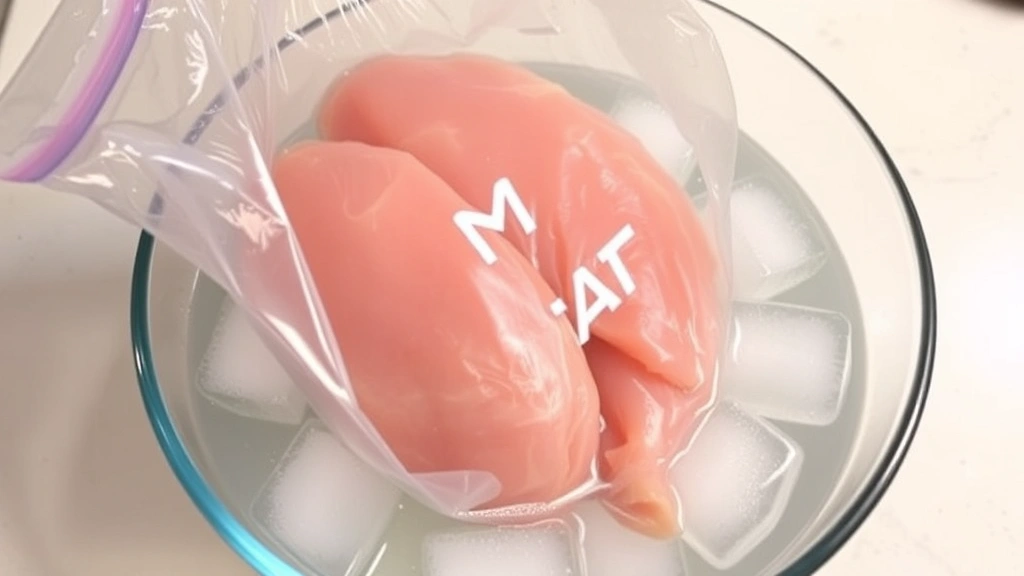
If you need your chicken thawed in under an hour, the cold water method is your best friend. This technique is surprisingly effective and remains one of the most reliable ways to defrost poultry quickly while keeping it safe to eat.
Here’s exactly how it works: Place your frozen chicken in a leak-proof bag (zip-lock bags work perfectly) and submerge it completely in a bowl or sink filled with cold water. The key word here is cold—we’re talking around 40°F or below. Room temperature or warm water will encourage bacterial growth, defeating the entire purpose of this method.
Change the water every 30 minutes. This constant refreshing keeps the temperature consistently cold and speeds up the thawing process. A typical pound of chicken will thaw in about an hour using this method, though thicker pieces or larger portions may need 2-3 hours.
Why does this work so well? Water conducts heat much faster than air, which is why this method outpaces leaving chicken on your countertop. The continuous water changes prevent the outer edges from warming into the danger zone where bacteria thrives.
Pro tip: Fill your sink with cold water and ice if you’re thawing multiple pieces or a large bird. This maintains a consistently cold temperature without requiring as many water changes. You can also use a large cooler if you’re dealing with substantial quantities.
Microwave Thawing: When You’re Really in a Hurry
Sometimes you need chicken thawed in minutes, not hours. Your microwave can do this, but it requires attention and specific technique to avoid partially cooking the outer edges while the center remains frozen.
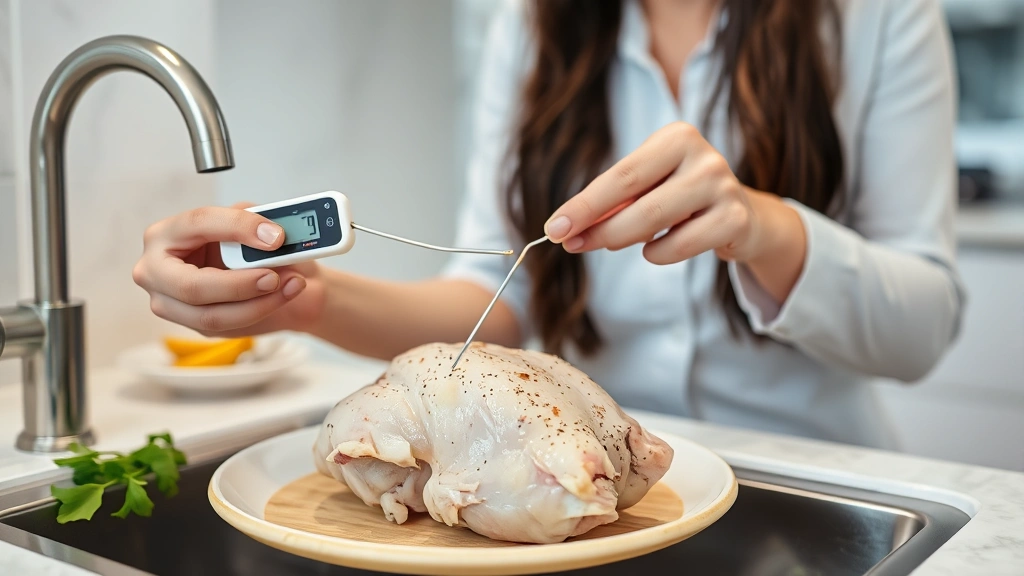
Place your chicken on a microwave-safe plate and use the defrost setting (usually 30% power). Microwave in 2-minute intervals, rotating and checking the chicken after each cycle. This prevents hot spots and uneven thawing. A typical pound of chicken breast will thaw in 5-10 minutes using this method.
The challenge with microwave thawing is that the outer portions start cooking before the interior fully defrosts. You’ll need to monitor closely and be prepared to cook the chicken immediately afterward. This method works best for thin cuts like chicken breasts or cutlets rather than whole birds or thick thighs.
Here’s a practical approach: thaw using the microwave until the chicken is mostly defrosted but still slightly icy in the center, then finish the process with cold water. This hybrid method gives you speed without the risk of uneven cooking.
Why Room Temperature Thawing Is a No-Go
Let’s address the elephant in the room: leaving chicken on your counter to thaw. It’s tempting, it requires zero effort, and it’s absolutely something you shouldn’t do.
The USDA is clear on this point—thawing chicken at room temperature allows the outer portions to reach temperatures between 40°F and 140°F, the ideal breeding ground for bacteria like Salmonella and Campylobacter. Even though the center might still be frozen, the exterior could be harboring dangerous pathogens.
The timing works against you too. Depending on the size of your chicken, room temperature thawing can take 4-8 hours, which is actually slower than the cold water method and far less safe. You’re not saving time—you’re just risking your health.
If you’ve already started thawing chicken at room temperature, don’t panic. As long as it’s been less than 2 hours and the chicken still feels cold, you can immediately move it to the cold water method or refrigerator to safely complete the process.
The Sous Vide Approach for Perfect Results
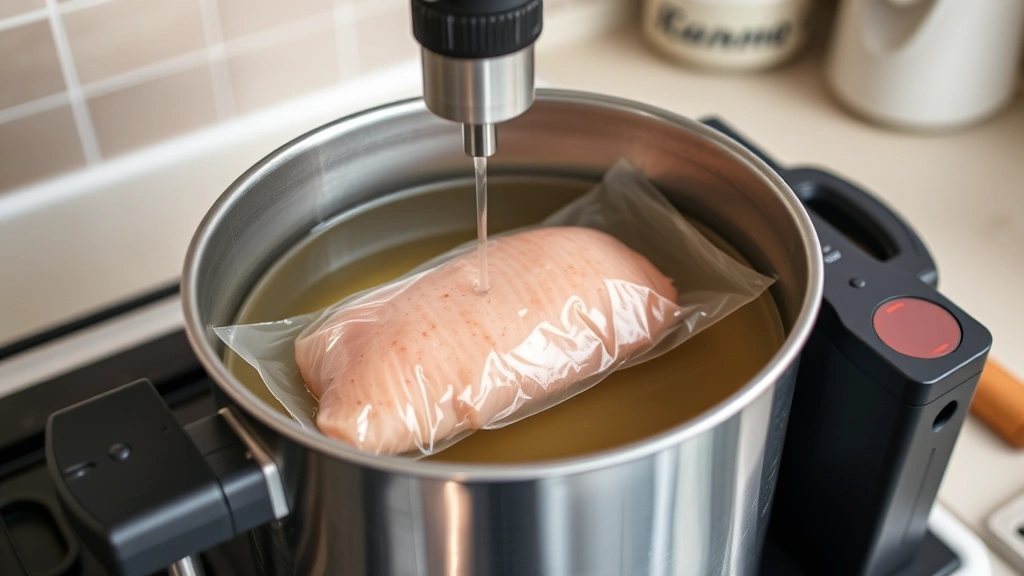
If you own a sous vide machine (also called an immersion circulator), you have an excellent thawing tool at your disposal. This method is particularly useful because it not only thaws your chicken but can simultaneously begin the cooking process.
Set your sous vide to 140°F and place your sealed chicken in the water bath. The precise temperature control prevents bacterial growth while the circulating water ensures even, rapid thawing. Most chicken pieces will thaw in 30-45 minutes, and you can transition directly to your desired cooking temperature without removing the bag.
The real advantage here is quality. Unlike microwave thawing or prolonged cold water exposure, sous vide maintains the chicken’s moisture and texture throughout the process. Professional kitchens have embraced this method for a reason—it delivers consistent, superior results.
Even if you’re not planning to cook sous vide, you can thaw using this method and then remove the chicken for conventional cooking. The precision temperature control makes it one of the safest and most reliable options available.
Planning Ahead: The Refrigerator Method
The safest method for thawing chicken is also the slowest, but it’s worth mentioning because it’s foolproof and requires virtually no monitoring. If you can plan ahead, refrigerator thawing is the gold standard.
Transfer your frozen chicken to the refrigerator and allow it to thaw slowly at a constant 40°F. A pound of chicken will take about 24 hours, while a whole bird might need 2-3 days depending on size. The chicken remains in the safe temperature zone throughout, preventing any bacterial growth.
The bonus? Thawed chicken keeps in the refrigerator for 1-2 days after thawing, giving you flexibility. You can thaw on Monday and cook on Wednesday if your plans change. This method also preserves texture and moisture better than faster techniques.
If you’re planning meals strategically, move your chicken from freezer to fridge the night before cooking. This approach eliminates stress and guarantees food safety without any special equipment or technique required.
Can You Cook Chicken Straight from Frozen?
Here’s something that surprises many home cooks: yes, you can cook chicken directly from frozen. It’s not ideal for every application, but it’s definitely possible and completely safe if done correctly.
The catch? Cooking time increases significantly—typically by 50% or more. A chicken breast that normally takes 20 minutes will need 30-35 minutes when frozen. You’ll also need to ensure it reaches an internal temperature of 165°F, which requires a meat thermometer to verify.
Baking and boiling work well for frozen chicken. Grilling and pan-searing are more challenging because the exterior can overcook before the interior thaws. If you’re looking to boil chicken breast, frozen pieces will cook through, though timing becomes less predictable.
For most recipes, particularly those involving shredded chicken for soups, casseroles, or salads, cooking from frozen is entirely practical. The extended cooking time allows thorough thawing and cooking simultaneously.
Best Practices for Food Safety
Regardless of which thawing method you choose, follow these essential food safety guidelines:
- Keep it cold: Never thaw chicken at room temperature. Always use cold water, refrigeration, or a microwave set to defrost.
- Separate from other foods: Thaw chicken in a container or bag to prevent raw juices from dripping onto other foods in your refrigerator.
- Cook immediately: After thawing using cold water or microwave methods, cook the chicken right away. Don’t let it sit around.
- Use a meat thermometer: Ensure your chicken reaches 165°F in the thickest part. Visual cues can be deceiving.
- Don’t refreeze: Once thawed using cold water or microwave methods, don’t refreeze without cooking first. Refrigerator-thawed chicken can be refrozen if uncooked.
- Trust your senses: If chicken smells off, looks discolored, or feels slimy, discard it. Better safe than sorry.
For a comprehensive look at all your thawing options, check out our complete guide on how to defrost chicken and the specialized approach for defrosting chicken fast.
The USDA provides excellent resources on safe food handling practices. Their chicken safety guidelines cover thawing, storage, and cooking temperatures in detail.
Consider checking out Family Handyman’s practical guide for additional tips from experienced home cooks.
Frequently Asked Questions
How long does it take to thaw chicken in cold water?
The cold water method typically takes 1-2 hours for chicken breasts or individual pieces, and 2-3 hours for larger cuts or multiple pieces. Changing the water every 30 minutes speeds up the process. A whole chicken might need 4-8 hours depending on size.
Is it safe to thaw chicken in warm water?
No, warm water is not safe for thawing chicken. It allows the outer portions to reach temperatures where bacteria can multiply rapidly. Always use cold water (below 40°F) or other approved thawing methods.
Can I thaw chicken in the sink with running water?
Yes, this is actually an efficient method. Running cold water continuously thaws chicken quickly while maintaining safe temperatures. This works particularly well for a single chicken breast or small pieces. Just ensure the water stays cold.
What’s the fastest way to thaw chicken?
The cold water method is the fastest safe option, typically thawing chicken in 1-3 hours. Microwave thawing is quicker (5-10 minutes for thin pieces) but requires immediate cooking afterward. For the absolute fastest results with quality maintained, sous vide at 140°F is unbeatable.
Can I cook frozen chicken in a slow cooker?
Cooking frozen chicken in a slow cooker is controversial. While technically possible, it’s safer to thaw first. If you do cook from frozen, ensure it reaches 165°F and use a longer cooking time. The USDA recommends thawing before slow cooking for food safety.
How do I know when chicken is fully thawed?
Chicken is fully thawed when it’s completely soft and flexible with no icy sections remaining. You should be able to easily insert a knife through the thickest part without resistance. For whole birds, check the thigh joint—it should bend freely.
Is thawed chicken safe if it was left out overnight?
No. If chicken was left at room temperature for more than 2 hours (or 1 hour if above 90°F), it should be discarded. Bacteria can multiply to dangerous levels in that timeframe, and the chicken isn’t safe to eat even if recooked.
Can I refreeze thawed chicken?
If chicken was thawed in the refrigerator and remains cold, it’s safe to refreeze without cooking. However, if thawed using cold water or microwave methods, cook the chicken first before refreezing. Refrozen chicken will have texture changes but remains safe to eat.
What’s the difference between thawing and defrosting?
Thawing and defrosting are essentially the same process—bringing frozen chicken to a temperature where it’s no longer solid. The terms are used interchangeably in cooking and food safety contexts.
Why does my thawed chicken smell strong?
Some odor when thawing is normal due to released moisture and bacterial activity. However, if the smell is strong, sour, or unpleasant, the chicken has likely spoiled and should be discarded. Trust your nose—it’s a reliable indicator of food safety.

Related Posts

How Long to Boil Lobster Tails: Cooking Guide

How Long to Fly from New York to London? Travel Times
