
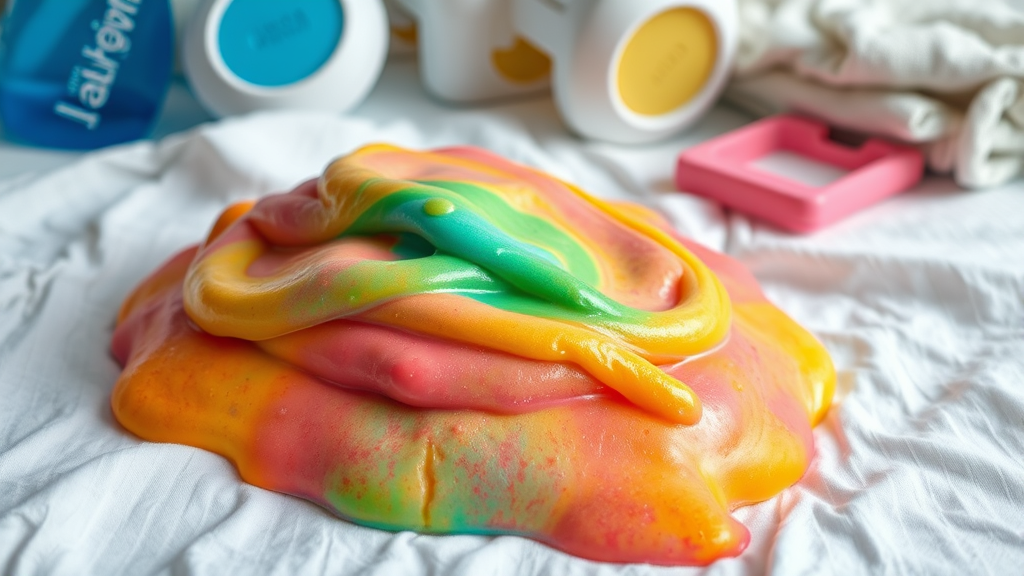
Remove Slime from Clothes Quickly and Easily: Proven Techniques
Dealing with slime stuck to clothing can be frustrating, especially when it seems impossible to remove. Whether it’s from a fun craft project gone wrong or an accidental encounter with store-bought slime, these sticky substances can leave parents and kids feeling defeated. The good news is that removing slime from clothes is entirely possible with the right techniques and household items.
Understanding how to get slime out of clothes effectively requires knowing the composition of slime and which removal methods work best for different fabric types. Most slimes contain polymers, water, and various additives that create their stretchy, gooey texture. By targeting these components with specific removal techniques, you can successfully restore your clothing to its original condition without causing damage to the fabric.
Immediate Action Steps
The moment you discover slime on clothing, resist the urge to immediately wash it or rub it vigorously. These actions can actually make the situation worse by spreading the slime deeper into the fabric fibers or setting it permanently. Instead, allow the slime to dry completely if it’s still wet. Fresh, wet slime is much more difficult to remove and tends to smear across larger areas of fabric.
Once the slime has dried, gently scrape off as much of the excess material as possible using a dull knife, spoon, or plastic scraper. Work from the outside edges of the stain toward the center to prevent spreading. Be careful not to damage delicate fabrics during this process. For stubborn pieces, you can use your fingernails to carefully pick off larger chunks, but avoid aggressive scraping that might damage the fabric weave.
Before applying any cleaning solution, check the care label on your garment to understand any specific washing requirements or restrictions. Some fabrics may require special treatment or professional cleaning, and it’s important to know these limitations before proceeding with home removal methods.
The Freezing Method
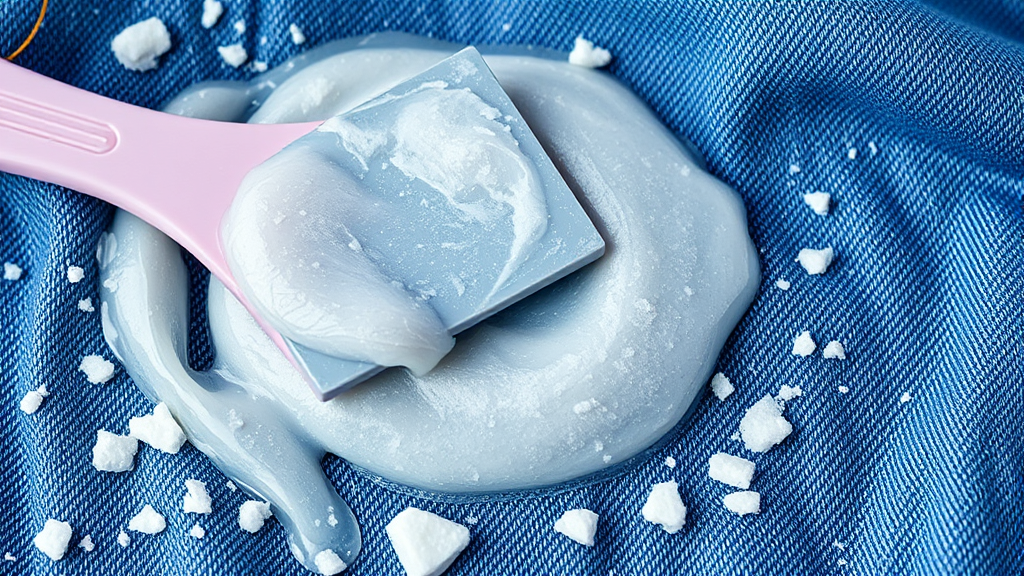
The freezing method is one of the most effective and gentle approaches for removing slime from clothing. This technique works by hardening the slime, making it brittle and easier to remove without spreading or damaging the fabric. Place the affected garment in a plastic bag and put it in the freezer for at least two hours, or until the slime becomes completely hard and brittle.
Once frozen, remove the garment and immediately begin scraping off the hardened slime using a dull knife or plastic scraper. The slime should crack and flake off in pieces. Work quickly while the slime remains frozen, as it will become soft and sticky again as it warms up. For particularly stubborn areas, you can apply ice cubes directly to the slime to keep it frozen while you work.
After removing the bulk of the frozen slime, you may notice some residue remaining in the fabric. This is normal and can be addressed using one of the liquid cleaning methods described in the following sections. The freezing method is particularly effective for synthetic slimes and works well on most fabric types, similar to techniques used when learning how to get oil out of clothes.
White Vinegar Technique
White vinegar is a powerful and natural solution for breaking down slime residue that remains after the initial removal process. The acetic acid in vinegar helps dissolve the polymers in slime while being gentle enough for most fabrics. Create a solution using equal parts white vinegar and warm water in a bowl or spray bottle.
Apply the vinegar solution generously to the affected area and let it sit for 10-15 minutes. The acid will begin breaking down the slime’s molecular structure, making it easier to remove. For particularly stubborn stains, you can use undiluted white vinegar, but test it on an inconspicuous area first to ensure it won’t affect the fabric’s color or texture.
After the solution has had time to work, use an old toothbrush or soft-bristled brush to gently scrub the area in circular motions. You should see the remaining slime residue begin to lift from the fabric. Rinse the area thoroughly with cold water, then launder the garment as usual. The vinegar smell will disappear during the washing process, leaving your clothes fresh and slime-free.
Dish Soap and Warm Water Approach
Liquid dish soap is another excellent option for removing slime residue, particularly because it’s designed to break down sticky, greasy substances. Choose a clear, mild dish soap without added moisturizers or fragrances, as these additives can sometimes leave their own residue on fabric. Mix one tablespoon of dish soap with two cups of warm water to create an effective cleaning solution.
Soak the affected area in the soapy solution for 15-20 minutes, allowing the surfactants in the dish soap to penetrate and break down the slime. Gently work the solution into the fabric using your fingers or a soft brush, focusing on areas where slime residue is most visible. The warm water helps activate the cleaning agents while making the remaining slime more pliable and easier to remove.
After soaking and gentle agitation, rinse the area thoroughly with cool water to remove both the soap and loosened slime particles. Check to ensure all residue has been removed before laundering. If any slime remains, repeat the process or try combining this method with the vinegar technique for enhanced effectiveness. This approach works well for various stain types, much like methods for removing how to get pen ink out of clothes.
Rubbing Alcohol Solution
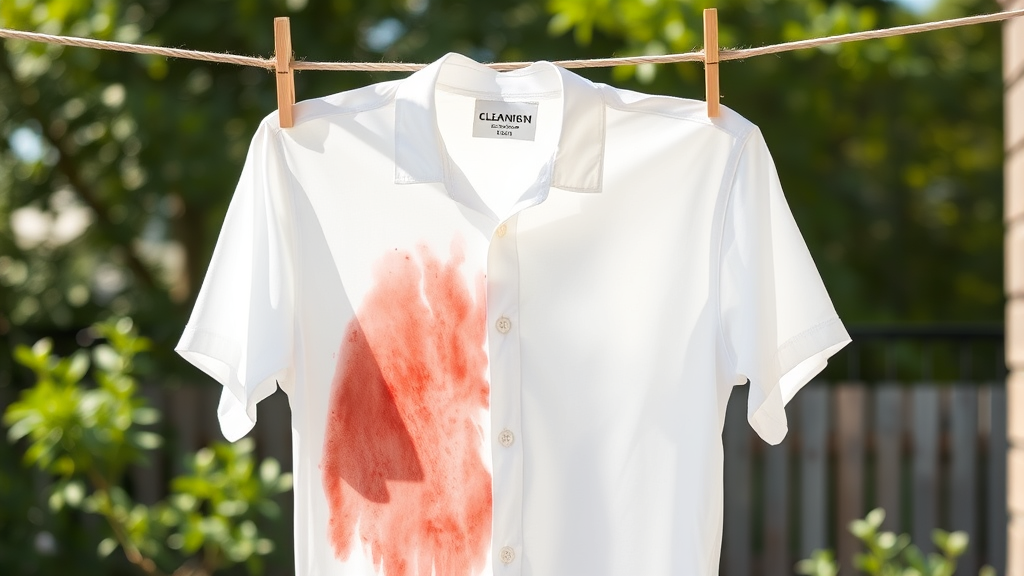
Rubbing alcohol (isopropyl alcohol) is particularly effective against slimes that contain glue or other adhesive components. The alcohol breaks down these binding agents while evaporating quickly, reducing the risk of water damage to delicate fabrics. Use 70% isopropyl alcohol for best results, as higher concentrations may be too harsh for some materials.
Apply the rubbing alcohol directly to the slime residue using a cotton ball or clean cloth. Dab rather than rub to prevent spreading the stain. Allow the alcohol to sit on the affected area for 5-10 minutes, giving it time to dissolve the slime’s adhesive properties. You may notice the residue beginning to loosen and lift from the fabric fibers.
Use a clean, damp cloth to blot away the dissolved slime and alcohol. Work from the outside of the stain toward the center to prevent spreading. Repeat the process if necessary, then rinse the area with cold water and launder as usual. This method is particularly useful for slimes made with traditional white glue, though it also works well for store-bought varieties. Understanding different slime compositions can help, especially if you’re familiar with how to make slime without glue.
Fabric-Specific Considerations
Different fabric types require varying approaches when removing slime to prevent damage while ensuring effective cleaning. Cotton and cotton blends are generally the most forgiving fabrics and can handle most removal methods, including the freezing technique, vinegar solutions, and dish soap treatments. These fabrics can typically withstand more aggressive scrubbing and higher temperatures during the cleaning process.
Synthetic fabrics like polyester, nylon, and acrylic respond well to the freezing method and rubbing alcohol treatment. However, be cautious with heat-based removal methods, as synthetic materials can melt or become damaged at high temperatures. Always test cleaning solutions on an inconspicuous area first, as some synthetic dyes may be sensitive to certain chemicals.
Delicate fabrics such as silk, wool, and cashmere require extra care and gentler approaches. For these materials, stick to the freezing method for initial removal, followed by very dilute vinegar solutions or professional cleaning. Avoid rubbing alcohol on wool, as it can cause shrinkage or texture changes. When in doubt, consult a professional dry cleaner, especially for expensive or sentimental garments.
Denim and heavy cotton fabrics can handle more intensive cleaning methods, including the use of old toothbrushes for scrubbing and stronger concentrations of cleaning solutions. However, be aware that aggressive scrubbing can cause fading or wear patterns in denim, so work carefully around visible areas of the garment.
Prevention and Storage Tips
Preventing slime accidents is often easier than dealing with removal after the fact. When engaging in slime-making activities, encourage children to wear old clothes or aprons specifically designated for crafts. Set up slime play areas away from carpeted spaces and provide adequate workspace coverings like plastic tablecloths or newspaper.
Proper slime storage is crucial for preventing accidental spills and clothing contact. Store homemade and commercial slimes in airtight containers, clearly labeled and kept in designated areas away from clothing and upholstery. Teach children to wash their hands thoroughly after playing with slime to prevent transfer to clothing through casual contact.
Consider the timing of slime activities, avoiding play right before bedtime or meals when children might be more likely to accidentally get slime on their clothes. Having dedicated “slime clothes” that children can change into for these activities eliminates the worry about damaging good clothing while still allowing for creative fun.
Regular maintenance of your washing machine is also important when dealing with slime residue, as particles can sometimes remain in the machine and transfer to other clothes. Learn how to clean washing machine properly to prevent cross-contamination. Additionally, understanding how to clean a washing machine thoroughly ensures your appliance remains in optimal condition for handling various stain removal challenges.
Frequently Asked Questions
Can I put slime-covered clothes directly in the washing machine?
No, you should never put slime-covered clothes directly in the washing machine without pre-treatment. The agitation and water can spread the slime to other garments and potentially clog your machine’s drain system. Always remove as much slime as possible and pre-treat the stain using one of the methods described above before machine washing.
What should I do if the slime has been on the clothes for several days?
Older, set-in slime stains are more challenging but not impossible to remove. Start with the freezing method to remove as much hardened slime as possible, then use a combination of treatments. You may need to repeat the vinegar or dish soap method multiple times. For very old stains, consider soaking the garment overnight in a vinegar solution before attempting removal.
Are there any fabrics that cannot be treated with these methods?
Very delicate fabrics like silk, vintage clothing, or garments with special finishes should be treated with extreme caution. When in doubt, consult a professional dry cleaner. Leather, suede, and fur require specialized cleaning and should never be treated with water-based solutions. According to the Federal Trade Commission, professional cleaning is often the safest option for valuable or delicate items.
Can I use hot water to remove slime?
Avoid using hot water during the initial removal process, as it can set protein-based slime components permanently into the fabric, similar to how heat sets egg or blood stains. Always use cold or lukewarm water for rinsing and initial treatment. Hot water can be used during the final laundry cycle after all visible slime has been removed.
Will these methods work on glitter slime or butter slime?
Yes, these methods work on specialty slimes, though they may require additional steps. Glitter slime might leave sparkly residue that needs extra rinsing, while butter slime (which contains clay or lotion) may require longer soaking times with dish soap to break down the additional ingredients. The basic removal principles remain the same regardless of slime type.
How do I know if all the slime is completely removed?
After treatment, the fabric should feel normal to the touch without any sticky or stiff areas. Visual inspection should show no remaining residue or discoloration. Run your hand over the treated area – it should feel the same as the surrounding fabric. If you notice any remaining tackiness, repeat the cleaning process before laundering.
What if the slime removal method damages my clothing?
If you notice color fading, texture changes, or other damage during treatment, stop immediately and rinse the area thoroughly with cold water. For valuable garments, document the damage and consult a professional cleaner. Prevention is key – always test cleaning solutions on hidden areas first, and consider professional help for expensive items. The University of Minnesota Extension provides additional guidance on safe stain removal practices.

Related Posts

How Long to Boil Lobster Tails: Cooking Guide

How Long to Fly from New York to London? Travel Times
