
Banish Stink Bugs for Good: Proven Strategies for Homeowners
Stink bugs have become one of the most frustrating household pests for homeowners across the United States. These shield-shaped insects not only invade homes in large numbers during fall months but also release their signature foul odor when disturbed or crushed. What makes stink bugs particularly challenging is their ability to overwinter in wall voids, attics, and other protected spaces, emerging in spring to restart their lifecycle and continue plaguing homeowners.
Understanding how to effectively eliminate and prevent stink bugs requires a comprehensive approach that combines immediate removal techniques with long-term prevention strategies. Unlike other common household pests such as ants or spiders, stink bugs present unique challenges due to their seasonal behavior patterns and their tendency to aggregate in large groups. This guide will provide you with proven, practical strategies to banish stink bugs from your home permanently.
Understanding Stink Bug Behavior and Biology
The brown marmorated stink bug (Halyomorpha halys) is the most common species invading homes across North America. These insects are native to Asia but were first detected in the United States in the 1990s. According to the Environmental Protection Agency, stink bugs have now established populations in 47 states, making them a widespread concern for homeowners.
Stink bugs follow a predictable seasonal pattern that homeowners can use to their advantage. During spring and summer months, they feed on plants, fruits, and vegetables outdoors. As temperatures begin to drop in late summer and early fall, stink bugs seek warm, protected places to overwinter. This is when they become a serious household problem, often entering homes through small cracks, gaps, and openings.
The insects are particularly attracted to the south and west-facing sides of buildings, which receive more sunlight and warmth during cooler months. They can squeeze through remarkably small openings – gaps as narrow as the thickness of a credit card can provide entry points. Once inside, they enter a state called diapause, similar to hibernation, remaining dormant until spring temperatures trigger their activity again.
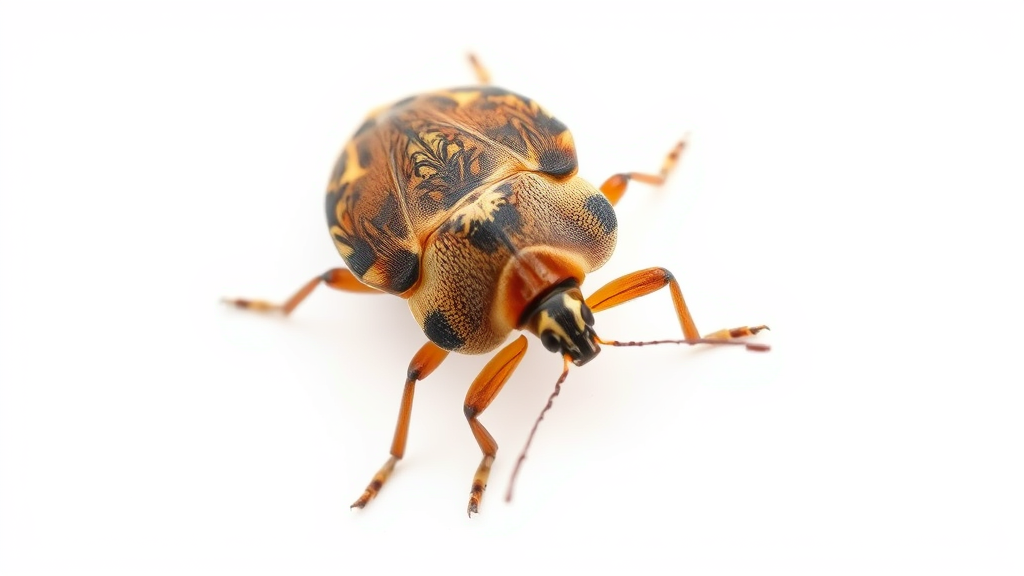
Understanding their biology is crucial for effective control. Adult stink bugs are approximately 3/4 inch long and have a distinctive shield shape. They possess piercing-sucking mouthparts designed for feeding on plant juices, and their most notorious feature is the ability to release a pungent odor from special glands when threatened or crushed.
Identifying Stink Bug Infestations
Early detection of stink bug activity is essential for preventing large-scale infestations. The most obvious sign is seeing the bugs themselves, particularly around windows, doors, and light fixtures during fall months. Unlike other insects that might be confused with stink bugs, these pests have several distinctive characteristics that make identification straightforward.
Visual identification involves looking for their characteristic brown, mottled coloration and shield-shaped body. They have six legs, straight antennae with light-colored bands, and smooth shoulders. When viewed from above, they appear almost perfectly triangular. The brown marmorated stink bug specifically has alternating light and dark bands on its antennae and a white or pale underside with gray, black, or blue markings.
Beyond visual sightings, homeowners should watch for other indicators of infestation. Dead stink bugs accumulating around windows and doors suggest an established population trying to enter or exit the home. The characteristic odor, described as resembling cilantro or rotting vegetables, may be noticeable in areas where bugs have been crushed or are present in large numbers.
Staining on walls, curtains, or fabrics can also indicate stink bug activity. When crushed, these insects can leave behind brown or yellow stains that are difficult to remove. Additionally, homeowners might notice increased activity during warm winter days when temperatures rise enough to temporarily activate dormant bugs.
Immediate Removal Techniques
When dealing with active stink bug infestations, immediate removal requires careful techniques to avoid triggering their defensive odor release. The most important rule is never to crush stink bugs, as this will release their pungent scent and potentially attract more bugs to the area through chemical signals.
The vacuum cleaner method is highly effective for immediate removal of visible bugs. Use a shop vacuum or regular household vacuum with a disposable bag or easily cleaned canister. Vacuum up the bugs and immediately dispose of the contents in a sealed plastic bag. Some experts recommend placing a knee-high stocking inside the vacuum hose before attachment to create a barrier that can be tied off and removed without bugs escaping back into the vacuum.
For individual bugs, use the tissue and flush method. Gently capture the bug with a tissue, ensuring not to squeeze it, and flush it down the toilet. This prevents odor release and ensures the bug cannot return. Some homeowners prefer using a wide-mouth jar to trap individual bugs, sliding a piece of cardboard underneath to capture them without direct contact.
Soapy water traps work well for areas with multiple bugs. Fill a large bowl or container with soapy water and place it under a light source where bugs congregate. The bugs will fall into the water and drown. This method is particularly effective during evening hours when stink bugs are attracted to indoor lighting.
Prevention and Exclusion Strategies
The most effective long-term strategy for stink bug control involves preventing their entry in the first place. Exclusion techniques focus on sealing potential entry points before bugs begin seeking overwintering sites in late summer and early fall.
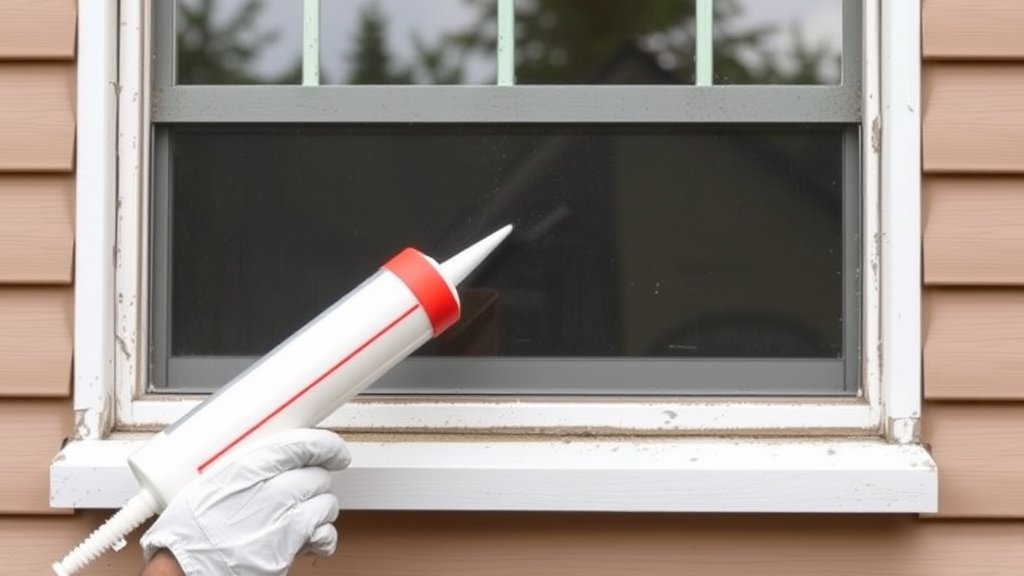
Conduct a thorough inspection of your home’s exterior, paying special attention to areas where different materials meet, such as siding and foundations, or around windows and doors. Use high-quality caulk to seal cracks and gaps smaller than 1/4 inch. For larger openings, use expanding foam or appropriate filler materials before applying caulk as a finishing seal.
Weather stripping around doors and windows requires regular inspection and replacement. Even small gaps can provide entry points for stink bugs. Install or repair damaged weather stripping, ensuring tight seals when doors and windows are closed. Door sweeps are particularly important for exterior doors, especially those leading to basements, garages, or other less frequently used areas.
Ventilation systems need attention as well. Install fine mesh screens over attic vents, chimney caps, and other openings. Check that existing screens are intact and properly secured. Dryer vents, bathroom exhaust fans, and kitchen range hood vents should all have properly fitting covers or screens.
Similar to strategies used for controlling carpenter ants or carpenter bees, exterior maintenance plays a crucial role in prevention. Trim vegetation away from the house, particularly plants that stink bugs favor for feeding. Remove weeds and tall grasses near the foundation, and consider replacing plants known to attract stink bugs with less appealing alternatives.
Natural and DIY Solutions
Many homeowners prefer natural methods for stink bug control, especially when dealing with these pests in areas where food is prepared or children and pets spend time. Essential oil-based deterrents have shown effectiveness in repelling stink bugs without harmful chemicals.
Mint oil sprays create an effective barrier against stink bugs. Mix 10 drops of peppermint essential oil with 16 ounces of water and a few drops of dish soap in a spray bottle. Apply this mixture around entry points, windowsills, and areas where bugs have been observed. Reapply weekly or after rain, as the oils will dissipate over time.
Garlic-based sprays offer another natural deterrent option. Blend 2 cups of water with 4 cloves of garlic, strain the mixture, and add it to a spray bottle. This solution can be applied to exterior surfaces where bugs typically gather, though it requires more frequent reapplication than commercial products.
Diatomaceous earth (food-grade only) can be applied around the perimeter of the home as a physical barrier. This fine powder damages the exoskeletons of insects that crawl through it, though it must be reapplied after moisture exposure and may take time to show effects.
Beneficial insects and natural predators can help control outdoor stink bug populations before they become indoor problems. Encouraging birds, spiders, and other predatory insects in your garden ecosystem can reduce the overall stink bug population around your home. This natural approach works similarly to biological controls used for gnats and other flying insects.

Chemical Treatment Options
When natural methods prove insufficient, chemical treatments can provide more robust control of stink bug infestations. The University of Maryland Extension provides detailed guidance on appropriate chemical controls for homeowner use.
Pyrethroid-based insecticides are among the most effective chemical treatments for stink bugs. Products containing bifenthrin, permethrin, or cyfluthrin can be applied as barrier treatments around the home’s perimeter. These chemicals provide residual activity, continuing to kill bugs for several weeks after application when applied according to label directions.
Dust formulations work well for treating wall voids, attics, and other spaces where bugs overwinter. Boric acid dust or pyrethroid dust can be applied to these areas using a hand duster or bulb applicator. These treatments are particularly effective because they remain active for extended periods in dry environments.
Contact sprays provide immediate knockdown of visible bugs but offer limited residual control. These products are useful for treating active infestations but should be combined with barrier treatments for comprehensive control. Always read and follow all label instructions, and consider the impact on beneficial insects when applying any chemical treatments.
Aerosol insecticides designed specifically for cracks and crevices can target bugs hiding in wall voids or other inaccessible areas. These products often come with extension tubes that allow precise application to specific areas without broadcasting chemicals throughout living spaces.
When to Call Professional Pest Control
Certain situations warrant professional pest control intervention rather than continued DIY efforts. Large-scale infestations involving hundreds or thousands of bugs typically require professional-grade equipment and expertise to achieve effective control.
Professional pest control operators have access to more potent formulations and application equipment that homeowners cannot purchase. They can also safely treat hard-to-reach areas such as wall voids, attic spaces, and exterior surfaces at significant heights. Many professionals use power sprayers that can achieve better coverage and penetration than homeowner equipment.
Repeated infestations despite comprehensive DIY efforts suggest the need for professional assessment. Pest control professionals can identify entry points and conducive conditions that homeowners might miss. They can also determine if the problem involves multiple pest species, as stink bugs sometimes occur alongside other overwintering insects.
Professional services become particularly valuable when stink bugs have established overwintering sites within wall construction. These situations often require specialized treatment techniques and may need monitoring over several seasons to achieve complete elimination. Similar to professional treatment for drain flies or other persistent pests, expert intervention can save time and ensure more effective results.
Safety concerns also justify professional treatment, particularly when dealing with multi-story homes, steep roofs, or situations requiring treatment of electrical equipment areas. Professionals have appropriate safety equipment and training to handle these challenging situations safely.
Long-term Management and Monitoring
Successful stink bug control requires ongoing vigilance and seasonal maintenance rather than one-time treatments. Developing a comprehensive management plan helps prevent future infestations and reduces the severity of any problems that do develop.
Seasonal monitoring involves regular inspections during key periods of stink bug activity. Begin monitoring in late summer (August-September) when bugs start seeking overwintering sites. Check the exterior of your home weekly during this period, paying attention to sunny, warm sides of the building where bugs typically aggregate.
Maintain detailed records of where and when you observe stink bug activity. This information helps identify patterns and problem areas that need additional attention. Note which treatments proved most effective and any areas where bugs successfully entered the home.
Annual maintenance schedules should include inspection and renewal of exclusion measures. Check caulking, weather stripping, and screens each spring and fall, repairing any damage discovered. Consider this maintenance as essential as other home upkeep tasks like gutter cleaning or HVAC filter replacement.
Landscape management plays an ongoing role in stink bug control. Monitor plants around your home for stink bug feeding damage and consider replacing particularly attractive species with less appealing alternatives. Maintain vegetation trimmed away from the house and remove debris that could provide additional overwintering sites.
Integration with overall pest management strategies helps create a comprehensive approach to home protection. Many of the exclusion and sanitation practices that control stink bugs also help prevent other insects, creating synergistic benefits for overall pest control efforts.
Frequently Asked Questions
Why do I have so many stink bugs in my house during fall and winter?
Stink bugs enter homes during fall to find protected overwintering sites. They’re attracted to the warmth and shelter your home provides and can enter through surprisingly small cracks and gaps. Once inside, they remain dormant until spring temperatures activate them again. The problem often seems worse during warm winter days when dormant bugs temporarily become active.
What’s the best way to remove stink bugs without making them smell?
Never crush stink bugs, as this releases their defensive odor. Instead, use a vacuum cleaner to remove them quickly, then dispose of the vacuum contents in a sealed plastic bag. For individual bugs, gently capture them with tissue paper and flush them down the toilet. Soapy water traps also work well for multiple bugs without triggering odor release.
Do stink bugs cause damage to my home like termites or carpenter ants?
No, stink bugs do not cause structural damage to homes. They don’t chew wood, damage fabrics, or harm building materials. Their primary issues are the nuisance factor, potential staining if crushed, and the unpleasant odor they can produce. However, large numbers can be overwhelming and create sanitation concerns in living spaces.
When is the best time to treat for stink bugs?
The most effective treatment timing is late summer (August-September) before bugs begin seeking overwintering sites. Barrier treatments applied during this period can prevent bugs from entering your home. Spring treatments (April-May) can help eliminate bugs as they become active and attempt to exit homes to resume outdoor activities.
Are stink bug infestations getting worse each year?
According to the USDA, stink bug populations have been expanding across the United States since their introduction. Climate change and the lack of natural predators in North America contribute to increasing populations in many areas. However, integrated pest management approaches can effectively control them at the individual property level.
Can I use the same methods for stink bugs that work for other insects?
Some methods overlap, but stink bugs require specific approaches due to their seasonal behavior and odor-producing ability. While exclusion techniques work for most pests, stink bugs’ ability to overwinter in homes and their strong attraction to warm, south-facing surfaces require targeted strategies. The vacuum removal method is particularly important for stink bugs due to their odor defense mechanism.
Do natural repellents really work against stink bugs?
Natural repellents like essential oil sprays can provide some deterrent effect, particularly mint and citrus-based products. However, they typically require frequent reapplication and may not be sufficient for heavy infestations. Natural methods work best as part of an integrated approach combined with exclusion techniques and other control measures. They’re most effective as preventive treatments rather than solutions for existing infestations.

Related Posts

How Long to Boil Lobster Tails: Cooking Guide

How Long to Fly from New York to London? Travel Times
