
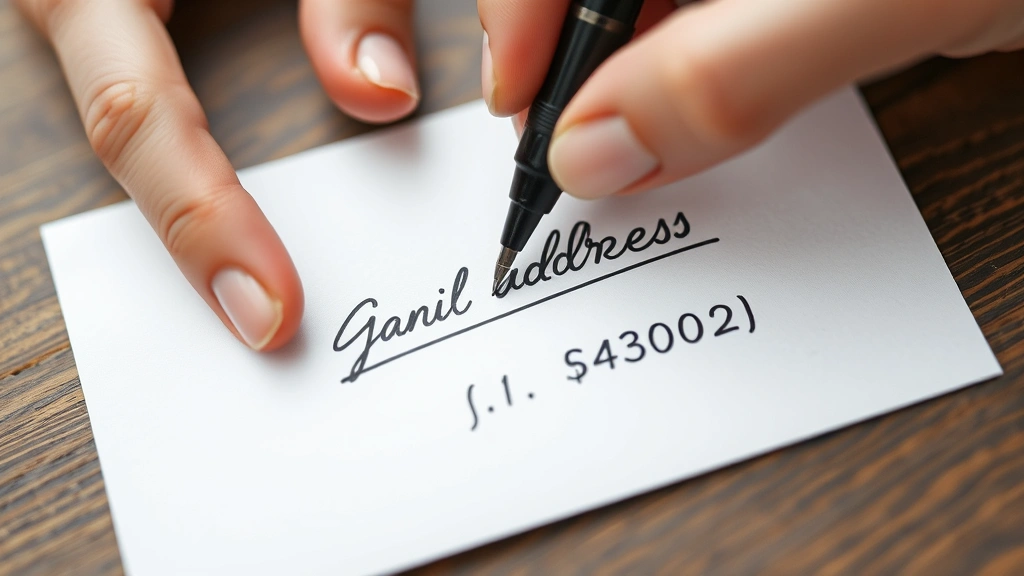
How to Address Envelopes? Expert Tips Inside
How to Address Envelopes: Expert Tips Inside
Addressing an envelope correctly might seem like a simple task, but it’s an essential skill that ensures your mail reaches its destination promptly and professionally. Whether you’re sending wedding invitations, business correspondence, or personal letters, knowing how to write in envelope address properly demonstrates respect for both the recipient and the postal service. Poor addressing can lead to delayed delivery, returned mail, or worse—your letter never arriving at all.
In today’s digital world, the art of proper envelope addressing has become somewhat of a lost skill. Many people rush through this step without understanding the postal service requirements that make mail delivery efficient and reliable. This comprehensive guide will walk you through every aspect of addressing envelopes correctly, from formatting rules to special considerations for different types of mail.
Understanding USPS Address Format Standards
The United States Postal Service (USPS) has established specific guidelines for addressing envelopes to ensure efficient sorting and delivery. Understanding these standards is crucial for anyone who regularly mails letters. The USPS uses optical scanning technology to read addresses, which means your formatting must be precise and legible.
According to USPS official guidelines, addresses should be written in a specific format with particular spacing and capitalization rules. The standard format includes the recipient’s name, street address, city, state, and ZIP code. Each element should be placed on its own line, with the city, state, and ZIP code on the final line. All text should be in capital letters and printed or written in black or dark blue ink for optimal scanning.
The USPS recommends using a sans-serif font like Arial or Courier New when printing addresses, as these fonts are easier for scanning machines to read. The text size should be between 8 and 10 points, large enough to be easily readable but not so large that it looks unprofessional. When learning how to guides for various tasks, understanding postal standards is fundamental.
Preparing Your Envelope Properly
Before you even begin writing the address, you need to prepare your envelope correctly. Start by selecting an appropriate envelope size for your needs. Standard business envelopes are 4.125 by 9.5 inches, while personal correspondence typically uses smaller envelopes. Ensure your envelope is clean and undamaged, as torn or dirty envelopes can damage your mail’s appearance and potentially cause delivery issues.
Position your envelope in a consistent orientation—typically with the flap facing up and the address area facing you. Leave adequate margins around all edges, with at least 0.5 inches of space from the edges of the envelope. This margin ensures that postal sorting machines can properly scan the address without interference from envelope edges or decorative elements.
If you’re handwriting the address, use a pen rather than a pencil, as pencil can smudge and become illegible during mail handling. Black or dark blue ink provides the best contrast for both human reading and machine scanning. Write clearly and deliberately, taking your time to ensure each letter is distinct and properly formed.
Writing the Recipient Address
The recipient address is the most critical element of your envelope, as it determines whether your mail reaches the intended destination. Start with the recipient’s name on the first line. If addressing to a couple, write both names on the same line if space permits, or on two separate lines. For formal correspondence, use appropriate titles such as Mr., Mrs., Ms., or Dr.
On the second line, write the street address. Include the house number and street name, followed by any apartment or unit number. If the address includes a directional indicator (North, South, East, West), abbreviate it as N, S, E, or W. Common street abbreviations include St. for Street, Ave. for Avenue, Blvd. for Boulevard, and Ln. for Lane. However, the USPS prefers that you spell out these words in full on mail pieces.
The final line should contain the city, state, and ZIP code. Write the city name in full, followed by a comma, then the two-letter state abbreviation (NY for New York, CA for California, etc.), and finally the ZIP code. There should be one space between the state abbreviation and the ZIP code. For example: NEW YORK, NY 10001. If you have an extended ZIP+4 code, include it with a hyphen: 10001-1234.
When addressing envelopes for household items or personal deliveries, ensure the address is as specific as possible. Avoid abbreviating the recipient’s name, and include any relevant apartment or suite numbers to prevent delivery to the wrong unit in multi-unit buildings.
Adding Your Return Address
Your return address is essential for mail that cannot be delivered to the primary recipient. It ensures that undeliverable mail returns to you rather than being discarded. The return address should be placed in the upper left corner of the envelope, using the same formatting as the recipient address but in smaller text.
Include your full name, street address, city, state, and ZIP code in the return address. If you’re sending mail on behalf of a business, include the business name on the first line, followed by your name on the second line, then the street address and remaining information. For personal mail, simply use your name and address.
The return address should be clearly legible and positioned at least 0.5 inches from the left edge and 0.5 inches from the top edge of the envelope. If you’re printing addresses, ensure the return address is in the same font and size as the recipient address for consistency. Many people choose to use pre-printed return address labels for convenience and professional appearance.
Special Address Considerations
Certain situations require special attention when addressing envelopes. If you’re sending mail to someone in a nursing home, hospital, or residential facility, include the facility name and the person’s room or bed number if available. For mail going to a business address, include the company name on the first line, followed by the recipient’s name, then the street address.
When addressing mail to someone using a Post Office Box, write the box number instead of the street address. The format should be: PO BOX [number], [CITY], [STATE] [ZIP CODE]. Some postal facilities have specific requirements for PO Box addressing, so verify the exact format with your local post office if you’re unsure.
For mail going to rural addresses with no street number, write the recipient’s name on the first line and the route number and box number on the second line. For example: JOHN SMITH, ROUTE 5 BOX 42. Always include the city, state, and ZIP code on the final line, as this is essential for proper routing.
If you need to address envelopes for pest control services or home maintenance professionals, include detailed directions if your address is difficult to locate. Many delivery services appreciate additional information that helps them find the correct location quickly.
Addressing International Mail
Sending mail internationally requires additional formatting considerations beyond domestic addressing. The recipient’s address should be written in the language and format of the destination country when possible. However, the final line should include the country name in English capital letters.
For most international destinations, the format is: [RECIPIENT NAME], [STREET ADDRESS], [CITY AND POSTAL CODE], [COUNTRY]. Some countries use different postal code formats or address ordering conventions. Research the specific country’s addressing requirements before sending international mail.
When addressing international envelopes, avoid using abbreviations that might be misunderstood in other countries. Write out full address components and use the destination country’s official postal codes. Many countries have postal services similar to USPS, and their websites provide detailed addressing guidelines for international mail coming from the United States.
Include your return address in the upper left corner using the same international addressing format. This ensures that if the mail cannot be delivered, it can be returned to you. Some international packages may require customs forms or additional documentation, which should be securely attached to the envelope.
Using Envelopes for Business Correspondence
Business correspondence requires a more formal approach to envelope addressing. When writing to a business, include the recipient’s full name and title on the appropriate lines. If addressing to a department rather than an individual, write the department name followed by the company name.
For business mail, the format should be: [RECIPIENT NAME], [TITLE], [COMPANY NAME], [STREET ADDRESS], [CITY], [STATE] [ZIP CODE]. Ensure all information is accurate and current, as incorrect addresses can delay important business communications. If you’re unsure about the correct title or department for your recipient, verify this information before addressing the envelope.
Professional envelopes often feature pre-printed return addresses with company logos and contact information. If using blank envelopes, handwrite or print your company’s return address in the upper left corner. For formal business correspondence, consider using a professional envelope addressing service or printing addresses using a word processor for a polished appearance.
When maintaining professional standards in all correspondence, attention to detail in envelope addressing reflects positively on you and your organization. Take time to verify all address information and proofread before sending.
Common Mistakes to Avoid
Many people make preventable mistakes when addressing envelopes that can result in delayed or undelivered mail. One common error is using cursive handwriting, which can be difficult for postal scanning machines to read accurately. Always print clearly in capital letters or use a computer printer for optimal results.
Another frequent mistake is using incomplete addresses or abbreviating important information. Never abbreviate the recipient’s name or street type without understanding postal guidelines. Incomplete ZIP codes are particularly problematic, as mail cannot be properly sorted without a complete five-digit ZIP code or ZIP+4 code.
Placing the address in the wrong location on the envelope is also common. The recipient address must be in the lower right portion of the envelope, with the return address in the upper left corner. Placing addresses elsewhere can cause the postal service’s scanning equipment to misread or reject the mail.
Using colored ink, decorative fonts, or placing decorative elements over the address area can interfere with postal scanning. Keep the address area clear and use only black or dark blue ink for maximum readability. Additionally, avoid using labels or stickers that cover the address, as these can peel off during mail handling.
Some people forget to include the state abbreviation or ZIP code, assuming the city name is sufficient for delivery. However, postal sorting depends on the state and ZIP code, and omitting these elements can significantly delay delivery. Always include all required address components.
FAQ
What is the correct way to address an envelope?
The correct format is: [RECIPIENT NAME], [STREET ADDRESS], [CITY], [STATE] [ZIP CODE]. Write in capital letters, one line per address component, with the return address in the upper left corner. Use black or dark blue ink and ensure clear, legible handwriting or printing.
Should I use abbreviations when addressing envelopes?
While street type abbreviations (St., Ave., Blvd.) are technically acceptable, the USPS prefers these words spelled out in full. State abbreviations (NY, CA, TX) should always be used in their two-letter format. Never abbreviate the recipient’s name or city name.
Can I use a computer to print envelope addresses?
Yes, printing addresses using a computer is highly recommended. Use a sans-serif font like Arial or Courier New in 8-10 point size. Printed addresses are easier for postal scanning machines to read and appear more professional than handwritten addresses.
Where should the return address go on an envelope?
The return address should be placed in the upper left corner of the envelope, at least 0.5 inches from the top and left edges. Use the same format as the recipient address but in smaller text. This ensures undeliverable mail returns to you.
How should I address an envelope to a business?
For business mail, include the recipient’s name and title, followed by the company name, street address, city, state, and ZIP code. If addressing to a specific department, include the department name before the company name. Verify all information for accuracy.
What’s the best way to address international mail?
Write the recipient’s address in the destination country’s format and language if possible. End with the country name in English capital letters on the final line. Research the specific country’s postal requirements, as addressing conventions vary significantly worldwide.
Can I handwrite addresses on envelopes?
Yes, you can handwrite addresses, but use capital letters, black or dark blue ink, and write clearly and legibly. Avoid cursive handwriting, as postal scanning machines may have difficulty reading it. Printed addresses are preferable for important mail.
What should I do if the address doesn’t fit on one line?
Each address component should be on its own line. If the street address is long, you may continue it on a second line if necessary, but the city, state, and ZIP code must remain on the final line together. Never try to squeeze all information onto fewer lines.

Related Posts

Superscript in Google Docs: Expert Tips

Strikethrough in Excel: Easy Steps for Beginners
