
Is This Article Peer-Reviewed? Expert Tips
How to Tell If an Article Is Peer-Reviewed: Expert Tips for Finding Credible Sources
In today’s information-saturated world, distinguishing between credible, peer-reviewed research and unreliable sources has become essential. Whether you’re tackling a home improvement project, evaluating health information, or simply trying to make informed decisions, knowing how to identify peer-reviewed articles can save you time, money, and potential mistakes. Peer review is the gold standard in academic and scientific publishing, serving as quality control that ensures research meets rigorous standards before reaching the public.
Understanding what peer review actually means and how to spot peer-reviewed articles empowers you to access trustworthy information. This comprehensive guide walks you through the telltale signs of peer-reviewed content, the databases where you’ll find them, and practical strategies for evaluating any article’s credibility. By mastering these skills, you’ll become a more discerning reader and decision-maker across all areas of your life.
What Is Peer Review and Why It Matters
Peer review is a rigorous evaluation process where experts in a specific field anonymously assess research before publication. When an author submits their work to an academic journal, the editor sends it to multiple qualified reviewers—typically two to four specialists with relevant expertise. These reviewers scrutinize methodology, examine data validity, check for logical consistency, and identify potential flaws or improvements. Only after addressing reviewer feedback and meeting publication standards does an article get published.
This quality gatekeeping matters because it filters out poorly designed studies, unsubstantiated claims, and methodological errors. When you’re learning about how to tell if a wall is load-bearing or any technical subject, peer-reviewed sources provide vetted information from qualified professionals. The peer review process isn’t perfect—biases can exist, and occasionally flawed studies slip through—but it remains the most reliable filter for credible information available.
Why this distinction matters for DIY and home improvement: Following advice from peer-reviewed construction and safety articles could literally prevent injuries or property damage. Non-reviewed sources might suggest unsafe shortcuts or techniques that violate building codes. Understanding peer review helps you separate expert guidance from amateur speculation.
Visual and Structural Indicators of Peer-Reviewed Articles
Peer-reviewed articles follow consistent formatting standards that distinguish them from casual blog posts or news articles. Learning to recognize these structural elements provides your first clue about whether you’re reading vetted research.
Abstract and Introduction: Peer-reviewed articles begin with an abstract—a concise summary typically 150-250 words that outlines the research question, methodology, results, and conclusions. This section doesn’t exist in opinion pieces or informal articles. A proper introduction explains the research gap and why the study matters, citing previous research extensively.
Methodology Section: Look for a detailed methods section describing exactly how researchers conducted their study. This includes sample sizes, participant demographics, equipment used, procedures followed, and statistical analyses performed. Non-peer-reviewed content rarely provides this level of procedural detail because it’s unnecessary for casual explanation but essential for scientific credibility.
Results and Discussion Sections: Peer-reviewed articles present findings separately from interpretation. The results section contains data, tables, and figures; the discussion section interprets what those findings mean. This separation prevents authors from letting bias influence how they present raw data.
References and Citations: Expect extensive reference lists in peer-reviewed articles—often 30-100+ citations depending on field and article length. These citations link to other peer-reviewed sources, creating a chain of credibility. Non-academic articles might include hyperlinks but rarely cite scientific literature formally.
Author Credentials: Peer-reviewed articles list author affiliations with universities, research institutes, or medical centers. Author biographies often appear at the end, describing relevant expertise and previous publications. This transparency allows readers to assess whether authors have genuine qualifications in their subject matter.
Where to Find Peer-Reviewed Articles
Knowing where to look for peer-reviewed content dramatically improves your chances of finding credible information. Several legitimate databases and platforms specialize in hosting peer-reviewed research.
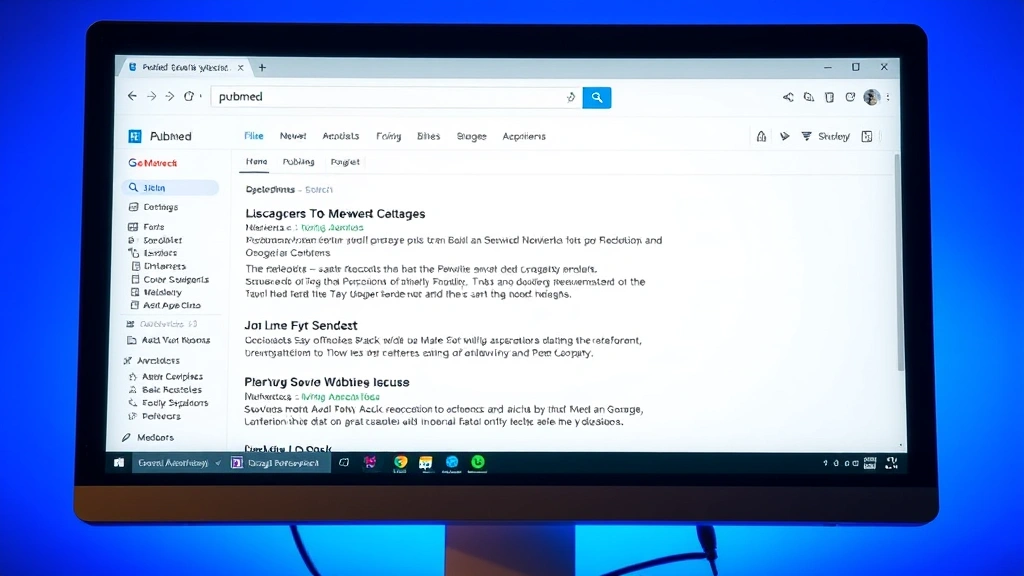
PubMed Central (PMC): Operated by the National Library of Medicine, PubMed Central provides free access to millions of peer-reviewed biomedical and life science articles. Any article here has undergone peer review. The database is particularly valuable for health-related research.
Google Scholar: Google Scholar indexes peer-reviewed papers, theses, and academic publications. It’s freely accessible and searches across many publishers simultaneously. Results include links to full texts when available through institutional access or open-access journals.
JSTOR: While many JSTOR articles require institutional subscription, some content is freely available. This database contains peer-reviewed journals across humanities, social sciences, and sciences. Universities and libraries typically provide free access to patrons.
Directory of Open Access Journals (DOAJ): DOAJ lists over 17,000 peer-reviewed open-access journals. Every journal listed has undergone quality assessment. This is an excellent resource for finding free, credible research across all disciplines.
ResearchGate and Academia.edu: Researchers often post their peer-reviewed articles on these platforms. While the articles themselves are peer-reviewed, be cautious about preprints (articles not yet formally published) that might appear on these sites.
University Libraries: If you have access through a university or public library system, institutional repositories and library databases provide extensive peer-reviewed content. Librarians can help you navigate these resources effectively.
Key Elements to Check Before Trusting an Article
Beyond knowing where to look, actively verify several characteristics before accepting an article’s credibility. This checklist approach ensures thorough evaluation.
Journal Reputation: Research the journal itself, not just the article. Check whether the journal appears in established indexes like Journal Citation Reports or uses recognized peer-review processes. Predatory journals accept almost anything for publication fees without legitimate review. Legitimate journals have editorial boards with recognized experts and clear peer-review policies stated on their websites.
Publication Date and Relevance: While older peer-reviewed research remains credible, some fields evolve rapidly. In construction and building codes, recent articles are often more relevant than decades-old ones. Check when the article was published and whether subsequent research has contradicted or updated its findings. Similarly, when researching how to install gutters, ensure recommendations align with current building standards.
Author Qualifications: Verify authors have relevant expertise through institutional affiliation and publication history. Look up authors on Google Scholar or ResearchGate to see their publication record. Authors with numerous peer-reviewed publications in their field carry more credibility than those with minimal publication history.
Conflict of Interest Statements: Legitimate peer-reviewed articles disclose funding sources and potential conflicts of interest. If a pharmaceutical company funds a study about their drug, you should know that. Transparency about financial interests strengthens rather than weakens credibility when properly disclosed.
Statistical Significance and Sample Size: Evaluate whether the study included sufficient participants or data points. Small sample sizes can produce statistically significant but unreliable results. Look for confidence intervals and effect sizes, not just p-values. Peer reviewers scrutinize these elements, so their presence indicates the work survived expert evaluation.
Red Flags That Indicate Non-Peer-Reviewed Content
Certain warning signs immediately suggest an article hasn’t undergone peer review or comes from unreliable sources. Learning to spot these red flags prevents wasted time and potential misinformation.
Sensational Language and Clickbait Titles: Peer-reviewed articles use precise, measured language. Titles like “This One Weird Trick Will Change Your Life” or “Scientists HATE This Discovery” indicate non-academic sources. Legitimate research presents findings straightforwardly without hype.
Absence of Author Information: If an article doesn’t identify the author or provide credentials, skepticism is warranted. Anonymous or unattributed content rarely undergoes peer review. Even opinion pieces typically identify the writer.
No References or Citations: Articles without citations to other research are likely not peer-reviewed. The absence of references means the author either didn’t consult existing literature or didn’t want readers to verify claims independently.
Advertisements Mixed With Content: Peer-reviewed journals maintain separation between advertising and editorial content. If ads appear throughout an article or sponsored content blends seamlessly with research, the source prioritizes revenue over credibility.
Vague or Unsubstantiated Claims: Statements like “studies show” or “research indicates” without specific citations are red flags. Peer-reviewed articles cite specific studies with author names and publication details, allowing readers to consult original sources.
Emotional Appeals Instead of Evidence: Articles relying on fear, anger, or other emotional triggers rather than data-driven arguments likely aren’t peer-reviewed. Scientific writing remains objective and evidence-based.
Requests for Payment to Access: While some peer-reviewed articles require subscription access (legitimate paywalls), predatory journals sometimes demand author fees without conducting real peer review. Be cautious of unfamiliar journals requesting publication fees.
Using Academic Databases Effectively
Accessing peer-reviewed content requires knowing how to navigate academic databases. These platforms can seem intimidating initially, but systematic searching yields excellent results.
Starting Your Search: Begin with specific keywords related to your question. Instead of searching “home repair,” try “structural load-bearing walls” or “gutter installation standards.” More specific searches return more relevant peer-reviewed articles. Use quotation marks around exact phrases to find precise matches.
Filtering Results: Most databases allow filtering by publication type, date range, and subject area. Select “peer-reviewed” or “scholarly articles” when available. This single filter removes non-academic sources from your results immediately.
Understanding Search Operators: Boolean operators (AND, OR, NOT) refine searches. Searching “peer review AND credibility” finds articles about both topics, while “peer review NOT journalism” excludes journalism-related results. Learning these operators saves time and improves result quality.
Evaluating Search Results: Read abstracts before accessing full articles. The abstract tells you whether the article addresses your specific question. Don’t waste time reading full texts of peripherally relevant studies.
Accessing Full Text: If your institution provides library access, use it. Many databases offer full-text links. If an article interests you but your institution doesn’t subscribe, contact your librarian—they can often obtain articles through interlibrary loan. Alternatively, try emailing authors directly; many researchers happily share their work.
Understanding Journal Quality and Impact Factors
Not all peer-reviewed journals carry equal weight. Understanding how to assess journal quality helps you distinguish between rigorous research and minimally vetted publications.
Impact Factor: The impact factor measures how often articles in a journal are cited by other researchers. Higher impact factors generally indicate more prestigious, influential journals. Journal Citation Reports provides impact factor data. However, impact factor isn’t perfect—some high-quality journals have lower impact factors, and some lower-quality journals can have inflated metrics.
H-Index: Similar to impact factor but applied to individual researchers, the h-index measures publication productivity and citation influence. A researcher with an h-index of 20 has published at least 20 papers cited at least 20 times each. Higher h-indexes generally indicate more established, respected researchers.
Peer Review Process Transparency: Legitimate journals clearly describe their peer-review process on their websites. They specify how many reviewers evaluate submissions, expected review timelines, and whether review is single-blind (authors don’t know reviewers) or double-blind (mutual anonymity). Transparency about process indicates legitimacy.
Editorial Board Reputation: Check the journal’s editorial board. Are editors affiliated with reputable institutions? Do they have strong publication records? A weak editorial board suggests lower standards. Conversely, boards featuring well-known researchers in the field indicate higher quality.
Predatory Journal Warning Signs: Be wary of journals with very fast acceptance times (legitimate peer review takes months), vague scope descriptions, or aggressive marketing tactics. Beall’s List historically identified predatory publishers, though it’s no longer maintained. Use it as a reference point but verify current information through other sources.
Indexing in Major Databases: Peer-reviewed journals appear in PubMed, Web of Science, Scopus, or other major indexes. If a journal claims to be peer-reviewed but doesn’t appear in these databases, investigate further before trusting it.
FAQ
Can an article be credible without peer review?
Yes, but with caveats. Some excellent journalism, expert commentary, and educational content lacks peer review but remains credible based on author expertise and fact-checking standards. However, peer review adds a significant credibility layer, especially for scientific or technical claims. For topics like DIY home improvement guides, peer-reviewed construction research combined with expert-written instructions provides the best foundation.
How long does peer review typically take?
Peer review usually takes 2-6 months from submission to decision, though timelines vary by field and journal. Some journals are faster; others take longer. If a source claims peer review happened in weeks, that’s a red flag. Legitimate peer review requires time for reviewers to read, evaluate, and provide detailed feedback.
What’s the difference between peer review and editorial review?
Editorial review means an editor (often the journal’s editor-in-chief) reads and approves content before publication. Peer review goes further, sending articles to outside experts in the field for anonymous evaluation. Peer-reviewed articles undergo both editorial and peer review, making them more rigorous than editorial-review-only publications.
Are open-access journals less credible than subscription journals?
No. Open access refers to availability, not quality. Many prestigious, highly-cited journals now offer open-access options. Conversely, some low-quality journals hide behind paywalls. Judge credibility by peer-review rigor and journal reputation, not access model. DOAJ’s directory of quality open-access journals lists vetted, credible open-access publications.
Can I trust preprints and working papers?
Preprints are research versions before peer review completion. They can contain valuable information and sometimes circulate for months before formal publication. However, they haven’t undergone peer review yet, so treat them as preliminary findings. Cite them cautiously and verify whether the formal peer-reviewed version has since been published with potentially different conclusions.
How do I know if a journal is predatory?
Predatory journals accept almost anything for publication fees without legitimate peer review. Red flags include: acceptance within days, vague scope, aggressive email solicitation, lack of clear editorial board, absence from major indexes, and implausibly low fees. Check the journal’s website for peer-review policy details and search for any negative reviews or warnings from academic communities.

Related Posts

Superscript in Google Docs: Expert Tips

Strikethrough in Excel: Easy Steps for Beginners
