
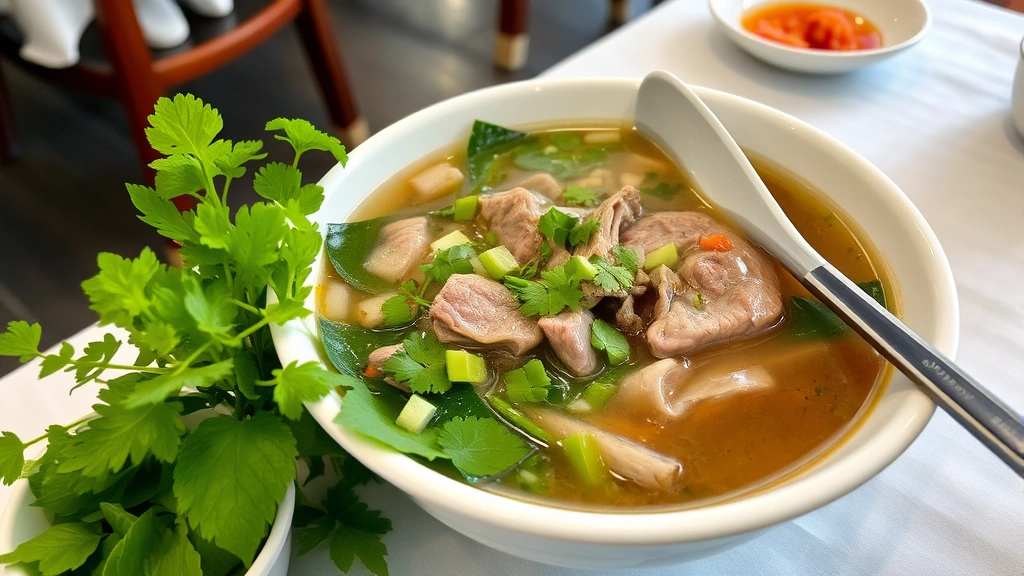
Pronounce “Pho”? A Quick Guide
How to Pronounce Pho: A Quick Guide to Vietnamese Cuisine’s Most Famous Dish
Pho is one of the most beloved Vietnamese dishes worldwide, gracing restaurant menus from New York to Los Angeles. Yet despite its popularity, many people struggle with the correct pronunciation. If you’ve ever stood at a restaurant counter uncertain how to order this aromatic noodle soup, you’re not alone. The good news is that learning to pronounce pho correctly is simpler than you might think, and it opens the door to appreciating the rich culinary traditions behind this iconic dish.
Whether you’re a food enthusiast, a language learner, or simply someone who wants to sound confident when ordering at your favorite Vietnamese restaurant, this guide will walk you through the proper pronunciation, the cultural significance of the word, and helpful tips for mastering it. Understanding how to say pho correctly shows respect for Vietnamese culture and enhances your overall dining experience.
The Correct Pronunciation of Pho
The correct way to pronounce pho is “fuh” or “fuh” with a rising tone. The word rhymes with “duh” or “buh,” not “foe” as many English speakers assume. This single-syllable word is straightforward once you understand that the Vietnamese language uses tonal markers that don’t have direct English equivalents, making phonetic representation challenging for non-native speakers.
In the International Phonetic Alphabet (IPA), pho is represented as /fəː/, where the schwa sound (ə) represents a neutral vowel sound. The colon indicates that the vowel is slightly extended or held longer than a typical short vowel. Think of it as saying “fuh” with a gentle rising inflection at the end, almost as if you’re asking a question. This tonal quality is essential to Vietnamese pronunciation and distinguishes pho from other English words that might sound similar.
If you’ve been ordering pho as “foe” (rhyming with “go” or “know”), you’re among millions who mispronounce it. However, most Vietnamese restaurant staff understand what you mean regardless of pronunciation, as they’re accustomed to English speakers attempting their language. That said, learning the correct pronunciation is a sign of cultural respect and enhances your credibility when discussing Vietnamese cuisine.

Breaking Down the Phonetics
To master the pronunciation of pho, it helps to break it down into its phonetic components. The word consists of one syllable with three distinct elements: the initial consonant sound, the vowel sound, and the tonal inflection. Understanding each component separately makes the whole word easier to pronounce.
The initial “ph” sound in pho is pronounced like the English “f,” not like the “ph” in words such as “phone” or “photograph.” This is a common source of confusion for English speakers who expect the “ph” digraph to produce an “f” sound, which it does in this case, but the way it’s produced in Vietnamese is slightly different from English. The Vietnamese sound is softer and more aspirated, meaning it includes a slight puff of air when you pronounce it.
The vowel portion “o” in Vietnamese is pronounced more like the “uh” sound in English words such as “cup” or “strut.” It’s not the long “o” sound you hear in English words like “go” or “boat.” This is where many English speakers go wrong. The Vietnamese vowel system differs significantly from English, with more vowel sounds and different articulation points in the mouth. The “o” in pho is a mid-central vowel, produced with your mouth in a neutral, relaxed position.
The tonal element adds another layer of complexity. Vietnamese is a tonal language, meaning the pitch or tone of a word can change its meaning entirely. Pho carries a rising tone, similar to how you might raise your voice at the end of a question in English. When you say “pho,” imagine asking “pho?” with that slight upward pitch at the conclusion.
Common Mispronunciations to Avoid
Several common mispronunciations of pho persist among English speakers. Understanding what not to do can be just as helpful as learning the correct way. The most frequent error is pronouncing pho to rhyme with “foe,” making it sound like “foe” or “foh.” This rhyming pronunciation is widespread in English-speaking countries and is often reinforced by media representations and casual conversation.
Another common mistake is pronouncing it with a hard “p” sound, as in “pho” rhyming with “pro.” This misses the mark entirely and doesn’t reflect Vietnamese phonetics. Some speakers also elongate the vowel sound, making it sound like “fooooh,” which adds unnecessary length to what should be a quick, snappy syllable.
Pronouncing it as two syllables, such as “pho-ay” or “pho-oh,” is another error. Pho is definitively a single syllable word in Vietnamese, and adding extra syllables changes the word entirely. Additionally, some speakers place stress on the word incorrectly, but since pho is only one syllable, stress placement isn’t as critical as it would be in multi-syllabic words.
The best way to avoid these mispronunciations is to listen to authentic Vietnamese speakers. Fortunately, the internet provides abundant resources, including videos from Vietnamese restaurants, language learning platforms, and cultural websites where native speakers demonstrate the correct pronunciation. Repetition and active listening are your best tools for breaking old pronunciation habits.
Understanding Vietnamese Tones
Vietnamese is one of the world’s tonal languages, alongside Mandarin Chinese, Cantonese, and many African languages. In tonal languages, the pitch or tone of a syllable can completely change the meaning of a word. Vietnamese has six tones, each represented by a diacritical mark (a small symbol placed above or below the letter).
Pho is marked with a rising tone, indicated by an acute accent in the Vietnamese script: phở. This rising tone is crucial to the word’s identity. If you were to say “pho” with a different tone—say, a falling tone or a level tone—it would represent a completely different word with a different meaning. This is why tonal accuracy matters when pronouncing Vietnamese words, even though English speakers might not notice the subtle difference initially.
The rising tone in pho starts at a lower pitch and gradually rises, similar to the intonation pattern in English questions. Imagine asking “Really?” with genuine surprise, where your voice rises toward the end of the word. That upward pitch movement is what characterizes the rising tone in pho. For English speakers accustomed to stress-based languages like English, tonal languages require retraining your ear and vocal cords to produce and recognize these pitch variations.
Learning to hear and reproduce tones takes practice. Native English speakers often struggle with tones because English doesn’t use them for meaning. However, everyone uses tones in English for emotion and emphasis, so the vocal mechanisms are already in place. The challenge is learning to use these mechanisms intentionally for meaning rather than emotion.
Regional Variations in Pronunciation
Vietnam is a long, geographically diverse country, and like any nation with regional differences, Vietnamese pronunciation varies by region. Pho is primarily associated with Northern Vietnam, particularly Hanoi, where it originated. The Northern Vietnamese pronunciation of pho reflects the Hanoi dialect, which is often considered the standard for Vietnamese language instruction.
In Northern Vietnamese, pho is pronounced with a slightly different tonal quality than in Southern Vietnamese. The Northern version tends to be crisper and more precise, while Southern Vietnamese pronunciation can be slightly more relaxed or slurred. However, the fundamental “fuh” sound remains consistent across regions. The rising tone is also present in both Northern and Southern Vietnamese, though the tonal range might vary slightly.
Southern Vietnamese, spoken in Ho Chi Minh City and surrounding areas, has developed its own distinct characteristics over centuries of separate development and French colonial influence. Some tones have merged in Southern Vietnamese, reducing the number of distinct tones from six to five in some dialects. However, pho’s rising tone remains distinctive in both regions.
If you’re learning Vietnamese pronunciation from a specific region, you might notice subtle variations in how different speakers articulate pho. Some speakers might emphasize the rising tone more prominently, while others might produce it more subtly. These variations are normal and don’t constitute “incorrect” pronunciation—they simply reflect regional and individual differences, similar to how English speakers from different regions pronounce words differently.
Cultural Context and History
Understanding the cultural and historical context of pho enriches your appreciation for both the dish and its name. Pho emerged in Northern Vietnam during the early 20th century, likely influenced by French colonial cuisine combined with traditional Vietnamese ingredients and cooking techniques. The word “pho” itself has debated origins, with some scholars suggesting it derives from the French word “pot,” while others argue for Vietnamese linguistic roots.
The dish became a national symbol of Vietnamese identity, particularly after the Vietnam War when Vietnamese immigrants brought pho to countries around the world. Today, pho represents Vietnamese culture globally and serves as a bridge between Vietnamese heritage and international communities. When you pronounce pho correctly, you’re honoring this cultural significance and showing respect for Vietnamese traditions.
Pho’s rise in popularity is relatively recent in global terms. Prior to the 1980s and 1990s, pho was virtually unknown outside Vietnam. The influx of Vietnamese refugees and immigrants following the war introduced pho to American, European, and Australian communities. Over the past few decades, pho has transcended its ethnic cuisine status to become a mainstream comfort food enjoyed by people of all backgrounds.
This cultural journey makes pho more than just a dish—it’s a story of migration, adaptation, and cultural exchange. Learning to pronounce pho correctly is a small but meaningful way to acknowledge this history and show respect for Vietnamese contributions to global cuisine. It demonstrates cultural awareness and appreciation for the people and traditions behind what you’re eating.
Tips for Practicing Proper Pronunciation
Mastering the pronunciation of pho requires consistent practice and exposure to native speakers. Here are practical strategies to improve your pronunciation:
- Listen to native speakers: Watch videos on YouTube from Vietnamese restaurants, cooking channels, or language learning sites where native Vietnamese speakers pronounce pho. Pay attention to the rising tone and the neutral vowel sound.
- Use language learning apps: Platforms like Duolingo, Rosetta Stone, and Babbel include Vietnamese language lessons with audio pronunciation guides. These apps often provide immediate feedback on your pronunciation accuracy.
- Practice with a mirror: Watch your mouth position as you say “fuh.” Your lips should be in a neutral position, not rounded as they would be for an “oh” sound. Seeing your mouth shape helps you adjust your articulation.
- Record yourself: Use your smartphone to record yourself saying pho and compare your recording to native speaker audio. Hearing the differences helps you identify areas for improvement.
- Repeat slowly: Say pho very slowly, exaggerating the rising tone. Then gradually increase your speed to natural conversational pace. This helps your mouth and ears adapt to the correct pronunciation.
- Focus on the tone: If the consonant and vowel are challenging, focus first on getting the rising tone correct. Many language learners find that once they master the tonal aspect, the vowel and consonant sounds follow more naturally.
- Visit Vietnamese restaurants: Order pho at Vietnamese restaurants and listen carefully to how staff and other customers pronounce it. This real-world exposure accelerates learning.
- Connect with native speakers: Language exchange partners, online communities, or local Vietnamese cultural organizations can provide feedback from native speakers who understand your learning journey.
Ordering Pho Like a Local
Once you’ve mastered the pronunciation of pho, ordering at a Vietnamese restaurant becomes a more authentic experience. Understanding the different types of pho and how to order them adds another layer of cultural appreciation to your dining experience, similar to learning proper greetings in other languages.
Pho comes in several varieties, primarily distinguished by the type of protein. Pho bo (beef pho) is the most common variety, featuring beef broth and various cuts of beef. Pho ga (chicken pho) uses chicken broth and chicken meat. Pho tai (rare beef pho) features thinly sliced raw beef that cooks in the hot broth. When ordering, you can simply say “pho bo” or “pho ga,” using your newly perfected pronunciation.
Some restaurants also offer vegetarian pho (pho chay), which uses vegetable broth instead of meat-based broth. The variety of options means you can explore different pho styles and find your personal favorite. Each type has its own regional variations and preparation methods that reflect different Vietnamese culinary traditions.
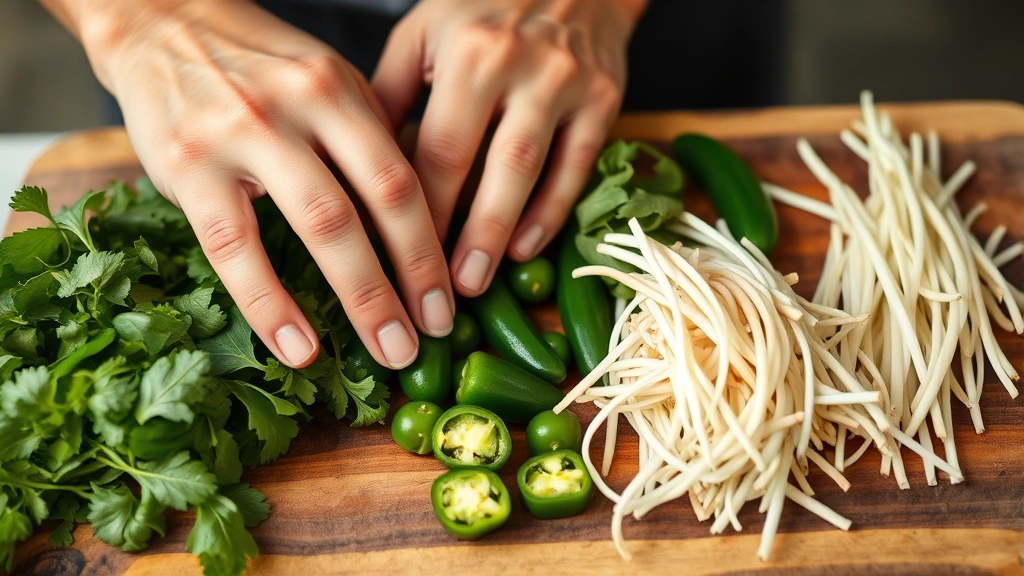
Beyond just ordering the soup, Vietnamese restaurants typically serve pho with a variety of fresh herbs and vegetables on the side: basil, cilantro, lime, jalapeños, and bean sprouts. Learning the Vietnamese names for these accompaniments enhances your restaurant experience and demonstrates cultural engagement. You might also explore other Vietnamese dishes, just as you might learn to appreciate the language and culture of other cuisines.
When you confidently pronounce pho correctly, restaurant staff often respond positively, sometimes offering recommendations or explaining their specific pho preparation methods. This interaction transforms a simple meal transaction into a cultural exchange and shows respect for Vietnamese culinary traditions.
FAQ
Is it “pho” or “fuh”?
Both descriptions refer to the same correct pronunciation. “Pho” is the spelling, and “fuh” describes how it sounds. The word is one syllable, pronounced with a rising tone, similar to asking a question in English. The “ph” makes an “f” sound, and the “o” makes an “uh” sound like in “cup.”
Why do so many people pronounce it “foe”?
English speakers often pronounce pho as “foe” because English has different phonetic patterns. In English, “ph” combinations often appear in words like “phone” (pronounced “fone”), and the “o” frequently sounds like the long “o” in “go.” Additionally, English is not a tonal language, so English speakers aren’t accustomed to using pitch changes for meaning. These language differences lead to the common mispronunciation.
Does it matter if I mispronounce pho?
Vietnamese restaurant staff understand what you mean regardless of pronunciation, as they’re accustomed to English speakers attempting their language. However, learning the correct pronunciation shows respect for Vietnamese culture and language. It also helps you feel more confident and engaged when ordering and discussing Vietnamese cuisine with others. For language learners, correct pronunciation is essential for developing authentic communication skills.
How do I practice the rising tone?
Practice saying “pho” with an upward pitch, as if you’re asking a question. Start low and let your voice rise toward the end of the word. You can also listen to native speaker audio and try to mimic the intonation pattern. Recording yourself and comparing your audio to native speaker recordings helps you identify and correct tonal differences.
Are there other Vietnamese words I should learn to pronounce correctly?
Yes, learning to pronounce other Vietnamese words enriches your cultural appreciation and language skills. Like pho, many Vietnamese words have tonal elements that affect meaning. Some common words you might encounter in Vietnamese restaurants include: “banh” (bread), “mon” (dish), and “com” (rice). Language learning resources and Vietnamese cultural organizations offer pronunciation guides for these and many other words. You might also explore language learning across different cultures, much like learning to say thank you in different languages.
What’s the best way to improve my Vietnamese pronunciation overall?
Consistent practice with native speaker audio, language learning apps, and real-world interaction with Vietnamese speakers provides the most effective learning path. Immersion experiences—visiting Vietnamese communities, watching Vietnamese films, or traveling to Vietnam—accelerate pronunciation improvement significantly. Patience and regular practice are essential, as tonal languages require retraining your ear and vocal mechanisms.

Related Posts

Superscript in Google Docs: Expert Tips

Strikethrough in Excel: Easy Steps for Beginners
