
Roast Pecans at Home: Easy & Delicious Guide
Roast Pecans at Home: Easy & Delicious Guide
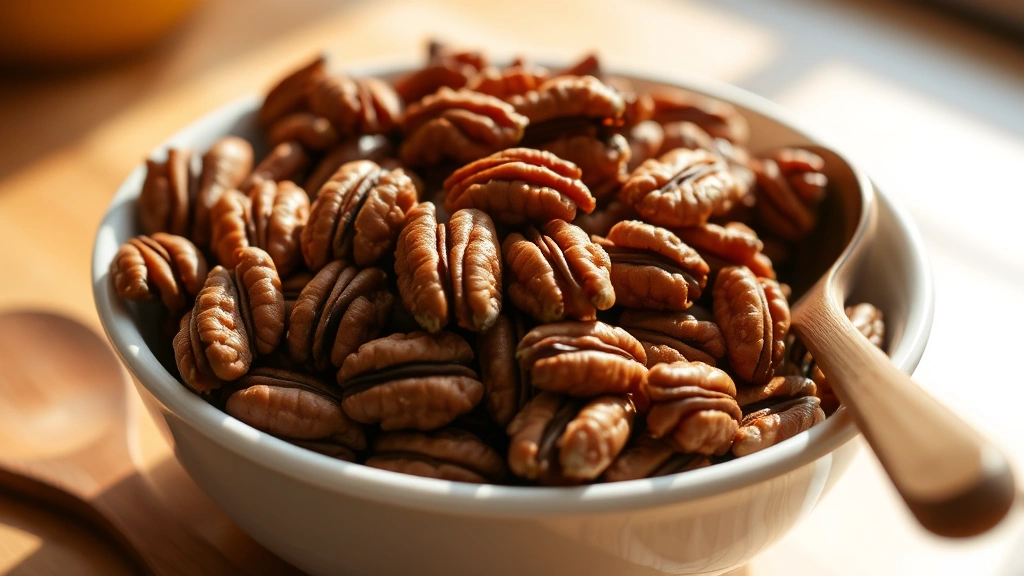
Roasting pecans at home is one of the simplest yet most rewarding culinary projects you can undertake. Whether you’re preparing a snack for movie night, creating ingredients for baking, or crafting homemade gifts, freshly roasted pecans deliver an incomparable depth of flavor that store-bought varieties simply cannot match. The process requires minimal equipment, takes less than thirty minutes, and transforms raw pecans into golden, aromatic treasures that elevate everything from salads to desserts.
Unlike many cooking techniques that demand precision and specialized knowledge, roasting pecans is forgiving and intuitive. You’ll learn to recognize the exact moment they reach peak flavor through sight, smell, and sound. This guide walks you through every step, from selecting quality pecans to storing your roasted batch for maximum freshness. By the end, you’ll have the confidence to roast pecans repeatedly, experimenting with seasonings and techniques to match your preferences.
Why Roast Pecans at Home
Roasting pecans unlocks flavor compounds that remain dormant in raw nuts. The heat triggers the Maillard reaction, a chemical process that creates hundreds of new flavor molecules, resulting in the rich, toasty taste you crave. Raw pecans taste bland and slightly bitter by comparison, while roasted versions offer complex, nutty sweetness that enhances both sweet and savory dishes.
Home roasting also provides complete control over ingredients and cooking time. Commercial roasting operations often use high-heat methods that can damage delicate pecan oils or apply excessive salt and artificial seasonings. When you roast at home, you determine exactly what touches your pecans—nothing but heat if you prefer, or carefully selected oils and seasonings of your choice. This control ensures superior flavor and allows you to accommodate dietary preferences.
Additionally, freshly roasted pecans cost significantly less than pre-roasted varieties from specialty retailers. A pound of raw pecans typically costs 40-60% less than roasted alternatives, making home roasting an economical choice if you use pecans regularly. The aroma that fills your kitchen during roasting is an unexpected bonus that no packaged product can replicate.
Choosing Quality Pecans
The quality of your finished product depends entirely on your starting material. Purchase pecans from reliable sources that guarantee freshness. Look for how-to guides that emphasize ingredient selection, as this principle applies universally to cooking projects. Specialty nut retailers, farmers markets, and online pecan suppliers often provide superior quality compared to grocery store bulk bins.
Inspect pecans visually before purchasing. They should appear uniform in color, ranging from light tan to medium brown. Avoid nuts with dark spots, cracks, or visible mold. Shake a handful—quality pecans feel heavy and dense, not lightweight or hollow. Rancid pecans smell slightly off or unpleasant; trust your nose if something seems amiss.
Check the harvest date if available. Pecans are typically harvested in fall, and nuts roasted within six months of harvest taste fresher and more vibrant. If buying from bulk bins, ask the retailer when they received their stock. Whole pecans keep better than halves or pieces, as the intact shell provides additional protection against oxidation.
Essential Equipment and Preparation
You need surprisingly little equipment to roast pecans successfully. A standard oven, baking sheet, and parchment paper comprise the basic setup. Optional but helpful items include a kitchen timer, instant-read thermometer, and a large wooden spoon for stirring. Unlike specialized cooking techniques, roasting pecans requires no expensive gadgets or professional-grade tools.
Preparation begins with rinsing your pecans if they feel dusty or dirty. Place them in a colander and rinse under cool running water, similar to rinsing rice for optimal cleanliness. Pat dry thoroughly with paper towels or a clean kitchen cloth. Moisture interferes with roasting, so ensure pecans are completely dry before proceeding.
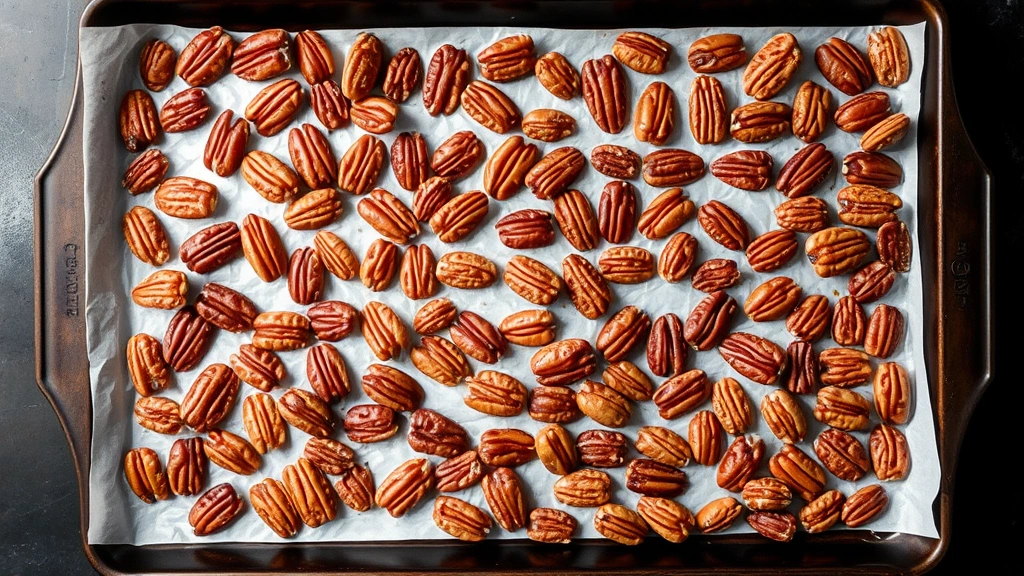
Preheat your oven to 350°F (175°C) for standard roasting. This temperature balances speed with safety—hot enough to develop flavor quickly, but not so hot that exteriors burn before interiors roast. Line your baking sheet with parchment paper to prevent sticking and simplify cleanup. Spread dried pecans in a single layer across the sheet, ensuring they don’t overlap. Crowding the pan traps steam and results in uneven roasting.
Dry Roasting Method
The dry roasting method requires nothing but heat and time. This approach produces the purest pecan flavor without any added fats or seasonings. Place your prepared pecans on the preheated baking sheet in a single layer and slide into the 350°F oven. Set a timer for 8 minutes, then check progress.
At the 8-minute mark, open the oven and listen carefully. You should hear a subtle crackling sound as oils within the pecans heat and expand. This auditory cue indicates active roasting. Stir the pecans with a wooden spoon, pushing nuts from the edges toward the center to ensure even heat exposure. Return to the oven for another 4-6 minutes.
Watch carefully during the final minutes. Pecans transition rapidly from perfectly roasted to over-roasted, so stay nearby. The nuts should smell intensely aromatic and nutty—this is your primary indicator of doneness. Properly roasted pecans appear slightly darker than raw versions, with a subtle sheen from released oils. The skin may show light browning, but shouldn’t appear charred or burnt.
Remove the baking sheet from the oven and immediately transfer pecans to a cool plate or bowl. Leaving them on the hot baking sheet continues cooking, potentially pushing them past the ideal point. The residual heat will continue darkening them slightly as they cool, so err slightly toward underdone rather than overdone.
Oil and Salt Roasting Method
This method produces pecans with enhanced flavor and a satisfying salty crust. Begin by tossing dry pecans with a light coating of oil—use about one tablespoon of oil per cup of pecans. Quality options include extra virgin olive oil, coconut oil, or avocado oil. Toss thoroughly to coat all surfaces evenly, then sprinkle with sea salt to taste. For a subtle salty flavor, use ¼ teaspoon per cup of pecans; for more pronounced saltiness, increase to ½ teaspoon.
Spread oiled and salted pecans on your prepared baking sheet and roast at 350°F (175°C) for 12-15 minutes. Oil increases cooking time slightly because it conducts heat differently than dry roasting. Stir every 4-5 minutes to ensure even browning and prevent any nuts from burning on the bottom.
The doneness indicators remain similar to dry roasting—look for aromatic aroma and slight darkening of the shells. Oil-roasted pecans may appear shinier due to the coating, so rely more heavily on aroma and color than appearance. When you crack open a roasted pecan, the interior should appear light tan or golden, never pale or white.
This method works beautifully for pecans destined for salads, snacking, or charcuterie boards. The salt amplifies the roasted flavor and provides textural contrast. You can customize saltiness to match your other ingredients or dietary preferences.
Flavored Roasting Variations
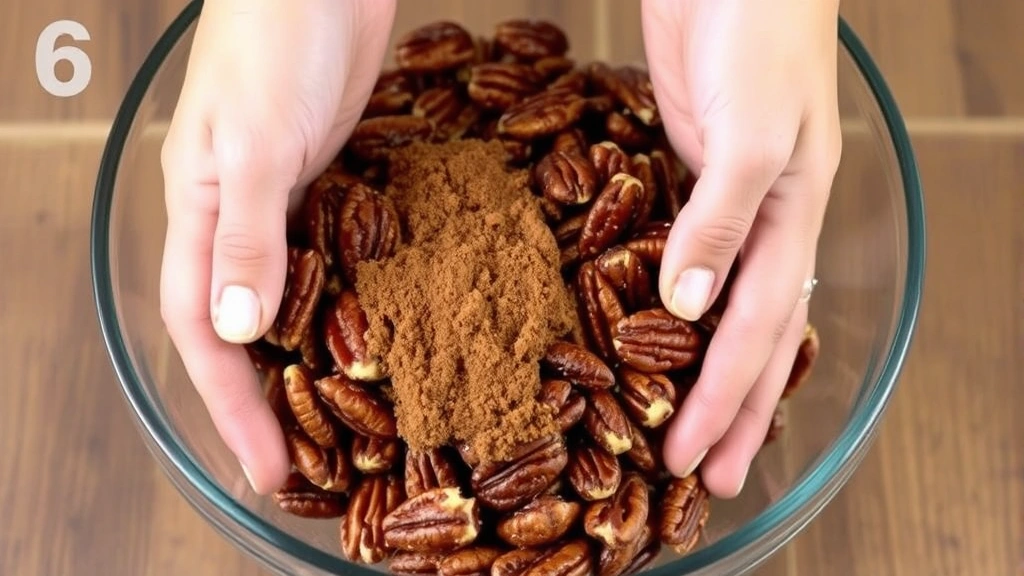
Once you master basic roasting, experiment with seasonings to create versatile ingredients for different applications. Cinnamon and sugar pecans pair perfectly with oatmeal, yogurt, or baked goods. Combine one tablespoon melted butter, two tablespoons brown sugar, and one teaspoon cinnamon per cup of pecans. Toss to coat, spread on the baking sheet, and roast at 325°F (163°C) for 15-18 minutes, stirring every 5 minutes to prevent sugar from burning.
Savory herb pecans suit salads and appetizers beautifully. Mix one tablespoon olive oil with ½ teaspoon garlic powder, ½ teaspoon dried rosemary, ¼ teaspoon cayenne pepper, and salt to taste per cup of pecans. Toss and roast at 350°F (175°C) for 12-15 minutes. The garlic and herbs become more pronounced as pecans roast, creating deeply flavorful nuts.
Maple and bourbon pecans offer sophisticated flavor for entertaining. Combine one tablespoon melted butter with one tablespoon pure maple syrup and ½ teaspoon bourbon per cup of pecans. Add a pinch of sea salt. Roast at 325°F (163°C) for 16-18 minutes, stirring frequently to prevent sugar from burning. These pecans work wonderfully for gift-giving or served alongside cheese and crackers.
Spicy chili lime pecans bring brightness and heat to salads and grain bowls. Toss pecans with one tablespoon oil, juice of one lime, one teaspoon chili powder, ½ teaspoon smoked paprika, and salt per cup. Roast at 350°F (175°C) for 12-15 minutes, stirring occasionally. The lime juice adds complexity that deepens during roasting.
Cooling and Storage
Proper cooling ensures your pecans reach peak crunchiness and flavor. Spread hot roasted pecans in a single layer on a clean plate, cutting board, or parchment paper. Avoid piling them while hot, as trapped steam creates moisture that softens the exterior. Allow at least 15-20 minutes for complete cooling at room temperature. Pecans continue absorbing residual heat, so patience during this phase yields superior texture.
Once cooled completely, store pecans in airtight containers to maintain freshness and prevent exposure to air and humidity. Glass jars with tight-fitting lids work excellently, as do resealable bags with as much air removed as possible. Properly stored roasted pecans remain fresh and flavorful for 2-3 weeks at room temperature, or up to three months in the refrigerator.
For longer storage, freeze roasted pecans in freezer-safe containers for up to six months. Thaw at room temperature for 30 minutes before using. Freezing halts the oxidation process that gradually makes pecans taste rancid, making it an excellent option if you roast large batches for occasional use.
Label your containers with the roasting date and any seasonings used. This simple step prevents confusion later and helps you use pecans in optimal order. Flavored pecans may have slightly shorter shelf lives than plain roasted varieties, so prioritize eating these first.
Troubleshooting Common Issues
Uneven roasting: If some pecans brown while others remain pale, your oven likely has hot spots. Rotate the baking sheet halfway through roasting, and stir more frequently. Consider using a baking stone or placing a second sheet on a lower rack to distribute heat more evenly. This approach mirrors professional baking techniques used in precise kitchen applications.
Burnt or bitter pecans: Over-roasting creates bitter, acrid flavors that ruin the entire batch. Lower your oven temperature by 25°F and reduce roasting time by 2-3 minutes. Remove pecans while they still smell pleasant and fresh, before the aroma becomes intensely sharp. When in doubt, slightly under-roast rather than over-roast.
Soggy or soft pecans: Moisture is the culprit here. Ensure pecans are completely dry before roasting, and avoid adding oil or wet seasonings without accounting for extended cooking time. If using wet ingredients like lime juice, reduce oven temperature to 325°F to prevent exterior burning while interiors dry.
Pecans stick to the pan: Parchment paper prevents this issue entirely. If pecans still stick, your oven temperature may be too low, causing pecans to release oils that act like glue. Increase temperature by 25°F for the next batch. Alternatively, lightly oil the parchment paper before spreading pecans.
Inconsistent flavor: Uneven coating of seasonings causes this problem. Toss seasoned pecans thoroughly before spreading on the sheet, ensuring every nut receives coating. When stirring during roasting, use a gentle motion that turns pecans without crushing them, distributing heat exposure evenly.
FAQ
How long does roasting pecans take?
Dry roasting typically takes 12-14 minutes total at 350°F, including the initial 8 minutes without stirring and 4-6 minutes after stirring. Oil and salt roasting requires 12-15 minutes. Flavored varieties with sugar or wet ingredients may take 15-20 minutes at slightly lower temperatures. Total time from oven preheat to finished cooling usually spans 30-35 minutes.
Can I roast pecans in a toaster oven?
Yes, toaster ovens work well for small batches. Use the same temperature and timing guidelines, but monitor more frequently since toaster ovens often have more dramatic hot spots. Small batches may roast slightly faster due to proximity to heating elements, so check at the lower end of the time range.
What’s the difference between roasting and toasting pecans?
These terms are used interchangeably in most contexts. Roasting typically refers to cooking at moderate temperatures (325-375°F) for extended periods, while toasting sometimes suggests higher heat for shorter duration. For pecans, the methods are essentially identical—both involve dry or oiled heat application until the nuts develop color and aroma.
Can I roast pecans on the stovetop?
Stovetop roasting is possible but less reliable than oven roasting. Use a heavy-bottomed skillet over medium heat, stirring constantly for 8-12 minutes. The challenge is preventing burning while ensuring even roasting, as heat distribution is less uniform than in an oven. Oven roasting provides superior results for most home cooks.
How do I know when pecans are done roasting?
Primary indicators are aroma (intensely nutty and pleasant), color (slightly darker than raw, with subtle browning), and the crackling sound during roasting. Crack one open—the interior should be light tan or golden, never pale. If uncertain, remove pecans slightly early; you can always return them to the oven, but over-roasted pecans cannot be salvaged.
Should I roast pecans with or without the shell?
Most pecans sold are already shelled, so this choice doesn’t typically apply. If you have whole pecans with shells, crack them first. Roasting in-shell pecans is possible but takes longer (20-25 minutes) and is less common for home cooking. Shelled pecans roast more evenly and develop better flavor.
Can I use roasted pecans in baking?
Absolutely. Roasted pecans work beautifully in cookies, cakes, brownies, and pie fillings. They provide deeper flavor than raw nuts, so you may need slightly less to achieve desired intensity. Chop roasted pecans just before baking to prevent them from becoming powdery. Their robust flavor pairs especially well with chocolate, caramel, and warming spices.
What’s the best way to give roasted pecans as gifts?
Package cooled roasted pecans in attractive glass jars, decorative tins, or clear cellophane bags tied with ribbon. Include a label indicating roasting date, any seasonings used, and storage instructions. Homemade roasted pecans make thoughtful, impressive gifts that demonstrate care and effort. Include a note suggesting serving ideas—on salads, with cheese, in baking, or as simple snacks.

Related Posts

Superscript in Google Docs: Expert Tips

Strikethrough in Excel: Easy Steps for Beginners
