
Replace Wiper Blades: Expert Tips & Tricks
How to Replace Wiper Blades: Expert Tips & Tricks
Your windshield wipers are one of the most critical safety features on your vehicle, yet many drivers overlook their maintenance until visibility becomes dangerously compromised. Replacing wiper blades is one of the simplest and most cost-effective maintenance tasks you can perform yourself, requiring no special tools or mechanical expertise. In this comprehensive guide, we’ll walk you through everything you need to know to keep your windshield crystal clear and your driving safe.
Whether you’re dealing with streaky wipers, chattering blades, or complete blade failure, learning how to replace wiper blades is an essential skill that takes less than ten minutes to master. This straightforward process can save you money on professional installation fees and ensure your vehicle is always road-ready for unpredictable weather conditions.
Understanding Your Wiper Blade System
Before diving into the replacement process, it’s helpful to understand the basic anatomy of your wiper system. Modern vehicles typically have two main wiper arms on the front windshield, with some vehicles featuring a rear wiper as well. Each arm connects to a replaceable blade assembly that makes direct contact with your windshield glass.
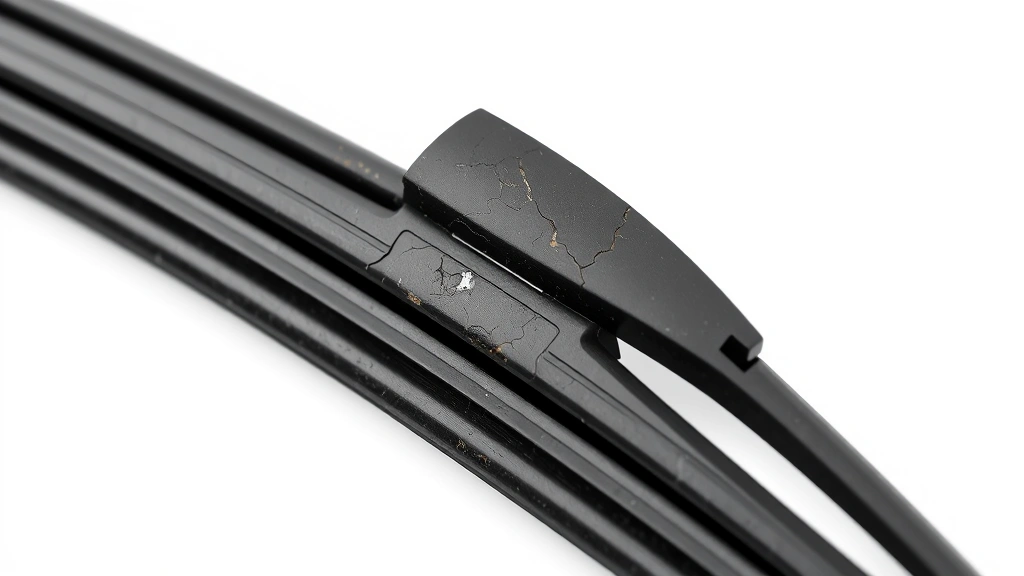
The wiper blade itself consists of a rubber squeegee element held within a metal or plastic frame. This rubber component gradually deteriorates due to exposure to sun, heat, cold, and chemical contaminants in the environment. Over time, the rubber becomes hardened and loses its ability to maintain a smooth contact with the glass, resulting in streaking, chattering, or complete failure to clear water effectively.
Most manufacturers recommend replacing wiper blades every six to twelve months, though this timeline varies based on climate, driving frequency, and blade quality. If you live in an area with harsh winters, intense sun, or frequent rain, you may need replacements more often. Signs that your blades need replacement include visible cracks in the rubber, uneven wiping patterns, squeaking noises, or water remaining on the windshield after a full wipe cycle.
Tools and Materials You’ll Need
The beauty of replacing wiper blades is that you likely won’t need any special tools. Here’s what you should have on hand:
- New wiper blades – correctly sized for your vehicle (check your owner’s manual or ask at an auto parts store)
- Your vehicle’s owner’s manual – helpful for identifying the correct blade size and any specific installation instructions
- Optional: Soft cloth or paper towels – for cleaning the windshield and wiper arms
- Optional: Windshield cleaning solution – to remove debris before installation
That’s genuinely all you need. No wrenches, no special equipment, and no expensive tools required. This makes wiper blade replacement one of the most accessible maintenance tasks for any vehicle owner. If you’re interested in learning other basic vehicle maintenance skills, explore our guide on home maintenance and DIY tutorials for additional helpful information.
Step-by-Step Replacement Instructions
Step 1: Prepare Your Vehicle
Start by parking your vehicle on a level surface and turning off the engine. Open your hood to access the wiper blade assembly. Some vehicles have a hood prop or strut that holds it open, while others require you to hold it manually. For safety and convenience, prop the hood securely before proceeding.
Step 2: Identify Your Blade Size
Before removing your old blades, check your owner’s manual to determine the correct replacement size. Most vehicles have different blade lengths for the driver and passenger sides—typically 26 inches and 16 inches, respectively, though this varies by model. You can also visit any auto parts retailer, and staff members will help you identify the correct size for your specific vehicle make and model. Write down both sizes or take a photo with your phone for reference when shopping.
Step 3: Lift the Wiper Arm
Gently lift the driver’s side wiper arm away from the windshield. The arm should move freely and stay in the lifted position. Some vehicles have a small tab or button that you need to press to release the blade from the arm. Consult your owner’s manual if you’re unsure about your specific vehicle’s mechanism.
Step 4: Remove the Old Blade
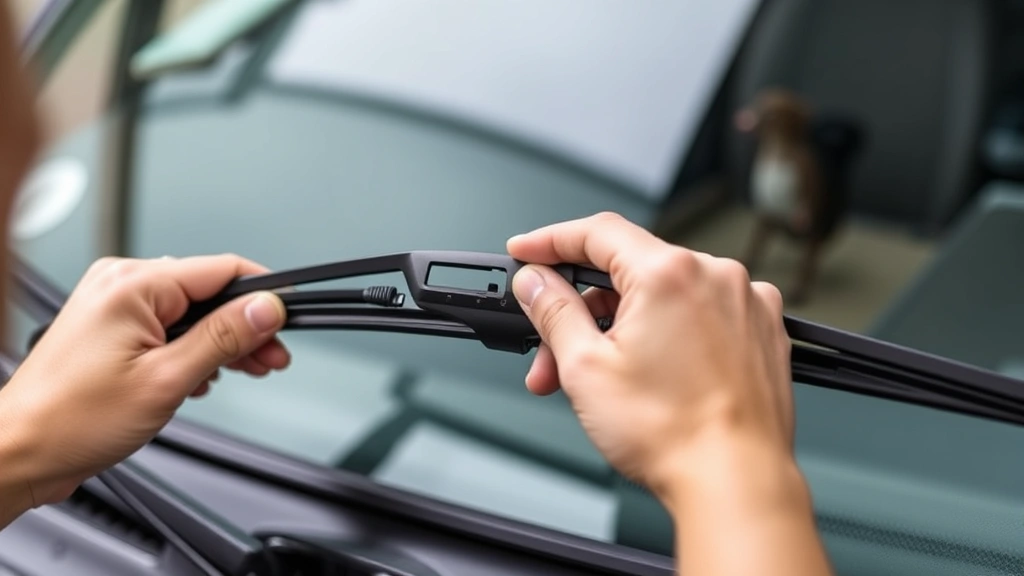
Once the arm is lifted, examine how the blade connects to the arm. Most common attachment methods include a simple sliding clip, a hook connector, or a pin-and-slot design. Gently manipulate the blade until it slides out of the connector. Take a moment to inspect the old blade—the deteriorated rubber will confirm why replacement was necessary. If you need guidance on other maintenance removal tasks, our article on removing fixtures covers similar step-by-step methodologies.
Step 5: Install the New Blade
Position your new wiper blade to align with the connector on the wiper arm. Slide the blade into the connector using the same mechanism that held the old blade in place. You should hear a slight click or feel a subtle snap when the blade is properly seated. Ensure the blade is fully secured before releasing the wiper arm.
Step 6: Lower the Wiper Arm
Carefully lower the wiper arm back onto the windshield. The blade should rest flat against the glass without any gaps or raised edges. Repeat the entire process for the passenger side wiper blade, and the rear wiper if your vehicle has one.
Step 7: Test Your New Blades
Close your hood and start your engine. Activate your windshield wipers without spraying water initially to ensure the blades move smoothly and make proper contact with the glass. If everything looks good, spray windshield washer fluid and run the wipers through several cycles to confirm they’re working effectively.
Different Blade Types Explained
Understanding the various wiper blade options available helps you make an informed purchase decision. Your choice affects performance, longevity, and cost.
Traditional Frame Blades
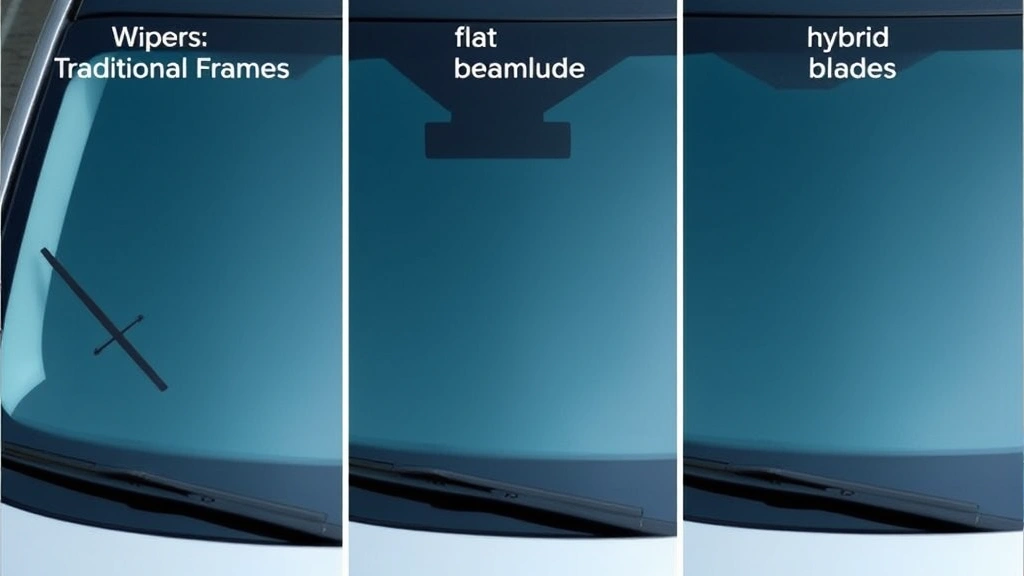
These are the most common and affordable option. They feature a metal frame with a rubber squeegee element and are available for virtually every vehicle. Frame blades are easy to install and replace, making them ideal for budget-conscious drivers. However, they tend to have a shorter lifespan, particularly in harsh weather conditions, and may develop chattering or streaking after six to nine months of use.
Beam Blades
Beam or flat blades have a more aerodynamic design without the traditional metal frame. Instead, they use a flexible beam structure that maintains consistent pressure across the entire blade length. These blades offer improved performance, especially at highway speeds, and typically last longer than traditional frame blades—often up to twelve months. They’re slightly more expensive but provide better value over time due to extended lifespan and superior performance.
Hybrid Blades
Combining features of both traditional and beam designs, hybrid blades offer a middle-ground solution. They typically feature a traditional frame with aerodynamic covers and improved rubber compounds. Hybrid blades provide excellent performance and durability at a moderate price point, making them popular among drivers seeking balance between cost and quality.
Premium and Specialized Blades
High-end wiper blades often include features like enhanced rubber compounds resistant to UV damage and extreme temperatures, advanced beam designs, and specialized coatings that repel water and debris. These premium options can last up to eighteen months and perform exceptionally well in challenging weather conditions. While more expensive, they’re worthwhile investments if you live in areas with harsh climates or drive frequently in heavy rain or snow.
Common Mistakes to Avoid
Even though blade replacement is straightforward, several common errors can compromise your results:
- Using the wrong blade size – Always verify your specific vehicle’s requirements. Installing incorrect sizes can result in poor coverage and safety issues.
- Forcing the blade connection – Different vehicles use different attachment mechanisms. Never force a blade into place; if it doesn’t slide smoothly, you may have the wrong type or size.
- Letting the wiper arm snap back – Always gently lower the wiper arm to avoid damaging the windshield or the arm mechanism itself.
- Ignoring the passenger side blade – Many drivers replace only the driver’s side blade, forgetting that both sides need regular maintenance for optimal visibility.
- Neglecting to test before driving – Always test your new blades before hitting the road to ensure they’re functioning properly.
- Installing blades incorrectly – Ensure the rubber squeegee is oriented correctly and makes full contact with the glass.
Maintenance Tips for Longevity
Maximizing the lifespan of your wiper blades involves more than just proper installation. Regular maintenance practices can significantly extend their usefulness.
Clean Your Windshield Regularly
Dirt, debris, and chemical contaminants accelerate blade deterioration. Wash your windshield weekly with quality glass cleaner to remove buildup. This simple step reduces friction and extends blade life considerably. When your wipers are off, gently wipe the blade rubber with a soft cloth to remove accumulated debris.
Use Quality Windshield Washer Fluid
Premium washer fluids contain protective additives that reduce blade wear and improve cleaning performance. Avoid cheap alternatives that may leave residue or contain abrasive particles. Quality fluid is a small investment that pays dividends in blade longevity.
Park Strategically
Extended sun exposure hardens rubber and accelerates deterioration. Whenever possible, park in shaded areas or use a car cover. This simple habit can add months to your blade lifespan, especially in hot climates. If you’re interested in protecting other aspects of your vehicle, check out our guide on protecting your home and property for similar protective strategies.
Lift Blades in Winter
Before winter storms, lift your wiper blades away from the windshield. This prevents ice from bonding the rubber to the glass and damaging both during removal. It’s a quick habit that prevents costly damage.
Avoid Using Wipers on Dry Glass
Running wipers without washer fluid or moisture causes unnecessary rubber wear. Always spray washer fluid before activating wipers to provide proper lubrication and protection.
For additional maintenance guidance on various household systems, our comprehensive home maintenance articles provide similar step-by-step approaches to preventive care.
Frequently Asked Questions
How often should I replace my wiper blades?
Most manufacturers recommend replacing wiper blades every six to twelve months. However, if you notice streaking, chattering, or reduced performance, replace them immediately regardless of age. Climate conditions significantly affect blade lifespan—harsh winters or intense sun exposure may require more frequent replacements.
Can I replace just one wiper blade?
While technically possible, it’s not recommended. Both blades experience similar wear, so replacing only one results in uneven visibility and performance. For optimal safety and consistent wiping, replace both front blades simultaneously. If one blade fails, the other is likely close behind.
What’s the difference between driver and passenger side blade sizes?
Most vehicles have different blade lengths for each side. The driver’s side typically requires a longer blade (often 26 inches) to cover more windshield area, while the passenger side uses a shorter blade (often 16 inches). Always check your owner’s manual to confirm your vehicle’s specific requirements.
Do I need special tools to replace wiper blades?
No special tools are required. Wiper blade replacement is designed to be accessible to all vehicle owners. Your hands are typically the only tool necessary, though a soft cloth for cleaning is helpful. This accessibility makes blade replacement one of the easiest DIY automotive maintenance tasks.
Why are my new wiper blades streaking?
Streaking in new blades usually indicates a dirty windshield or wiper arm. Before assuming the blades are defective, thoroughly clean your windshield with quality glass cleaner. Also, wipe the wiper arm and blade connector with a soft cloth to remove any debris or residue that could interfere with blade contact.
What should I do with my old wiper blades?
Most auto parts retailers accept old blades for recycling when you purchase replacements. Some recycling centers also accept them. Never litter old blades—they’re metal and rubber components that belong in proper waste streams.
Are expensive wiper blades worth the cost?
Premium blades typically offer superior performance, longer lifespan, and better durability in harsh conditions. If you drive frequently or live in an area with challenging weather, the investment in quality blades pays dividends. For casual drivers in mild climates, mid-range beam or hybrid blades provide excellent value.

Related Posts

Superscript in Google Docs: Expert Tips

Strikethrough in Excel: Easy Steps for Beginners
