
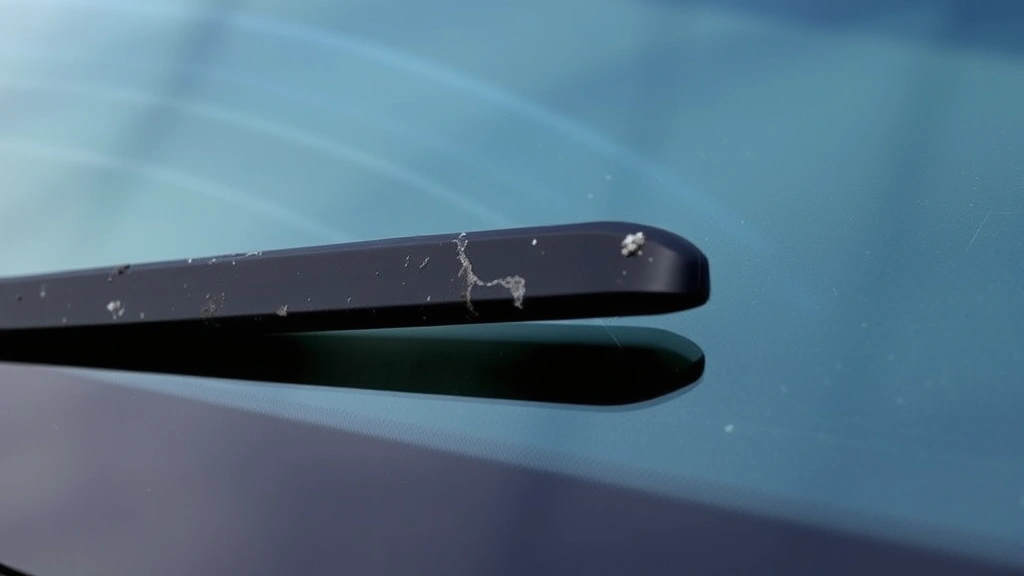
Replace Wiper Blades: Expert Tips Inside
How to Replace Wiper Blades: Expert Tips Inside
Replacing wiper blades is one of the simplest yet most overlooked vehicle maintenance tasks that any car owner can perform themselves. Most people don’t realize that worn wiper blades compromise visibility during rain, snow, and sleet—conditions when safe driving depends entirely on a clear windshield view. The good news is that this essential maintenance task requires no special tools, takes less than five minutes, and can save you $15-$30 in labor costs at a service center.
Whether you’re dealing with streaky, skipping, or completely ineffective wipers, this comprehensive guide will walk you through the entire replacement process with expert tips that ensure you get it right the first time. We’ll cover everything from identifying when your blades need replacement to selecting the correct size for your vehicle and installing them properly.
When to Replace Your Wiper Blades
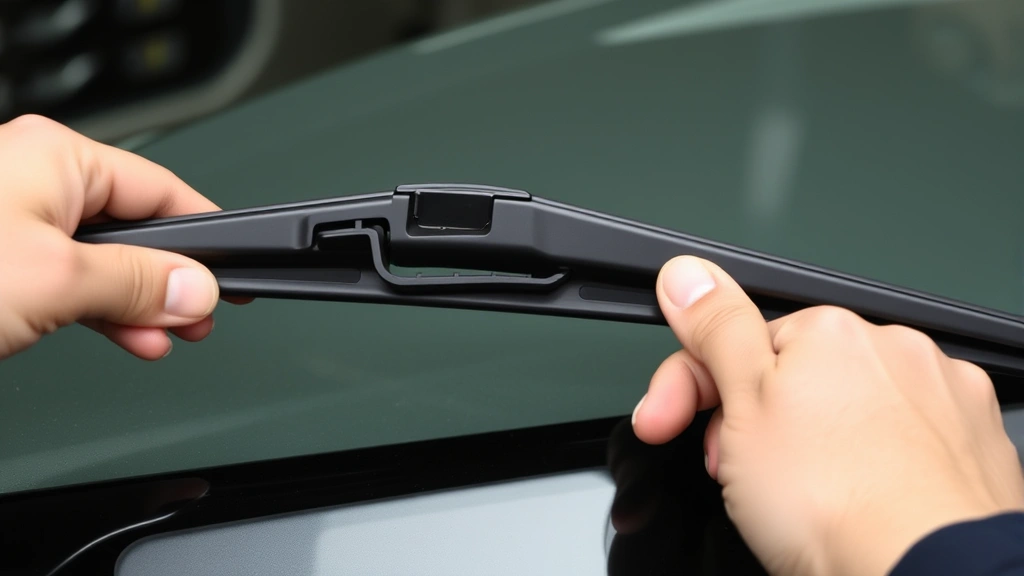
Understanding the signs of worn wiper blades helps you maintain optimal visibility and safety on the road. Most manufacturers recommend replacing wiper blades every six to twelve months, though this timeline varies based on climate, driving conditions, and blade quality. If you live in an area with harsh weather, frequent rain, or intense sun exposure, you may need to replace them more frequently.
The most obvious sign that your blades need replacement is streaking or chattering across the windshield. When you activate your wipers and notice lines of water remaining on the glass, the rubber has deteriorated and can no longer maintain proper contact with the windshield surface. Another indicator is skipping, where the blade jumps across the glass instead of providing smooth, continuous contact. You might also notice that one blade wears faster than the other—this is completely normal and doesn’t mean you need to replace both simultaneously, though it’s often more economical to do so.
Physical damage to the blade itself is another clear signal. Cracks, splits, or chunks missing from the rubber indicate that the blade has reached the end of its service life. Additionally, if your wipers leave behind residue or smear dirt across the windshield instead of clearing it, replacement is necessary. During winter months, pay special attention to ice buildup on the blade frame, as this can damage the rubber and reduce effectiveness.
Tools and Materials You’ll Need
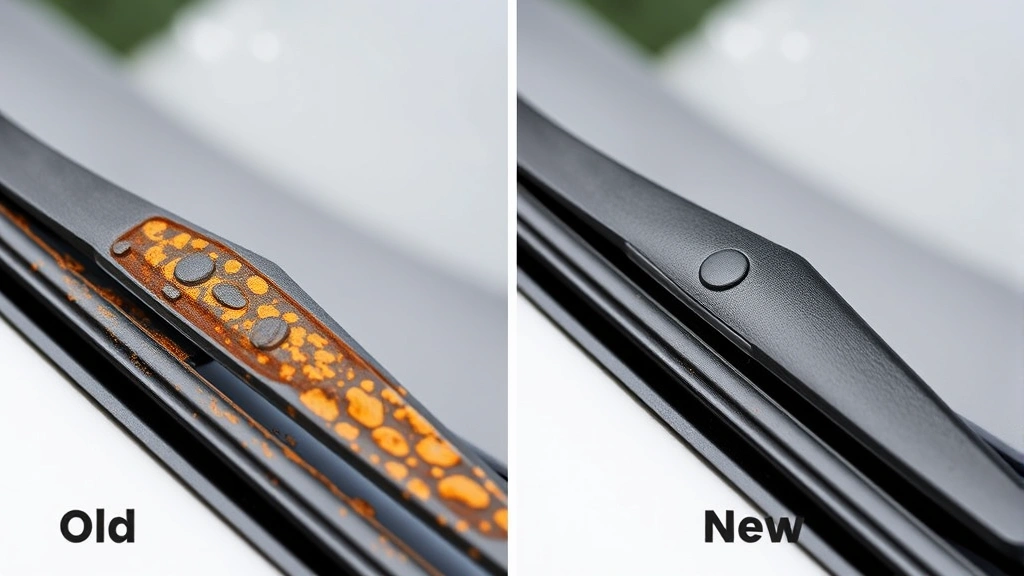
The beauty of replacing wiper blades is the minimal equipment required. Unlike many home repair projects that demand specialized tools, wiper blade replacement is straightforward and accessible to everyone.
- New wiper blades – Ensure you have the correct size for your vehicle
- Your vehicle’s owner’s manual – Contains specific size information and replacement instructions
- A soft cloth or paper towel – For cleaning the windshield and wiper arm
- Optional: Rubbing alcohol – Helps clean residue from the windshield for better blade contact
- Optional: Protective cardboard or cloth – Prevents the wiper arm from snapping back and cracking the windshield if it slips
Most new wiper blades come packaged with the necessary adapters and installation instructions. However, reading these instructions before starting ensures you understand any vehicle-specific requirements. If you’re purchasing blades at an auto parts retailer, staff members can often install them for free, though doing it yourself takes minimal time and effort.
Finding the Right Wiper Blade Size
Selecting the correct wiper blade size is crucial for proper fit and performance. Vehicle manufacturers specify exact blade lengths for each windshield, and using incorrect sizes results in poor coverage and inadequate visibility. The driver’s side and passenger’s side blades are frequently different lengths—a detail many people overlook.
Your vehicle’s owner’s manual is the most reliable source for correct blade sizes. Simply consult the maintenance section, and you’ll find the exact specifications. Alternatively, you can visit most auto parts stores’ websites and enter your vehicle’s year, make, and model to receive size recommendations. Another option is checking the blades currently on your vehicle—most have the size printed directly on them.
Wiper blade sizes are measured in inches and typically range from 16 to 28 inches. A common setup is 26 inches for the driver’s side and 16 inches for the passenger’s side, but this varies significantly by vehicle. Never assume your vehicle uses standard sizes; always verify before purchasing. When buying replacement blades, ensure the packaging indicates compatibility with your specific vehicle model year, as updates to wiper arm designs sometimes occur.
Step-by-Step Replacement Guide
Now that you understand when replacement is necessary and have gathered your materials, follow these detailed steps to complete the job successfully. This process typically takes 3-5 minutes once you’ve gathered everything needed.
Step 1: Prepare Your Vehicle
Park your car on a flat, level surface away from traffic. Turn off the engine and ensure the vehicle is completely stationary. Open your hood to access the wiper blades and windshield area. For added safety, engage the parking brake.
Step 2: Position the Wiper Arms
Most vehicles have a feature that allows you to move the wiper arms away from the windshield for easier access. Activate your windshield wipers and immediately turn off the ignition while they’re in the raised position. This positions the arms perpendicular to the windshield, providing maximum access. If your vehicle doesn’t support this feature, manually pull the wiper arms away from the glass, but do so gently to avoid damaging the arm or breaking the windshield.
Step 3: Remove the Old Blade
Examine where the wiper blade connects to the wiper arm. You’ll notice a small tab or hook mechanism. Most blades use a simple clip that you depress or slide to release the blade from the arm. Grasp the blade firmly and press or slide the release tab while gently pulling the blade away from the arm. The blade should slide out smoothly. If it resists, consult your vehicle’s manual for the specific release mechanism, as some older vehicles use different attachment methods.
Step 4: Clean the Wiper Arm
Before installing the new blade, wipe down the wiper arm with a clean cloth. Remove any dirt, debris, or dried residue that accumulated during the old blade’s service life. This ensures optimal contact between the new blade and the arm, promoting better performance and longevity. If the arm shows signs of rust or corrosion, use a slightly damp cloth with a bit of rubbing alcohol to clean it thoroughly.
Step 5: Install the New Blade
Take your new wiper blade and align it with the wiper arm. The blade should have a hook or slot that corresponds to the arm’s connection point. Slide the blade onto the arm until you hear or feel a click, indicating the blade is fully seated and locked in place. Gently tug the blade to confirm it’s secure and won’t slip during operation. The blade should be firmly attached but not excessively tight.
Step 6: Repeat for the Passenger Side
Follow the same process for the passenger’s side wiper blade. Remember that this blade is likely a different length than the driver’s side, so ensure you’re using the correct replacement blade for this position.
Step 7: Test Your Installation
Lower the hood and sit in the driver’s seat. Turn on your windshield wipers and observe their operation through a full cycle. The blades should move smoothly across the windshield without chattering, skipping, or making noise. Spray some windshield washer fluid to see how effectively the blades clear the glass. If you notice any issues, turn off the wipers, exit the vehicle, and check that both blades are fully seated on their arms.
Common Mistakes to Avoid
Even though wiper blade replacement is straightforward, certain mistakes can compromise results or cause damage. Being aware of these pitfalls ensures a successful installation and extends blade life.
- Using the wrong blade size – Always verify correct sizes before purchasing. Incorrect sizes leave portions of the windshield uncleared and can damage the wiper arm.
- Allowing the wiper arm to snap back – If the arm slips from your grip, it can strike the windshield with enough force to crack the glass. Always maintain control of the arm or use a protective cloth to cushion it.
- Installing blades incorrectly – Ensure the blade clicks fully into place on the arm. A partially installed blade will slip during operation and provide inadequate wiping.
- Neglecting to clean the windshield – Old blade residue and accumulated dirt can interfere with new blade performance. Clean the windshield thoroughly with washer fluid before testing.
- Purchasing low-quality blades – While premium blades cost more initially, they last longer and perform better in various weather conditions. Budget options often streak and wear quickly.
- Forgetting to replace both blades – While you can replace only one blade if the other is still functioning well, replacing both simultaneously ensures balanced performance and visibility.
Many of these mistakes stem from rushing the process. Take your time, follow each step carefully, and don’t hesitate to consult your vehicle’s manual if you encounter any confusion. This methodical approach prevents frustration and ensures optimal results.
Maintenance Tips for Longevity
Proper maintenance extends wiper blade life and maintains windshield visibility. These simple practices prevent premature wear and ensure your blades perform effectively throughout their service life.
Regular Cleaning
Clean your windshield weekly with quality washer fluid. Dirt, pollen, and road grime accumulate on the glass and cause the rubber to wear faster. When the wiper blade is constantly working against debris, deterioration accelerates. Regular cleaning with washer fluid reduces this friction and extends blade life significantly.
Inspect Blades Seasonally
Check your wiper blades every three months, even if they’re still functioning adequately. Look for cracks, splits, or areas where the rubber has hardened. Early detection of wear patterns allows you to plan replacement before blades fail during critical weather conditions. This proactive approach prevents situations where you’re caught in heavy rain with non-functional wipers.
Lift Blades During Extended Parking
If your car will sit unused for extended periods, particularly in winter or during intense summer heat, lift the wiper blades away from the windshield. This prevents the rubber from adhering to the glass or becoming damaged by sun exposure. When you’re ready to use the car, the blades will be in better condition.
Avoid Frozen Wipers
In winter, never force frozen wiper blades across the windshield. Instead, pour warm (not boiling) water over the windshield to melt the ice, or use an ice scraper to clear the glass first. Forcing frozen blades causes rubber to crack and damage the wiper motor. Like other home and vehicle maintenance tasks, a little preparation prevents major problems.
Use Quality Washer Fluid
Winter-grade washer fluid contains additives that prevent freezing and improve cleaning effectiveness. Using quality fluid reduces the effort wipers must exert to clear the windshield, thereby extending blade life. Cheap washer fluid often leaves streaks, forcing wipers to work harder and wear faster.
Replace Blades Proactively
Don’t wait until blades completely fail. Replace them at the first signs of streaking or skipping. Continuing to use failing blades can damage the windshield and reduce visibility, creating safety hazards. Staying ahead of blade wear prevents emergency situations and maintains consistent visibility year-round.
FAQ
How often should I replace my wiper blades?
Most manufacturers recommend replacing wiper blades every 6-12 months. However, this timeline depends on climate, driving conditions, and blade quality. If you live in areas with frequent rain, intense sun, or harsh winters, you may need replacement every 3-6 months. Regularly inspect your blades and replace them when you notice streaking, skipping, or physical damage.
Can I replace just one wiper blade?
Yes, you can replace a single blade if only one is worn. However, replacing both simultaneously ensures balanced performance and consistent visibility across the entire windshield. If one blade is failing, the other is likely approaching the end of its service life as well. From an economic standpoint, buying both blades together often costs less than purchasing them separately at different times.
What’s the difference between winter and all-season wiper blades?
Winter wiper blades feature a rubber compound designed to remain flexible in cold temperatures and include a protective rubber covering that prevents ice and snow buildup. All-season blades work adequately in most conditions but may streak or chatter during winter months. If you live in a region with harsh winters, winter-specific blades provide superior performance and safety.
Why are my new wiper blades streaking?
Streaking from new blades usually indicates a dirty windshield or wiper arm. Clean both thoroughly with windshield washer fluid before testing. If streaking persists, the blades may be installed incorrectly—ensure they’re fully seated on the arms. Occasionally, defective blades from the manufacturer require replacement. Contact the retailer for an exchange if cleaning and proper installation don’t resolve the issue.
How do I know what size wiper blades my car needs?
Consult your vehicle’s owner’s manual, which lists exact blade sizes in the maintenance section. You can also enter your vehicle’s year, make, and model on auto parts retailer websites for size recommendations. Some blade packaging displays the vehicle models they fit. Never guess at sizes—incorrect blades compromise windshield coverage and visibility.
Are expensive wiper blades worth the cost?
Premium wiper blades typically last longer and perform better across various weather conditions compared to budget options. They feature improved rubber compounds, better frame designs, and superior wiping action. While they cost more initially, the extended lifespan and consistent performance justify the investment. Budget blades often streak and wear quickly, requiring more frequent replacement.
Can I install wiper blades myself, or should I visit a service center?
Wiper blade installation is simple enough for anyone to perform themselves. The process takes 3-5 minutes and requires no special tools. Most auto parts stores offer free installation if you purchase blades there, but doing it yourself saves time and eliminates the need to visit a service center. Follow the steps outlined in this guide for successful installation.
What should I do if the wiper arm snaps back and hits my windshield?
If this occurs while installing blades, immediately inspect the windshield for cracks. Small cracks often spread rapidly when exposed to temperature changes and road vibrations. If you notice any damage, contact a glass repair specialist promptly. In the future, protect the windshield by placing a cloth or cardboard between the arm and glass before releasing it.

Related Posts

Superscript in Google Docs: Expert Tips

Strikethrough in Excel: Easy Steps for Beginners
