
Remove Water Stains from Wood? Expert Tips Inside
How to Remove Water Stains from Wood: Expert Tips Inside
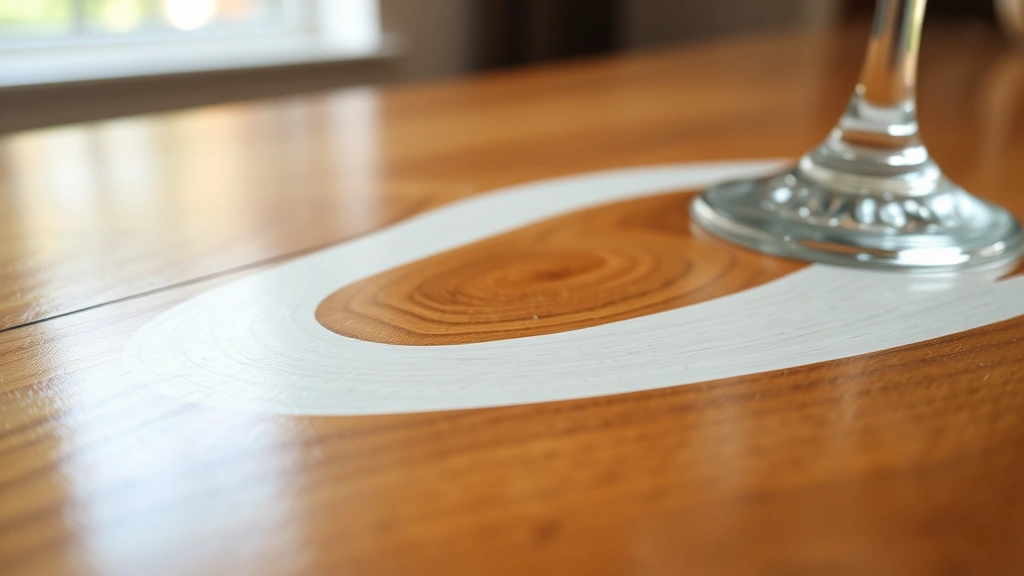
Water stains on wood furniture and floors are one of the most common household problems, yet they’re often easier to fix than homeowners think. Whether you’re dealing with a white ring from a wet glass on your dining table or dark stains from moisture damage, understanding the type of stain and the right removal technique can restore your wood to its original beauty. Most water stains fall into two categories: white stains (caused by moisture trapped in the finish) and dark stains (caused by water penetrating the wood itself), and each requires a different approach.
The good news is that you don’t always need expensive professional refinishing services or harsh chemicals. Many effective solutions use common household items you likely already have in your kitchen or bathroom. In this comprehensive guide, we’ll walk you through proven methods to tackle water stains, from simple heat treatments to deeper wood restoration techniques, so you can choose the best solution for your specific situation.
Understanding Water Stains on Wood
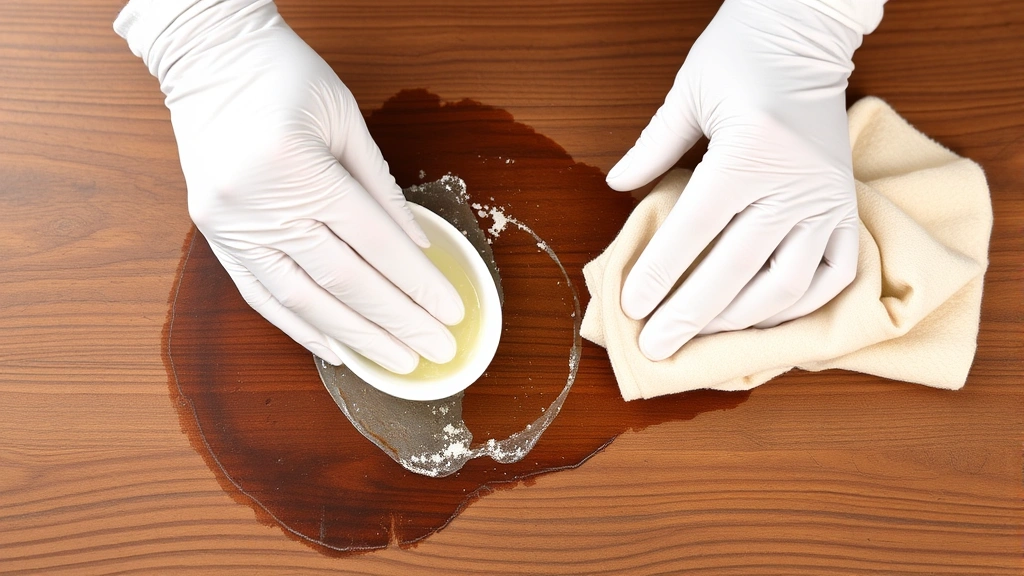
Before you start treating water stains, it’s essential to identify what type you’re dealing with. White water stains appear as light-colored rings or blotches on the wood surface and occur when moisture becomes trapped in the protective finish (varnish, polyurethane, or wax) rather than penetrating the actual wood. These are typically easier to remove because the wood underneath remains unharmed. Dark water stains, by contrast, indicate that water has soaked into the wood fibers themselves, causing discoloration and sometimes mold growth. Dark stains are more challenging because they require the moisture to be drawn out or the affected wood to be sanded away.
The severity of a water stain depends on several factors: how long the moisture sat on the wood, the wood species (softwoods like pine absorb water faster than hardwoods like oak), and whether the wood was sealed or finished. A fresh white stain on a well-finished surface might disappear with a simple heat treatment, while a month-old dark stain may require sanding and refinishing. Understanding this distinction will help you choose the most effective and least damaging removal method.
Similar to how you’d approach removing rust from stainless steel, wood stain removal requires patience and the right technique for your specific situation. Rushing the process or using overly aggressive methods can damage the wood finish or create new problems.
Quick Fixes for White Water Stains
Heat Treatment Method
The heat method is your first line of defense for white water stains and works by evaporating the trapped moisture from the finish. Using a hair dryer on medium heat, hold it 6-8 inches away from the stain and move it continuously in circular motions for 2-3 minutes. The gentle warmth helps moisture escape without damaging the wood or finish. Don’t use high heat, as this can create new problems like bubbling or discoloration. Many homeowners report success with this method within minutes, making it the easiest starting point before trying anything else.
If you don’t have a hair dryer, you can place a soft cloth over the stain and gently press a warm (not hot) iron onto it for 10-15 seconds. Always use low to medium heat and keep the iron moving to prevent burns. Test this on an inconspicuous area first to ensure your iron won’t damage the finish.
Baking Soda and Oil Paste
For stubborn white stains that don’t respond to heat, create a gentle abrasive paste using baking soda and olive oil or mineral oil. Mix three parts baking soda with one part oil to form a spreadable consistency. Apply this paste directly to the stain and gently rub it in circular motions using a soft cloth or your fingers. The mild abrasiveness of baking soda works with the oil to gradually lighten the stain without scratching the wood finish. After 2-3 minutes of gentle rubbing, wipe away the paste with a clean, damp cloth and dry thoroughly. This method is particularly effective on lacquered or varnished surfaces.
White Vinegar and Olive Oil Solution
Equal parts white vinegar and olive oil create an effective solution for white water stains. The vinegar helps break down the moisture while the oil protects and conditions the wood. Apply the mixture to the stain using a soft cloth, rubbing with the wood grain. The vinegar smell will dissipate as it dries. Wipe clean with a soft, dry cloth and buff to restore shine. This method is gentle enough for antique or delicate finishes and often works within 5-10 minutes.
Mayonnaise or Peanut Butter Method
This unusual but surprisingly effective technique relies on the oils in mayonnaise or peanut butter to draw out trapped moisture. Apply a generous amount directly to the white stain and let it sit for 1-2 hours (or overnight for stubborn stains). The oils penetrate the finish and help release the moisture. Wipe away the product with a soft cloth and clean with a slightly damp cloth. While this method sounds unconventional, many woodworkers swear by it for white ring stains on tables and desks.
Much like the techniques used in cleaning silver at home, these wood stain removal methods often involve household products that work through chemical reaction rather than abrasion.
Treating Dark Water Stains
Identifying Whether Stains Are Removable
Before investing time in dark stain removal, you need to determine whether the water damage is superficial or has penetrated deeply into the wood. Press on the stained area with your fingernail or a coin. If the wood feels soft or spongy, water damage has compromised the wood structure, and the affected area may need to be replaced rather than restored. If the wood feels solid, the stain is likely limited to the surface layers and can be treated.
Sanding Out Dark Stains
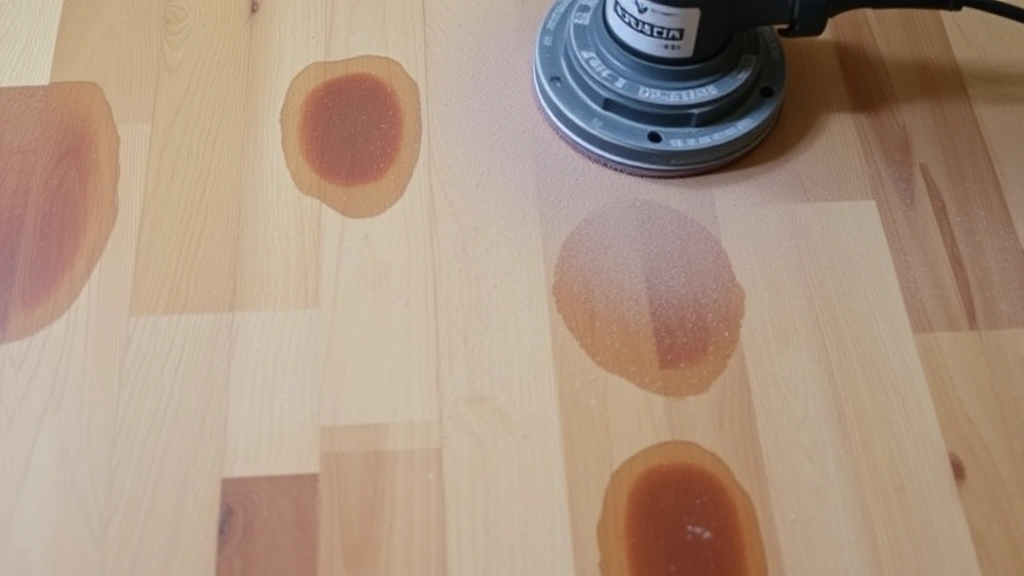
For dark stains that haven’t penetrated too deeply, sanding is often the most effective solution. Start with 80-120 grit sandpaper and sand in the direction of the wood grain. Sand only the stained area, working in small circular motions until the discoloration begins to fade. Progress to 150-220 grit sandpaper to smooth the surface. This method works well for small stains on unfinished or easily refinished wood surfaces. The key is to sand just enough to remove the stain without creating an obvious dull spot that stands out from the surrounding finish.
For best results, sand the entire board or panel rather than just the stained spot, as this ensures even coloring. After sanding, apply a wood conditioner followed by matching stain and finish to blend the repair seamlessly. If you’re uncomfortable with sanding techniques, consult resources from This Old House for detailed guidance on proper sanding procedures.
Bleaching Dark Stains
Oxalic acid, found in many wood bleaches, is specifically designed to lighten dark water stains in wood. This method works by breaking down the compounds that cause discoloration. Apply the bleach according to manufacturer instructions, usually by brushing or spraying it onto the stained area. Allow it to sit for the recommended time (typically 15-30 minutes), then rinse thoroughly with clean water and allow to dry completely. Sand lightly with fine-grit sandpaper and refinish as needed.
Always wear gloves and work in a well-ventilated area when using wood bleach. Test on a hidden area first, as bleach can lighten the surrounding wood. Some woods, particularly those with tannins like oak and walnut, may require multiple applications. Never mix wood bleach with other cleaners, as this can create dangerous chemical reactions.
Advanced Removal Techniques
Moisture Extraction for Severe Damage
If water has deeply penetrated the wood, you may need to extract the moisture rather than simply removing the stain. This is particularly important if there’s any sign of mold or mildew growth. Place absorbent materials like baking soda, activated charcoal, or specialized wood drying compounds directly on the affected area. Cover with plastic wrap to concentrate the moisture-drawing effect and leave for 24-48 hours. The absorbent material will draw water from the wood as it dries. This method works best combined with dehumidifiers and fans to speed the drying process and prevent mold growth.
For large areas of moisture damage, you may need professional-grade dehumidification equipment. Contact a water damage restoration specialist if you suspect structural water damage or extensive mold growth, as this can compromise the integrity of furniture or flooring.
Refinishing as a Last Resort
When stains persist despite all removal attempts, complete refinishing may be your best option. This involves stripping the old finish completely, sanding the wood down to bare wood, and applying new stain and protective finish. While more labor-intensive than spot treatments, refinishing guarantees complete stain removal and can refresh the entire piece. For valuable antique furniture, consult a professional refinisher who understands period-appropriate finishes and techniques.
The Family Handyman website offers comprehensive guides on furniture refinishing if you decide to tackle this project yourself. Be prepared to spend several days on this process, including drying time between coats.
Using Paste Wood Filler
For water stains that have created surface damage or gouges, paste wood filler can help restore appearance before refinishing. These products are available in various wood tones and can be applied directly to damaged areas, sanded smooth once dry, and stained or finished to match. This is particularly useful when stains have caused the wood to become splintered or rough.
Learning to remove water stains properly is similar to understanding other restoration techniques, like those covered in our guide to removing scratches from glasses, where different materials require different approaches.
Prevention Strategies
Proper Sealing and Finishing
The best water stain treatment is prevention. Ensure all wood surfaces are properly sealed with appropriate finishes. Polyurethane, varnish, and lacquer all provide moisture barriers, but they must be applied correctly with adequate coats. For high-moisture areas like bathrooms and kitchens, consider water-resistant finishes or marine-grade sealers. Check your finish annually and reapply as needed to maintain protection.
Immediate Spill Response
The moment you notice a spill on wood, blot it immediately with a soft cloth. Don’t let moisture sit, as the longer water remains on wood, the more likely it is to cause staining. For wet glasses or vases, use coasters and place protective pads under plant pots. This simple habit prevents most water stains from forming in the first place.
Environmental Control
Maintaining consistent humidity levels (ideally 30-50%) helps prevent water damage to wood throughout your home. Use dehumidifiers in damp areas and ensure proper ventilation in kitchens and bathrooms. During humid seasons, run air conditioning or fans to reduce moisture in the air. Wood naturally expands and contracts with humidity changes, and excessive moisture increases the risk of staining and structural damage.
Regular Maintenance
Apply furniture polish or wood conditioner every 3-6 months to maintain the protective finish and wood health. This regular maintenance helps seal minor gaps in the finish before water can penetrate. For wooden flooring, sweep regularly to remove moisture-trapping dust and use wood-specific cleaners designed to minimize water exposure. Visit home improvement retailers like Lowe’s for quality wood care products and protective coatings.
If you’re dealing with general household cleaning challenges, check out our comprehensive guide on how to clean jewelry for additional restoration techniques applicable to various materials.
FAQ
Can I remove water stains from wood without sanding?
Yes, many water stains can be removed without sanding, especially white stains. Heat treatment, baking soda paste, vinegar and oil solutions, and mayonnaise methods all work without sanding. However, dark stains that have penetrated deeply into the wood typically require sanding or bleaching for complete removal.
How long does it take to remove water stains from wood?
Simple white stain removal can take as little as 5-15 minutes using heat or oil-based methods. Dark stains requiring sanding or bleaching may take several hours or even days if refinishing is needed. The timeline depends on stain severity and the method chosen.
Is vinegar safe to use on all wood finishes?
While vinegar is generally safe for most finishes, test it on a hidden area first. Avoid using vinegar on waxed finishes, as the acidity can damage the wax. For antique or delicate finishes, stick with gentler methods like heat or mayonnaise treatment.
What’s the difference between water stains and water damage?
Water stains are surface discoloration caused by moisture and minerals. Water damage refers to structural compromise where wood becomes soft, warped, or develops mold growth. Water damage requires professional restoration, while stains can usually be treated at home.
Can I use bleach on all wood types?
Oxalic acid wood bleach is safe for most woods, but test first on hidden areas. Some woods like oak can become blotchy if over-bleached. Avoid chlorine bleach on wood, as it can damage the finish and create dangerous fumes when mixed with other products.
How do I prevent water rings on wood tables?
Use coasters under all glasses and cups, wipe spills immediately, and maintain proper humidity levels in your home. Apply protective finishes regularly and consider using table pads or placemats in high-use areas.
When should I call a professional for water stain removal?
Contact a professional if the water stain affects valuable antique furniture, if there’s visible mold growth, if the wood feels soft or damaged, or if the stain covers a large area. Professional refinishers have specialized equipment and expertise for severe damage.

Related Posts

Superscript in Google Docs: Expert Tips

Strikethrough in Excel: Easy Steps for Beginners
