
Remove Tooth Decay at Home? Expert Tips Inside
Tooth decay is one of the most common dental problems affecting millions of people worldwide. While professional dental treatment is always the best option for advanced decay, understanding what you can do at home to prevent decay progression and maintain oral health is essential. This guide explores practical strategies for managing early-stage tooth decay, preventive measures, and when professional intervention becomes necessary.
Tooth decay develops when bacteria in your mouth produce acids that attack tooth enamel and dentin. The process starts small but can rapidly worsen without proper intervention. Unlike other home repairs where you might fix scratches or corrosion, dental decay requires a balanced approach combining at-home care with professional oversight. Understanding the stages of decay and appropriate responses helps you make informed decisions about your oral health.
Understanding Tooth Decay Stages
Tooth decay progresses through distinct stages, and recognizing where your tooth falls in this progression is crucial for determining appropriate action. The earliest stage, called demineralization, occurs when acids attack tooth enamel but no cavity has formed yet. At this point, the decay is completely reversible with proper care and fluoride treatment.
The second stage involves enamel decay, where a small cavity begins forming on the tooth’s surface. You might notice a white spot or discoloration, but the decay hasn’t penetrated deeply. This stage still offers opportunities for non-invasive treatment, particularly with professional-grade fluoride applications.
Once decay reaches the dentin layer beneath the enamel, you’ve entered stage three. Dentin is softer than enamel and decays more rapidly. At this point, you’ll likely experience sensitivity to hot, cold, or sweet foods. The cavity becomes more noticeable and larger. This stage typically requires professional intervention, as home treatments alone cannot stop progression.
The final stage, pulp involvement, represents advanced decay where the infection reaches the tooth’s nerve. This causes severe pain and usually requires root canal treatment or extraction. Prevention and early intervention are absolutely critical to avoid reaching this stage.
Early Detection and Self-Assessment
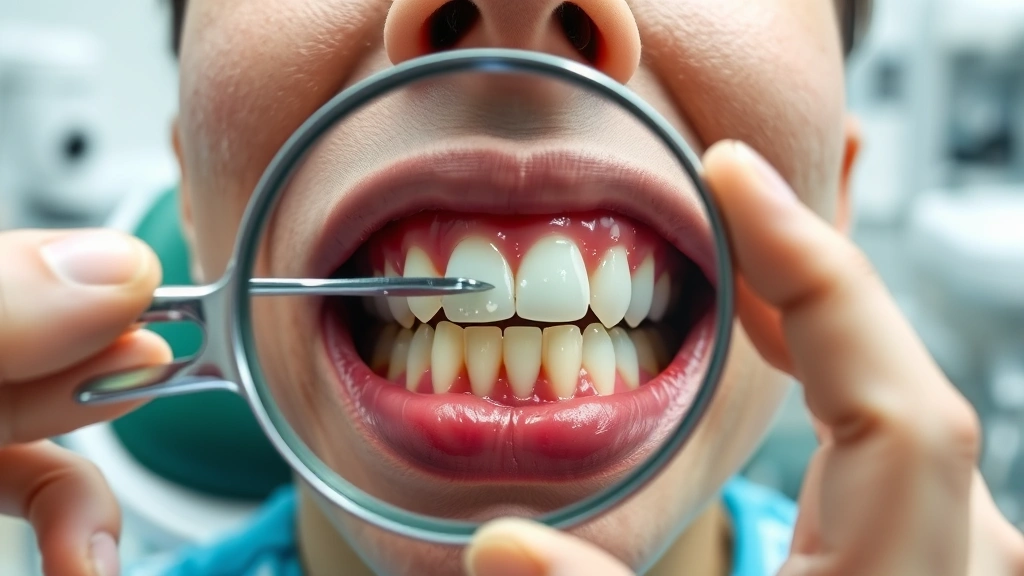
Learning to identify early signs of tooth decay empowers you to take action before problems escalate. Regular self-examination using a mirror and good lighting allows you to spot changes in your teeth. Look for white spots that don’t respond to brushing, brown or black discoloration, visible pits or holes, or areas where teeth feel rough to the touch.
Pay attention to tooth sensitivity, which often indicates decay is progressing. If you experience sharp pain when eating something cold or sweet, this suggests the decay has reached the dentin layer. Sensitivity that persists after eating typically warrants professional evaluation.
Check between teeth where decay commonly starts, as these areas are harder to clean. Use a mirror to examine the gum line, where decay frequently begins. Look for signs of gum recession, which exposes the softer root surfaces to decay.
Take note of any changes in tooth color or appearance. Decay often appears as darker spots or streaks on tooth surfaces. Discoloration that doesn’t disappear with brushing or professional cleaning may indicate deeper issues. However, remember that self-assessment has limitations—professional examination using specialized equipment detects decay before it’s visible to the naked eye.
At-Home Decay Management Strategies
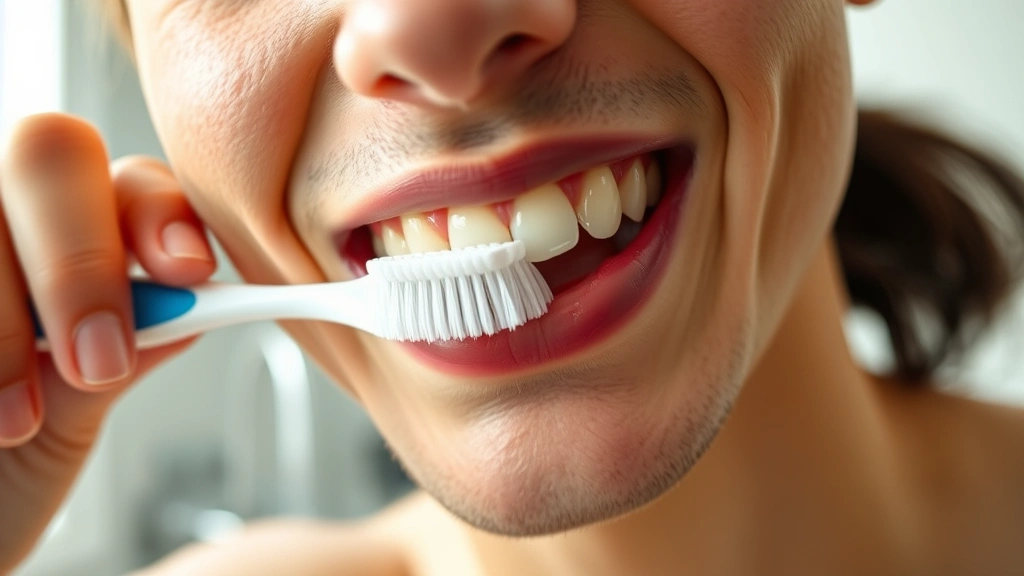
For early-stage decay, several at-home strategies can help halt progression and support remineralization. The most important step involves improving your oral hygiene routine. Brush your teeth twice daily with fluoride toothpaste, using a soft-bristled toothbrush and gentle circular motions. Many people brush too aggressively, which damages gum tissue and enamel.
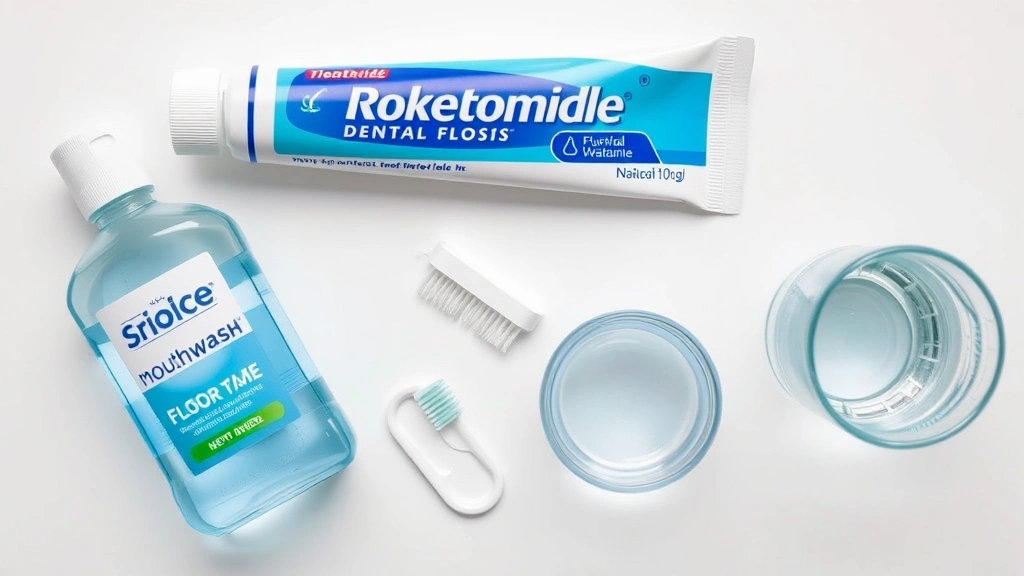
Flossing daily removes plaque and food particles from between teeth where decay commonly starts. Traditional string floss works well, but water flossers or interdental brushes offer alternatives if you struggle with conventional floss. Spend at least one minute flossing to ensure thorough cleaning between all tooth surfaces.
Fluoride is your most powerful at-home tool for combating early decay. Fluoride toothpaste strengthens enamel and reverses early demineralization. For more aggressive treatment, use fluoride mouthwash daily. Some people benefit from prescription-strength fluoride products available through their dentist. These professional-grade rinses contain higher fluoride concentrations than over-the-counter versions.
Limit acidic foods and beverages, which weaken enamel and accelerate decay. Acidic items include soft drinks, citrus fruits, wine, and sports drinks. When you consume acidic foods, wait at least 30 minutes before brushing to avoid damaging softened enamel. Rinsing with water immediately after consuming acidic items helps neutralize acids.
Reduce sugar consumption, as bacteria feed on sugars and produce decay-causing acids. This includes obvious sources like candy and soda, plus hidden sugars in seemingly healthy foods like yogurt and granola. If you eat sugary foods, do so during meals rather than as snacks, which allows saliva more time to neutralize acids between eating episodes.
Increase water intake, particularly fluoridated water. Water helps flush away food debris, dilutes acids, and promotes saliva production. Adequate hydration supports your mouth’s natural defense mechanisms against decay.
Natural Remedies and Preventive Care
While natural remedies cannot reverse established cavities—much like how removing rust from stainless steel requires specific chemical action—they can support your preventive efforts. Oil pulling, an ancient practice involving swishing coconut oil in your mouth, may reduce bacteria levels, though scientific evidence remains limited. If you try this approach, do so for 10-15 minutes daily, but don’t substitute it for brushing and flossing.
Saltwater rinses can help reduce inflammation and support gum health. Mix half a teaspoon of salt in warm water and rinse after meals. This simple remedy provides no direct cavity-fighting benefit but promotes overall oral health.
Xylitol, a natural sweetener, inhibits bacterial growth and may support remineralization. Sugar-free gum or mints containing xylitol can be beneficial, particularly after meals when you cannot brush immediately. Chewing stimulates saliva production, which naturally protects against decay.
Probiotics specifically formulated for oral health show promise in reducing harmful bacteria. These beneficial microorganisms help maintain a healthier oral microbiome. Look for products containing Lactobacillus or other proven strains.
Proper nutrition supports tooth health from within. Calcium-rich foods like dairy products, leafy greens, and fortified alternatives strengthen enamel. Vitamin D enhances calcium absorption, so adequate sun exposure or supplementation matters. Vitamin C supports gum health, while phosphorus works with calcium for enamel strength.
When to Seek Professional Help
Recognizing when home care is insufficient and professional treatment is necessary prevents decay from advancing to irreversible stages. Schedule a dental appointment if you notice visible cavities, experience persistent tooth pain, or see brown or black spots that don’t respond to improved hygiene. Professional cleaning removes tartar buildup that brushing cannot eliminate, addressing one of decay’s contributing factors.
If decay has progressed beyond the enamel stage, only professional intervention can stop it. Your dentist may apply fluoride varnish, which provides stronger protection than over-the-counter products. For cavities, dental fillings remove decay and restore tooth structure. Modern tooth-colored composite fillings blend seamlessly with natural teeth.
Regular professional cleanings every six months, or more frequently if you have gum disease, remove plaque and tartar. These appointments also allow your dentist to detect decay in early stages using X-rays and specialized examination tools. Early professional intervention prevents the need for more extensive and expensive treatment later.
Dental sealants provide preventive protection, particularly for back teeth where decay commonly starts. These thin plastic coatings seal grooves and pits where bacteria hide, significantly reducing decay risk in these vulnerable areas.
If you experience severe tooth pain, facial swelling, or fever, seek immediate professional care. These symptoms suggest infection that requires prompt treatment. Delaying care for advanced decay can lead to tooth loss and systemic health complications.
Long-Term Prevention and Maintenance
Preventing decay proves far more effective and economical than treating it. Establish a consistent daily routine that includes brushing twice daily with fluoride toothpaste, flossing once daily, and using fluoride mouthwash. This fundamental approach, similar to maintaining household items through regular cleaning, prevents most decay problems.
Schedule dental checkups every six months unless your dentist recommends more frequent visits. Professional monitoring catches problems early when treatment is simplest and most effective. Discuss your decay risk with your dentist—some people have naturally higher susceptibility due to genetics, saliva composition, or other factors.
Manage dry mouth, which significantly increases decay risk since saliva provides natural protection. If you experience dry mouth, discuss this with your dentist. Treatments range from sugar-free lozenges to prescription medications that stimulate saliva production.
Address teeth grinding (bruxism), which damages enamel and creates entry points for decay. Your dentist can fit you with a night guard to protect teeth while sleeping. Stress management and avoiding stimulants like caffeine before bed also help reduce grinding.
Consider your overall health, as conditions like diabetes increase decay risk. Managing systemic health conditions reduces complications affecting your teeth and gums. Medications that cause dry mouth similarly increase decay risk—discuss alternatives with your doctor if possible.
Avoid tobacco products, which damage gums and increase decay risk. Tobacco use also reduces saliva production and increases harmful bacteria in your mouth. Quitting tobacco provides immediate benefits for oral and overall health.
If you’ve had significant decay, your dentist may recommend additional preventive measures. These might include prescription fluoride toothpaste, antimicrobial rinses, or more frequent professional cleanings. Following these recommendations prevents recurrence and protects your remaining teeth.
FAQ
Can you reverse tooth decay at home?
Early-stage decay in the demineralization phase can be reversed through improved oral hygiene, fluoride use, and dietary changes. Once decay progresses to form a cavity that penetrates enamel, professional treatment is necessary. Home care cannot remove established decay or restore cavity structure.
What is the best at-home treatment for tooth decay?
Fluoride toothpaste combined with daily flossing, reduced sugar intake, and limiting acidic foods provides the most effective at-home approach. Prescription-strength fluoride products from your dentist offer enhanced benefits. However, these measures prevent decay rather than cure established cavities.
How long does it take for tooth decay to progress?
Decay progression varies significantly based on individual factors including saliva quality, diet, oral hygiene, and genetics. Early-stage decay might progress to a cavity within months, while in others it takes years. Once decay reaches dentin, it accelerates considerably.
Is tooth decay always painful?
No. Early-stage decay often causes no pain or symptoms. Pain typically develops once decay reaches the dentin layer or affects the pulp. By the time you feel pain, decay has usually progressed significantly. This underscores the importance of regular professional checkups.
Can I treat a cavity without going to the dentist?
No. Once a cavity forms, only professional treatment removes the decay and restores tooth structure. Over-the-counter products cannot remove established decay. Attempting to treat cavities at home allows decay to progress, potentially leading to tooth loss or serious infection.
What foods help prevent tooth decay?
Calcium-rich foods like dairy products, leafy greens, and fortified alternatives strengthen enamel. Foods high in phosphorus (nuts, meat) and vitamin D support tooth health. Water, particularly fluoridated water, is the best beverage. Avoid sugary drinks and foods that stick to teeth.
How often should I see a dentist if I have decay?
If you have active decay or a history of cavities, see your dentist every three to six months. More frequent visits allow early detection of new decay and professional reinforcement of prevention strategies. Your dentist will recommend the appropriate interval based on your individual risk.

Related Posts

Superscript in Google Docs: Expert Tips

Strikethrough in Excel: Easy Steps for Beginners
