

Remove Scratches from Glasses: Expert Tips
How to Remove Scratches from Glasses: Expert Tips and Techniques
Scratched lenses can be frustrating, especially when they affect your vision and the appearance of your eyewear. Whether you wear prescription glasses, sunglasses, or blue light blocking lenses, scratches are an inevitable part of daily wear. The good news is that depending on the severity of the damage, you may be able to repair minor scratches at home using proven methods and household items.
Understanding how scratches form and learning the right removal techniques can help you restore clarity to your lenses and extend the life of your glasses. This comprehensive guide covers everything from preventative measures to DIY repair methods and professional solutions.
Understanding Lens Scratches
Before attempting to remove scratches, it’s important to understand what you’re dealing with. Lens scratches vary in severity, from microscopic surface marks to deep gouges that penetrate the lens coating. Most eyeglass lenses today are made from materials like polycarbonate, trivex, or glass, and many have protective coatings including anti-reflective, scratch-resistant, and UV protection layers.
The type of scratch determines whether DIY removal is viable. Surface-level scratches that only affect the anti-reflective coating may be removable, while deep scratches that affect the lens structure itself typically require professional intervention or lens replacement. Scratches that impair vision significantly should be addressed by an optometrist rather than treated at home.
Identifying the scratch depth is your first step. Hold your glasses up to light and examine the affected area from multiple angles. If you can feel the scratch with your fingernail, it’s likely too deep for home repair. Surface scratches appear as light marks that don’t catch on your nail.
Prevention Tips to Avoid Scratches
The best approach to scratched glasses is preventing damage in the first place. Implementing proper care habits can significantly extend the life of your eyewear and maintain optical clarity.
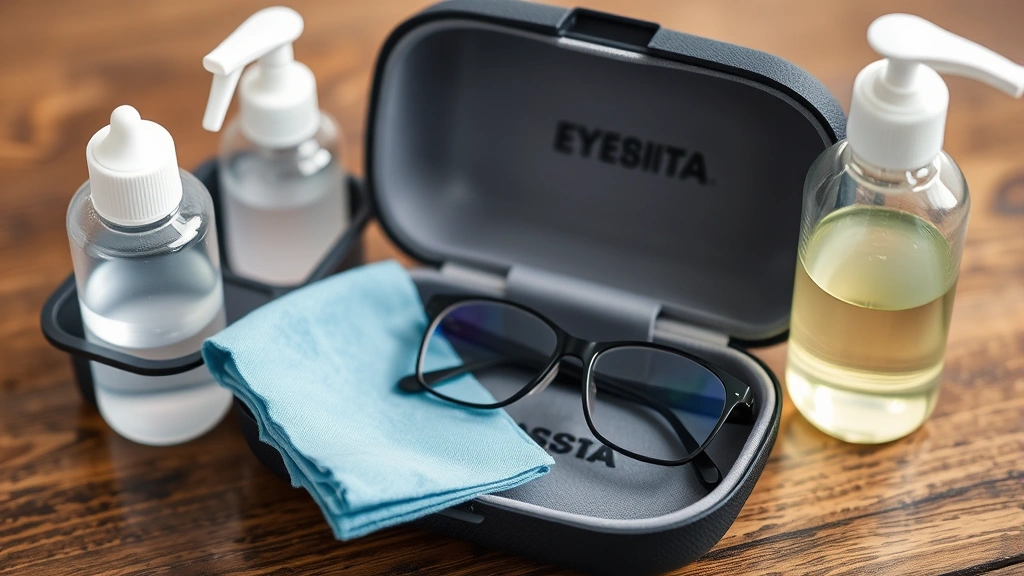
- Always use a protective case: Store your glasses in a hard case when not wearing them. This simple step prevents the majority of accidental scratches from daily contact with other objects.
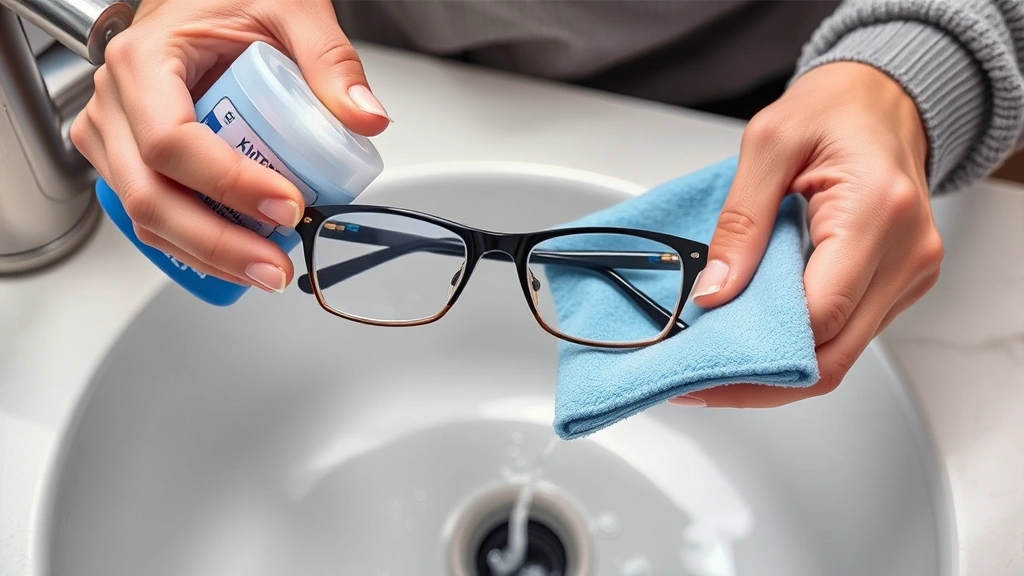
- Clean with proper technique: Use a microfiber cloth specifically designed for glasses. Avoid paper towels, tissues, or your shirt, which contain abrasive fibers that cause microscopic scratches over time.
- Rinse before wiping: When cleaning your glasses, rinse them under lukewarm water first to remove dust and debris. Dry wiping can drag particles across the lens surface, creating scratches.
- Use appropriate cleaning solution: Apply a lens-specific cleaning solution before wiping. This reduces friction and helps lift debris without scratching the surface.
- Keep away from extreme conditions: Avoid exposing your glasses to excessive heat, which can damage coatings and weaken the frame. Don’t leave them in direct sunlight for extended periods.
- Invest in scratch-resistant coatings: When purchasing new glasses, opt for lenses with factory-applied scratch-resistant coatings for added protection.
DIY Methods to Remove Scratches
Several household items and simple techniques can help diminish the appearance of minor scratches. These methods work best on surface-level damage that hasn’t penetrated deep into the lens material.
Baking Soda Method
Baking soda is one of the most popular DIY solutions for scratch removal. This mild abrasive can gently polish away surface scratches without damaging the lens.
- Mix baking soda with water to create a thick paste (approximately 1 part water to 3 parts baking soda)
- Apply the paste directly to the scratched area using a soft cloth
- Rub gently in circular motions for 5-10 seconds
- Rinse thoroughly under lukewarm water
- Dry with a clean microfiber cloth
- Examine the results and repeat if necessary
Toothpaste Approach
Non-abrasive toothpaste can work similarly to baking soda for minor scratches. The key is using toothpaste without harsh whitening agents or charcoal particles.
- Apply a small amount of non-gel, non-whitening toothpaste to the scratched lens
- Use a soft cloth to gently rub the area in circular motions
- Rinse thoroughly with lukewarm water
- Dry completely with a microfiber cloth
This method is less aggressive than baking soda and suits very minor scratches. Test on a less visible part of the lens first to ensure compatibility with your lens coating.
Cerium Oxide Polish
Cerium oxide is a professional-grade polishing compound often used by opticians. It’s more effective than household items and available online or at specialty stores.
- Dampen a microfiber cloth slightly with water
- Apply a small amount of cerium oxide powder to the cloth
- Polish the scratched area using gentle, circular motions
- Continue for 30-60 seconds, checking progress frequently
- Rinse thoroughly with water and dry completely
Vehicle Scratch Repair Products
Some car scratch repair kits contain compounds that work on glass lenses. Products designed for automotive glass may help with minor scratches on eyeglass lenses. Always test these products on a small area first, as they can be more abrasive than intended for eyewear.
Polishing and Buffing Techniques
Proper polishing technique matters more than the product used. Incorrect application can worsen scratches or damage coatings further.
Essential polishing principles include: Always use gentle pressure rather than aggressive scrubbing. Let the polishing compound do the work instead of relying on elbow grease. Work in small circular motions rather than back-and-forth strokes, which can create additional micro-scratches. Frequently check your progress by holding the lens up to light. Stop immediately if you notice the scratch isn’t improving or if the lens coating appears to be coming off.
Temperature control is also important. Never use hot water or apply heat directly to the lens, as this can damage coatings and warp the frame. Lukewarm water is ideal for rinsing. After polishing, allow glasses to air dry completely before wearing them, as moisture can interfere with optical clarity.
When polishing, work on one lens at a time and take breaks between applications. This prevents overworking the lens and allows you to assess results accurately. If you’re not seeing improvement after 2-3 attempts with the same method, the scratches are likely too deep for home repair.
Professional Repair Options
When DIY methods don’t work or scratches are severe, professional solutions are your best option. Optometrists and eyewear specialists have access to industrial-grade polishing equipment and replacement options.
Lens Polishing Services
Many optical shops offer professional polishing services. Opticians use specialized equipment and compounds that are more effective than household items. This is typically less expensive than lens replacement and works well for moderate scratches.
Lens Replacement
If scratches are deep or widespread, replacing the lenses while keeping your current frame is often the most practical solution. This costs significantly less than purchasing entirely new glasses and lets you maintain a frame style you love. This Old House recommends consulting with your optometrist about replacement options when damage is extensive.
Anti-Reflective Coating Reapplication
If scratches have damaged the anti-reflective coating, some optical shops can reapply this protective layer. This is different from scratch removal and requires specialized equipment but can restore lens clarity and appearance.
Long-Term Maintenance Guide
Maintaining your glasses properly prevents future scratches and keeps your vision clear. Establishing a routine care schedule extends the lifespan of your eyewear significantly.
Daily maintenance: Clean your glasses every morning and evening using proper technique. Keep a microfiber cloth with you at all times for quick cleanups. Never place glasses lens-down on hard surfaces. When not wearing them, store glasses in their protective case immediately.
Weekly care: Deep clean your glasses by rinsing them under lukewarm water with a small drop of dish soap. Use your microfiber cloth to gently dry them. Inspect the lenses for new scratches or coating damage. Clean your microfiber cloth weekly or replace it when it becomes dirty or worn.
Monthly checks: Examine your glasses for frame damage, loose hinges, or coating deterioration. If you notice problems developing, address them promptly before they worsen. Check that your case is still protective and replace it if it’s damaged.
Similar to how you’d maintain polished silver through regular cleaning, consistent eyeglass care prevents damage accumulation. Think of your lenses like a protective surface that benefits from gentle, consistent maintenance rather than aggressive intervention after damage occurs.
Storage best practices: Keep glasses away from extreme temperatures, direct sunlight, and humid environments. Never leave them in cars during hot weather, as heat can damage lens coatings and warp frames. Store them in a cool, dry location with their protective case.
Handling techniques: Always use both hands when putting on or removing glasses. Hold them by the frame, never by the lenses. When cleaning, support the frame with one hand while wiping with the other to prevent accidental bending or dropping.
For additional information on proper cleaning techniques, Family Handyman offers comprehensive household maintenance guides that include eyewear care. Understanding the protective coatings on your lenses helps you appreciate why gentle handling matters so much.
FAQ
Can all scratches be removed from glasses?
Not all scratches can be completely removed. Surface-level scratches on coatings respond well to polishing, but deep scratches that penetrate the lens material itself cannot be fully repaired. If scratches affect your vision, lens replacement is typically the best solution rather than attempting removal.
Is it safe to use baking soda on all lens types?
Baking soda is generally safe for most lens types, but it’s always wise to test it on a small area first. Some specialized coatings or lens materials may be sensitive to abrasive polishing. If your glasses have premium coatings, consult your optometrist before using any DIY polishing methods.
How much does professional lens polishing cost?
Professional polishing typically costs between $20-$75 per pair, depending on your location and the optical shop. This is significantly less expensive than lens replacement, which can range from $100-$400 depending on lens type and prescription complexity. Get quotes from local opticians for accurate pricing.
Can I prevent scratches completely?
While you cannot eliminate all scratch risk, proper storage and handling prevent the vast majority of damage. Using a protective case, cleaning with appropriate techniques, and handling glasses with care can extend their lifespan significantly. Most scratches result from preventable accidents like improper storage or using incorrect cleaning materials.
What’s the difference between scratches and cloudy vision?
Scratches are visible marks on the lens surface, while cloudy vision often results from coating degradation or moisture buildup inside the lens. If your vision is cloudy but you don’t see visible scratches, the issue is likely coating damage rather than scratches. This typically requires professional assessment and may warrant lens replacement.
How often should I replace my glasses?
With proper care, quality eyeglasses last 2-3 years or longer. However, if scratches accumulate significantly, your prescription changes, or the frame becomes damaged, replacement may be necessary sooner. Regular eye exams help determine when new glasses are needed.
Are expensive anti-scratch coatings worth it?
Anti-scratch coatings do provide meaningful protection against minor damage. While they add $30-$100 to the cost of glasses, they can extend lens life and reduce the need for replacements. If you have a history of scratched lenses, investing in this coating is worthwhile.

Related Posts

Superscript in Google Docs: Expert Tips

Strikethrough in Excel: Easy Steps for Beginners
