
Remove Rust from Stainless Steel? Expert Tips Inside
Stainless steel is renowned for its corrosion resistance, yet it’s not completely immune to rust. When rust does appear on stainless steel surfaces—whether on kitchen appliances, outdoor fixtures, or tools—it can be frustrating and unsightly. The good news is that removing rust from stainless steel is entirely manageable with the right approach and materials. Understanding why stainless steel rusts and how to safely remove discoloration will help you restore your items to their original shine.
Many homeowners assume stainless steel never rusts, but this common misconception leads to confusion when surface corrosion appears. Stainless steel contains chromium, which forms a protective oxide layer that resists rust. However, this protective layer can be compromised by salt, chlorine, iron particles, or scratches. When exposed to these elements, stainless steel can develop rust spots that range from light surface discoloration to more serious pitting. Learning how to remove rust from stainless steel properly ensures you don’t damage the underlying metal while restoring its appearance.
Why Stainless Steel Rusts
Understanding the root cause of rust formation on stainless steel helps you prevent future problems. Stainless steel’s protective chromium oxide layer requires oxygen to maintain its integrity. When this layer is disrupted—by physical damage, chemical exposure, or prolonged contact with corrosive substances—the underlying steel becomes vulnerable to oxidation.
Several factors accelerate rust development on stainless steel surfaces. Salt exposure is particularly problematic; coastal environments or road salt used in winter can penetrate the protective layer. Chlorine from pools and cleaning products similarly damages the chromium oxide barrier. Iron particles from contaminated water, grinding, or nearby metal work can lodge on stainless steel surfaces and begin rusting independently, creating the appearance of stainless steel rust. Even tap water in certain regions contains minerals that contribute to surface corrosion over time.
Scratches and surface damage are another common culprit. Unlike protective coatings on other metals, stainless steel’s defense is integral to its composition. Deep scratches that expose the underlying metal create pathways for oxygen and moisture to reach reactive iron components. This is why proper handling and maintenance of stainless steel items is crucial for longevity.
Identifying Rust Types on Stainless Steel
Not all discoloration on stainless steel is rust, and identifying the specific type helps you choose the most effective removal method. Surface rust appears as light brown or orange stains that sit on top of the metal without penetrating deeply. This is the easiest type to remove and responds well to gentle cleaning methods.
Pitting rust is more serious, characterized by small holes or pits in the stainless steel surface. This occurs when rust has begun eating into the metal itself rather than sitting on the surface. Pitting requires more aggressive treatment and may be irreversible if severe.
Crevice corrosion happens in areas where stainless steel contacts other materials or sits in tight spaces. Under gaskets, around fasteners, or where stainless steel meets other metals, moisture and contaminants can become trapped, creating ideal conditions for rust formation.
Before treating any rust, examine it closely to determine which type you’re dealing with. Use your fingernail or a soft cloth to test if the discoloration wipes away easily. If it does, you’re dealing with surface contamination or light rust. If it remains firmly attached, you’ll need more robust removal techniques. For serious pitting, professional refinishing may be necessary to restore appearance and prevent further deterioration.
Preparation and Safety Considerations
Proper preparation ensures effective rust removal while protecting both the stainless steel and your safety. Begin by gathering your materials and setting up a clean, well-ventilated work area. Never apply rust removal methods in enclosed spaces without proper ventilation, as some products release fumes.
Wear appropriate protective equipment throughout the process. Rubber gloves protect your hands from acidic solutions and abrasive materials. Safety glasses guard against splashing or particles, particularly when using steel wool or scrubbing tools. If using commercial chemical products, follow their specific safety instructions and wear gloves rated for chemical resistance.
Test any cleaning solution on an inconspicuous area first. This prevents accidental damage to visible surfaces and allows you to see how the stainless steel responds. Some aggressive methods can alter the finish or create unwanted texture changes if applied incorrectly.
Before beginning treatment, wash the affected area thoroughly with warm soapy water and dry completely. This removes loose dirt and surface contaminants, making your rust removal efforts more effective. For items that can be moved, work over a sink or tub to contain liquids and prevent mess.
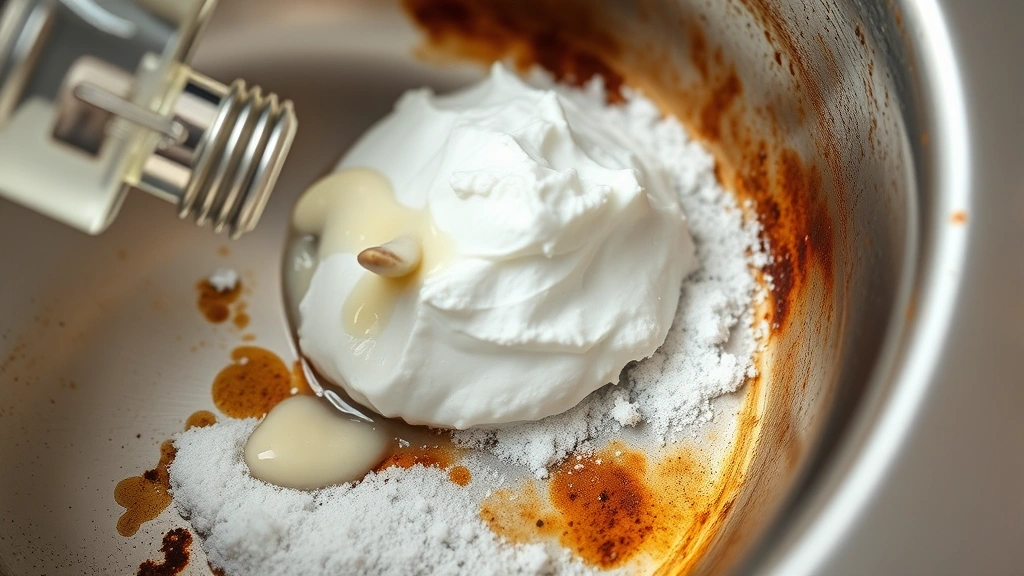
Method 1: White Vinegar and Baking Soda
This natural, non-toxic method is ideal for light surface rust and everyday stainless steel maintenance. White vinegar’s acidity dissolves rust without damaging the underlying metal, while baking soda provides gentle abrasive action. This combination is particularly safe for items that contact food, such as kitchen appliances and utensils.
Materials needed: White vinegar, baking soda, soft-bristled brush or cloth, bowl, and water.
Step-by-step process:
- Pour white vinegar into a bowl or spray bottle. For small items, you can submerge them entirely in vinegar. For larger surfaces, spray vinegar directly onto rust spots.
- Allow the vinegar to sit for 10-15 minutes. This gives the acidity time to penetrate and loosen rust deposits.
- Sprinkle baking soda directly onto the damp area. The combination of vinegar and baking soda creates a mild fizzing action that helps lift rust.
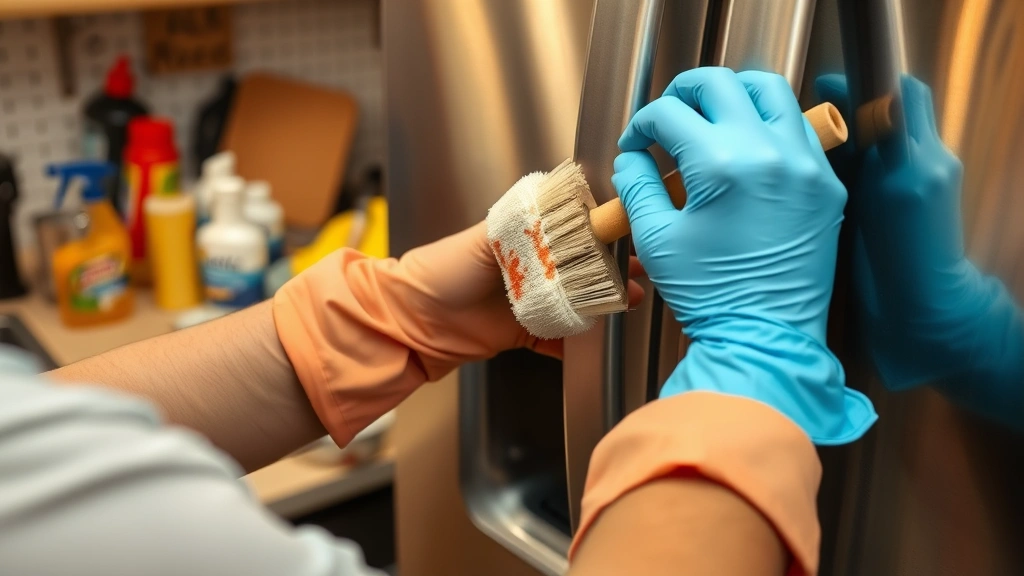
- Using a soft-bristled brush or non-abrasive cloth, gently scrub the rust spots in circular motions. Avoid aggressive scrubbing, which can scratch the stainless steel finish.
- Rinse thoroughly with clean water and dry immediately with a soft cloth. Moisture left on stainless steel can promote future rust formation.
- For stubborn rust, repeat the process or allow vinegar to sit longer before scrubbing.
This method works best on light surface rust and regular maintenance. For heavier rust deposits, you may need to combine this approach with other techniques or repeat the process multiple times. The beauty of this method is its safety and effectiveness on food-contact surfaces without chemical residue concerns.
Method 2: Lemon Juice and Salt
Lemon juice contains citric acid that dissolves rust effectively, while salt provides mild abrasive action. This natural combination is excellent for kitchen items and produces a pleasant scent compared to vinegar-based methods. The acidity level in lemon juice is similar to vinegar but often more palatable for food-preparation areas.
Materials needed: Fresh lemon juice, salt, soft cloth or sponge, and water.
Application steps:
- Cut a lemon in half and squeeze fresh juice into a small bowl. Bottled lemon juice works but fresh juice is more effective due to higher citric acid content.
- Sprinkle salt onto the rust spots or mix salt into lemon juice to create a paste for larger areas.
- Apply the mixture directly to rust spots and allow it to sit for 5-10 minutes.
- Using a soft cloth or non-abrasive sponge, gently rub the affected area. The salt provides texture without scratching stainless steel.
- Rinse thoroughly with clean water and dry immediately with a soft cloth.
- For persistent rust, repeat the application or let the lemon juice sit longer before scrubbing.
This method is particularly popular for kitchen sink rust and appliance discoloration because lemon juice is food-safe and leaves no chemical residue. The natural acidity is gentle enough for regular use without damaging the stainless steel’s protective layer. Many homeowners prefer this approach for items that will contact food, as there are no concerns about chemical absorption or harmful residues.
Method 3: Commercial Stainless Steel Cleaners
When natural methods prove insufficient, commercial stainless steel cleaners offer powerful rust removal with specialized formulations. These products are engineered specifically for stainless steel and often include protective agents that help prevent future corrosion. Brands available at hardware stores and online retailers provide varying levels of aggressiveness, from gentle polishes to heavy-duty rust removers.
Choosing the right product: Look for cleaners labeled specifically for rust removal on stainless steel. Avoid generic metal cleaners that may damage the protective chromium oxide layer. Read product labels carefully to understand whether the cleaner is safe for food-contact surfaces and what safety precautions apply.
Application process:
- Ensure the area is clean and dry before applying commercial cleaner.
- Follow the manufacturer’s instructions precisely, as different products have different application methods and dwell times.
- Apply the cleaner with a soft cloth, working in the direction of the grain if visible grain patterns exist.
- Allow the product to work for the recommended time—typically 5-15 minutes depending on the product’s strength.
- Scrub gently with a soft brush or cloth. Most commercial cleaners don’t require aggressive scrubbing.
- Rinse thoroughly with clean water and dry immediately with a clean cloth.
- Some commercial cleaners leave a protective finish, so avoid rinsing excessively if the product instructions indicate this.
When selecting commercial products, check This Old House‘s recommendations for trusted brands, or consult Family Handyman for product reviews. Quality stainless steel cleaners often provide better results than natural methods for severe rust and include conditioning agents that restore shine and luster.
Method 4: Steel Wool and Oil
For more stubborn rust that resists gentler methods, fine-grade steel wool combined with oil provides effective removal while protecting the stainless steel finish. This method requires more care and attention than gentler approaches but yields excellent results on moderate rust deposits. The key is using the finest available steel wool grade and working carefully to avoid creating new scratches.
Materials needed: Fine-grade steel wool (0000 or finer), mineral oil or white vinegar, and soft cloth.
Detailed procedure:
- Dampen the stainless steel surface with water and apply a light coating of mineral oil. The oil lubricates the steel wool and prevents excessive friction.
- Using very light pressure, rub the rust spots with steel wool in circular motions. Let the steel wool do the work; excessive force creates unwanted scratches and surface damage.
- Work systematically across the affected area, checking progress frequently. Stop as soon as rust is removed to avoid over-working the surface.
- Wipe away steel wool particles and oil residue with a clean, damp cloth.
- Dry thoroughly with a soft cloth. Any remaining moisture can initiate new rust formation.
- If desired, apply stainless steel polish to restore shine and create a protective layer.
This method is particularly effective on cookware, sink fixtures, and appliances where rust has penetrated slightly below the surface. However, it requires patience and a gentle touch to avoid creating new surface damage. Always use the finest steel wool available—coarser grades can leave permanent scratches that compromise the stainless steel’s appearance and protective properties.
Polishing and Protective Finishing
After successfully removing rust, applying a protective finish maintains the stainless steel’s appearance and helps prevent future corrosion. Polishing serves both aesthetic and functional purposes, restoring shine while creating a barrier against environmental contaminants. The finishing step is just as important as the rust removal itself for long-term stainless steel care.
Polishing techniques: Use a microfiber cloth to apply stainless steel polish in circular motions, following the direction of the grain when visible. Work in small sections, buffing each area thoroughly before moving to the next. Quality stainless steel polish contains oils and protective agents that seal the surface and enhance natural luster.
For food-contact surfaces, ensure any polish used is food-safe and approved for items that may contact edibles. Many commercial stainless steel polishes contain mineral oil or similar food-safe ingredients specifically formulated for kitchen use.
Creating a protective layer: After polishing, apply a thin coat of mineral oil to kitchen stainless steel items. This creates a temporary protective layer that repels water and contaminants. Reapply oil regularly—typically monthly for frequently-used items—to maintain protection. For non-food-contact surfaces like outdoor stainless steel fixtures, use silicone-based protectants designed for exterior use.
The grain direction of stainless steel is important when polishing. Always work parallel to the grain rather than against it. This maintains the finish’s appearance and prevents creating scratches that stand out against the grain pattern. If your stainless steel doesn’t have visible grain, polish in circular motions for uniform appearance.
Prevention Strategies
Preventing rust from forming in the first place is far easier than removing it after the fact. Understanding what causes rust on stainless steel allows you to implement preventive measures that extend the life and appearance of your items. A consistent maintenance routine prevents the need for aggressive rust removal treatments.
Regular cleaning: Wash stainless steel items weekly with warm soapy water and dry immediately. This simple routine removes contaminants before they can damage the protective chromium oxide layer. Don’t allow water to sit on stainless steel surfaces; standing moisture accelerates rust formation.
Avoid harsh chemicals: Bleach, ammonia-based cleaners, and strong acids damage stainless steel’s protective layer. Use only cleaners specifically formulated for stainless steel or gentle natural alternatives like vinegar and baking soda. When using any cleaning product, follow manufacturer instructions and test on inconspicuous areas first.
Minimize salt and chlorine exposure: In coastal areas or near pools, rinse stainless steel items more frequently to remove salt deposits. Chlorine from cleaning products and pool chemicals should be rinsed away immediately. Cover outdoor stainless steel fixtures during winter months in areas where road salt is used for de-icing.
Protect scratches: Handle stainless steel carefully to avoid creating scratches that expose underlying metal. Use cutting boards with kitchen knives rather than cutting directly on stainless steel surfaces. Place protective pads under items that sit on stainless steel to prevent scratching from repeated contact.
Control humidity: In high-humidity environments, use dehumidifiers to reduce moisture levels. Excess moisture in the air accelerates rust formation on any exposed metal surfaces. In kitchens, ensure proper ventilation to remove cooking steam that can deposit minerals on stainless steel.
Separate dissimilar metals: Avoid prolonged contact between stainless steel and other metals like carbon steel, aluminum, or copper. When these metals contact stainless steel in the presence of moisture, galvanic corrosion can occur. Use rubber or plastic spacers to keep dissimilar metals separated.
For related rust removal techniques applicable to other metals, explore our guide on how to remove rust from metal, which covers broader approaches for various metal types. If you’re dealing with rust on cast iron specifically, our detailed article on how to remove rust from cast iron provides specialized techniques for that material. Additionally, similar corrosion issues appear in other contexts; learn about how to remove battery corrosion for related oxidation problems. For those interested in cleaning related items, our guide on how to clean jewelry covers similar gentle cleaning techniques applicable to delicate metal items.
FAQ
Can stainless steel really rust?
Yes, stainless steel can rust despite its reputation for corrosion resistance. The chromium oxide layer that protects stainless steel can be compromised by salt, chlorine, scratches, and iron particle contamination. Once this protective layer is damaged, the underlying steel becomes vulnerable to oxidation and rust formation.
Is vinegar safe to use on stainless steel?
White vinegar is safe for stainless steel when used properly. Its acidity helps dissolve rust without damaging the underlying metal. However, avoid leaving vinegar on stainless steel for extended periods, and always rinse and dry thoroughly after use. For food-contact surfaces, vinegar is an excellent chemical-free option.
What’s the difference between surface rust and pitting?
Surface rust sits on top of the stainless steel and can be wiped or scrubbed away. Pitting occurs when rust has begun eating into the metal itself, creating small holes or pits that are permanent. Pitting requires more aggressive treatment and may be irreversible if severe.
How often should I polish stainless steel?
The frequency depends on usage and environmental conditions. Kitchen stainless steel used daily benefits from weekly cleaning and monthly polishing. Outdoor stainless steel or items in harsh environments may require more frequent polishing. Regular light maintenance prevents the need for heavy-duty rust removal.
Are commercial stainless steel cleaners worth the cost?
For severe rust or regular professional-looking maintenance, commercial cleaners are worthwhile investments. They’re engineered specifically for stainless steel and often include protective agents. However, natural methods like vinegar and baking soda work well for light maintenance and cost significantly less.
Can I use baking soda alone to remove rust?
Baking soda alone has minimal rust-removal capability; it works best combined with an acid like vinegar or lemon juice. The acid dissolves rust while baking soda provides gentle abrasive action. Using them together is more effective than either alone.
What should I do if rust returns frequently?
Frequent rust return indicates ongoing exposure to corrosive elements. Evaluate your environment for salt, chlorine, or iron particle sources. Increase cleaning frequency, apply protective oils regularly, and consider whether the item’s location or usage can be modified to reduce rust-promoting conditions.

Related Posts

Superscript in Google Docs: Expert Tips

Strikethrough in Excel: Easy Steps for Beginners
