
Reheat Ribs? Chef-Approved Techniques
How to Reheat Ribs: Chef-Approved Techniques for Perfectly Tender Results
Nothing disappoints quite like reheating leftover ribs only to find them dry, tough, and nothing like the succulent meat you enjoyed fresh off the grill. Whether you’re dealing with baby back ribs, spare ribs, or St. Louis-style cuts, the reheating method you choose makes all the difference between mediocre leftovers and restaurant-quality results. Most home cooks make the mistake of using high heat or microwaving, which strips away moisture and leaves ribs rubbery and unappetizing.
The good news is that with the right techniques, your leftover ribs can taste nearly as good as the day they were cooked. Professional chefs and barbecue experts have perfected several methods that preserve the tender texture and smoky flavor you worked hard to achieve. This comprehensive guide walks you through every proven approach, from low-and-slow oven reheating to sous vide and steam methods, so you can choose the technique that works best for your situation.
Why Ribs Dry Out When Reheated
Understanding the science behind rib deterioration helps you appreciate why certain reheating methods work better than others. Ribs are composed of muscle fibers surrounded by collagen and fat. When you cook ribs properly the first time, the collagen converts to gelatin, which keeps the meat moist and tender. The fat also helps retain moisture and flavor throughout the cooking process.
When you reheat ribs using high-temperature methods like microwaving or direct high heat, several problems occur simultaneously. The muscle fibers contract rapidly, squeezing out the precious moisture they contain. The remaining fat can oxidize and become rancid, creating unpleasant flavors. The surface of the meat can become overcooked while the interior remains cold or unevenly heated. This is why low-and-slow reheating methods consistently outperform quick approaches.
Temperature is absolutely critical. According to This Old House‘s home improvement resources, the goal when reheating any meat is to raise the internal temperature gradually and evenly. For ribs specifically, you want to reach approximately 165-170°F internally without exceeding that temperature significantly, as excessive heat will continue to cook the meat and dry it out further.
The Oven Method: Best for Most Situations
The low-temperature oven method is widely considered the gold standard for reheating ribs, and for good reason. This approach gently warms the meat while preserving moisture, texture, and flavor. Professional barbecue restaurants and catering companies rely on this method because it’s reliable, scalable, and produces consistent results every single time.
Step-by-step oven reheating process:
- Preheat your oven to 250°F. This low temperature is crucial—higher temperatures will dry out the ribs
- Remove ribs from refrigeration and let them sit at room temperature for 10-15 minutes. This promotes even heating throughout
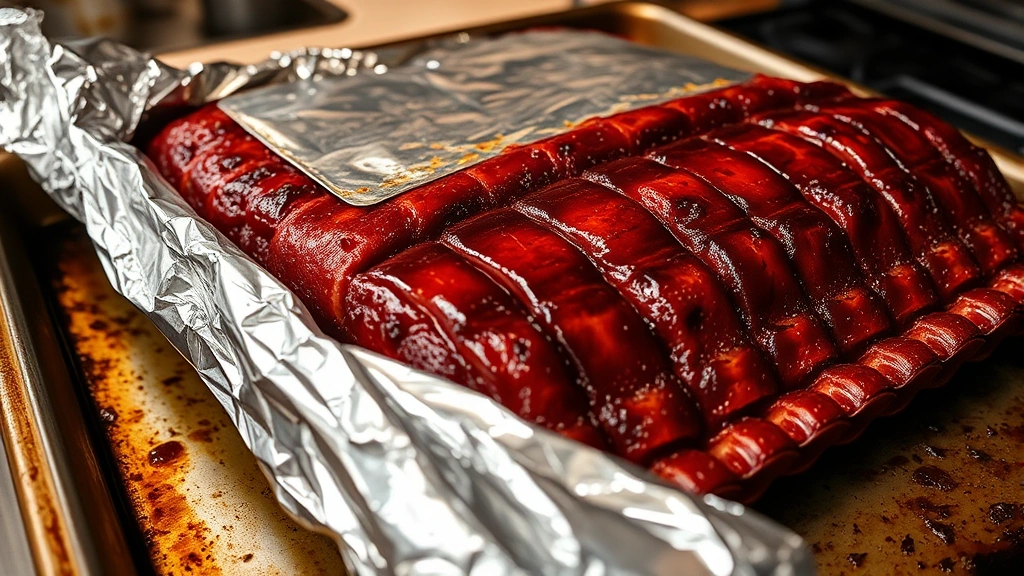
- Wrap the ribs tightly in aluminum foil. This creates a steaming effect that locks in moisture
- Optional but recommended: add a thin layer of barbecue sauce, apple juice, or beef broth to the foil packet before sealing. This adds moisture and flavor
- Place the wrapped ribs on a baking sheet and insert into the preheated oven
- Reheat for 15-20 minutes for a small rack, or 20-30 minutes for larger portions. The exact time depends on thickness and starting temperature
- Check the internal temperature with a meat thermometer. You’re aiming for 165-170°F
- Remove from oven and carefully unwrap the foil, being cautious of escaping steam
- Optional: brush with fresh barbecue sauce and place under the broiler for 1-2 minutes to add a light glaze and restore some surface texture
This method works beautifully whether you’re reheating a single rack or multiple racks. The foil acts as insulation and creates a moist microclimate that essentially steams the ribs from the inside out. You’ll notice the meat becomes noticeably more tender and juicy compared to other methods.
For those interested in mastering other meat reheating techniques, our guide on how to reheat prime rib covers similar low-temperature principles that apply to various cuts of meat.
Steaming Ribs for Maximum Moisture
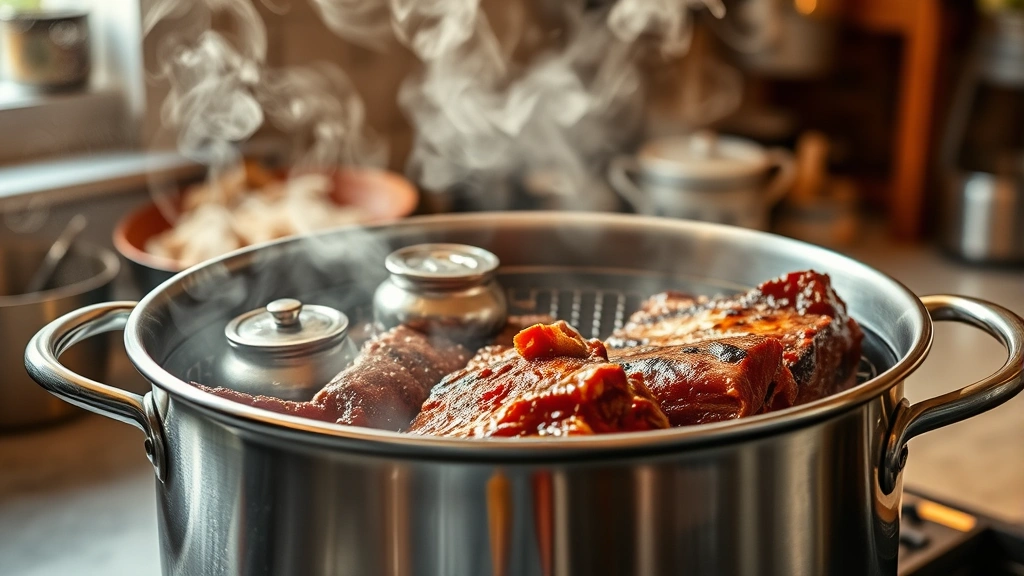
Steaming is arguably the most effective method for restoring ribs to near-original condition, particularly if they’ve been refrigerated for several days. This method uses moisture and gentle heat to plump up the meat fibers and restore juiciness that may have been lost during storage.
Stovetop steaming method:
- Fill a large pot with about 2 inches of water and bring to a boil
- Place a steamer basket or colander inside the pot, ensuring the water doesn’t touch the bottom of the basket
- Cut ribs into individual bones or 2-3 bone sections for faster, more even heating
- Arrange ribs on the steamer basket, layering if necessary
- Cover the pot with a tight-fitting lid to trap steam
- Steam for 8-12 minutes, depending on rib thickness and quantity
- Check temperature with a meat thermometer to ensure they’ve reached 165°F
- Remove carefully and pat dry with paper towels to prevent excess moisture
The beauty of steaming is its speed and efficiency. You can reheat a full rack of ribs in under 15 minutes, making this ideal when you’re short on time. The meat emerges incredibly tender and juicy, sometimes even more so than the oven method. However, steaming can slightly diminish the smoky flavor, so many people finish steamed ribs by quickly searing them on a hot grill or in a cast-iron skillet.
You can also add flavor to the steaming water by including apple cider vinegar, bourbon, or beef broth instead of plain water. This infuses subtle flavors into the ribs as they steam.
Grilling or Smoking Leftover Ribs
If you have access to a grill or smoker and want to restore that authentic barbecue flavor, reheating ribs over indirect heat is an excellent option. This method actually improves the surface texture by creating a slightly caramelized exterior while keeping the interior moist.
Low-heat grilling technique:
- Preheat your grill to low heat, around 225-250°F
- If using a charcoal grill, position coals to one side, creating an indirect heat zone
- If using a gas grill, preheat all burners then turn off one side, creating a cool zone
- Brush grill grates with oil to prevent sticking
- Place ribs on the cooler side of the grill, bone-side down
- Close the lid and reheat for 10-15 minutes
- For added flavor, add soaked wood chips to the coals or smoker box
- Check internal temperature, aiming for 165°F
- During the last 2-3 minutes, brush with your favorite barbecue sauce
- Move to slightly hotter zone for 1-2 minutes to caramelize the sauce
This method is particularly effective if your ribs have lost their smoky character. The low heat prevents them from drying out while the smoke and heat create a delicious surface crust. This is the preferred method for true barbecue enthusiasts who want to maximize flavor.
Sous Vide Reheating for Perfect Precision
For those with a sous vide machine, this method offers unparalleled precision and consistency. Sous vide cooking uses precisely controlled water temperature to heat food evenly throughout, making it virtually impossible to overcook ribs.
Sous vide reheating process:
- Fill your sous vide container with water and set the temperature to 165°F
- Allow the water to reach temperature before adding ribs
- Place ribs in a vacuum-seal bag or high-quality freezer bag
- Add a tablespoon of barbecue sauce or broth to enhance flavor
- Seal the bag using a vacuum sealer or water displacement method
- Submerge the bag in the water bath
- Cook for 20-30 minutes depending on rib thickness
- Remove from the bag and pat dry
- Optional: sear on a hot skillet or grill for 1-2 minutes per side to create a crust
Sous vide is the most foolproof method because the water temperature prevents the ribs from ever exceeding your target temperature. This means you can’t accidentally overcook them, even if you forget about them for a while. The results are consistently tender, juicy, and evenly heated throughout.
Slow Cooker Method for Busy Days
If you prefer a hands-off approach, a slow cooker can effectively reheat ribs while you attend to other tasks. This method is particularly convenient for meal prep or when you’re managing a busy schedule.
Slow cooker reheating instructions:
- Lightly coat the slow cooker insert with cooking spray or butter
- Place ribs in the slow cooker, standing them up or layering them
- Add liquid: use barbecue sauce, apple juice, beef broth, or a combination
- Use approximately ½ cup of liquid for every 2-3 pounds of ribs
- Cover and cook on LOW for 2-3 hours
- Check temperature after 2 hours to avoid overcooking
- Once ribs reach 165°F, remove them immediately
- Optional: brush with additional sauce and broil for 1-2 minutes for a better texture
The slow cooker method works well for larger quantities and is nearly impossible to mess up. The extended cooking time at low temperature ensures even heating, and the liquid keeps everything moist. However, the texture tends to be slightly softer than other methods, so the optional broiling step helps restore some textural appeal.
Storage Tips to Preserve Quality
How you store your ribs initially significantly impacts how well they reheat. Proper storage techniques can mean the difference between ribs that taste nearly fresh and ones that are noticeably degraded.
Refrigerator storage:
- Allow ribs to cool to room temperature before refrigerating
- Store in an airtight container or wrap tightly in plastic wrap and aluminum foil
- Refrigerated ribs stay fresh for 3-4 days
- Store any sauce separately to prevent sogginess
Freezer storage:
- Wrap ribs individually in plastic wrap to prevent freezer burn
- Place wrapped ribs in a freezer-safe bag and remove as much air as possible
- Label with the date for easy tracking
- Frozen ribs maintain quality for up to 3 months
- Thaw in the refrigerator overnight before reheating, never at room temperature
Proper storage is just as important as the reheating method itself. Ribs that have been stored poorly will never taste as good as those stored correctly, regardless of which reheating technique you use. For additional tips on preserving food quality, Family Handyman offers excellent guidance on home food storage solutions.
Many people find it helpful to portion ribs into individual servings before storing, which allows for more precise reheating and reduces the chance of uneven temperatures. You can reheat exactly what you need without unnecessarily reheating the entire batch.
FAQ
Can you reheat ribs in the microwave?
While technically possible, microwaving is the least recommended method for reheating ribs. Microwaves heat food unevenly and very quickly, which causes the outer portions to overheat while the center remains cold. This results in tough, dry, rubbery texture. If you must use a microwave, place ribs on a microwave-safe plate, cover loosely with a damp paper towel, and use 50% power for 2-3 minutes, checking frequently. However, any of the methods described above will produce significantly better results.
How long does it take to reheat ribs?
Reheating time varies by method. Steaming takes 8-12 minutes, oven reheating takes 15-30 minutes, grilling takes 10-15 minutes, sous vide takes 20-30 minutes, and slow cooking takes 2-3 hours. The oven method offers a good balance between speed and quality for most home cooks.
What temperature should ribs reach when reheated?
Ribs should reach an internal temperature of 165-170°F when reheated. Use a meat thermometer to check the thickest part of the meat without touching bone. This temperature is hot enough to be safe and enjoyable without being so hot that it further dries out the meat.
Can you reheat ribs more than once?
Yes, you can technically reheat ribs multiple times, but each reheating degrades quality slightly. It’s better to reheat only the portion you plan to eat and store the rest. If you must reheat multiple times, use gentle methods like steaming or low-temperature oven reheating rather than high-heat methods.
How do you restore flavor to reheated ribs?
Adding liquid during reheating helps restore moisture and flavor. Use barbecue sauce, apple juice, beef broth, or a combination. You can also brush fresh sauce on during the final minutes of cooking. Finishing with a quick sear or broil step creates a caramelized exterior that improves both flavor and texture.
Do you need to remove the membrane before reheating?
If the membrane is still on the ribs, you can leave it during reheating. However, most people prefer to remove it first for better texture and easier eating. If you’re reheating whole racks, leaving the membrane on actually helps hold the ribs together.
What’s the best reheating method for a large quantity of ribs?
For large quantities, the oven method is most practical. You can reheat multiple racks simultaneously by stacking them in foil packets. The slow cooker also works well for large batches, though it requires more time. Steaming in batches is another option if you have a large steamer setup.

Related Posts

Superscript in Google Docs: Expert Tips

Strikethrough in Excel: Easy Steps for Beginners
