
Reheat Prime Rib: Chef-Approved Techniques
How to Reheat Prime Rib: Chef-Approved Techniques for Perfect Results
Prime rib is one of the most luxurious cuts of beef, prized for its marbling, tenderness, and rich flavor. Whether you’ve prepared this impressive roast for a special occasion or have delicious leftovers from a restaurant meal, knowing how to properly reheat prime rib is essential to preserving its quality. Many home cooks make the mistake of using high heat or the microwave, which can result in a tough, dry, and disappointing piece of meat.
The key to reheating prime rib successfully lies in using low, gentle heat that warms the meat evenly without cooking it further or drying it out. Professional chefs employ several proven techniques that maintain the tender texture and succulent juiciness that makes prime rib so special. This comprehensive guide walks you through multiple methods, from slow oven reheating to sous vide preparation, ensuring your leftover prime rib tastes nearly as good as the original.
With the right approach, you can enjoy restaurant-quality prime rib at home any time you have leftovers. Let’s explore the best ways to bring this premium cut back to life while maintaining its original excellence.
Low Oven Reheating Method
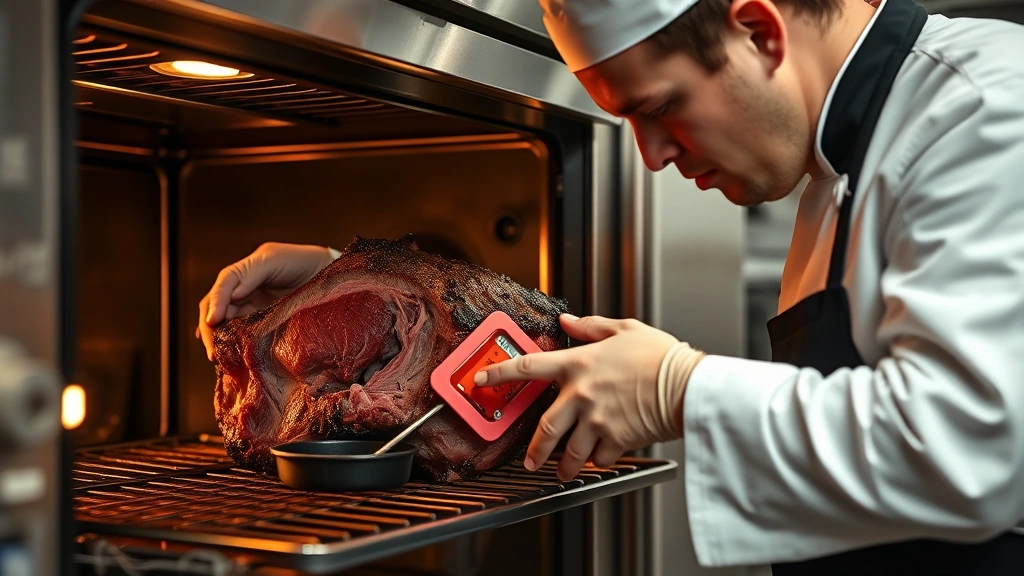
The low oven method is widely considered the gold standard for reheating prime rib and is favored by professional chefs across the country. This technique uses gentle, dry heat to warm the meat gradually from the outside in, preventing the loss of moisture and maintaining the beautiful pink center that characterizes a perfect prime rib.
Step-by-step instructions:
- Remove your prime rib from the refrigerator 30-45 minutes before reheating. This critical step allows the meat to reach closer to room temperature, ensuring even heating throughout.
- Preheat your oven to 250°F (120°C). This low temperature is the secret to preventing overcooking.
- Place the prime rib on a roasting pan lined with aluminum foil. If you have the original drippings or au jus, add a small amount to the bottom of the pan—about ¼ cup.
- Cover the roast loosely with foil to prevent the exterior from browning too quickly while the interior warms.
- Insert a meat thermometer into the thickest part of the roast, being careful not to touch bone.
- Place the pan in the oven and monitor the temperature. For medium-rare, reheat until the internal temperature reaches 130-135°F (54-57°C).
- This process typically takes 15-30 minutes depending on the size of your prime rib cut.
- Remove from the oven and let it rest for 5-10 minutes before carving or serving.
This method works exceptionally well for whole roasts or large sections. The beauty of the low oven approach is its forgiving nature—even if reheating takes slightly longer than expected, the low temperature prevents drying out or overcooking.
Water Bath and Sous Vide Technique
For those seeking absolute precision and restaurant-quality results, the water bath method (or sous vide) represents the most advanced reheating technique available. This method uses precisely controlled water temperature to reheat the meat to the exact doneness you desire, with virtually no risk of overcooking.
Using a dedicated sous vide machine:
- Slice your prime rib into individual steaks or leave as a large piece, depending on your preference.
- Place the prime rib in a vacuum-sealed bag or a high-quality freezer bag with the air removed using the water displacement method.
- Set your sous vide machine to 129°F (54°C) for medium-rare or 135°F (57°C) for medium.
- Submerge the sealed bag completely in the water bath and reheat for 20-30 minutes.
- Remove from the bag and pat dry with paper towels.
- For an optional finishing touch, quickly sear the exterior in a hot cast-iron skillet for 30-60 seconds per side to restore the crust.
Water bath without a sous vide machine:
If you don’t own a dedicated sous vide device, you can create an improvised water bath. Fill a large pot or Dutch oven with water and use a reliable cooking thermometer to maintain the temperature between 130-135°F. Keep the heat low and adjust as needed to maintain a steady temperature. Place your sealed bag of prime rib in the water and monitor for 30-45 minutes. While less precise than a dedicated machine, this method still produces excellent results when done carefully.
The water bath technique is particularly useful when exploring various cooking and preparation guides for entertaining guests, as you can prepare the prime rib hours in advance and reheat it just before serving.
Stovetop Searing Approach
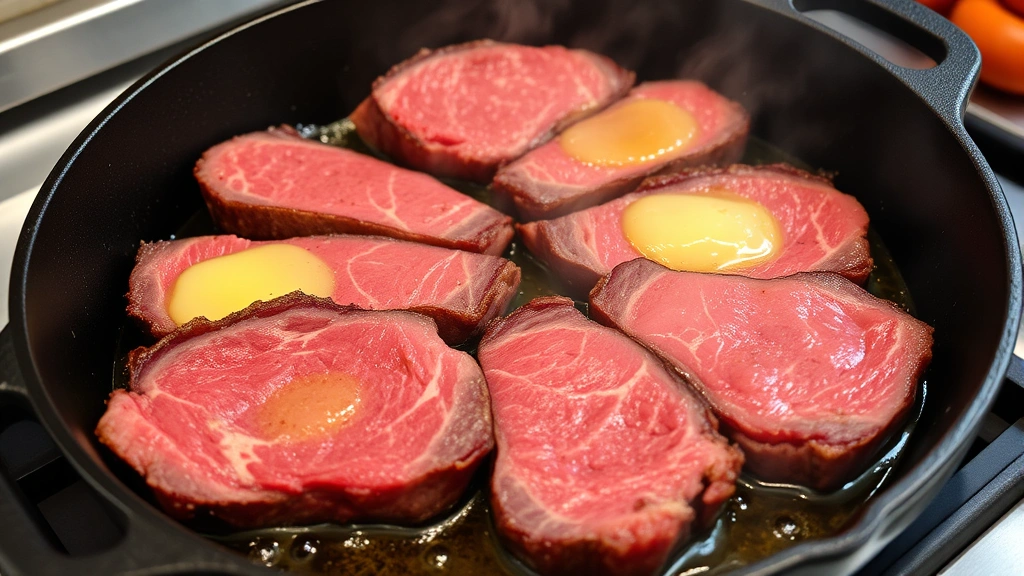
The stovetop method works best for individual steaks or smaller pieces of prime rib. This technique combines dry heat with direct contact, allowing you to control the reheating process while achieving a beautiful exterior crust.
Instructions for stovetop reheating:
- Remove your prime rib steaks from the refrigerator and allow them to reach room temperature for 20-30 minutes.
- Pat the steaks completely dry with paper towels—moisture prevents proper browning and even heating.
- Heat a cast-iron skillet over medium heat for 2-3 minutes until it’s hot but not smoking.
- Add a small amount of butter or high-heat oil to the skillet.
- Place the prime rib steaks in the pan and cook for 2-3 minutes per side, depending on thickness.
- Check the internal temperature with a meat thermometer—aim for 130-135°F (54-57°C) for medium-rare.
- If the steaks need additional warming, reduce heat to medium-low and continue cooking, checking temperature frequently.
- Remove from heat and let rest for 3-5 minutes before serving.
This method is ideal when you’re short on time or reheating individual portions. The quick sear creates a flavorful crust while the lower interior temperature ensures the meat remains tender and juicy. Be careful not to let the exterior burn while the interior is still cold—this is why medium heat is essential.
Reheating in Au Jus
If you have access to the original pan drippings or a quality beef au jus, this method adds incredible flavor while keeping the prime rib moist. Au jus is a thin, savory gravy made from beef drippings and broth, and it’s the perfect medium for gentle reheating.
Step-by-step au jus reheating:
- Warm your au jus in a large, shallow pan or skillet over low heat until it reaches a gentle simmer.
- Slice your prime rib into serving portions if desired, or leave whole.
- Carefully place the prime rib into the simmering au jus.
- Maintain the temperature at a gentle simmer—never allow it to boil aggressively, as this can toughen the meat.
- Reheat for 10-15 minutes for sliced portions, or 20-30 minutes for a whole roast, until the internal temperature reaches 130-135°F.
- Remove the prime rib from the au jus and serve immediately with the au jus spooned over top.
This method is particularly effective because the flavorful liquid keeps the meat incredibly moist while adding richness to every bite. The au jus also helps distribute heat evenly throughout the meat, preventing any cold spots.
Proper Storage and Preparation
Before you can successfully reheat prime rib, you must store it correctly. Proper storage is just as important as the reheating method itself, as it preserves the meat’s quality and food safety.
Refrigerator storage:
- Cool the prime rib to room temperature quickly—don’t leave it sitting out for more than 2 hours.
- Wrap the meat tightly in plastic wrap or aluminum foil to prevent oxidation and drying.
- Store in the coldest part of your refrigerator (typically the back of a lower shelf).
- Properly stored prime rib will keep for 3-4 days in the refrigerator.
- Keep any au jus or drippings in a separate airtight container.
Freezer storage:
- For longer storage, wrap the prime rib in plastic wrap first, then aluminum foil for extra protection.
- Consider using vacuum-sealed bags for the best protection against freezer burn.
- Label the package with the date for easy reference.
- Frozen prime rib will maintain quality for 2-3 months.
- Thaw in the refrigerator overnight before reheating—never at room temperature.
Proper storage prevents the growth of harmful bacteria and maintains the meat’s texture and flavor. When you’re ready to reheat, the quality of your storage directly impacts your results. Just as with maintaining kitchen appliances for optimal performance, maintaining proper food storage practices ensures the best outcomes.
Temperature and Doneness Guide
Understanding the relationship between internal temperature and doneness is crucial for reheating prime rib to perfection. Unlike initial cooking, when reheating you’re aiming to reach your target temperature without further cooking the meat.
Doneness temperature chart:
- Rare: 125°F (52°C) – Deep red center, very juicy
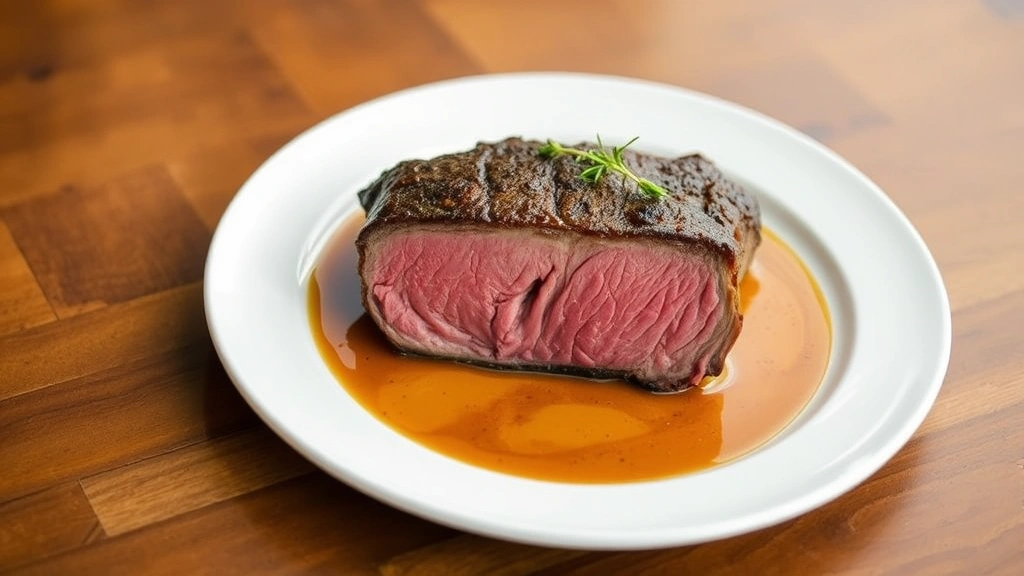
- Medium-rare: 130-135°F (54-57°C) – Warm red center, ideal for prime rib
- Medium: 135-145°F (57-63°C) – Warm pink center
- Medium-well: 145-150°F (63-66°C) – Mostly cooked through
- Well-done: 160°F (71°C) and above – No pink
For prime rib, medium-rare is the universally recommended doneness level. This temperature range preserves the tender, juicy characteristics of the meat while ensuring food safety. Professional steakhouses almost always serve prime rib at medium-rare unless specifically requested otherwise.
Using a meat thermometer effectively:
- Invest in a high-quality instant-read meat thermometer for accurate readings.
- Insert the thermometer into the thickest part of the meat, avoiding bone.
- For even-sized cuts, take multiple readings from different locations.
- Allow the thermometer to stabilize for 2-3 seconds before reading.
- Remember that carryover cooking will raise the temperature 3-5°F after removal from heat.
Because of carryover cooking, remove your prime rib from heat when it reaches 125-130°F and let it rest. By the time it reaches the table, it will have climbed to your target temperature of 130-135°F for medium-rare.
FAQ
Can you reheat prime rib in the microwave?
While technically possible, reheating prime rib in the microwave is not recommended by chefs and will likely result in uneven heating, tough texture, and dry meat. Microwaves heat food by exciting water molecules, which causes the meat to lose moisture rapidly. If you must use a microwave, place the prime rib on a microwave-safe plate, cover loosely with a damp paper towel, and use the lowest power setting (30% power) for 1-2 minute intervals, checking frequently. However, any of the methods described above will produce vastly superior results.
How long does it take to reheat prime rib?
Reheating time varies by method. The low oven method typically takes 15-30 minutes for a roast. The water bath or sous vide method takes 20-30 minutes. The stovetop method is fastest at 4-6 minutes for individual steaks. The au jus method takes 10-30 minutes depending on the size of your cut. All of these timelines assume the meat starts at refrigerator temperature.
Can you reheat prime rib multiple times?
While technically you can reheat prime rib multiple times, each reheating cycle degrades the quality slightly. For food safety and quality reasons, it’s best to reheat only once. If you have leftovers after reheating, refrigerate them and consume within 1-2 days rather than reheating again.
What’s the best way to reheat a large prime rib roast?
For a large roast, the low oven method is ideal. It distributes heat evenly throughout the large cut without drying the exterior. The water bath method also works well if you have the equipment, as it ensures precise, even reheating regardless of size. Avoid stovetop methods for large roasts, as the exterior will overcook before the center warms through.
Should you cover prime rib while reheating?
In the oven, loosely covering with foil helps prevent the exterior from browning too quickly while the interior warms. In a water bath, the sealed bag provides the covering. On the stovetop, no covering is necessary. The key is preventing moisture loss while ensuring even heat distribution.
Can you reheat frozen prime rib without thawing?
It’s not recommended to reheat prime rib directly from frozen, as the exterior will overheat while the interior remains cold. Always thaw frozen prime rib in the refrigerator overnight before reheating. This ensures even heating and the best texture. Thawing in the refrigerator also maintains food safety standards.
What temperature should au jus be when reheating prime rib?
The au jus should be at a gentle simmer, around 180-190°F (82-88°C). Never allow it to boil aggressively, as this can toughen the meat and cause it to lose moisture. A gentle simmer slowly brings the prime rib to the target temperature while keeping it moist and flavorful.

Related Posts

Superscript in Google Docs: Expert Tips

Strikethrough in Excel: Easy Steps for Beginners
