

How to Read Tarot Cards: A Beginner’s Guide
How to Read Tarot Cards: A Beginner’s Guide
Tarot cards have captivated people for centuries, offering a window into reflection, intuition, and self-discovery. Whether you’re drawn to them out of curiosity, spiritual interest, or simply as a fun hobby, learning how to read tarot cards doesn’t require mystical powers or years of study. What it does require is patience, an open mind, and a willingness to connect with the symbolic language these cards speak. Think of it as learning a new dialect—one that communicates through archetypal imagery and layered meanings.
The beauty of tarot lies in its accessibility. You don’t need to be psychic, intuitive, or even particularly spiritual to develop a meaningful tarot practice. Many people find that reading tarot cards becomes a meditative tool for clarifying their thoughts, exploring different perspectives, or simply enjoying the art and storytelling woven into each deck. This guide will walk you through the fundamentals, from understanding the card structure to conducting your first reading with confidence.
Much like learning to interpret symbols in other contexts—whether you’re learning how to read the Bible, understanding how to read sheet music, or exploring how to read manga—tarot reading is fundamentally about decoding meaning from visual and narrative cues. The difference is that tarot combines personal intuition with established interpretive frameworks, making it a uniquely flexible practice.
Understanding the Tarot Deck Structure
A standard tarot deck contains 78 cards, each with its own illustration, name, and symbolic meaning. This might seem overwhelming at first, but the structure is actually quite logical. The deck is divided into two main sections: the Major Arcana and the Minor Arcana. Understanding this fundamental division is your first step toward reading tarot with confidence.
The word “arcana” comes from Latin and means “secrets” or “mysteries.” In tarot, these aren’t secrets kept from you—they’re the universal human experiences and truths that the cards represent. When you hold a tarot deck, you’re literally holding a book of wisdom encoded in imagery and symbolism.
Most tarot decks follow a traditional structure established centuries ago, though modern decks often add creative twists to the artwork and interpretations. What remains consistent across nearly all decks is the numerical and categorical organization. This consistency means that once you learn the fundamentals with one deck, you can apply that knowledge to virtually any tarot deck you encounter.
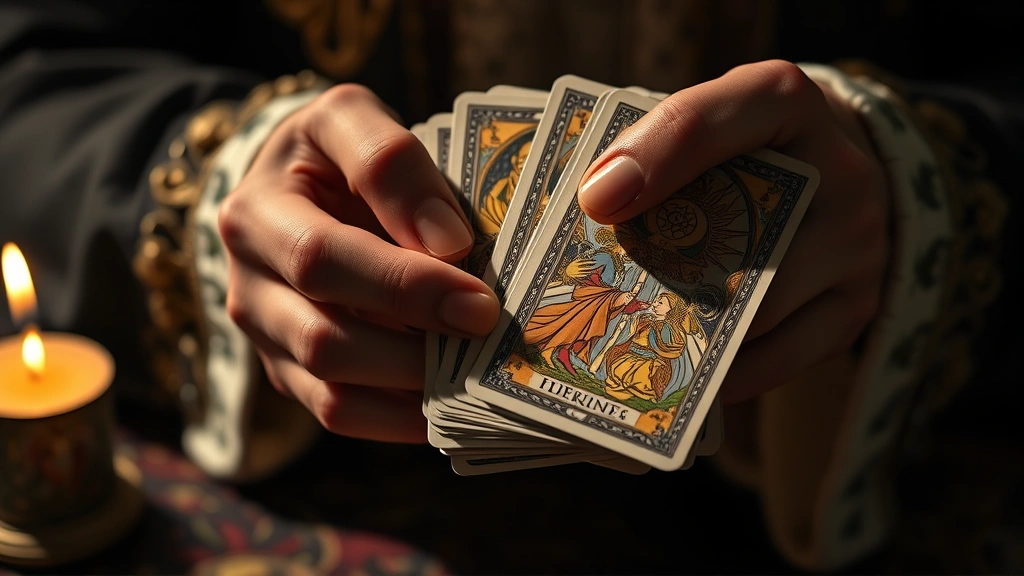
The Major and Minor Arcana Explained
The Major Arcana consists of 22 cards numbered from 0 to 21. These cards represent significant life themes, spiritual lessons, and major turning points. Think of them as the main characters and pivotal moments in a story. Cards like The Fool, The Magician, The High Priestess, and The World carry weight and significance. When Major Arcana cards appear in a reading, they typically indicate important themes or transformative events.
The Minor Arcana contains 56 cards divided into four suits: Wands, Cups, Swords, and Pentacles. Each suit corresponds to different life areas and elements. Wands relate to creativity, passion, and fire. Cups connect to emotions, relationships, and water. Swords represent intellect, communication, and air. Pentacles deal with material matters, work, and earth. Within each suit, cards are numbered one through ten, followed by four court cards: Page, Knight, Queen, and King.
The Minor Arcana cards address everyday situations and influences. They’re the supporting cast in your life’s narrative, providing context and detail to the bigger picture painted by the Major Arcana. A reading might feature mostly Minor Arcana cards, indicating that current concerns are manageable and situational rather than representing major life shifts.
Understanding this structure helps you approach readings more systematically. You’re not randomly interpreting 78 isolated cards; you’re working with an organized system where each card’s position within its category carries meaning.
Learning Card Meanings and Symbolism
Every tarot card contains layers of meaning. The most straightforward approach for beginners involves learning the upright (positive or neutral) and reversed (challenging or inverted) meanings for each card. However, becoming a skilled reader means understanding the symbolism that supports these meanings.
Let’s examine a practical example. The card called “The Hermit” from the Major Arcana typically depicts a solitary figure holding a lantern in darkness. Upright, this card suggests introspection, seeking wisdom, or a period of solitude for reflection. Reversed, it might indicate isolation, loneliness, or avoiding necessary self-examination. But understanding the symbolism—the lantern as enlightenment, the mountain as spiritual elevation, the solitude as intentional withdrawal—gives you flexibility in interpretation that goes beyond memorization.
Begin by studying the imagery in your chosen deck. Most tarot decks come with guidebooks explaining the artist’s interpretation of each card. Read these descriptions, but also spend time simply looking at the cards. What emotions do they evoke? What story does the imagery tell? This personal connection to the cards is crucial for developing your reading intuition.
Many beginners find it helpful to create flashcards with key meanings, symbols, and associations. This tactile learning method reinforces memory and helps you internalize the meanings more deeply than passive reading. You might also discover that learning tarot shares similarities with other interpretive skills—much like how people learn how to read guitar tabs or understand how to read tabs, tarot reading involves recognizing patterns and applying consistent interpretive frameworks.
Essential Reading Techniques for Beginners
Before you shuffle and lay out cards, establish a framework for your reading. The most common beginner-friendly spreads are simple and direct. Let’s explore several techniques that work well when you’re starting out.
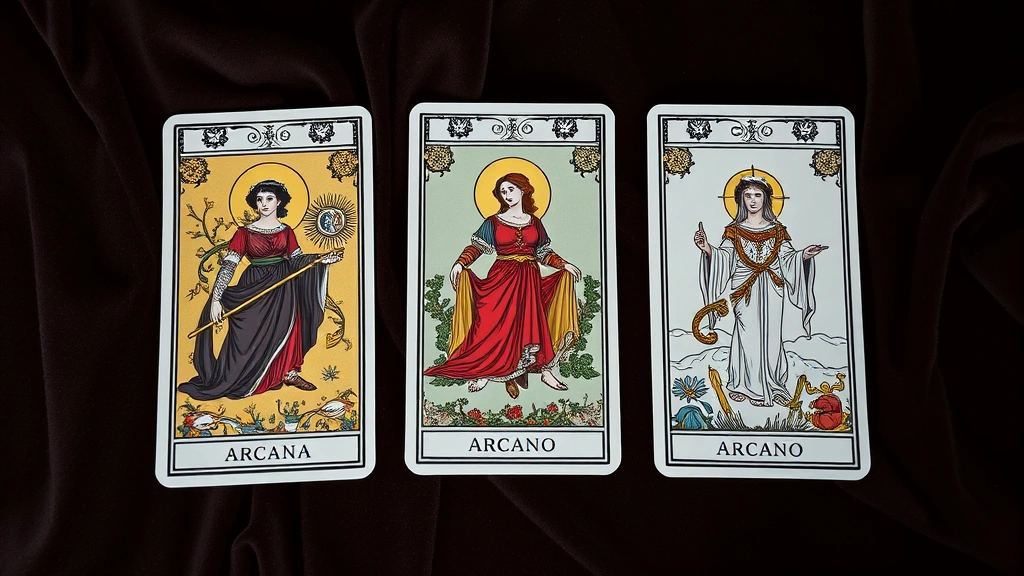
The Three-Card Spread is perfect for beginners. Shuffle your deck while focusing on a question or situation. Draw three cards and lay them out left to right. These might represent past-present-future, situation-action-outcome, or mind-body-spirit. The simplicity of this spread lets you focus on interpretation without managing complex card positions.
The Celtic Cross is more advanced but worth learning. This traditional ten-card spread provides comprehensive insight into a situation. Cards are placed in a specific pattern, each position representing different aspects like challenges, influences, hopes, and outcomes. While more complex than three-card spreads, the Celtic Cross’s structured approach actually makes interpretation clearer once you understand each position’s meaning.
For any spread, follow these steps consistently:
- Set an intention or question before shuffling
- Shuffle thoroughly, maintaining focus on your question
- Cut the deck if desired (this is optional but many readers prefer it)
- Draw cards in the order your chosen spread requires
- Lay cards face-down, then reveal them one at a time
- Interpret each card’s meaning in context of its position
- Consider how cards relate to each other, not just individually
The key to effective reading is staying present and thoughtful. Avoid rushing through interpretations. Let the cards speak to you, and notice which meanings resonate most strongly with your question or situation.
Conducting Your First Tarot Reading
Now that you understand the structure and basic techniques, let’s walk through your first complete reading. This practical approach will give you confidence to continue developing your skills.
Step One: Preparation. Find a quiet space where you won’t be interrupted. Some readers light candles, play soft music, or create a dedicated reading space. This isn’t necessary, but these elements help create a focused mindset. Hold your deck and spend a moment centering yourself. Take a few deep breaths and think about what you’d like guidance on.
Step Two: Formulate Your Question. Be specific but open-ended. Instead of “Will I get the job?” try “What do I need to know about this job opportunity?” This approach invites deeper reflection rather than yes-or-no answers. Tarot works best as a tool for exploration rather than prediction.
Step Three: Shuffle and Draw. Shuffle your deck thoroughly, maintaining focus on your question. When you feel ready, cut the deck and draw your cards according to your chosen spread. If you’re using a three-card spread, draw three cards and lay them face-down in a row.
Step Four: Reveal and Interpret. Turn over the first card and observe it without judgment. What’s your immediate reaction? Now consult your guidebook or knowledge of the card’s meaning. Consider how this card relates to your question. Then move to the second and third cards, building a narrative that connects all three.
Step Five: Synthesize the Message. Step back and look at all three cards together. Do they tell a coherent story? Are there repeated themes or symbols? The reading’s real power often emerges when you see how individual cards connect and create a larger picture.
For more authoritative guidance on interpretive practices, consult resources like The Tarot Foundation or Biddy Tarot’s comprehensive card meanings guide, which provide detailed card interpretations and reading frameworks.
Common Mistakes to Avoid
Over-relying on Guidebooks. While guidebooks are helpful references, avoid reading interpretations mechanically without considering your specific context. The best readings incorporate both the established meanings and your intuitive understanding of how those meanings apply to your situation.
Seeking Definitive Answers. Tarot isn’t a prediction tool that guarantees specific outcomes. Instead, it’s a reflection tool that helps you explore possibilities and gain perspective. If you approach readings looking for absolute certainty, you’ll miss the nuanced guidance tarot actually offers.
Ignoring Card Combinations. A single card’s meaning shifts based on surrounding cards. The Five of Pentacles next to the Ace of Pentacles suggests different circumstances than the Five of Pentacles appearing with the Ten of Swords. Always consider how cards interact.
Rushing the Learning Process. Many beginners try to memorize all 78 card meanings immediately. This leads to surface-level learning and quick forgetting. Instead, focus on learning 10-15 cards deeply before expanding. Quality understanding beats quantity.
Neglecting Your Intuition. While learning established meanings matters, tarot reading ultimately requires trusting your gut. If a card’s traditional meaning doesn’t resonate in your reading context, follow your intuition. Your personal relationship with the cards matters more than rigidly adhering to guidebook definitions.
For additional perspective on developing reading skills, explore resources like Learn Tarot’s beginner-focused tutorials or Aeclectic Tarot’s extensive database of card meanings from different traditions.
Frequently Asked Questions
Do I need to be psychic to read tarot cards?
Absolutely not. Tarot reading is a skill anyone can develop with practice and study. You don’t need supernatural abilities—just curiosity, patience, and willingness to learn the card meanings and interpretive frameworks. Many successful readers describe themselves as intuitive rather than psychic, meaning they’ve developed their ability to notice patterns and connect symbolism through dedicated practice.
What’s the difference between upright and reversed cards?
Upright cards (right-side up) generally represent the card’s primary or positive meaning. Reversed cards (upside-down) typically indicate challenges, delays, or inverted aspects of the card’s meaning. However, some readers don’t use reversals, finding them unnecessarily complicated. As a beginner, you might start without reversals and add them once you’re comfortable with upright meanings.
Should I only read for myself, or can I read for others?
You can do both. Many readers find that reading for themselves provides personal insights and practice opportunities. Reading for others develops your communication skills and confidence. If you read for others, remember that tarot isn’t fortune-telling—it’s exploratory. Frame readings as tools for reflection, not prophecy.
How often should I practice reading tarot cards?
Consistency matters more than frequency. Even 15 minutes of daily practice beats sporadic marathon sessions. Regular practice helps you internalize card meanings and develop your intuitive connection to the deck. Many readers do a daily single-card draw for themselves, building familiarity and confidence gradually.
Can tarot cards give me a definitive answer to my question?
Tarot works best as a reflection and exploration tool rather than a yes-or-no answer source. The cards show possibilities, influences, and perspectives—not fixed futures. Life involves countless variables and choices, making definitive predictions impossible. Use tarot to clarify your thinking and explore different angles of a situation, not to avoid making your own decisions.
What if I draw a card I don’t like or that seems negative?
Cards like The Tower, The Devil, or The Ten of Swords might seem negative, but they often carry valuable messages. The Tower represents necessary change and breakthrough. The Devil suggests recognizing patterns you’ve created. The Ten of Swords indicates an ending that makes way for new beginnings. Challenge cards frequently offer the most important guidance. Avoid the temptation to reshuffle when you dislike a card—that card probably appeared for a reason.
Do I need an expensive deck to start reading?
No. While beautiful, high-end decks are appealing, any deck works equally well for learning and reading. Many affordable options are available, and some readers prefer simpler designs that feel less intimidating when starting out. Your connection to the deck matters more than its cost. Once you understand the fundamentals, you can explore different decks and find ones that resonate with your style.

Related Posts

How Long to Boil Lobster Tails: Cooking Guide

How Long to Fly from New York to London? Travel Times
