
How to Insert a Tampon: Step-by-Step Guide
How to Insert a Tampon: Step-by-Step Guide for First-Timers and Beyond
Let’s be real—your first encounter with a tampon can feel like you’re assembling IKEA furniture without instructions. There’s confusion, maybe a little frustration, and definitely some questions bouncing around in your head. But here’s the truth: inserting a tampon is actually straightforward once you understand what you’re doing and why. Whether you’re a teenager navigating your period for the first time or someone switching from pads, this guide breaks down everything you need to know in plain, judgment-free language.
The key to successful tampon insertion is understanding your anatomy, choosing the right absorbency level, and giving yourself permission to relax. Tension makes everything harder—literally. We’ll walk through the entire process, address common concerns, and help you feel confident about this everyday health task.
Understanding Tampons and Absorbency Levels
Tampons come in different absorbency levels, and picking the right one makes a massive difference in your comfort and effectiveness. The five standard levels are light, regular, super, super plus, and ultra. Think of it like choosing the right tool for the job—you wouldn’t use a sledgehammer to hang a picture frame, right?
For your first time or lighter flow days, start with a regular or light absorbency tampon. These are easier to insert because they’re smaller in diameter. As you get more comfortable with the process, you can experiment with different brands and absorbency levels to find what works best for your body and flow. Some people prefer applicators (plastic or cardboard tubes that help guide the tampon in), while others use tampons without applicators, which require digital insertion. Both are perfectly valid—it’s personal preference.
When you’re getting ready to measure your comfort level with different products, remember that finding the right fit is similar to any personal care decision. You might need to try a few options before settling on your favorite brand and style.
Before You Start: Preparation and Hygiene
Proper preparation is half the battle. Before inserting a tampon, wash your hands thoroughly with soap and water. This prevents introducing bacteria into your vagina, which is crucial for maintaining vaginal health. Dry your hands completely—wet hands make everything slippery and awkward.
Next, use the bathroom and empty your bladder. A full bladder can make insertion uncomfortable and affect your ability to relax your pelvic floor muscles. Relaxation is genuinely important here; tension creates resistance, which makes insertion harder and potentially uncomfortable.
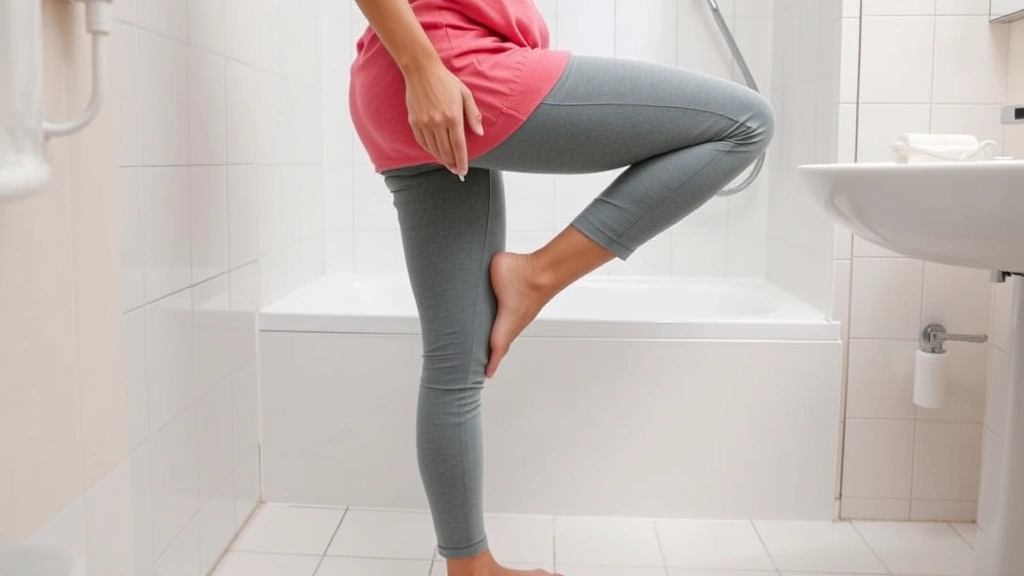
Find a comfortable position. Most people prefer sitting on the toilet, but some find it easier to stand with one foot elevated on the toilet seat or bathtub. Experiment to discover what feels most natural for your body. There’s no single “correct” position—it’s whatever allows you to relax and access the vaginal opening comfortably.
Step-by-Step Insertion Instructions
For Applicator Tampons:
- Unwrap and position the applicator. Remove the tampon from its wrapper. Hold the applicator with your thumb and middle finger on the ridged grip section at the bottom, keeping your index finger free and relaxed.
- Relax your body. Take a deep breath. Seriously. Tension in your pelvic floor makes insertion uncomfortable. Your vaginal muscles naturally relax when you exhale, so use that to your advantage.
- Locate the vaginal opening. With your free hand, gently spread the outer labia (the larger outer lips of your vulva) to expose the vaginal opening. This might feel awkward at first, but it’s necessary and completely normal.
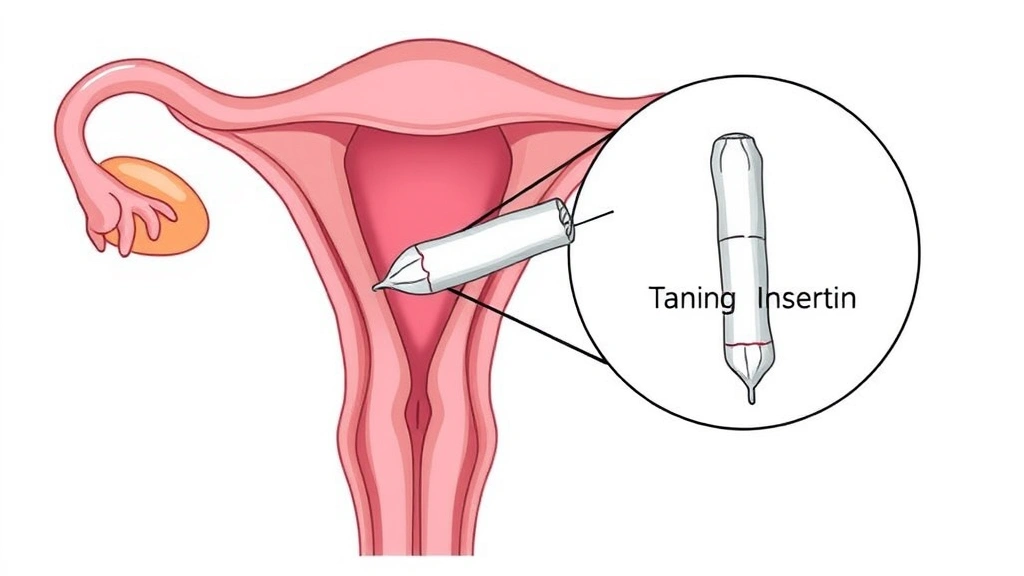
- Insert the applicator. Angle the applicator slightly toward your lower back (not straight up—your vagina naturally angles that direction). Gently insert the applicator into the vaginal opening at about a 45-degree angle. You should feel it slide in relatively easily if you’re relaxed. If you encounter resistance, stop, take another breath, and try again.
- Push the inner tube. Once the applicator is inserted about two inches into your vagina, use your index finger to push the inner tube (the narrow part) forward. This deposits the tampon inside you. You should feel a slight resistance as the tampon expands slightly.
- Remove the applicator. Gently pull out the applicator. The tampon stays inside, held in place by your vaginal muscles. The string should hang outside your body for easy removal later.
- Dispose of the applicator. Wrap the used applicator in the original wrapper or toilet paper and throw it in the trash. Never flush applicators down the toilet.
For Non-Applicator (Digital) Tampons:
- Unwrap the tampon. Remove the tampon from its wrapper and relax your pelvic floor with a few deep breaths.
- Spread the labia. Using one hand, gently separate the outer labia to expose the vaginal opening.
- Insert with your finger. Using your middle or index finger, gently push the tampon into your vagina at about a 45-degree angle toward your lower back. Insert it until your finger is inside about two inches, or until the tampon feels secure and the string hangs outside.
- Position correctly. The tampon should feel secure but not uncomfortable. If it feels like it’s poking out or you can feel it strongly, it might not be inserted far enough. Gently push it in a bit further.
- Wash your hands. Rinse your hands thoroughly after insertion.
Troubleshooting Common Issues
“I can feel the tampon—is that normal?” If you can feel the tampon as a constant pressure or discomfort, it’s likely not inserted far enough. Remove it, relax, and try inserting it higher into your vagina. Remember, your vaginal canal is longer than you might think. Once properly positioned, you shouldn’t feel the tampon at all.
“The applicator won’t go in smoothly.” This usually means your pelvic floor muscles are tense. Stop, take several deep breaths, and try again. Some people find it helpful to insert during a time when they’re sitting on the toilet, as this position naturally relaxes pelvic muscles. You might also benefit from learning relaxation techniques that work for your body, similar to how you’d approach any new skill.
“I think I inserted it, but the string is too short or too long.” Tampon strings come in a standard length, but they can feel different depending on insertion depth. If the string feels too long and dangles outside your underwear uncomfortably, the tampon might be inserted too shallowly. If you can’t locate the string at all, the tampon is inserted correctly—it’s just not hanging visibly, which is fine.
“I’m nervous about it getting lost inside me.” This is a common fear, but it’s anatomically impossible. Your vagina is a closed canal that ends at your cervix, which has a very small opening. A tampon cannot travel beyond your cervix or get lost in your body. The string is there for easy retrieval, but even without it, you could remove a tampon with your fingers.
“It hurts when I insert it.” Pain during insertion usually indicates tension, insufficient relaxation, or possibly an absorbency level that’s too large for your body. Try a smaller absorbency, ensure you’re fully relaxed, and consider that some people simply find one insertion method more comfortable than another. If pain persists, consult a healthcare provider to rule out any underlying issues.
Important Safety and Health Tips
Understanding proper tampon use prevents complications and ensures your health and safety. Here are the critical guidelines:
- Change every 4-8 hours. Most tampons should be changed every 4 to 8 hours, depending on your flow. Don’t leave a tampon in longer than 8 hours, and definitely don’t sleep with one in for longer than 8 hours. Leaving tampons in too long increases the risk of toxic shock syndrome (TSS), a rare but serious bacterial infection.
- Use the lowest absorbency needed. Counterintuitively, using a higher absorbency than necessary increases TSS risk. Use the lightest absorbency that manages your flow, and switch to a lighter option on lighter days.
- Never use two tampons simultaneously. Using multiple tampons at once doesn’t provide better protection and increases health risks unnecessarily.
- Wash hands before and after. This prevents bacterial contamination and reduces infection risk.
- Know the signs of TSS. While rare, toxic shock syndrome requires immediate medical attention. Symptoms include sudden high fever, vomiting, diarrhea, muscle aches, rash resembling sunburn, confusion, and dizziness. If you experience these symptoms, remove the tampon immediately and seek emergency medical care.
- Consider alternating protection methods. Some people alternate between tampons and pads throughout their period to reduce TSS risk and give their body variety. This is a perfectly valid approach.
If you have questions about your menstrual health or concerns about tampon use, consult your gynecologist or healthcare provider. They can provide personalized guidance based on your individual health profile. For comprehensive information, resources like Planned Parenthood offer evidence-based menstrual health information.
Just as you’d research best practices for determining food quality or proper cleaning techniques, taking time to understand your body’s needs is worthwhile and empowering.
Frequently Asked Questions
Can I use a tampon if I’m a virgin?
Absolutely. Virginity refers to sexual intercourse, not tampon use. Your hymen (the tissue around the vaginal opening) is naturally elastic and can accommodate a tampon without issue. Using a tampon doesn’t affect virginity status.
What if I can’t insert a tampon on my first try?
It’s completely normal to need a few attempts. Relax, take breaks, and try again when you feel ready. Some people need several periods to get comfortable with insertion. There’s no rush, and no judgment—you’re learning something new about your body.
Can I shower or swim with a tampon?
Yes, you can shower and swim with a tampon inserted. The absorbent material will soak up water, so you may need to change it more frequently after swimming. This is why many people keep a small supply in their beach bag or gym locker.
How do I know if my tampon is inserted correctly?
A correctly inserted tampon should feel invisible—you shouldn’t feel it during normal activities. You should be able to move, sit, and exercise without awareness of it. If you feel constant pressure or discomfort, it likely needs to be inserted higher.
Is it normal to feel the string?
Yes. The string hangs outside your body for removal. You might occasionally feel it, especially when moving or exercising, but this is normal and doesn’t indicate incorrect insertion.
What should I do if the string breaks?
If the string breaks, don’t panic. You can still remove the tampon by inserting your fingers into your vagina and gently hooking the tampon to pull it out. Wash your hands thoroughly first. If you’re uncomfortable doing this, contact your healthcare provider for assistance.
Can tampons cause infections?
Tampons themselves don’t cause infections, but improper use can increase infection risk. Following hygiene guidelines, changing tampons every 4-8 hours, and using the lowest necessary absorbency minimizes any risk. Maintain good vaginal health by washing hands before insertion and using clean products.
Should I use tampons if I have a heavy flow?
Yes, tampons work well for heavy flows. Use a super or super-plus absorbency on heavy days, and remember to change more frequently—possibly every 3-4 hours rather than 8. However, some people find combining tampons with pads on heavy days provides better protection and reduces the duration tampons stay inserted.
Can I use a tampon at night?
You can, but it requires caution. Never leave a tampon in longer than 8 hours, including overnight. If you sleep longer than 8 hours, use a pad instead, or change your tampon before bed and immediately after waking. Many people prefer pads for overnight protection to reduce TSS risk.
What if I forget I have a tampon in?
It happens. If you realize you’ve left a tampon in longer than 8 hours, remove it immediately and monitor yourself for TSS symptoms. In the future, set a phone reminder or use other strategies to remember. If you’re prone to forgetfulness, consider using pads on days when you might not remember to change tampons regularly.
Is there a “best” tampon brand?
No single best brand exists—it’s personal preference. Different brands have varying applicator styles, string lengths, and material compositions. You might need to try several brands to find your favorite. The American Academy of Family Physicians notes that product choice should align with personal comfort and flow management needs.
Can I use tampons during my entire period?
Technically yes, but many health professionals recommend varying protection methods throughout your period. Using pads on lighter days or at night, and alternating with tampons, reduces TSS risk and gives your body variety. This approach is increasingly recommended by gynecologists.
What if I experience cramping after inserting a tampon?
Cramping after insertion might indicate the tampon is positioned incorrectly or your pelvic floor is tense. Remove it, relax completely, and try again with proper positioning. If cramping persists with correctly inserted tampons, consult your healthcare provider, as this might indicate an underlying condition unrelated to tampon use.

Related Posts

How Long to Boil Lobster Tails: Cooking Guide

How Long to Fly from New York to London? Travel Times
