
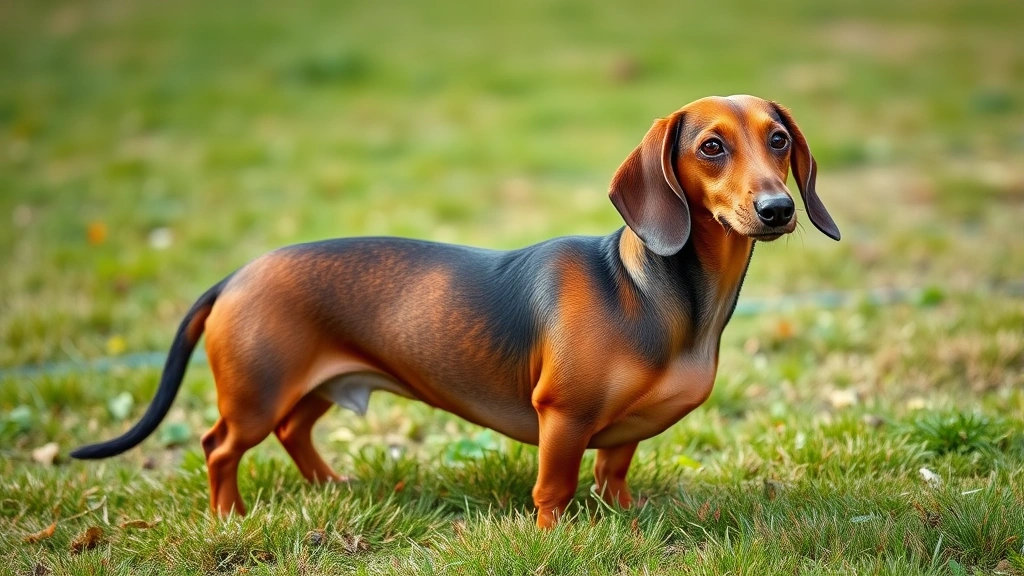
How to Pronounce Dachshund? Expert Tips
How to Pronounce Dachshund: Expert Tips and Complete Guide
The word dachshund is one of the most commonly mispronounced dog breed names in the English language. Whether you’re a dog owner, breed enthusiast, or simply curious about proper pronunciation, mastering this German word can help you communicate more effectively with veterinarians, breeders, and fellow dog lovers. This comprehensive guide breaks down the correct pronunciation, explores the word’s etymology, and provides practical tips to ensure you say it confidently every time.
Understanding how to pronounce dachshund correctly demonstrates respect for the breed’s rich German heritage and helps you avoid common mistakes that many English speakers make. With clear phonetic breakdowns and multiple pronunciation methods, you’ll be able to master this challenging word and impress others with your knowledge.
The Correct Pronunciation of Dachshund
The correct pronunciation of dachshund is “DAHKS-hund” or “DAHKS-hoont.” The emphasis falls on the first syllable, which should sound like the word “dock” but with an “ah” sound instead of the short “o.” The second syllable flows naturally, rhyming with the word “hound.” Many native German speakers pronounce it closer to “DAHKS-hoont,” with a slightly guttural sound at the end, but the American English version “DAHKS-hund” is widely accepted and understood.
If you want to sound more authentic to the German pronunciation, aim for “DAHKS-hoont,” where the final “t” is barely pronounced. However, in casual English conversation, either version is perfectly acceptable. The key is emphasizing that first syllable—this is where most people go wrong when attempting to pronounce this challenging word.
For those learning how to pronounce other challenging words, dachshund follows similar patterns to other German loanwords in English, where the stress typically falls on the first syllable.
Breaking Down the Phonetics
Let’s examine each syllable individually to build confidence in your pronunciation:
- First syllable “DAHKS”: Start with the “D” sound as you would in “dog” or “day.” Follow immediately with the “AH” sound as in “father” or “spa.” Conclude with the “KS” sound, similar to the ending of “books” or “looks.” Together, this creates “DAHKS,” which should sound crisp and clear.
- Second syllable “hund” or “hoont”: Begin with an aspirated “H” sound, similar to when you breathe on a mirror. Follow with the “OO” sound as in “food” or “moon.” End with either a soft “nd” sound (American English) or a barely perceptible “t” sound (German English). The result should flow naturally from the first syllable.
Breaking the word into these distinct phonetic components helps you understand why English speakers struggle with dachshund. The “AH” vowel sound and the “KS” consonant cluster are less common in English words, making this breed name particularly challenging for native English speakers.
When practicing, say each syllable slowly and deliberately: “DAHKS” (pause) “hund.” Gradually increase your speed until the word flows naturally. This methodical approach works for mastering pronunciation of other difficult terms you might encounter in your everyday learning journey.

Common Mispronunciations to Avoid
Several mispronunciations of dachshund are extremely common, and understanding why they’re incorrect can help you avoid them:
- “Dash-hound”: This is perhaps the most frequent mistake. English speakers default to the short “a” sound as in “cat,” rather than the longer “ah” sound. This completely changes the word’s pronunciation and makes it sound nothing like the correct version.
- “Dack-shund”: Another common error involves pronouncing the first syllable to rhyme with “back” or “pack.” The correct “DAHKS” sound requires that elongated “ah” vowel.
- “Dachshund” with emphasis on the second syllable: Some speakers incorrectly stress “hund” instead of “DAHKS.” This is backwards from the proper pronunciation and immediately signals unfamiliarity with the word.
- “Dachshund” pronounced like “datch-shund”: This variation adds extra syllables and changes the consonant sounds, creating an entirely different word.
- “Wiener dog” instead of “dachshund”: While this nickname is cute and widely recognized, it’s not the correct breed name and won’t help you master the proper pronunciation.
The best way to avoid these mistakes is to listen to native German speakers pronounce the word and repeat after them. Online resources and pronunciation guides can provide audio examples that help train your ear to recognize the correct sounds.
German Origins and Meaning
The word dachshund comes from German and literally translates to “badger dog.” The first part, “dachs,” means “badger” in German, while “hund” means “dog.” Understanding this etymology provides valuable context for the pronunciation and helps you appreciate the breed’s historical purpose.
Dachshunds were originally bred in 15th-century Germany to hunt badgers and other burrowing animals. Their long, low bodies made them perfect for pursuing prey into underground dens. The German name accurately describes their function, and German breeders took great pride in developing these specialized hunting dogs.
The pronunciation reflects German phonetic rules, where vowels are typically pronounced with their long sounds and consonant clusters are articulated clearly. When Germans say “DAHKS-hoont,” they’re applying standard German pronunciation patterns. As the breed gained popularity in English-speaking countries, the pronunciation was partially adapted to fit English speech patterns, but it retained much of its German character.
Learning about the breed’s German heritage can help you remember the correct pronunciation more easily. When you think of the word as meaning “badger dog” and recall its German origins, you’re more likely to use the authentic “DAHKS” pronunciation rather than defaulting to English patterns.
Tips for Practicing the Pronunciation
Mastering the pronunciation of dachshund requires consistent practice and deliberate effort. Here are practical strategies to help you develop confidence:
- Listen to native speakers: Search for “dachshund pronunciation” on Merriam-Webster or other pronunciation websites that provide audio recordings from native German and English speakers. Hearing the word spoken correctly multiple times trains your ear to recognize proper pronunciation.
- Slow-motion repetition: Say the word very slowly, exaggerating each sound. Start with “DAAAHHHHKKKSSSS-huuuund,” then gradually speed up. This helps your mouth develop the muscle memory needed for correct pronunciation.
- Record yourself: Use your phone or computer to record yourself saying dachshund. Play it back and compare it to native speaker recordings. This self-assessment helps you identify which parts need improvement.
- Break it into syllables: Practice saying “DAHKS” repeatedly until it feels natural, then add “hund.” Combine them only after each syllable is comfortable.
- Use rhyming associations: Remember that “DAHKS” rhymes with “locks” or “talks” (using the “ah” sound), while “hund” sounds like “hound.” This mental trick helps you recall the correct pronunciation in the moment.
- Practice in context: Say the word in full sentences: “I have a dachshund puppy.” “The dachshund is a German breed.” Using the word in natural speech helps solidify correct pronunciation patterns.
- Sing the word: Try singing dachshund to a familiar tune. The melody helps embed the pronunciation in your memory more effectively than simple repetition.

Regional Variations in Pronunciation
While the standard pronunciation is “DAHKS-hund,” variations exist depending on geography and language background. Understanding these regional differences can help you recognize when someone is pronouncing the word correctly, even if it sounds slightly different from what you’ve learned.
German pronunciation: Native German speakers use “DAHKS-hoont,” with a slightly guttural quality to the “ch” sound and a barely audible final “t.” This is the most authentic pronunciation and is considered the gold standard among breed enthusiasts.
American English pronunciation: Most Americans say “DAHKS-hund,” with the “h” sound at the end and less emphasis on the guttural quality. This version is perfectly acceptable and widely understood in the United States.
British English pronunciation: British speakers often use “DAHKS-hund” as well, though some may add a slight “oo” sound, making it “DAHKS-hoond.” The emphasis on the first syllable remains consistent.
Scandinavian and Dutch variations: Speakers from these regions, which share linguistic roots with German, often pronounce dachshund similarly to native German speakers, with the characteristic guttural sound.
The key takeaway is that as long as you’re emphasizing the first syllable with the “DAHKS” sound, you’re pronouncing the word correctly. Minor variations in the final syllable are acceptable and won’t cause confusion.
Why This Breed Name Is So Difficult
The dachshund pronunciation challenge stems from several linguistic factors that make this German word particularly difficult for English speakers:
- Unfamiliar vowel sounds: The “AH” sound in “DAHKS” isn’t as common in English as the short “a” sound. English speakers naturally gravitate toward “dash” because it uses the familiar short “a” vowel.
- Consonant cluster difficulty: The “KS” combination at the end of the first syllable is less common in English words. Most English speakers are more accustomed to simpler consonant patterns.
- Guttural sounds: The German “ch” sound, which appears in the original “dachs,” has no direct English equivalent. This makes authentic German pronunciation challenging for English speakers.
- Lack of familiar patterns: Unlike words borrowed from French or Spanish, which follow patterns English speakers recognize, German loanwords often include sounds and stress patterns unfamiliar to English ears.
- Minimal exposure: While many people encounter dachshunds regularly, not everyone has heard the word pronounced correctly frequently enough to develop automatic correct pronunciation.
Recognizing these linguistic barriers helps you understand why the pronunciation is challenging and validates your effort in learning the correct version. You’re not alone if you’ve struggled with dachshund pronunciation—it’s genuinely difficult for most English speakers.
If you’re interested in mastering other challenging pronunciations, check out our guide on how to pronounce charcuterie, which covers another commonly mispronounced word.
FAQ
What is the most common mispronunciation of dachshund?
The most common mispronunciation is “DASH-hund,” where speakers use the short “a” sound as in “cat” instead of the long “ah” sound as in “father.” This error accounts for the majority of incorrect pronunciations in English-speaking countries.
Is “wiener dog” an acceptable alternative to “dachshund”?
While “wiener dog” is a cute and widely recognized nickname, it’s not the correct breed name. The proper term is “dachshund.” Using the correct name demonstrates knowledge of the breed and respect for its German heritage. However, “wiener dog” is acceptable in casual conversation and is understood by most people.
How do German breeders pronounce dachshund?
German breeders pronounce it “DAHKS-hoont,” with emphasis on the first syllable and a slightly guttural quality to the “ch” sound. The final “t” is barely perceptible in authentic German pronunciation.
Should I use the German or American pronunciation?
Either pronunciation is acceptable in English-speaking countries. The American English “DAHKS-hund” is perfectly appropriate and widely understood. If you prefer the more authentic German pronunciation “DAHKS-hoont,” that’s also excellent and shows appreciation for the breed’s heritage.
Are there any pronunciation tricks to help me remember?
Yes! Remember that “DAHKS” rhymes with “locks” or “talks” (using the “ah” sound), and “hund” sounds like “hound.” Another trick is to think of the word’s meaning—”badger dog”—which can help you recall the authentic German pronunciation.
Why is dachshund so hard to pronounce?
Dachshund is difficult because it contains sounds unfamiliar to English speakers, including the long “ah” vowel and the “KS” consonant cluster. Additionally, English speakers naturally default to familiar pronunciation patterns, which leads them away from the correct version.
Can I find audio examples of correct dachshund pronunciation online?
Absolutely! Websites like Merriam-Webster, Cambridge Dictionary, and Britannica all offer audio pronunciation guides. YouTube also has numerous videos dedicated to teaching proper dachshund pronunciation.
Should I correct others if they mispronounce dachshund?
It depends on the context. In formal settings or educational environments, gentle correction is appropriate. In casual conversation, you can choose whether to correct someone based on the relationship and situation. If someone is genuinely interested in learning, they’ll appreciate the correction.
Do different dachshund varieties have different pronunciations?
No. Whether you’re referring to a standard dachshund, miniature dachshund, smooth-haired dachshund, or any other variety, the breed name is pronounced identically: “DAHKS-hund.” The variety descriptor comes after the breed name but doesn’t affect the pronunciation of “dachshund” itself.
Is there an official “correct” pronunciation recognized by breed clubs?
Yes. Major breed organizations, including the American Kennel Club and similar bodies worldwide, recognize “DAHKS-hund” as the standard English pronunciation. The German pronunciation “DAHKS-hoont” is also accepted as the authentic version.

Related Posts

Superscript in Google Docs: Expert Tips

Strikethrough in Excel: Easy Steps for Beginners
