
Prevent Razor Bumps: Expert Tips for Smooth Shaving
Prevent Razor Bumps: Expert Tips for Smooth Shaving
Razor bumps, medically known as pseudofolliculitis barbae, are an irritating skin condition that affects millions of people who shave regularly. These painful, inflamed bumps occur when hair grows back into the skin after being cut, creating inflammation and discomfort. Whether you shave your face, legs, underarms, or other body areas, razor bumps can significantly impact your grooming experience and skin health. The good news is that with the right techniques and products, you can dramatically reduce or even eliminate razor bumps entirely.
Understanding the root causes of razor bumps and implementing preventive strategies is far more effective than trying to treat them after they appear. This comprehensive guide will walk you through everything you need to know about preventing razor bumps, from proper pre-shave preparation to post-shave care routines that keep your skin smooth and irritation-free.
Understanding Razor Bumps and Their Causes
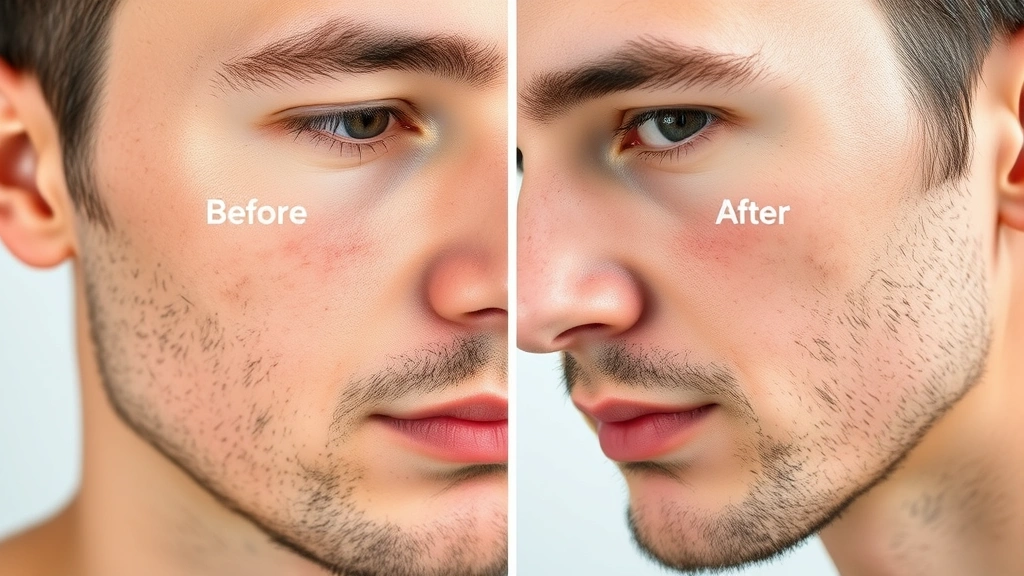
Razor bumps develop through a specific biological process that begins the moment you cut hair at skin level. When you shave, you’re using a sharp blade to slice hair below the skin surface. As the hair grows back, it can curl and re-enter the skin before reaching the surface, triggering an inflammatory response. This condition is particularly common in people with curly or coarse hair, as these hair types are more prone to curling back into the skin.
Several factors contribute to razor bump formation. Inadequate skin preparation before shaving leaves the area dry and more susceptible to irritation. Using dull blades forces you to apply more pressure, which causes micro-cuts and inflammation. Shaving too closely or against the grain cuts hair below the skin surface, increasing the likelihood of ingrown hairs. Poor post-shave care allows bacteria to colonize irritated skin, worsening inflammation. Additionally, tight clothing that rubs against freshly shaved areas can trap moisture and bacteria, creating an ideal environment for razor bumps to develop.
The inflammation associated with razor bumps isn’t just a cosmetic issue—it can be genuinely painful and lead to hyperpigmentation or scarring if left untreated. Understanding these causes is the first step toward effective prevention. When you know why razor bumps form, you can take targeted action to disrupt the cycle.
Pre-Shave Preparation Techniques
The foundation of razor bump prevention begins before the blade ever touches your skin. Proper pre-shave preparation hydrates your skin, softens hair, and creates an optimal environment for a clean, safe shave. This step is absolutely critical and shouldn’t be rushed.
Cleanse Your Skin Thoroughly
Start by washing the area you plan to shave with a gentle, warm-water cleanser. Warm water opens your pores and begins the hydration process. Use a soft washcloth or your hands to gently exfoliate away dead skin cells that might trap hair or cause irritation. Avoid harsh scrubbing, which can damage the skin barrier and increase sensitivity. Pat your skin dry gently—never rub aggressively.
Apply a Pre-Shave Oil or Lotion
Pre-shave oils create a protective barrier between your skin and the blade while providing additional lubrication. These products typically contain natural oils that condition both skin and hair. Apply the pre-shave product in circular motions, massaging it into the skin for 30-60 seconds. This massage increases blood flow and further softens the hair.
Use a Quality Shaving Cream or Gel
A good shaving cream or gel is essential for razor bump prevention. Look for products that contain moisturizing ingredients like glycerin, aloe vera, or shea butter. Apply the product generously and let it sit for 1-2 minutes to fully soften the hair and hydrate the skin. The cream should create a protective layer that allows the blade to glide smoothly without catching or pulling at hair.
Consider a Pre-Shave Exfoliating Treatment
Two to three times per week, use a gentle exfoliating product before shaving. Chemical exfoliants containing alpha-hydroxy acids (AHAs) or beta-hydroxy acids (BHAs) help remove dead skin cells and prevent hair from becoming trapped beneath the surface. This significantly reduces razor bump formation. Always follow exfoliation with moisturizer, as these treatments can be drying.
Choosing the Right Shaving Tools
The tools you use have an enormous impact on your risk of developing razor bumps. Investing in quality shaving equipment is one of the most important preventive measures you can take. The difference between a cheap disposable razor and a quality blade is literally the difference between smooth skin and painful bumps.
Blade Type and Quality
Multi-blade cartridge razors are generally better for preventing razor bumps than single-blade disposables. Modern cartridge razors feature 4-6 blades that work together to cut hair cleanly without pulling or tugging. Safety razors are also an excellent option—many people find them superior for preventing razor bumps because they’re easier to maintain at the correct angle and provide a closer, cleaner shave. Electric shavers, particularly rotary models, are another solid choice for bump prevention.
Blade Sharpness and Replacement Schedule
Dull blades are one of the primary causes of razor bumps. A dull blade requires more pressure to cut hair, which causes micro-tears in the skin and increases irritation. Replace cartridge razor heads every 5-7 shaves, or whenever you notice the blade pulling at hair rather than cutting cleanly. If you use a safety razor, replace the blade weekly. A sharp blade glides effortlessly across skin, requiring minimal pressure and creating clean cuts that don’t irritate.
Blade Angle and Alignment
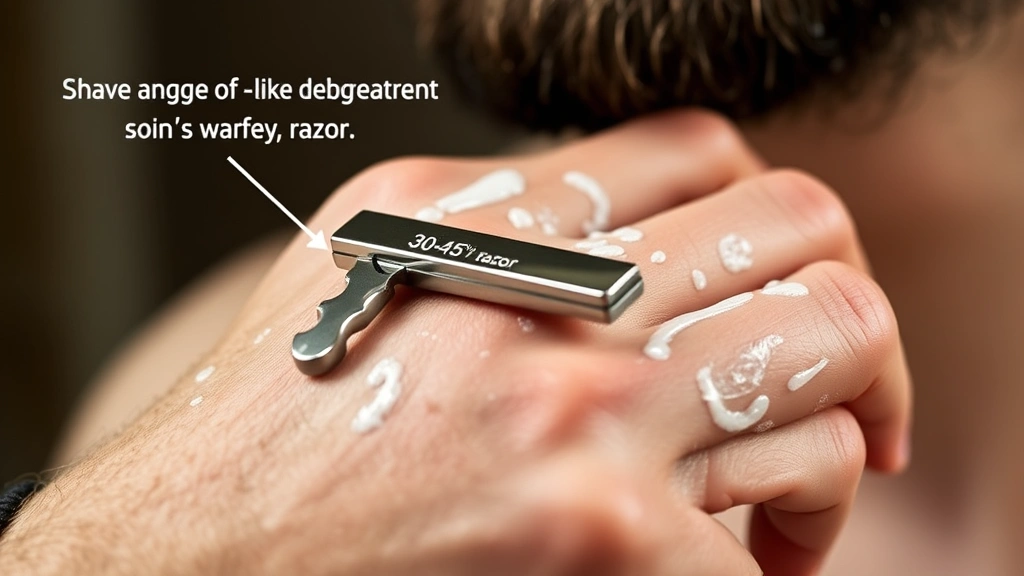
Proper blade angle is crucial for preventing razor bumps. Hold the razor at a 30-45 degree angle to your skin. This angle allows the blade to cut hair at the optimal length—short enough for a close shave but not so short that it disappears below the skin surface. If you hold the razor too flat or too perpendicular, you risk cutting too closely or applying uneven pressure.
Proper Shaving Technique
Even with the best tools and preparation, poor technique can still result in razor bumps. The way you move the razor across your skin matters tremendously. Developing proper shaving technique requires practice, but the results are absolutely worth the effort.
Shave With the Grain, Not Against It
The most critical rule for razor bump prevention is to always shave with the grain of your hair growth. Hair grows in a specific direction, and shaving against the grain cuts hair below the skin surface, dramatically increasing the risk of ingrown hairs and razor bumps. With-the-grain shaving cuts hair slightly above the skin surface, reducing irritation and preventing ingrowns. If you’re unsure which direction is “with the grain,” run your hand over the area—it feels smoother in the direction of hair growth.
Use Light, Controlled Pressure
Let the blade do the work. Apply only light pressure as you move the razor across your skin. Pressing hard doesn’t create a closer shave; it simply increases skin damage and irritation. A sharp blade with light pressure will cut hair cleanly. If you’re pushing hard, either your blade is dull or you’re not using enough shaving cream.
Shave in Short, Deliberate Strokes
Rather than long, sweeping strokes, use short, controlled movements. Short strokes give you better control and help you maintain the proper blade angle throughout the shave. They also reduce the risk of catching skin or creating uneven cuts. Move the razor slowly and deliberately—rushing through your shave increases the likelihood of mistakes and irritation.
Avoid Multiple Passes Over the Same Area
Many people shave multiple times over the same spot to achieve maximum closeness. This significantly increases razor bump risk. Make one careful pass in each direction (with the grain, then across the grain if desired), then move on. A single well-executed pass is far better than multiple aggressive passes.
Post-Shave Care and Maintenance
What you do after shaving is just as important as the shaving process itself. Post-shave care prevents infection, reduces inflammation, and creates an optimal environment for healthy skin healing. Neglecting post-shave care is a common reason why people continue to get razor bumps despite using good technique.
Rinse with Cool Water
After shaving, rinse the area thoroughly with cool water. This closes your pores and reduces inflammation. Avoid hot water, which can further irritate freshly shaved skin. Pat dry gently with a clean towel—never rub aggressively, as freshly shaved skin is extremely sensitive.
Apply an Alcohol-Free Aftershave Product
Many traditional aftershave products contain high concentrations of alcohol, which causes additional irritation and dryness. Instead, use an alcohol-free aftershave balm, lotion, or serum. Look for products containing soothing ingredients like aloe vera, chamomile, witch hazel, or tea tree oil. These ingredients reduce inflammation, prevent infection, and soothe irritated skin. Apply the aftershave product while your skin is still slightly damp to maximize absorption.
Moisturize Regularly
Hydrated skin is less prone to razor bumps and other irritation. Use a quality moisturizer immediately after shaving and again before bed. For sensitive skin, look for fragrance-free moisturizers with ingredients like ceramides, hyaluronic acid, or glycerin. Proper moisturization creates a healthy skin barrier that resists irritation and infection.
Avoid Irritating Activities
For at least 24 hours after shaving, avoid activities that might irritate freshly shaved skin. Don’t apply makeup, perfume, or other products to the shaved area. Avoid tight clothing that rubs against the skin. Skip intense exercise that causes sweating, which can introduce bacteria to irritated skin. Don’t exfoliate or use other active skincare products. Give your skin time to fully recover before subjecting it to additional stress.
Best Products for Prevention
The right products make a tremendous difference in razor bump prevention. While you don’t need to spend a fortune, investing in quality formulations specifically designed to prevent razor bumps is worthwhile. Look for products with proven, skin-friendly ingredients.
Pre-Shave Products
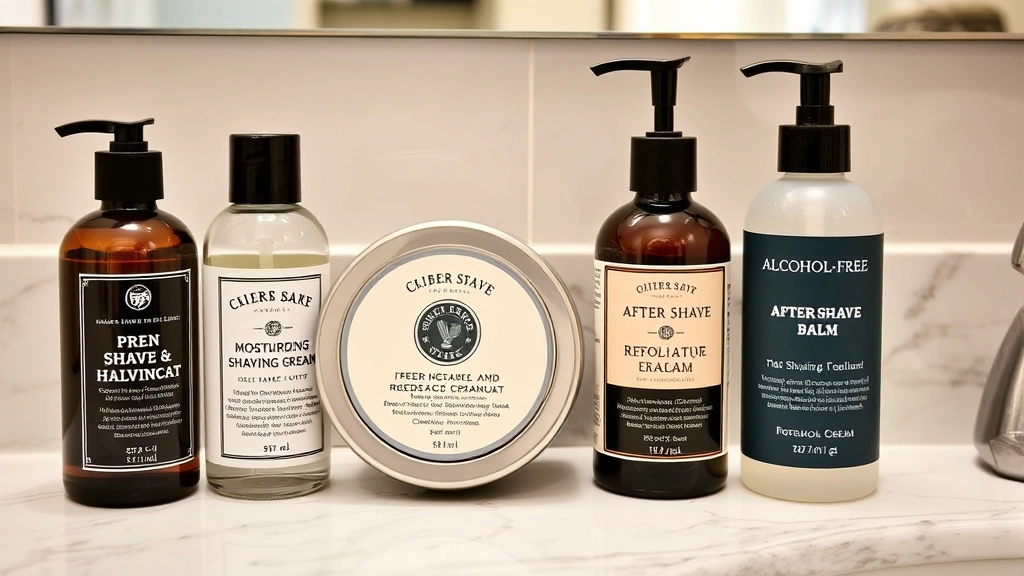
Quality pre-shave oils containing jojoba oil, coconut oil, or argan oil provide excellent preparation. These products soften hair and protect skin without interfering with blade performance. Pre-shave lotions designed for sensitive skin are also effective—look for formulations with aloe vera or chamomile.
Shaving Creams and Gels
Shaving creams with moisturizing ingredients like glycerin, shea butter, or lanolin are ideal for preventing razor bumps. Avoid cheap shaving gels that contain primarily soap, as these can be drying and irritating. Premium shaving creams provide superior lubrication and skin conditioning. For sensitive skin, look for products specifically labeled for razor bump prevention or ingrown hair prevention.
Aftershave and Post-Shave Products
Alcohol-free aftershave balms with soothing ingredients are essential. Products containing witch hazel (alcohol-free), tea tree oil, aloe vera, or salicylic acid help prevent infection and reduce inflammation. Some specialized products are specifically formulated for razor bump prevention and contain ingredients like glycolic acid that help prevent ingrown hairs.
Exfoliating Products
Gentle chemical exfoliants used 2-3 times weekly help prevent razor bumps by removing dead skin that might trap hair. Products with AHAs or BHAs are effective, but use them cautiously and always follow with moisturizer. Avoid physical scrubs, which can be too harsh and increase irritation.
Advanced Prevention Strategies
Once you’ve mastered the basics, several advanced strategies can further reduce your razor bump risk. These techniques are particularly helpful for people with extremely sensitive skin or a history of severe razor bumps.
Consider Alternative Hair Removal Methods
If razor bumps remain a persistent problem despite your best efforts, alternative hair removal methods might be worth exploring. Depilatory creams dissolve hair rather than cutting it, eliminating the ingrown hair problem entirely. Waxing removes hair from the root, preventing new hair from growing back into the skin for several weeks. Laser hair removal or electrolysis provide semi-permanent or permanent solutions. These methods require research and patch testing, but they can be life-changing for people prone to severe razor bumps.
Implement a Longer Shaving Schedule
Shaving less frequently gives your skin more time to recover between shaves. If you normally shave daily, try shaving every other day or every three days. This reduces cumulative irritation and gives your skin time to fully heal. Many people find that simply extending the time between shaves significantly improves their skin condition.
Use Targeted Treatments for Existing Bumps
Despite your best prevention efforts, you might occasionally develop a razor bump. When this happens, resist the urge to pick or squeeze it. Instead, apply a targeted treatment containing salicylic acid or glycolic acid to help the ingrown hair surface and reduce inflammation. Products with benzoyl peroxide can help prevent infection. Apply these treatments once or twice daily until the bump resolves.
Maintain Excellent Skin Hygiene
Keeping your skin clean and free from bacteria reduces razor bump risk. Wash the shaved area daily with a gentle cleanser. Change into clean clothes immediately after exercise or sweating. Wash pillowcases frequently if you shave your face. These simple hygiene practices prevent bacterial colonization that can worsen razor bumps.
Track Your Shaving Routine
Keep a simple log of your shaving routine, noting which products you use, your technique, and any razor bumps that develop. Over time, you’ll identify patterns that help you understand which products, techniques, and schedules work best for your skin. This personalized approach is far more effective than general advice.
Frequently Asked Questions
How long does it take to prevent razor bumps with proper technique?
Most people notice improvement within 2-3 shaves when they implement proper prevention strategies. However, complete elimination of razor bumps might take 2-4 weeks as your skin fully heals from previous irritation. Consistency is key—don’t revert to old habits after seeing initial improvement.
Are razor bumps permanent?
Razor bumps themselves are temporary and typically resolve within 7-14 days. However, repeated razor bumps can cause permanent hyperpigmentation or scarring. This is why prevention is so important—preventing new bumps avoids the risk of long-term skin damage.
Can women prevent razor bumps on legs differently than men prevent them on faces?
The underlying principles are identical regardless of body area or gender. However, leg skin is often thicker and less sensitive than facial skin, so some people can use slightly more aggressive techniques on legs. That said, the fundamental rules—with-the-grain shaving, sharp blades, proper preparation, and good aftercare—apply universally.
Is it better to shave wet or dry?
Always shave wet or damp skin. Wet hair is softer and easier to cut cleanly, and the moisture provides lubrication that protects your skin. Shaving dry skin significantly increases irritation and razor bump risk. If you must shave dry, at minimum apply a generous amount of pre-shave oil or shaving cream.
How can I tell if my blade is dull?
A dull blade will feel like it’s pulling at hair rather than cutting cleanly. You might see redness or irritation immediately after shaving, or you might notice that you need to make multiple passes to achieve smoothness. If you’re experiencing these signs, replace your blade immediately. A sharp blade should cut cleanly with minimal pressure.
Will switching to an electric shaver help prevent razor bumps?
Electric shavers can help prevent razor bumps, particularly rotary models that cut hair at a slightly higher level than traditional razors. This reduces the risk of ingrown hairs. However, electric shavers aren’t universally better—some people find they still develop bumps with electric shavers. The best option is whichever type works best for your individual skin.
Can diet or supplements help prevent razor bumps?
While overall skin health is important, there’s no specific diet or supplement proven to prevent razor bumps. However, maintaining good hydration, eating foods rich in omega-3 fatty acids, and getting adequate vitamin C might support overall skin health and resilience. Focus primarily on proper shaving technique and skincare rather than expecting supplements to solve the problem.
Preventing razor bumps requires a comprehensive approach combining proper preparation, quality tools, correct technique, and dedicated aftercare. By implementing the strategies outlined in this guide, you can achieve smooth, bump-free skin regardless of your hair type or sensitivity level. Start with the basics, remain consistent, and adjust your routine based on your individual skin’s response. Within a few weeks, you should notice dramatic improvement in your skin condition and comfort.

Related Posts

Superscript in Google Docs: Expert Tips

Strikethrough in Excel: Easy Steps for Beginners
