
Prevent Razor Bumps: Expert Tips and Tricks
Prevent Razor Bumps: Expert Tips and Tricks
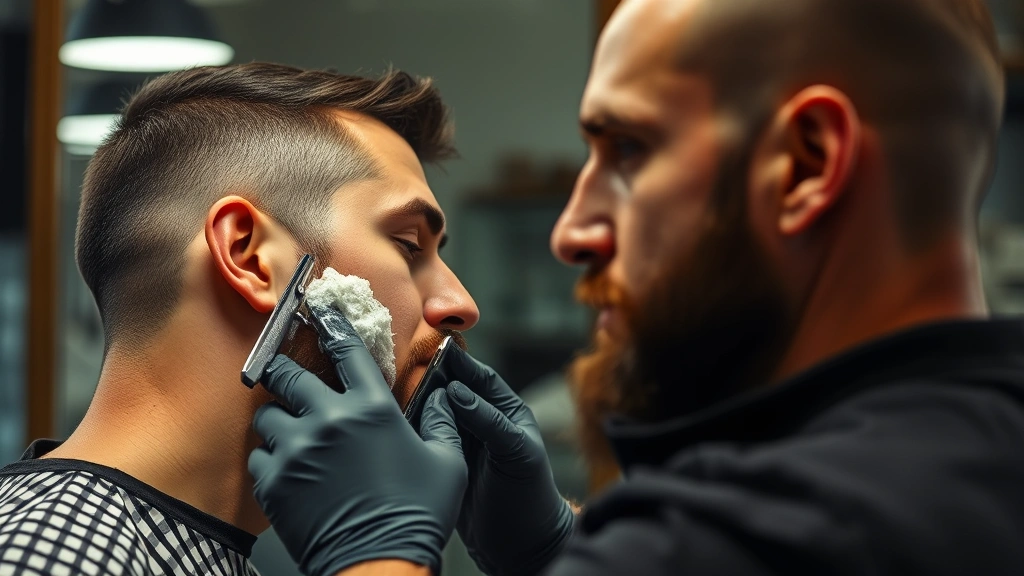
Razor bumps, medically known as pseudofolliculitis barbae, are one of the most frustrating grooming issues you can face. These painful, inflamed bumps appear after shaving and occur when freshly cut hair curls back and pierces the skin, triggering an inflammatory response. Whether you shave daily for work or maintain facial hair as part of your personal grooming routine, understanding how to prevent razor bumps can save you from discomfort and embarrassment.
The good news is that razor bumps are entirely preventable with the right technique, tools, and aftercare products. In this comprehensive guide, we’ll walk you through expert-approved strategies that dermatologists and professional barbers recommend. From pre-shave preparation to post-shave maintenance, you’ll learn everything needed to achieve a smooth, bump-free shave every single time.
Understanding Razor Bumps and Why They Form
Before learning how to prevent razor bumps, it’s important to understand the biological process behind their formation. Razor bumps develop when hair is cut too short and curls back into the skin, creating what’s called an ingrown hair. This triggers your body’s immune response, resulting in inflammation, redness, and discomfort. People with curly or coarse hair are particularly susceptible because their hair naturally curves as it grows.
The condition is more common in individuals with darker skin tones, affecting up to 60% of Black men who shave regularly. This isn’t just a cosmetic issue—razor bumps can be painful, itch intensely, and sometimes become infected if scratched or picked at improperly. Understanding your skin type and hair texture is the first step toward prevention. Visit FixWiseHub Blog for comprehensive grooming guidance.
Prepare Your Skin Before Shaving
Proper preparation is absolutely critical to preventing razor bumps. Many people skip this step and wonder why they struggle with ingrown hairs. Your skin and hair need to be properly conditioned before you pick up a razor.
Soften Your Hair and Skin
Start by washing your face with warm water and a gentle cleanser. Warm water opens your pores and softens hair follicles, making them easier to cut cleanly. Spend at least 3-5 minutes allowing warm water to hydrate your skin and hair. Some professionals recommend taking a warm shower before shaving to maximize this effect. The moisture reduces resistance when the blade passes through, minimizing tugging that can cause irritation.
Exfoliate Gently
Exfoliation removes dead skin cells that can trap hair and contribute to ingrown hairs. Use a soft exfoliating brush or chemical exfoliant with salicylic acid or glycolic acid 2-3 times weekly, but not immediately before shaving. Exfoliating right before shaving can over-sensitize your skin. Instead, exfoliate the night before or 2-3 hours prior to shaving to allow your skin to recover slightly.
Apply Pre-Shave Oil or Balm
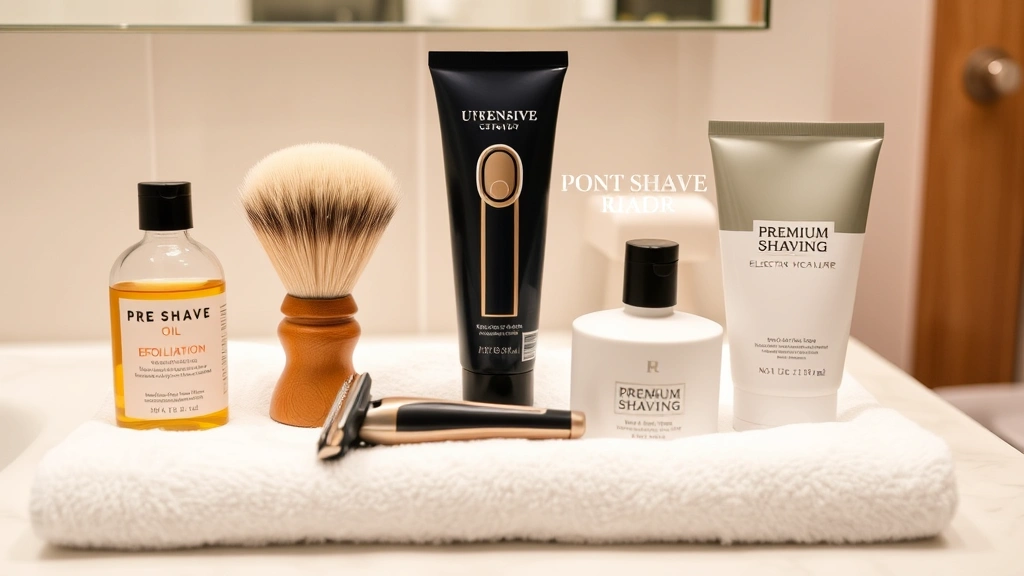
Professional barbers swear by pre-shave products that create a protective barrier and further soften hair. These products typically contain natural oils like jojoba, coconut, or argan oil. Apply a small amount to damp skin and massage gently in circular motions. This step reduces friction between the blade and skin, minimizing irritation and razor bumps.
Choose the Right Shaving Tools
Your shaving equipment directly impacts your risk of developing razor bumps. Cheap, dull, or inappropriate razors are one of the biggest culprits behind ingrown hairs and irritation.
Blade Selection Matters
Invest in high-quality razors with sharp, clean blades. Dull blades tug at hair rather than cutting cleanly, creating rough edges that curl back into the skin more easily. Replace your blade every 5-7 shaves or when you notice it pulling or tugging. Many dermatologists recommend single or double-blade razors over multi-blade cartridges because they cut hair at the proper length without cutting too close to the skin. Electric razors with rounded heads are also excellent options for preventing razor bumps since they cannot cut hair below skin level.
Consider Safety Razors
Safety razors have gained popularity among grooming enthusiasts specifically because they reduce razor bumps. These traditional razors feature a single blade at a fixed angle, which prevents aggressive cutting below the skin surface. They require a slightly different technique than cartridge razors, but the learning curve is minimal and the benefits substantial.
Maintain Your Tools
Keep your razor clean and dry between uses. Bacteria and residual soap can accumulate on blades, leading to infections if you develop razor bumps. Rinse your razor thoroughly under hot water after each use and pat dry with a clean towel. Store it in a dry location away from moisture.
Master the Proper Shaving Technique
Even with the best tools and preparation, incorrect technique will cause razor bumps. Professional barbers follow specific methods that minimize irritation and ingrown hairs.
Shave in the Right Direction
Always shave in the direction your hair grows, known as shaving “with the grain.” Shaving against the grain creates a closer shave but cuts hair below skin level, dramatically increasing razor bump risk. If you’re unsure which direction is the grain, run your hand across your face—the direction that feels smooth is with the grain. Take time to map out your facial hair growth pattern before shaving.
Use Light Pressure
One of the biggest mistakes people make is pressing the razor hard against their skin. This aggressive pressure forces the blade to cut hair shorter than necessary, right at or below skin level. Instead, use gentle, light pressure and let the razor do the work. A sharp blade requires minimal pressure. If you’re pressing hard, your blade is likely dull and needs replacement.
Apply Quality Shaving Cream or Gel
A good shaving lubricant is non-negotiable. It reduces friction, protects your skin, and helps the blade glide smoothly. Look for products containing glycerin, aloe vera, or other moisturizing ingredients. Avoid cheap foams that dry out your skin. Apply the cream generously and allow it to sit for 30 seconds before shaving, giving it time to further soften hair. For those seeking natural alternatives, you can explore preparation techniques that emphasize natural ingredients.
Rinse Between Strokes
Rinse your razor under hot water after every 2-3 strokes. This removes hair and cream buildup that can clog the blade and reduce effectiveness. A clogged razor performs poorly and increases the risk of tugging and irritation.
After shaving, rinse your face with cool water to close pores and reduce inflammation. Pat your skin dry gently—never rub harshly as this can irritate freshly shaved skin.
Post-Shave Care and Maintenance
What you do after shaving is just as important as your technique during shaving. Proper aftercare prevents razor bumps from developing in the first place.
Apply Aftershave Balm
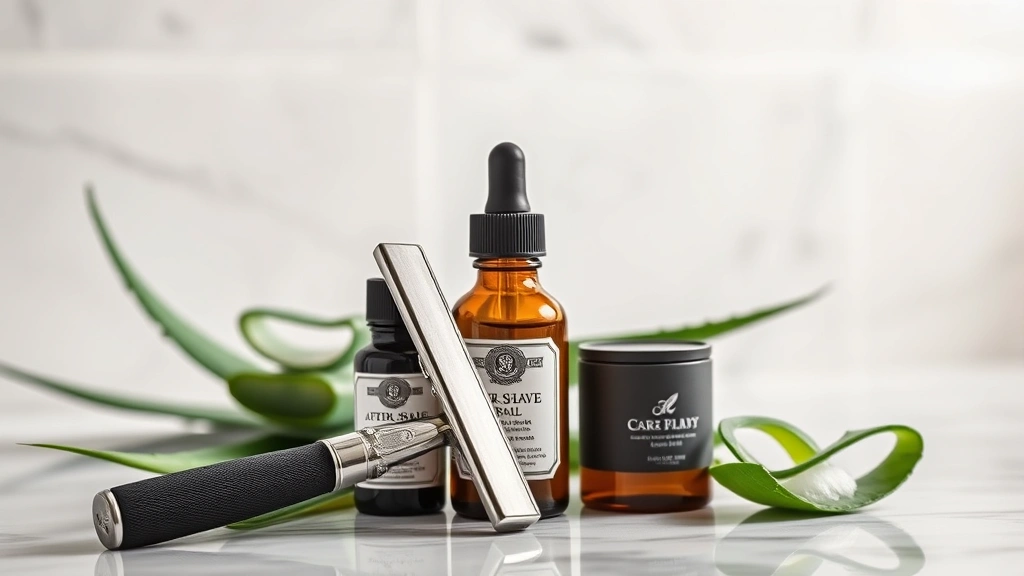
Skip harsh alcohol-based aftershaves that dry and irritate skin. Instead, use a gentle aftershave balm or moisturizer specifically formulated for post-shave care. These products soothe irritation, reduce inflammation, and provide hydration. Look for ingredients like aloe vera, chamomile, witch hazel, or salicylic acid. Salicylic acid is particularly effective because it exfoliates gently and prevents hair from curling back into skin.
Moisturize Daily
Keep your skin well-hydrated throughout the day and night. Dry skin is more prone to irritation and ingrown hairs. Use a lightweight, non-comedogenic moisturizer morning and night. Well-hydrated skin heals faster and is less likely to develop razor bumps.
Avoid Irritating Activities
For 24 hours after shaving, avoid activities that irritate freshly shaved skin. This includes intense exercise that causes sweating, chlorinated swimming pools, and tight clothing that rubs against shaved areas. Sweat and friction can trigger inflammation and ingrown hairs. If you must exercise, wear loose, breathable clothing and shower afterward.
Don’t Pick or Scratch
This is critical: never pick at or scratch razor bumps, even if they itch intensely. Picking introduces bacteria, causes infection, and leaves scars. If bumps appear, apply a warm compress and let them heal naturally with proper skincare.
Best Products to Prevent Razor Bumps
Certain products have proven track records for preventing and treating razor bumps. Building a complete grooming routine with the right items makes a significant difference.
Pre-Shave Products
Quality pre-shave oils and balms create an essential protective barrier. Products containing argan oil, jojoba oil, or coconut oil are excellent choices. These natural oils soften hair, protect skin, and reduce friction. Many professional barbers use specialized pre-shave creams designed specifically to prevent ingrown hairs.
Shaving Creams and Gels
Invest in premium shaving creams over cheap foams. Brands recommended by dermatologists often contain glycerin, aloe vera, and essential oils. Avoid products with alcohol or artificial fragrances that can irritate sensitive skin. Shaving creams should be thick enough to provide lubrication but not so heavy that they clog razors.
Post-Shave Products
Aftershave balms with salicylic acid or glycolic acid are highly effective for preventing razor bumps. These chemical exfoliants gently remove dead skin cells and prevent hair from curling back. Witch hazel is another excellent ingredient that reduces inflammation and has mild astringent properties. For sensitive skin, look for fragrance-free formulas with soothing ingredients like aloe or chamomile.
Bump-Specific Treatments
If razor bumps do appear, specialized treatments can help. Products containing benzoyl peroxide fight bacteria and reduce inflammation. Hydrocortisone cream can temporarily reduce swelling and discomfort. For severe cases, consult a dermatologist about prescription treatments.
Alternative Hair Removal Methods
If you’ve tried everything and razor bumps persist, consider alternative hair removal methods that may work better for your skin type.
Electric Razors and Clippers
Electric shavers with rounded heads cannot cut hair below skin level, making them excellent for razor bump prevention. They’re particularly effective for people with very curly or coarse hair. While they don’t provide quite as close a shave as traditional razors, many people find the trade-off worthwhile to avoid razor bumps entirely.
Depilatory Creams
Hair removal creams dissolve hair at skin level rather than cutting it. This prevents the sharp edges that cause ingrown hairs. However, these products contain strong chemicals that can irritate sensitive skin. Always do a patch test first and follow instructions carefully. Some people find these creams effective but prefer traditional shaving for comfort.
Waxing and Sugaring
Professional waxing removes hair from the root, preventing regrowth for 3-6 weeks. This eliminates the problem of hair curling back into skin. Sugaring is a gentler alternative using a natural paste. Both methods require professional application and have some discomfort, but they’re excellent long-term solutions for people with severe razor bump issues.
Laser Hair Removal
For permanent or semi-permanent solution, laser hair removal targets hair follicles and prevents regrowth. While more expensive initially, it’s cost-effective long-term and completely eliminates razor bumps. Multiple sessions are required, and results vary based on skin and hair type.
FAQ
How long do razor bumps typically take to heal?
Most razor bumps resolve within 2-3 days with proper care. Some may take up to a week if they’re severe or become infected. Avoid shaving the affected area until bumps completely disappear to prevent worsening.
Can I shave every day without getting razor bumps?
Yes, daily shaving is possible without razor bumps if you follow proper technique and use quality products. However, daily shaving is more irritating than shaving every other day. If you must shave daily, use an electric razor or single-blade safety razor with excellent technique.
Are certain skin types more prone to razor bumps?
Yes, people with curly hair and darker skin tones are significantly more prone to razor bumps. This is due to hair texture and natural curl pattern. These individuals benefit especially from using single-blade razors, shaving with the grain, and maintaining excellent post-shave skincare.
What’s the difference between razor bumps and ingrown hairs?
Razor bumps and ingrown hairs are related but slightly different. Razor bumps are the inflammatory response to hair curling back into skin. Ingrown hairs are the actual hairs growing beneath the skin surface. Preventing razor bumps also prevents ingrown hairs.
Should I use an aftershave with alcohol?
Alcohol-based aftershaves should be avoided as they dry and irritate skin, increasing razor bump risk. Choose alcohol-free balms and moisturizers instead. If you prefer a fragrance, look for aftershaves with essential oils rather than alcohol.
How often should I replace my razor blade?
Replace razor blades every 5-7 shaves or when you notice pulling or tugging. Dull blades are a primary cause of razor bumps. Some people replace blades more frequently, especially if they have sensitive skin or thick facial hair.
Can I prevent razor bumps with better shaving cream alone?
While quality shaving cream helps significantly, it’s just one component. You also need proper technique, sharp blades, appropriate pre-shave preparation, and good post-shave care. All these elements work together to prevent razor bumps.
Is it better to shave in the morning or evening?
Shaving in the evening is often better because you have more time for proper preparation and your skin has time to recover overnight. However, the best time is whenever you can dedicate proper time to the process without rushing. Rushing increases mistake risk and razor bump likelihood.

Related Posts

Superscript in Google Docs: Expert Tips

Strikethrough in Excel: Easy Steps for Beginners
